






Country House Furniture
Country house furniture brings durable utility and unpretentious character into modern rooms through time-worn timber tables, dressers and seating.
Country House Furniture
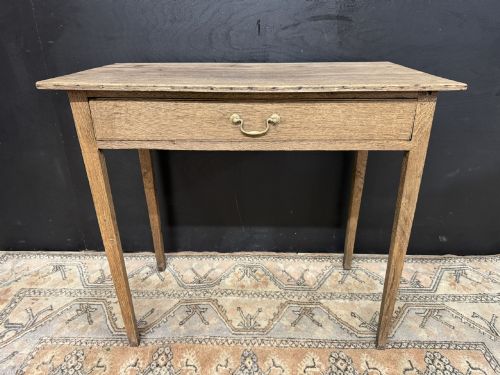
Country house furniture comprises sturdy domestic pieces designed for historic English estates, ranging from expansive kitchen dressers and storage cabinets to modest cricket tables and luggage stands. These items combine practical function with regional craftsmanship, developed over centuries to serve the daily demands of large domestic households.
The pieces appearing on this page span several distinct periods, most notably the nineteenth century, alongside Regency examples and earlier seventeenth-century survivals in the historical archive. Buyers frequently encounter oak dressers, walnut cabinets, mahogany luggage stands, and beech or elm seating options.
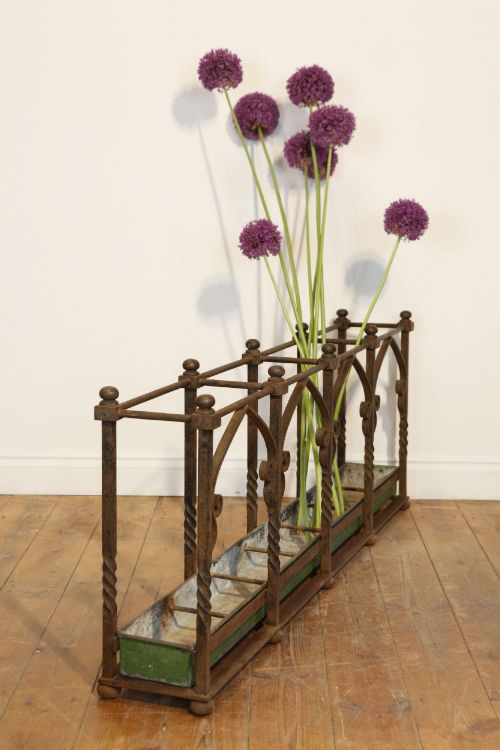
Form follows utility closely within this category, yielding specific utilitarian types like hall umbrella stands, larder cupboards, and button-back settees. English country aesthetics dominate the stylistic range, presenting solid forms built to endure heavy everyday use.
Materials and Construction
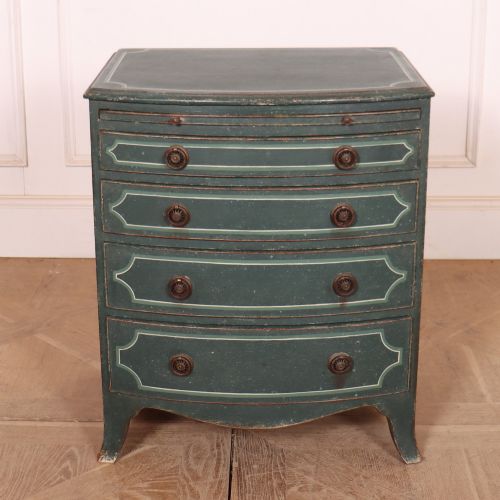
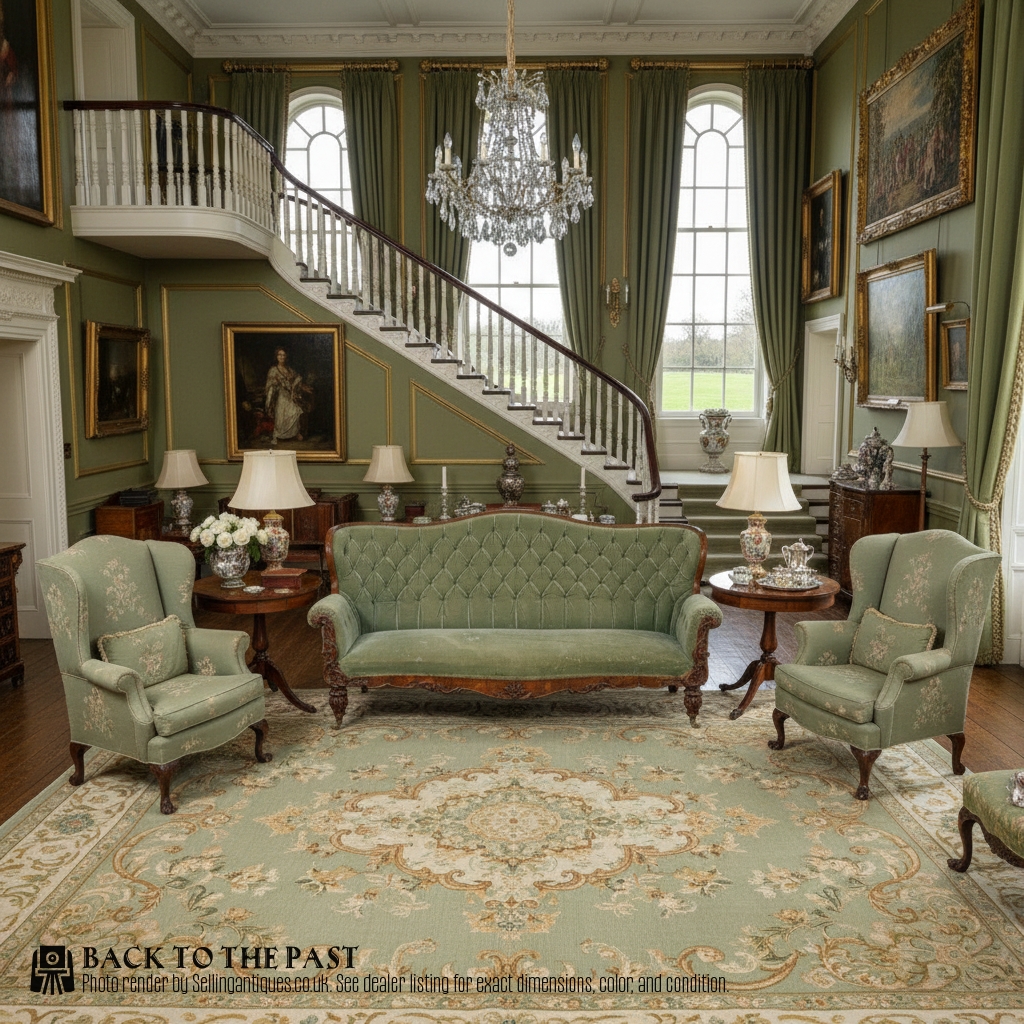
Makers utilised a robust palette of native and imported hardwoods, selecting solid oak, walnut, mahogany, pollard oak, beech, elm, and painted finishes to suit the function of each specific item. Brass fittings frequently reinforce structural points or provide hardware for storage furniture and luggage stands.
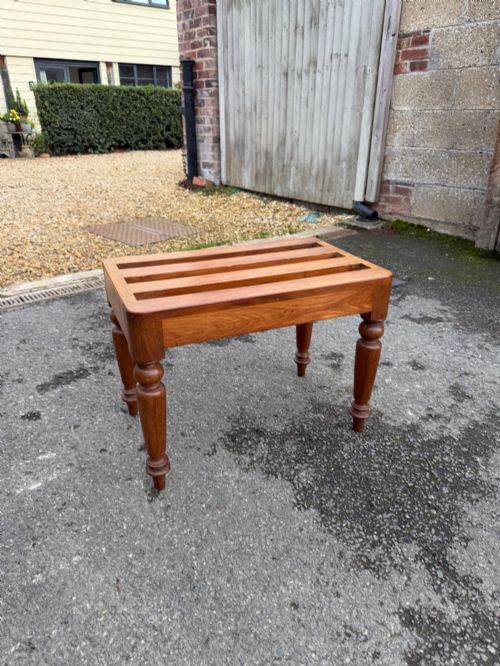
Construction techniques focus on structural longevity, pairing heavy timber frames with functional elements like raised rear upstands on luggage stands or fitted racks on large dressers. Surfaces display the natural grain of the wood or bear historical painted finishes developed during the nineteenth century.
Country House Furniture Retail Price Guide 2026
Typical asking prices for country house furniture among the pieces listed under this phrase on Sellingantiques today, from the lower quarter to the upper quarter. They describe what is for sale here now, not the wider market.
Deep luggage stands were built tough so guests could fling down heavy leather travel trunks without wrecking the bedroom walls.
Evaluating Quality
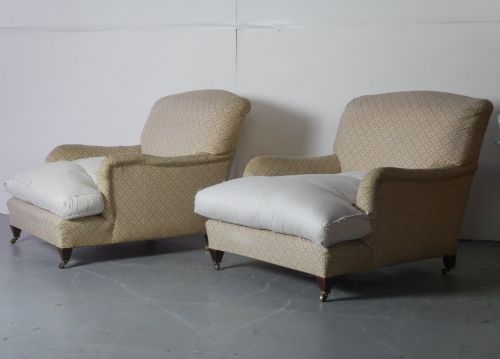
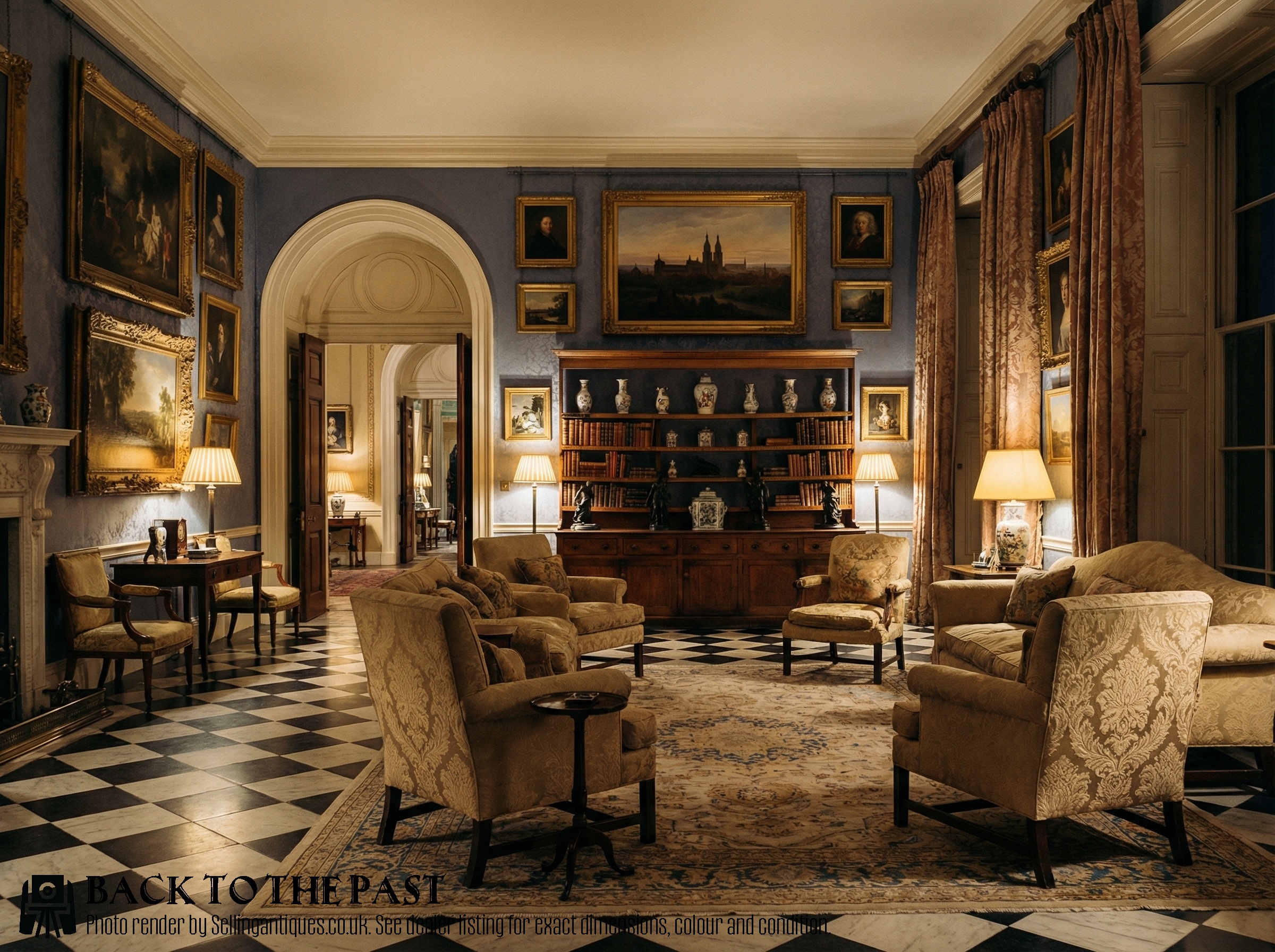
Quality within this category depends upon the integrity of the original timber and the scale of the piece, where monumental proportions and figured woods like pollard oak or walnut elevate a standard domestic form. The presence of maker attribution, such as documented upholstery work, further distinguishes superior seating.
Execution of detail defines the upper tier, visible in the depth of proportions on luggage stands or the careful joinery of large-scale dressers and racks. Original surfaces and honest patination reflect the authentic age of the piece without excessive modern intervention.
Howard and Sons
The Country House Furniture Glossary
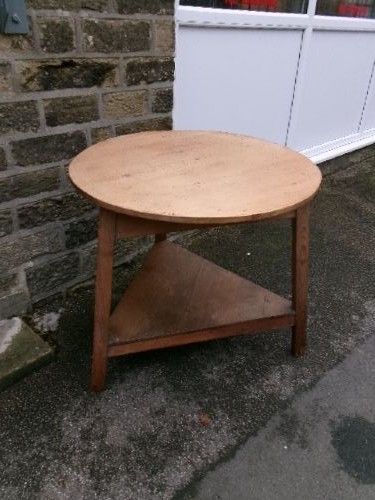
- Cricket table
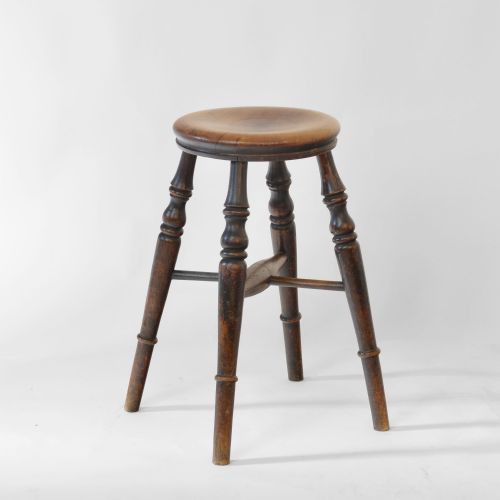
- A small, lightweight occasional table typically featuring three splayed legs and a round top. This stable design prevented wobbling on uneven flagstone floors in historic homes.
- Luggage stand
- A low support frame designed for resting travel trunks at a convenient height. Nineteenth-century examples often incorporate raised rear upstands to protect walls from scuffs.
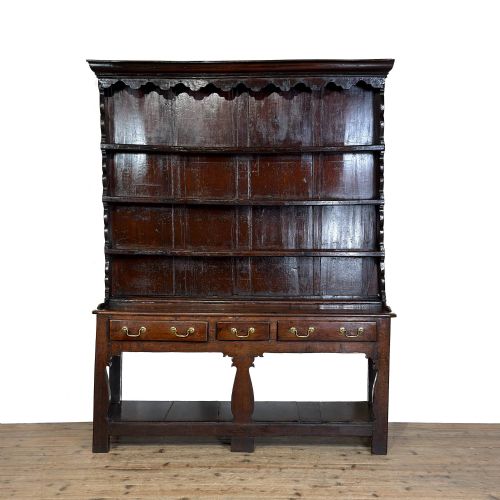
- Dresser and rack
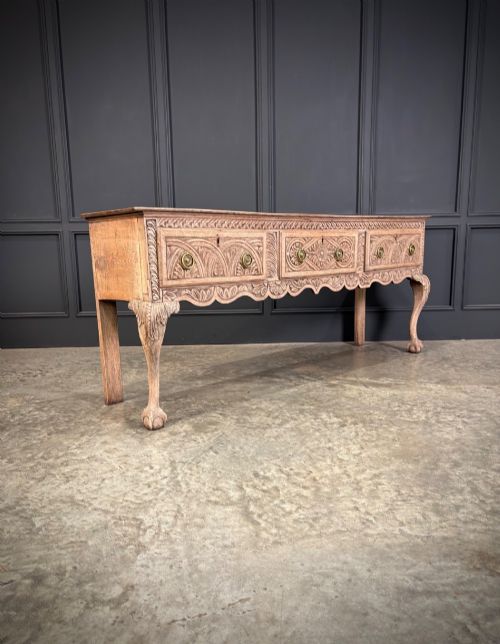
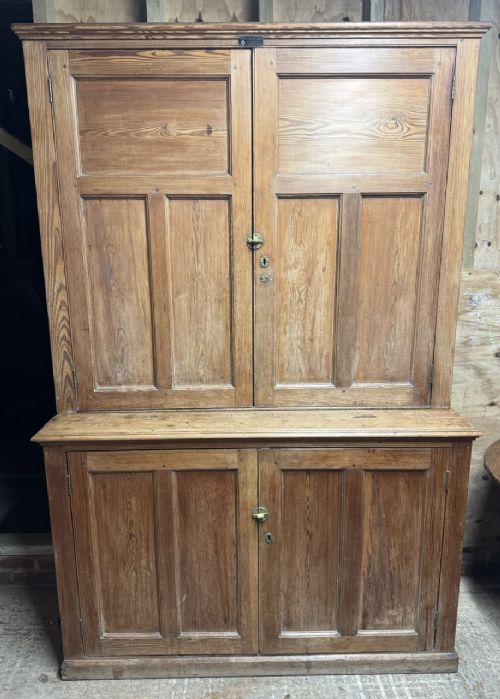
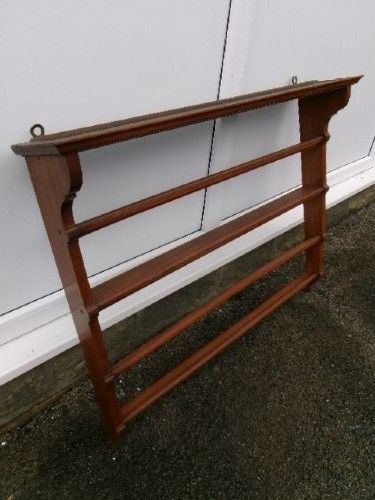
- A large kitchen or dining room storage combination featuring base cupboards or drawers surmounted by open shelving plates racks. These monumental pieces anchored the domestic economy of country houses.
- Pollard oak
- Timber harvested from trees that were periodically pruned back to the trunk to stimulate dense, highly decorative branch growth. This wood yields distinctive swirling grain patterns prized for tabletop surfaces.
- Button back
- An upholstery method where depressions are formed in the padding by stitching through to the frame, creating a grid of tight points. This technique secures deep cushioning on nineteenth-century settees and sofas.
Country House Furniture: Frequently Asked Questions
What defines country house furniture?
Country house furniture encompasses sturdy domestic pieces built for large English estates, including dressers, tables, and seating.
These items prioritise utilitarian function and durable timber construction over delicate decorative arts.
How do I identify a country house dresser?
Country house dressers typically feature heavy oak or painted construction with a base of cupboards or drawers beneath an open display rack.
Their substantial scale reflects use in large estate kitchens and housekeeper rooms.
Where should I place a luggage stand?
Luggage stands work well in guest bedrooms as functional surfaces for bags or as distinctive bedside tables.
Their deep proportions and raised rear upstands provide stable support and protect surrounding walls.
How do I care for nineteenth-century walnut furniture?
Nineteenth-century walnut pieces require stable indoor humidity away from direct heat sources to prevent timber splitting.
Regular dusting with a dry cloth preserves the natural patination developed over generations of use.