

Antique Country House Sofa
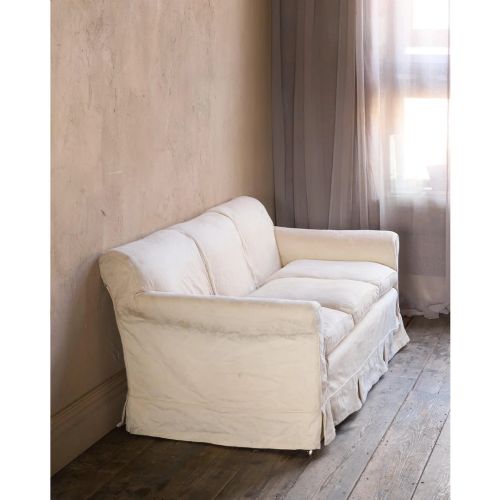
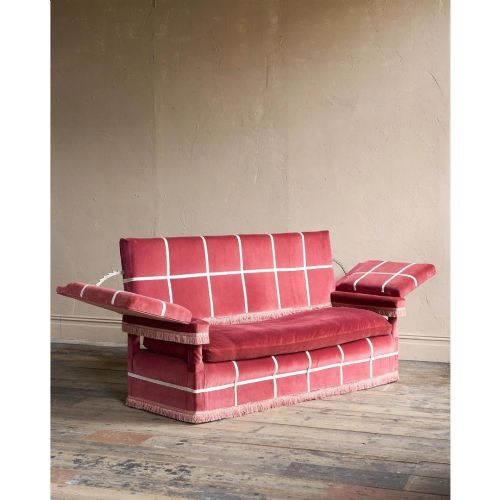
An antique country house sofa is a grand, deep-seated seat built for comfort, and buyers seek them for their generous proportions and traditional upholstery.
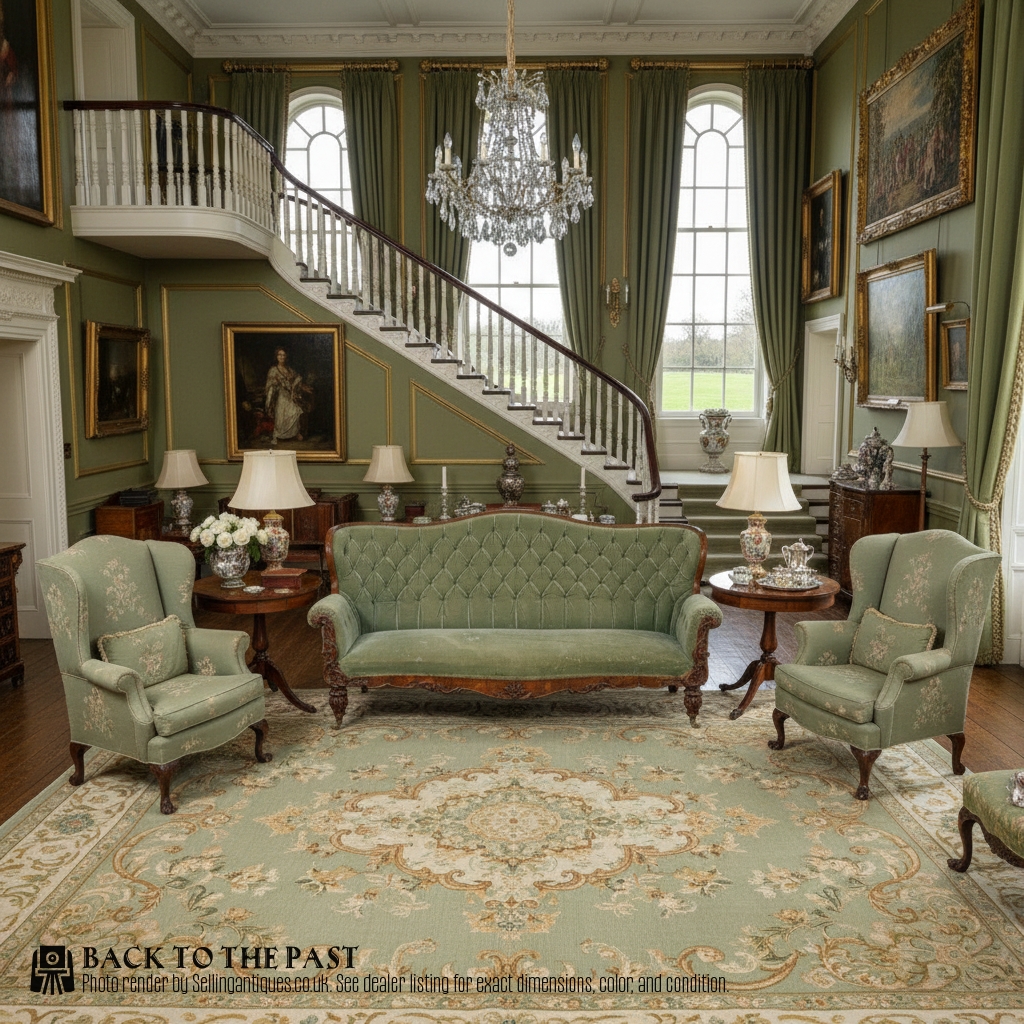
Antique Country House Sofa
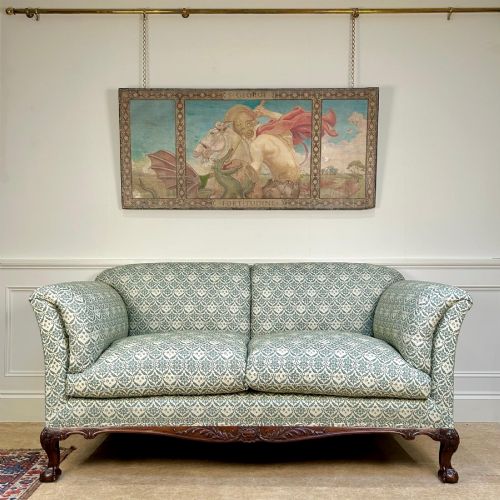
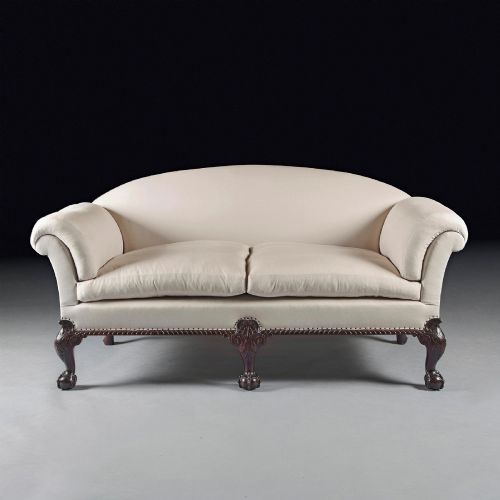
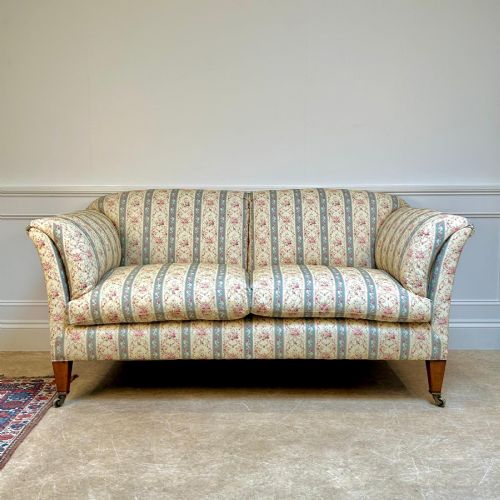
An antique country house sofa is a large, comfortable seat designed for principal rooms, often appearing in forms such as wide settees and deep-seated lounging pieces. These pieces span several centuries, with examples recorded from the eighteenth, nineteenth, and early twentieth centuries.
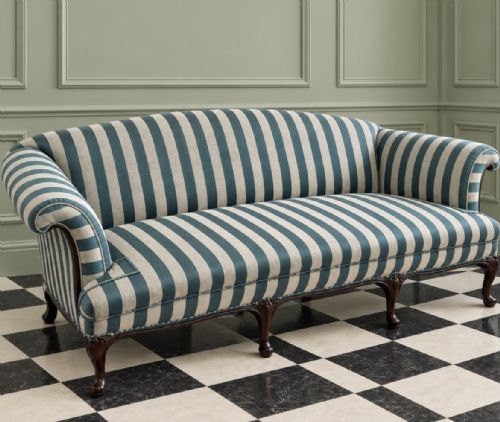
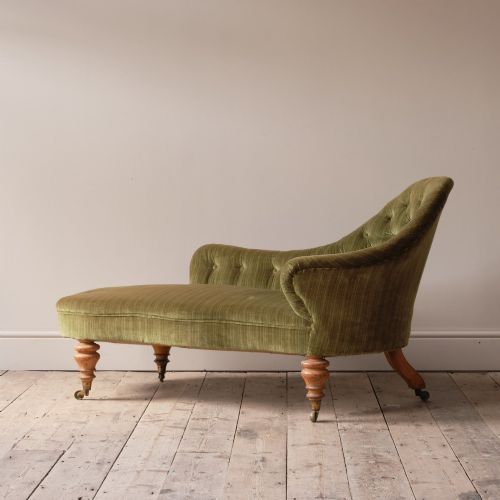
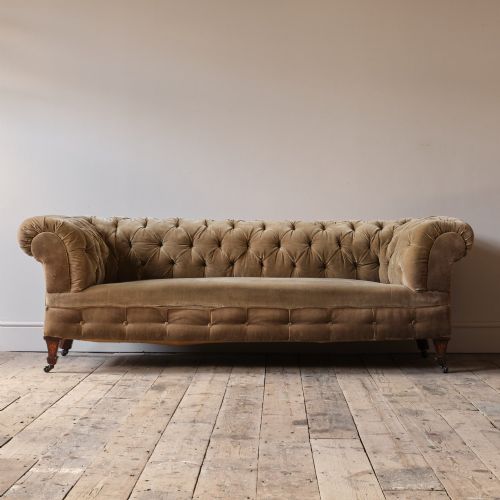
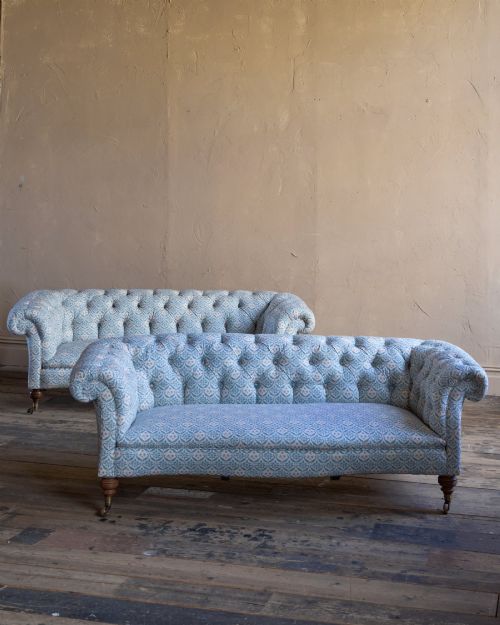
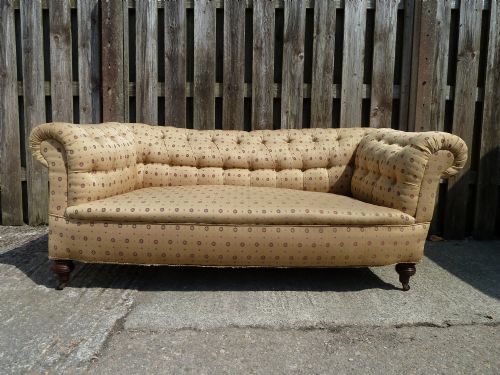
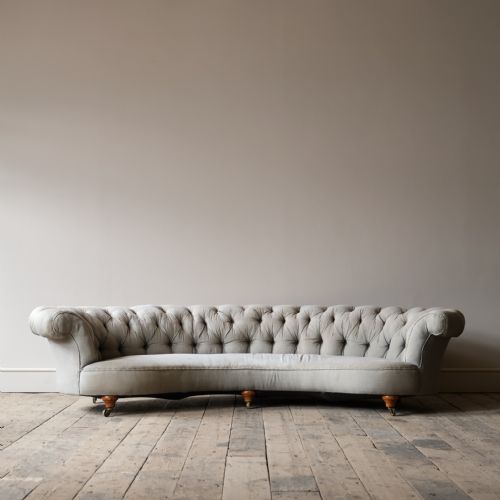
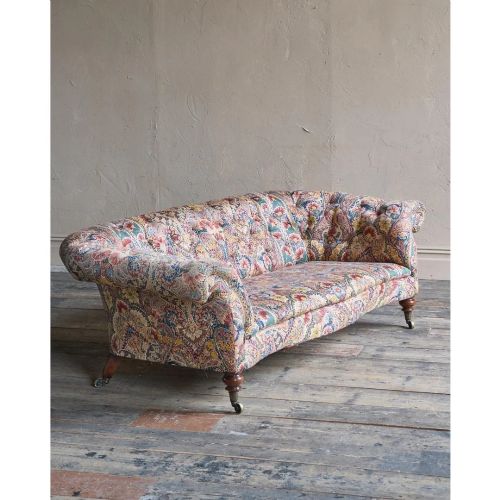
The materials and styles reflect the periods of their construction, encompassing Regency, Victorian, Edwardian, and Georgian eras. Buyers most frequently meet large mahogany frames, button-backed settees, and scroll-armed designs upholstered in calico, hessian, fabric, linen, or feather cushions.
Origins range across English workshops and Scottish cabinet makers, showing both formal hall sofas and deep lounging seats. The overarching character is one of domestic scale combined with robust timber frames.
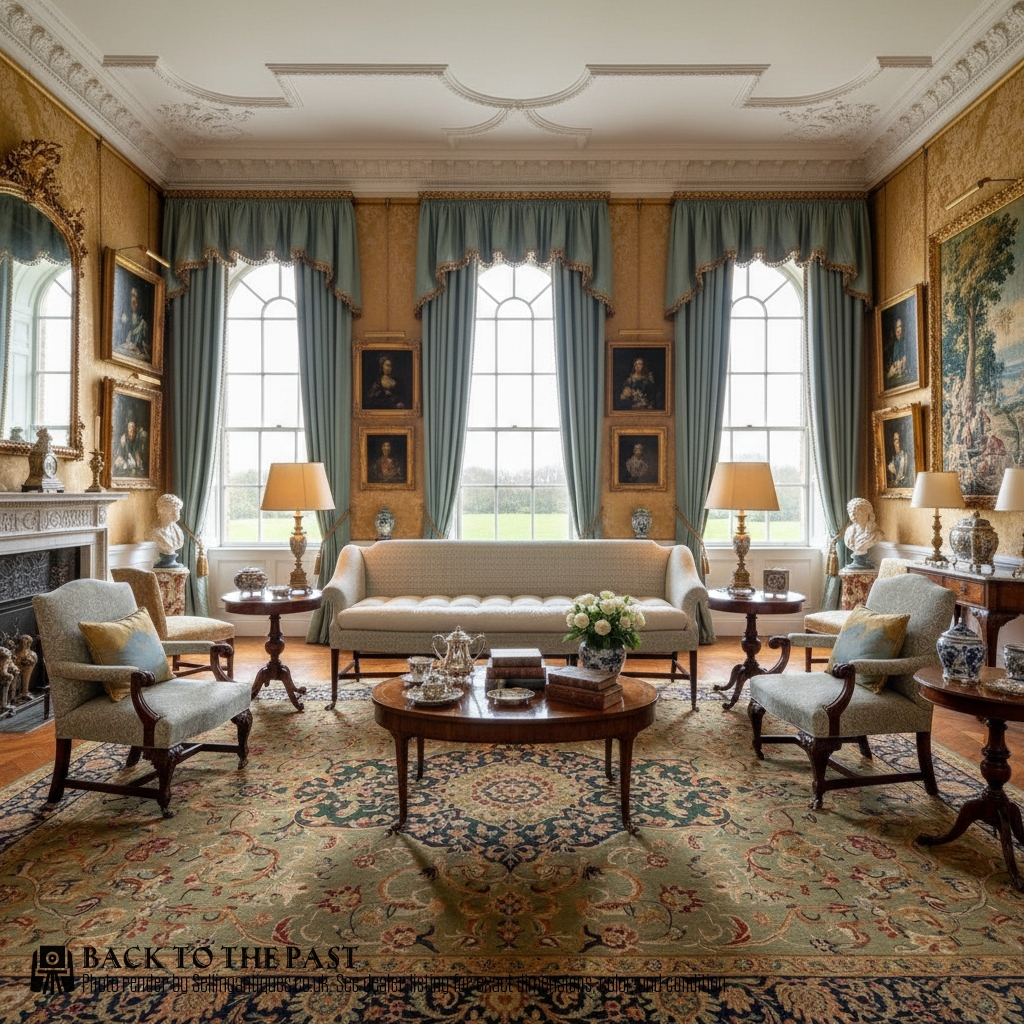
How they were made
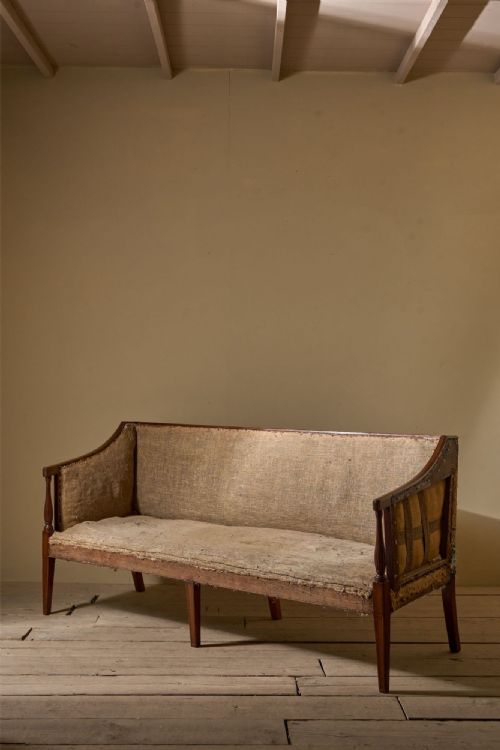
Construction relies on solid timbers including mahogany, walnut, and general timber for the underlying frames. Cabinet makers joined these structural elements with traditional joinery to support heavy daily use.
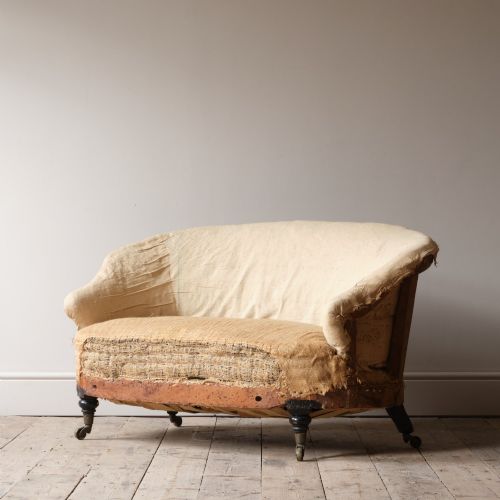
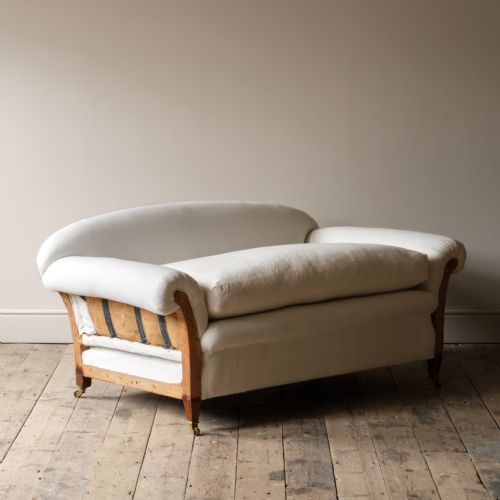
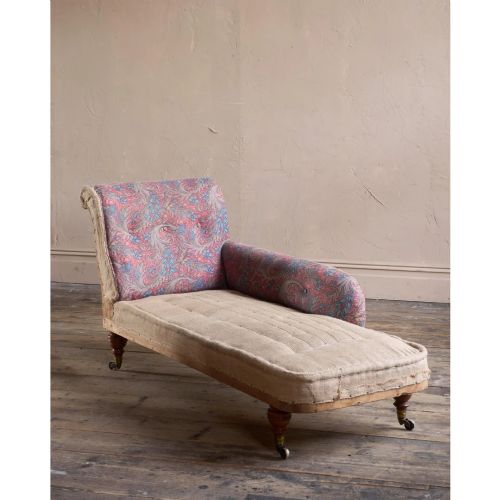
Upholstery techniques utilise natural fillings and durable coverings. Pieces employ calico, hessian, linen, and fabric, often finished with brass details and button backing.
Antique Country House Sofa Retail Price Guide 2026
Typical asking prices for country house sofa among the pieces listed under this phrase on Sellingantiques today, from the lower quarter to the upper quarter. They describe what is for sale here now, not the wider market.
Feather down cushions ensure that nineteenth-century lounging remains remarkably plush.
What varies in quality
The standard of a country house sofa rests upon the proportion of the timber frame and the integrity of the underlying construction. Pieces originating from named cabinet makers or distinguished workshops demonstrate superior framing and refined timber selection.
Execution of detail defines the upper tier of pieces, where sophisticated wood turning, substantial proportions, and well-balanced scroll arms elevate the design. Lesser examples rely on simpler timber work and more utilitarian frame structures.
Hampton & Sons·Morison & Co·Whytock and Reid
The Antique Country House Sofa Glossary
- Calico
- A plain-woven cotton fabric frequently used as an initial upholstery layer or tight cover on antique seating before top-covering.
- Hessian
- A coarse woven fabric, typically made from jute fibres, used historically for webbing and internal padding support in traditional upholstery.
- Scroll arm
- An upholstered or timber arm curving outward in a spiral scroll shape, common on nineteenth-century and Regency seating.
- Button back
- An upholstery style where buttons are pulled deep into the padding to create a quilted, diamond-patterned surface.
- Mahogany
- A durable, reddish-brown tropical hardwood favoured by cabinet makers across the Georgian and Regency periods for structural frames.
Antique Country House Sofa: Frequently Asked Questions
What is a country house sofa?
A country house sofa is a large, deep-seated piece of antique seating built for comfort and durability in large domestic interiors. These pieces typically feature generous proportions designed for lounging.
They appear in various styles including Georgian, Regency, and Edwardian, often utilising timber frames of mahogany or walnut.
How do I identify the period?
Identifying the period involves examining the timber species, framing style, and upholstery methods. Regency examples often display classical mahogany forms, while Georgian pieces show earlier cabinet-making traditions.
Later Victorian and Edwardian iterations introduce softer cushioning and different proportions, reflecting changing domestic fashions.
Were these sofas used in halls?
Some pieces, specifically noted as hall sofas, served in large entrance spaces rather than private living rooms. These often featured firmer frames and architectural timber work.
Most surviving examples, however, were made for principal reception rooms and libraries.
What fabrics are used?
Upholstery materials include traditional coverings such as linen, heavy fabric, and calico. Many pieces retain calico inner covers or use hessian beneath feather down cushions.
Original top fabrics are rarely preserved, meaning most pieces have been re-covered over their lifespan.