


Green Velvet Sofa
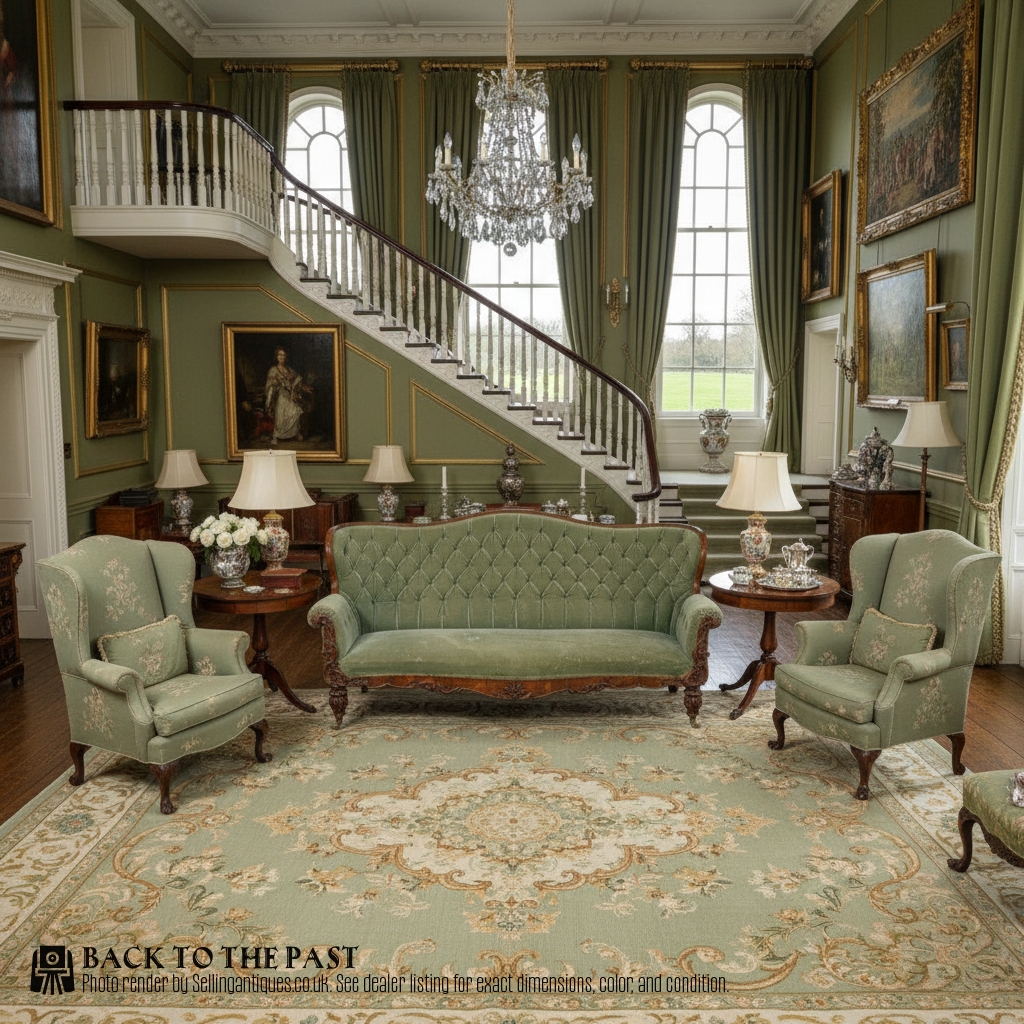
A green velvet sofa brings deep colour and tactile warmth to a room, offering the classic forms seen in country houses and period salons.
Green Velvet Sofa
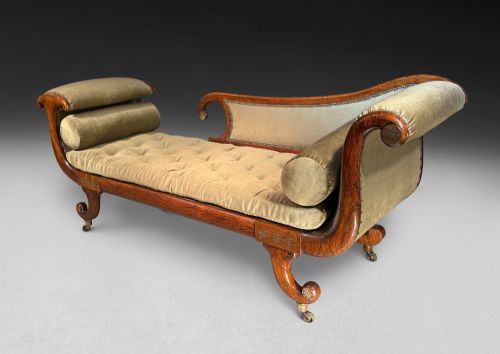
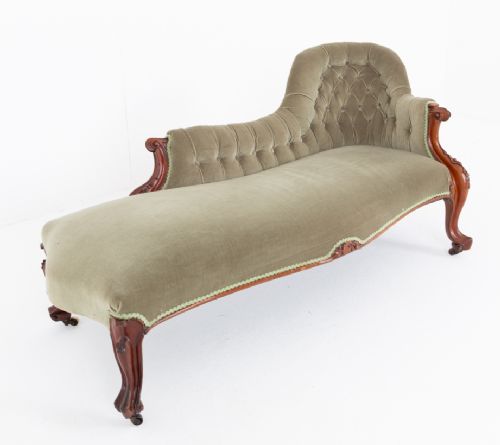
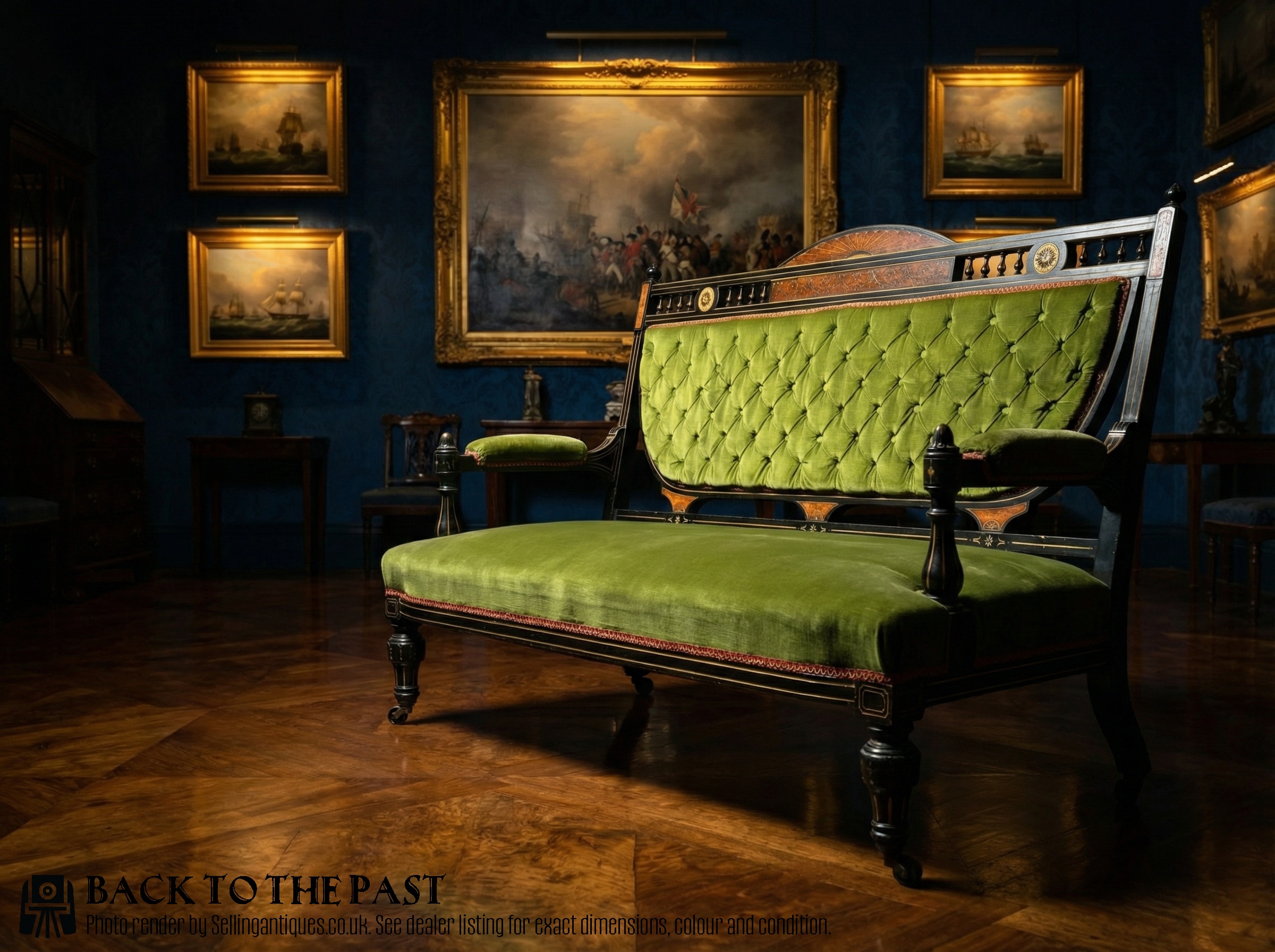
A green velvet sofa spans multiple periods and forms, ranging from Regency chaise longues to Victorian button-backed settees and Edwardian Knole sofas. Buyers seeking a green velvet sofa encounter varied styles such as Victorian Rococo Revival, Aesthetic Movement, and Arts and Crafts.
The selection includes large country house Chesterfields, petite Edwardian frames, and conversational seating arrangements. Walnut, mahogany, rosewood, and simulated rosewood provide the wooden structural foundations for these upholstered pieces.
Origins stretch across the nineteenth and early twentieth centuries, encompassing diverse seating types like settees, chaise longues, and salon suites. Each piece reflects the aesthetic priorities of its specific decade of production.
Materials and construction methods
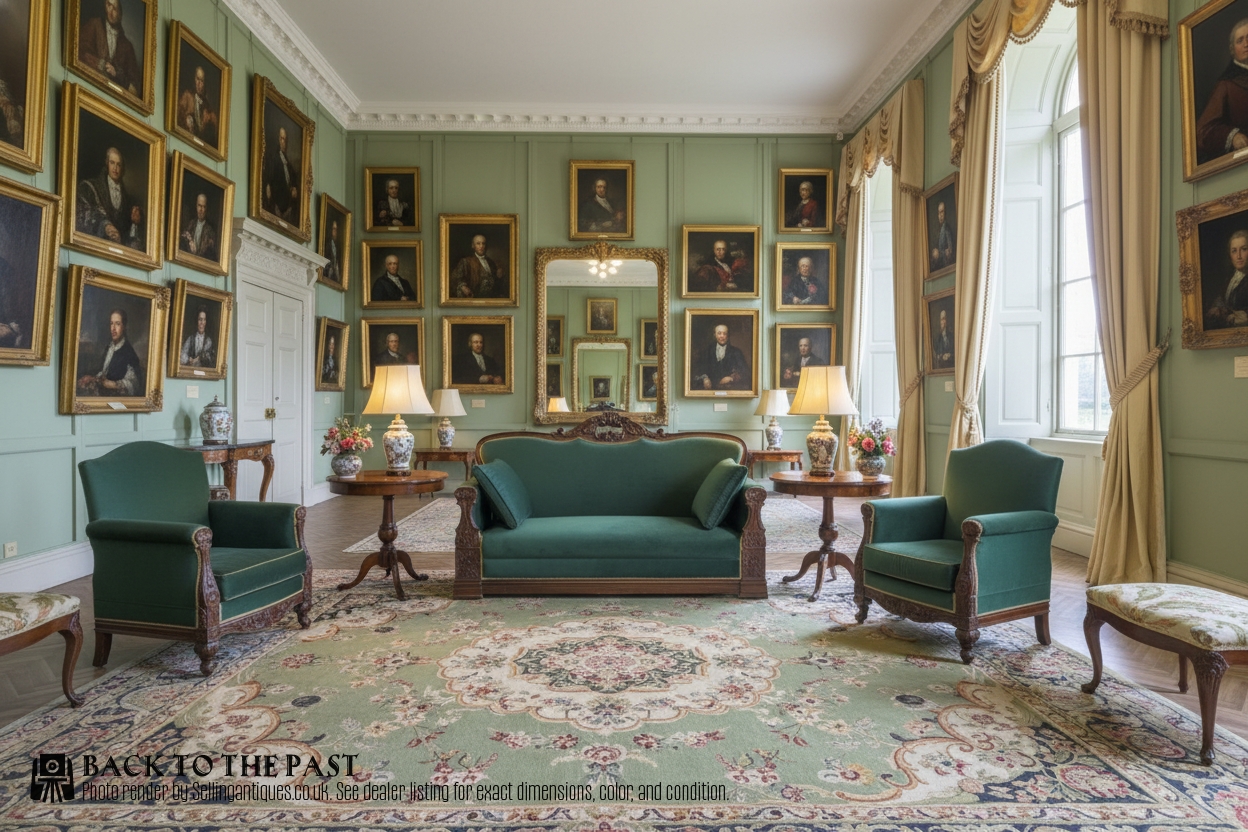
Frames rely on timbers such as walnut, mahogany, rosewood, and oak, shaped through period joinery and carving techniques. Brass inlay and painted finishes appear on select frames alongside exposed polished wood.
Deep buttoning and traditional upholstery methods secure the velvet covering over internal padding. Structural forms range from carved Victorian walnut frameworks to solid oak frameworks.
Green Velvet Sofa Retail Price Guide 2026
Typical asking prices for green velvet sofa among the pieces listed under this phrase on Sellingantiques today, from the lower quarter to the upper quarter. They describe what is for sale here now, not the wider market.
Listings feature periods from the Regency era through to the Edwardian period, utilising velvet, brass, walnut, mahogany, and rosewood.
Distinguishing quality across examples
The refinement of the timber carving and the integrity of the wooden frame determine the baseline standard of a piece. Finer examples display meticulous attention to detail in the joinery and ornamental elements.
Upholstery execution, from the precision of the buttoning to the selection of the velvet fabric, separates standard production from exceptional craftsmanship. Maker attribution also influences the standing of a piece within the range.
Howard and Sons·Jas James Shoolbred·William Birch·C Hindley and Sons·Hampton and Sons
The Green Velvet Sofa Glossary
- Chesterfield sofa
- A deep-tufted, upholstered sofa traditionally featuring arms and back of the same height. It remains a staple of nineteenth-century seating.
- Knole sofa
- A traditional British settee style featuring adjustable hinged arms that can be raised or lowered. Edwardian examples often utilise this form.
- Conversation seat
- A multi-seated piece designed to allow occupants to converse face-to-face while seated. Victorian examples frequently utilise carved walnut frames.
- Button back
- An upholstery technique where buttons are pulled deep into the padding to create a quilted diamond pattern. This method provides structural tautness alongside visual texture.
Green Velvet Sofa: Frequently Asked Questions
How do I clean antique green velvet?
Velvet requires gentle brushing to maintain the nap and avoid crushing the pile over time. Professional cleaning is recommended for antique textiles to preserve the fabric.
Harsh chemical treatments or excessive moisture will damage the delicate fibres of older upholstery. Regular light dusting helps prevent dirt settling into the weave.
Where did these sofas originate?
These pieces originated in British drawing rooms, reception salons, and country houses during the nineteenth and early twentieth centuries. Makers constructed them to serve formal social spaces and private parlours.
Regional workshops and London cabinet makers produced these varied seating forms using local and imported hardwoods. Their designs evolved through successive stylistic movements.
How do I date a Victorian settee?
Dating relies on examining the timber frame, carving style, and upholstery construction methods typical of specific decades. Mid-nineteenth-century pieces often feature walnut or mahogany frames with revivalist ornamentation.
Documentation, maker stamps, and structural characteristics help narrow down the period of manufacture. Stylistic shifts between Regency, Victorian, and Edwardian eras provide clear chronological markers.
Are these sofas suitable for daily use?
Period frames and upholstery require considerate handling to preserve their structural integrity in modern living spaces. Placing them away from direct sunlight protects the velvet colour from fading.
Many examples remain sturdy enough for regular seating when handled with appropriate care. Rotating cushions and avoiding excessive weight distribution helps maintain internal padding.