


High Back Settee
A high back settee offers a commanding vertical profile and generous seating, bringing centuries of skilled joinery and upholstery directly into a room.

High Back Settee
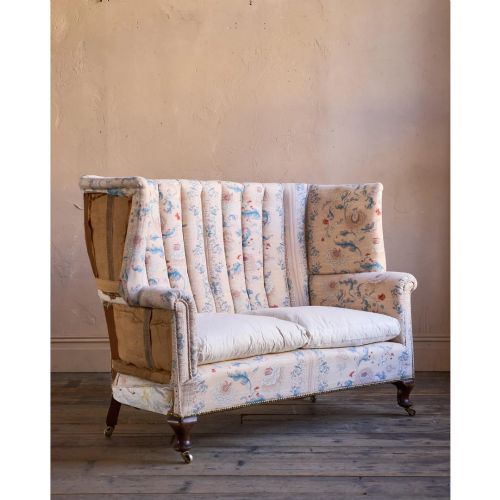
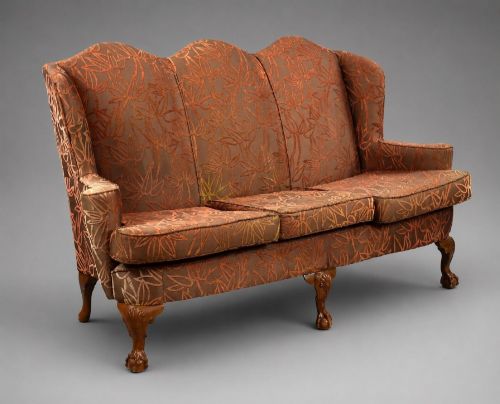
When searching for a high back settee, a buyer encounters pieces designed to provide draught-proof comfort and formal presence, ranging from early seventeenth-century interpretations to later Edwardian and Victorian iterations. The forms on this page include wingbacks, knole sofas, and carved walnut or mahogany frames with prominent vertical lines.
The version most commonly met on this page combines a substantial timber framework with upholstered padding, spanning styles from Queen Anne and William and Mary to Arts and Crafts and French revivalism. These seating pieces function both as architectural statements within a hall or parlour and as practical, deep-seated furniture for daily use.

How they were made
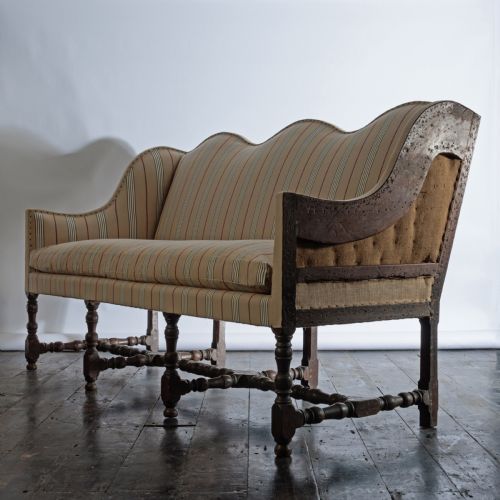
Makers constructed the structural frames of these settees using solid hardwoods such as walnut, oak, and mahogany, often employing detailed hand-carving, bobbin turning, or giltwood finishes. Joinery methods relied on traditional mortise and tenon construction to support the considerable height and weight of the upright backrests.
Upholstery techniques combined sturdy internal webbing and stuffing with surface coverings of leather, velvet, damask, or textile fabric, sometimes secured with decorative buttoning. Canework was also utilised on specific stylistic variants to provide a lighter decorative panel within the wooden framework.
High Back Settee Retail Price Guide 2026
Typical asking prices for high back settee among the pieces listed under this phrase on Sellingantiques today, from the lower quarter to the upper quarter. They describe what is for sale here now, not the wider market.
Listings include walnut, mahogany, and oak frames paired with velvet, leather, and damask upholstery across multiple centuries.
What varies in quality
The calibre of a piece is determined by the crispness of the timber carving, the integrity of the underlying frame construction, and the fidelity of the period style. Superior examples display dense, well-figured woods and balanced proportions that maintain structural rigidity across wide spans.
A higher grade of execution appears in the precision of the upholstery work, the selection of durable covering materials like hand-dyed leather or heavy damask, and the preservation of original or sympathetic period components.

The High Back Settee Glossary
- Knole sofa
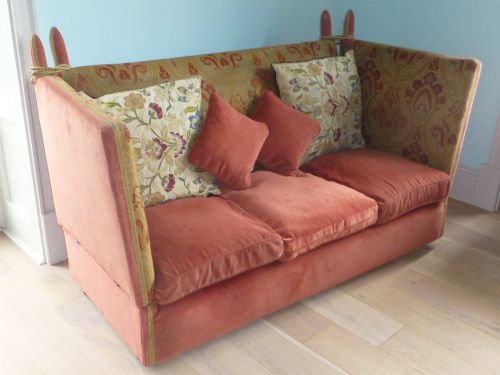
- An early form of settee featuring adjustable or drop arms tied with cords, providing an enclosed seating area with a high back. This design originates from the seventeenth century at Knole House in Kent.
- Wingback
- A seating form featuring protective flaps or wings attached to the upper back, originally designed to shield occupants from draughts. These pieces often incorporate deep padding and prominent vertical proportions.
- Canework
- A woven pattern of split rattan utilised for backrests or panels to introduce texture and lightness into wooden frames. This technique appears on specific revival styles across the seventeenth and eighteenth century traditions.
- Bobbin turning
- A form of woodwork ornamentation created by turning timber on a lathe into a series of rounded, bead-like shapes resembling bobbins. It is frequently seen on the legs and stretchers of nineteenth-century French and English frames.
- Giltwood
- Timber coated with a thin layer of gold leaf or metallic gilt, providing a reflective and ornate surface. This finish is typically found on formal reception furniture from the nineteenth century.
High Back Settee: Frequently Asked Questions
What is a high back settee?
A high back settee is an upholstered or wooden seat designed with an elevated backrest, providing both vertical visual presence and physical enclosure.
These pieces span various centuries and stylistic revivals, functioning historically as formal seating or draught-excluding furniture in large rooms.
How were knole sofas used?
Knole sofas were utilised in large reception rooms, where their adjustable drop arms could be raised or lowered to create an enclosed, comfortable seating arrangement.
They provided formal seating for multiple occupants while offering protection from cold air currents in substantial country houses.
Where should I place one?
These settees fit naturally into large hallways, living rooms, or parlours where their vertical proportions can anchor the surrounding space. Their high backrests also allow them to act as room dividers in open interiors.