



Antique Walnut Settee
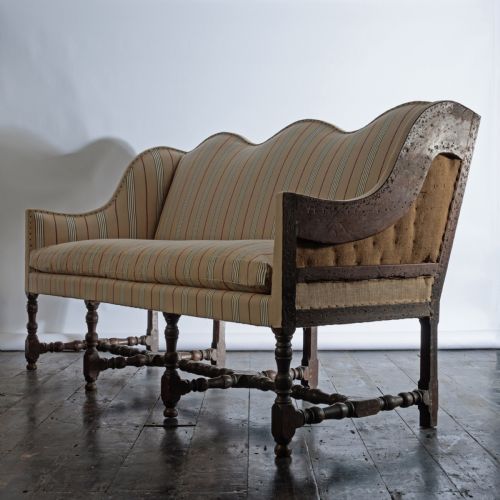
An antique walnut settee brings rich timber frames and period upholstery into a drawing room, offering a seat designed for formal entertaining.
Antique Walnut Settee
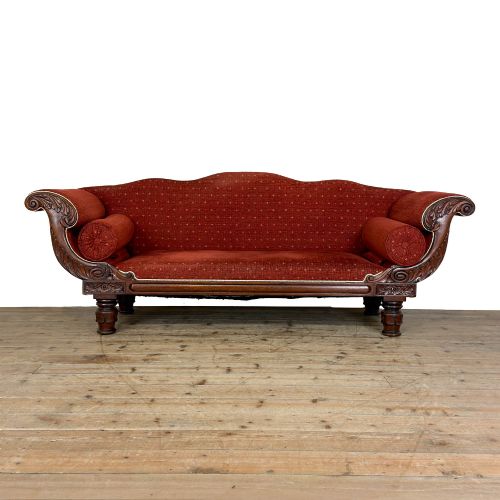
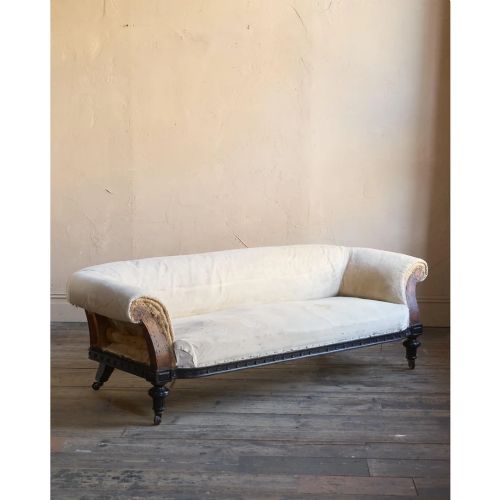
When searching for an antique walnut settee, buyers encounter formal seating spanning the seventeenth through the early twentieth centuries, with Victorian and Edwardian examples appearing most frequently.
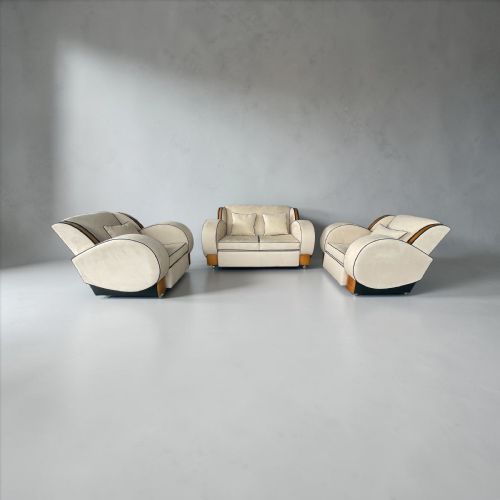
Originating from English, French, and Continental workshops, these pieces reflect changing domestic fashions from Queen Anne revivals to Rococo and Art Deco interpretations.
How They Were Made
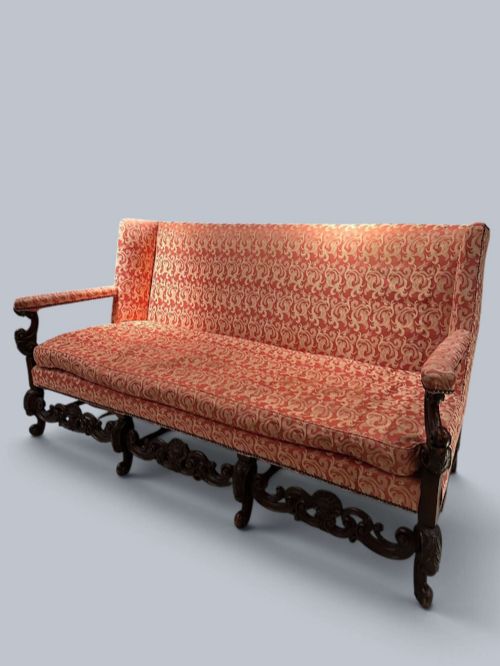
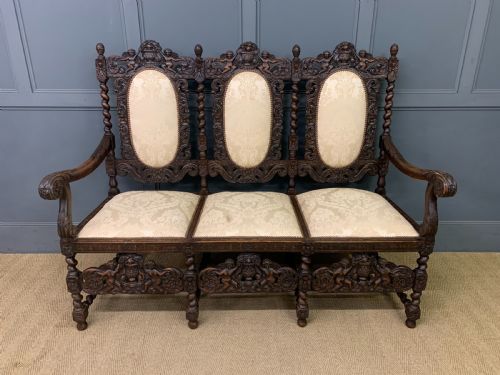
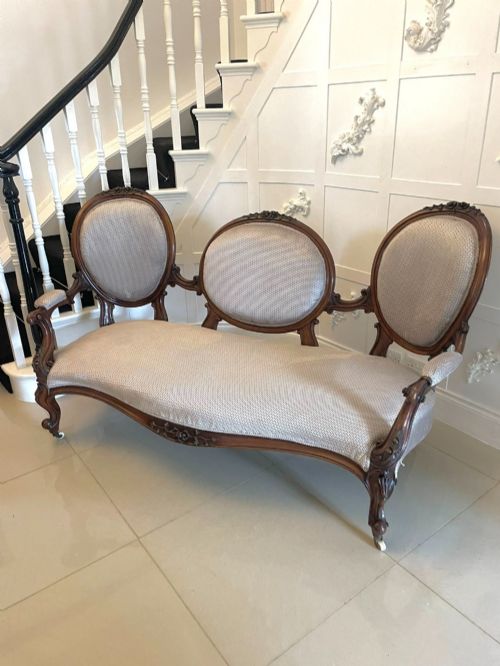
Cabinetmakers utilised figured walnut timbers, sometimes incorporating marquetry or inlay, shaped into curved frames, cabriole legs, and carved cresting rails.
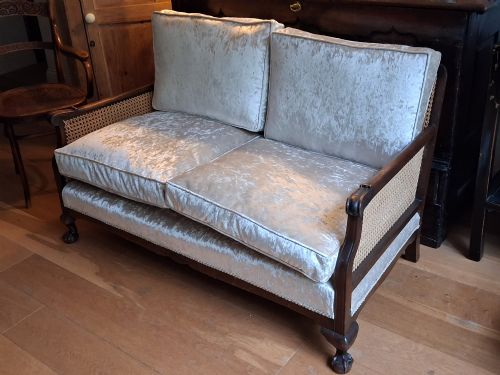
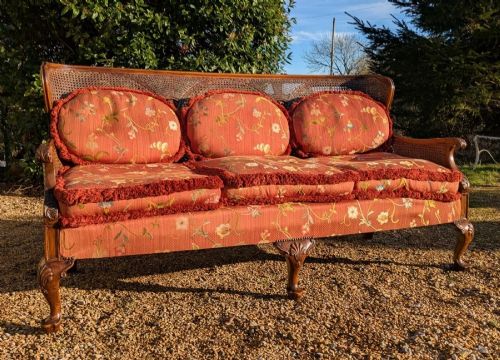
Seating portions combined traditional upholstery methods utilising textiles, velvet, horsehair, and feather cushions with supportive cane panels in bergere models.
Structural details often included brass castors, turned supports, and hand-carved floral or scroll motifs applied directly to the solid wood framework.
Antique Walnut Settee Retail Price Guide 2026
Typical asking prices for walnut settee among the pieces listed under this phrase on Sellingantiques today, from the lower quarter to the upper quarter. They describe what is for sale here now, not the wider market.
Several Victorian conversation settees allowed two people to sit close while facing opposite directions, facilitating polite Victorian gossip without neck strain.
What Varies in Quality
The crispness of hand-carved ornament on the walnut frame distinguishes standard production from exceptional pieces commissioned for prominent houses.
The integrity of the timber grain, depth of the warm patina, and originality of the structural joins determine the lasting merit of the settee.
Selection of period-appropriate upholstery fabrics and the retention of maker details or traditional stuffing methods elevate certain examples above standard workshop output.
Howard And Sons·Liberty Of London
The Antique Walnut Settee Glossary
- Bergere
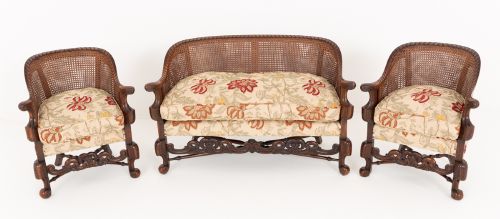
- An enclosed upholstered armchair or sofa with wooden frames and woven cane sides. This French seating style gained popularity in English interiors during the eighteenth and early twentieth centuries.
- Cabriole leg
- A furniture leg that curves out and then in, resembling the leg of an animal. It typically terminates in a pad, claw, or hoof foot.
- Salon suite
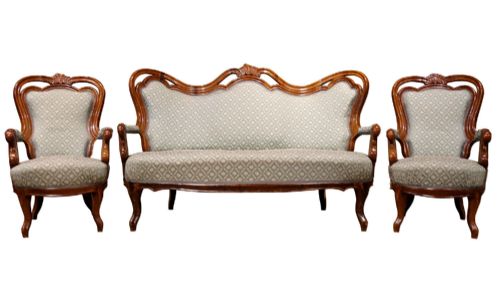
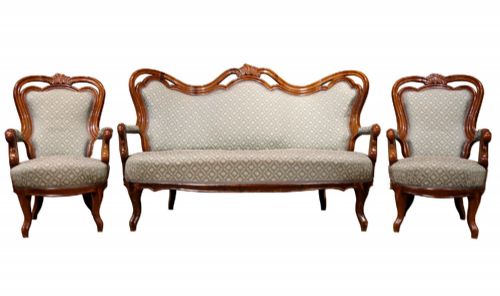
- A matched set of seating furniture comprising a settee and matching armchairs designed for a drawing room. These ensembles often share carved walnut frames and unified upholstery.
- Marquetry
- Decorative veneer work where pieces of contrasting wood are fitted together to form geometric or floral patterns. It adorns the flat surfaces of cabinet furniture and decorative frames.
- Spoon back
- An upholstered chair or settee back shaped to resemble the bowl of a spoon, providing ergonomic support. This profile is characteristic of mid-nineteenth-century Victorian seating.
Antique Walnut Settee: Frequently Asked Questions
How do I identify a Queen Anne walnut settee?
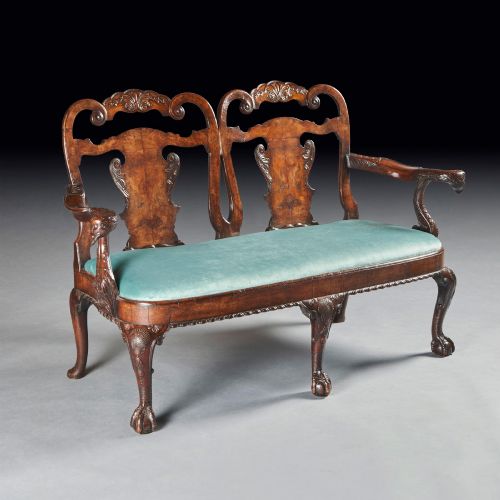
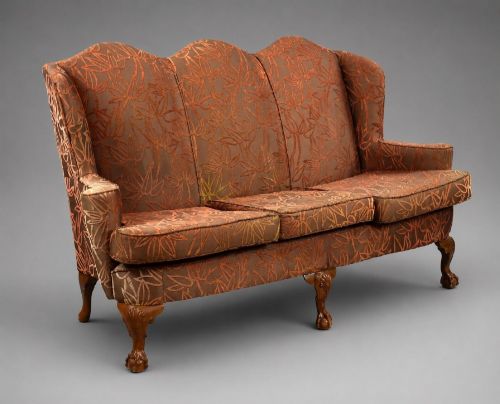
Queen Anne walnut settees typically feature double chair back designs, vase-shaped splats, and cabriole legs ending in pad feet. The walnut timber often displays rich grain without heavy ornamentation.
Later revivals from the Edwardian period emulate these proportions, so examining the construction methods inside the frame helps clarify the true age of the piece.
What is a bergere settee?
A bergere settee incorporates woven cane panels along the sides and back, paired with loose feather or hair cushions for the seat. They originated in France and offer a lighter visual weight than fully upholstered couches.
These pieces often appear in Edwardian and Art Deco iterations, sometimes forming part of larger salon suites with matching armchairs.
How do I care for antique walnut furniture?
Antique walnut requires protection from direct sunlight and steady indoor humidity to prevent the timber from drying or cracking. Regular dusting with a soft, dry cloth preserves the natural lustre of the wax finish.
Avoid placing these settees near active heat sources, and consult an upholstery specialist when cleaning period textiles or buttoned velvet.
Where should I place a settee in a modern room?
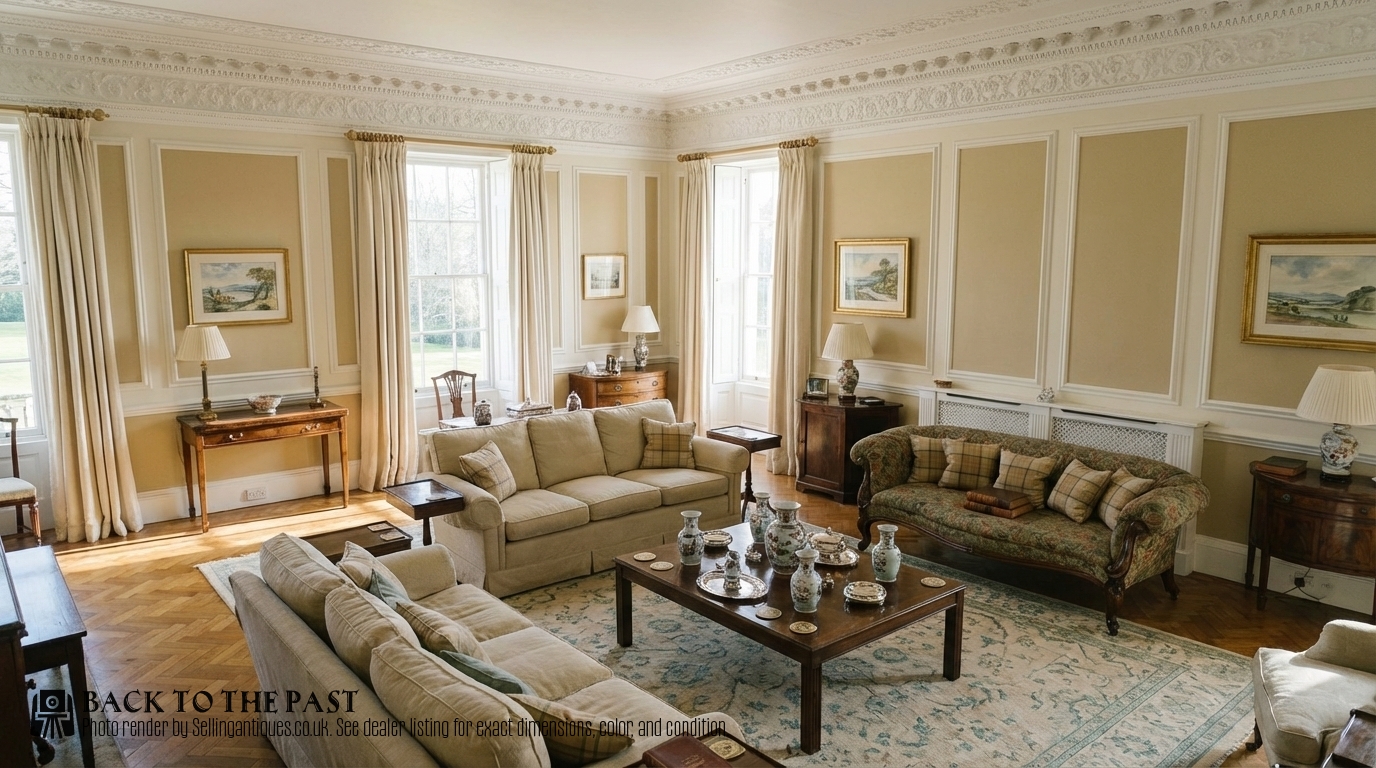
A walnut settee serves as a focal point in a hallway, bedroom, or living room, providing compact seating with distinct period character. Their smaller proportions make them adaptable for spaces where a full-size sofa feels too heavy.
Pairing a carved Victorian or Edwardian settee with contemporary surroundings creates a deliberate contrast that highlights the warmth of the walnut frame.