

Antique Salon Sofa
An antique salon sofa brings period elegance and refined seating to a room, offering a decorative focal point shaped by Victorian and Edwardian craftsmanship.
Antique Salon Sofa
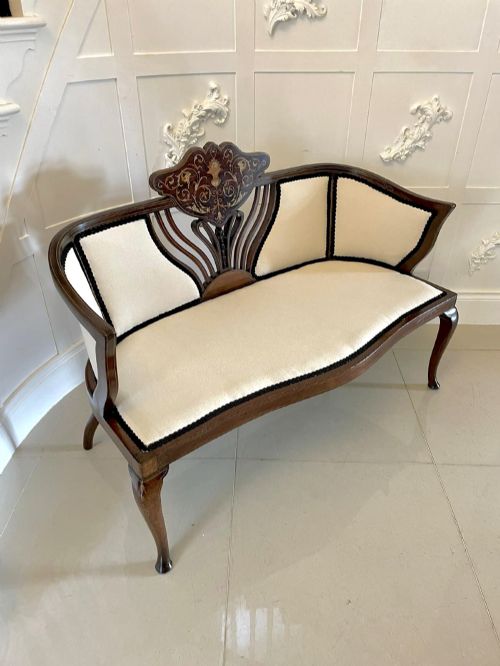
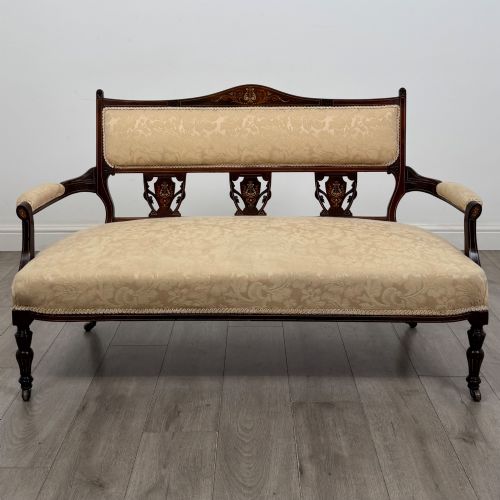
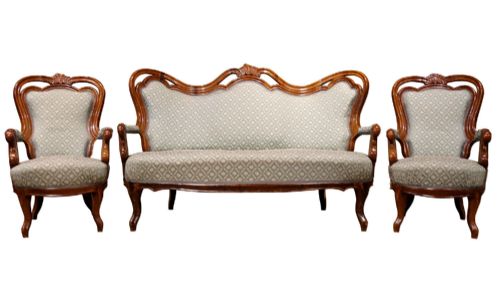
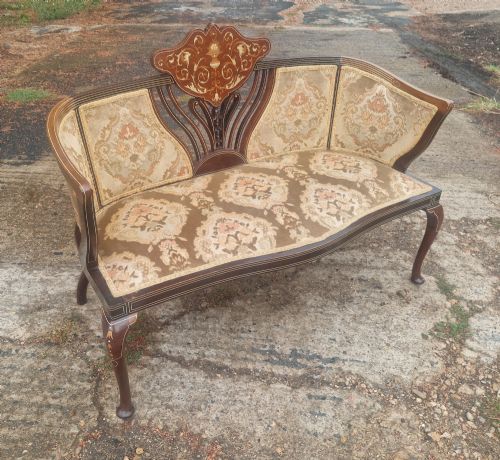
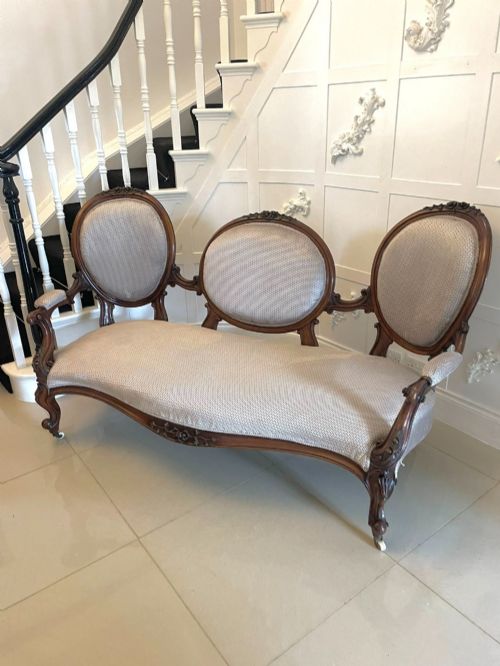
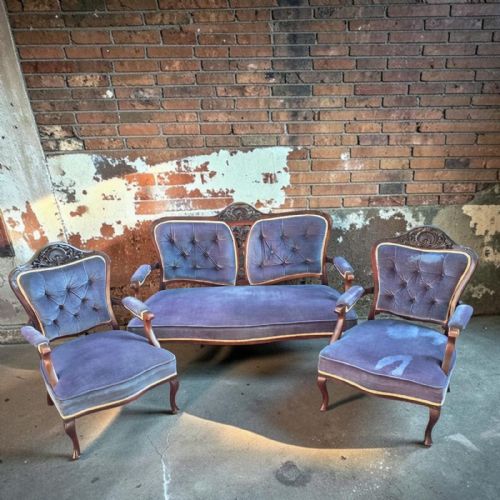
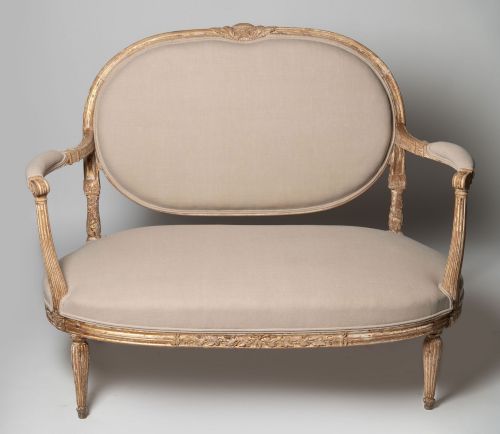
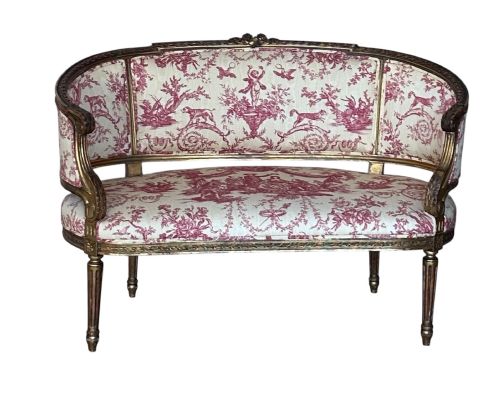
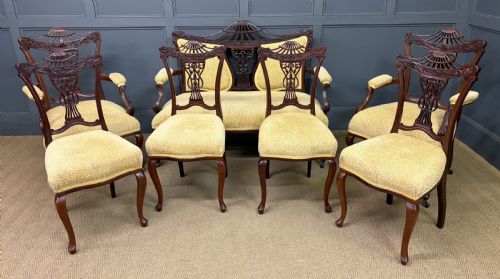
When you search for an antique salon sofa, you encounter formal seating pieces designed primarily for nineteenth and early twentieth century drawing rooms and reception spaces. These items appear as single settees, two-seater couches, or as part of larger matching salon suites accompanied by armchairs.
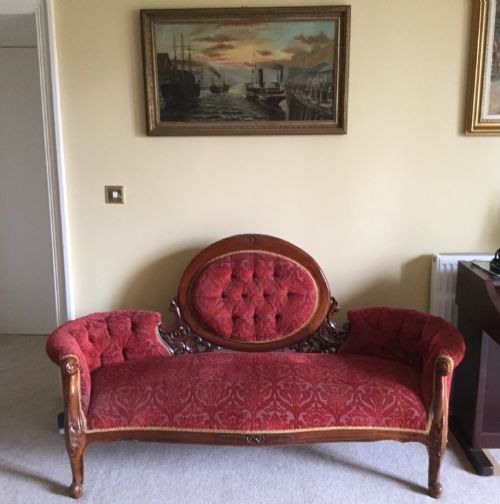
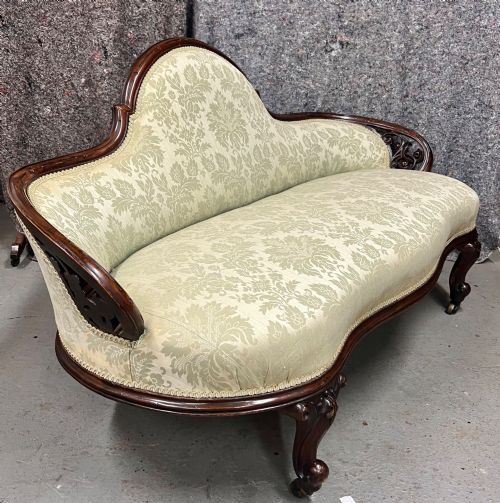
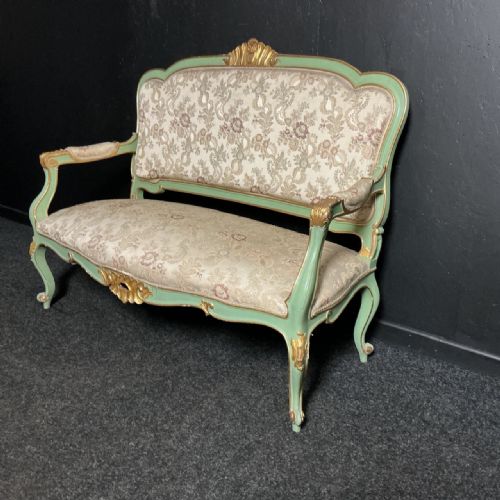
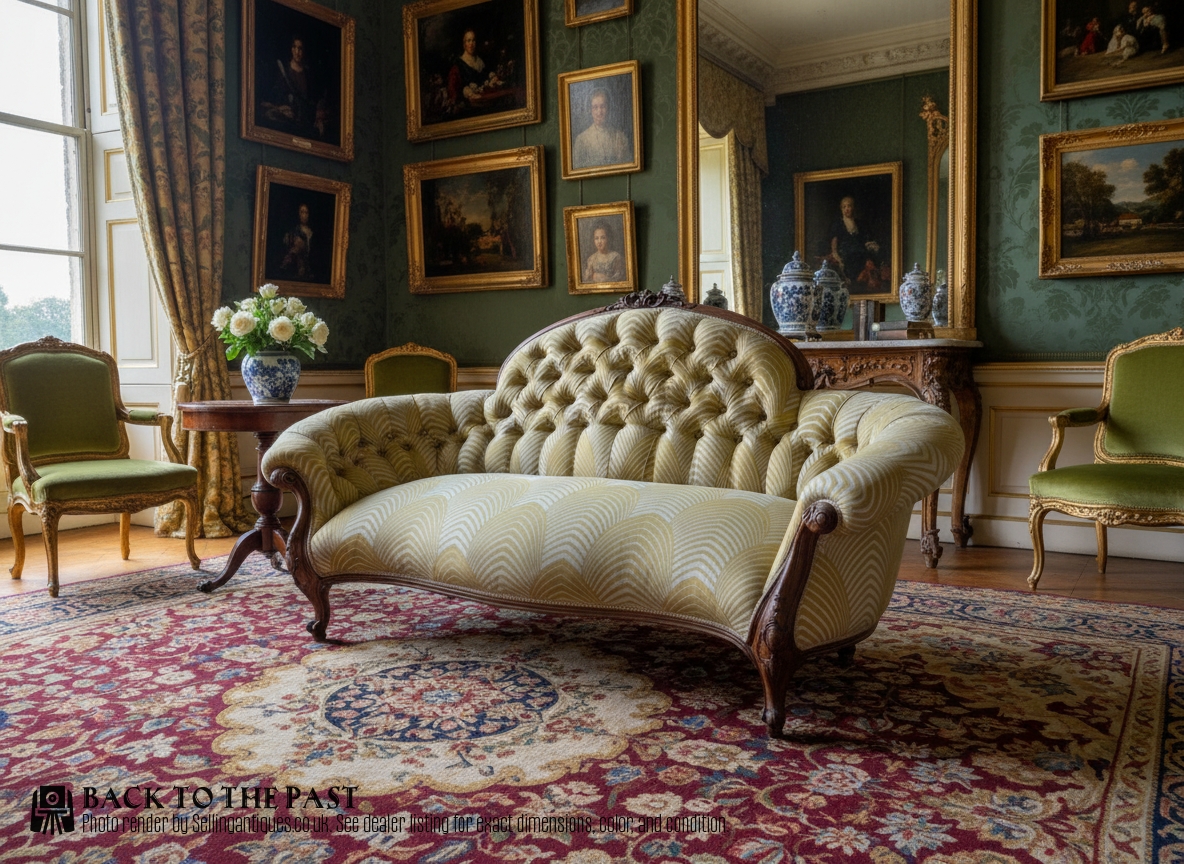
The prevailing styles bridge Victorian, Edwardian, and continental French tastes, notably including Louis XV and Louis XVI revivals alongside Art Nouveau lines. Common structural forms encompass cameo-back frames, double-ended sofas, and giltwood canapés intended for decorative display rather than heavy lounging.
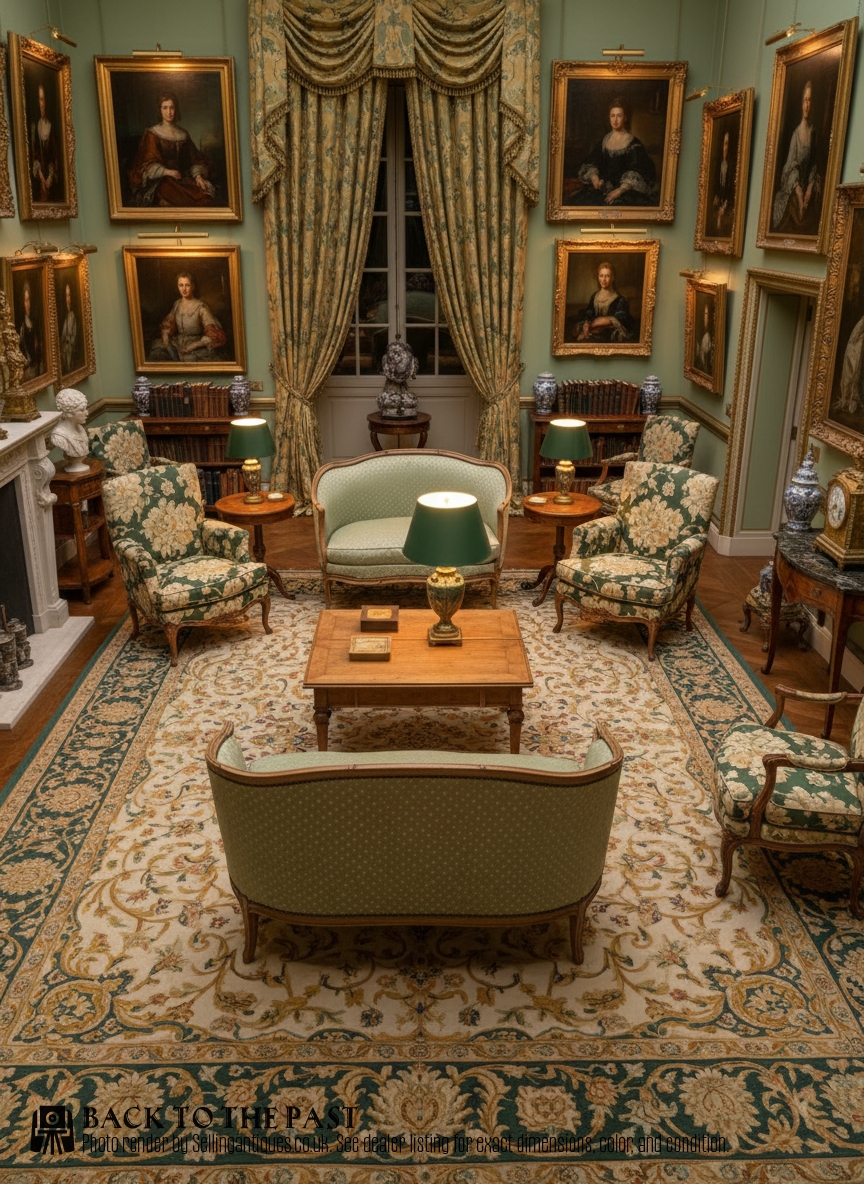
Materials and Construction Techniques
Makers built the structural frames of these settees using dense hardwoods such as mahogany, walnut, and beech, frequently selecting rosewood for finer inlaid models. Carved details, giltwood finishes, and ormolu mounts define continental pieces, while British iterations often display satinwood marquetry and delicate stringing.
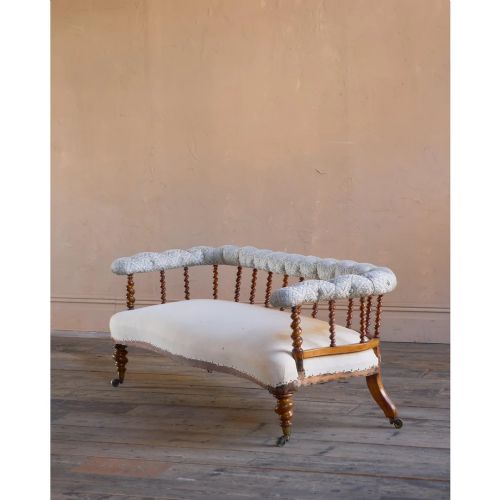
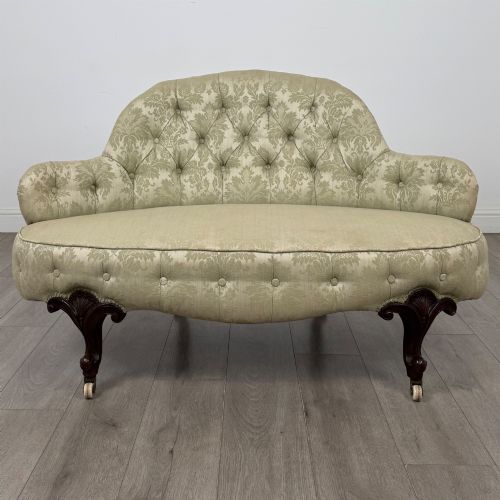
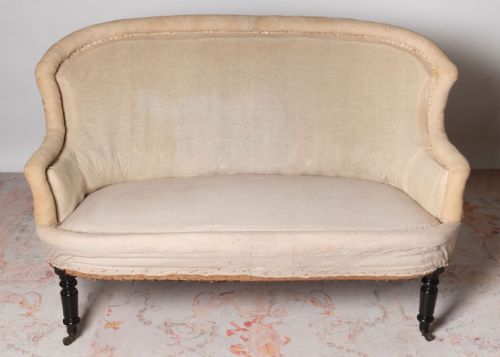
Upholstery techniques range from traditional sprung bases paired with deep-buttoned velvet or brocade to hand-stitched needlepoint and silk fabrics. Frames frequently incorporate elaborate open-carved woodwork, spindle backs, and brass castors to complete the piece.
Antique Salon Sofa Retail Price Guide 2026
Typical asking prices for salon sofa among the pieces listed under this phrase on Sellingantiques today, from the lower quarter to the upper quarter. They describe what is for sale here now, not the wider market.
The inventory shows a strong representation of nineteenth-century Victorian walnut frames and Edwardian inlaid mahogany pieces.
Assessing Craftsmanship and Distinction
Quality in these seating pieces rests upon the crispness of the hand-carved woodwork and the integrity of the underlying timber frame. Finer examples display meticulous marquetry inlay, substantial structural density, and balanced proportions without timber warping.
The grade of the upholstery materials and the retention of original decorative elements further differentiate standard examples from exhibition-grade pieces. Suites that survive intact with matching chairs command greater architectural cohesion than individual settees.
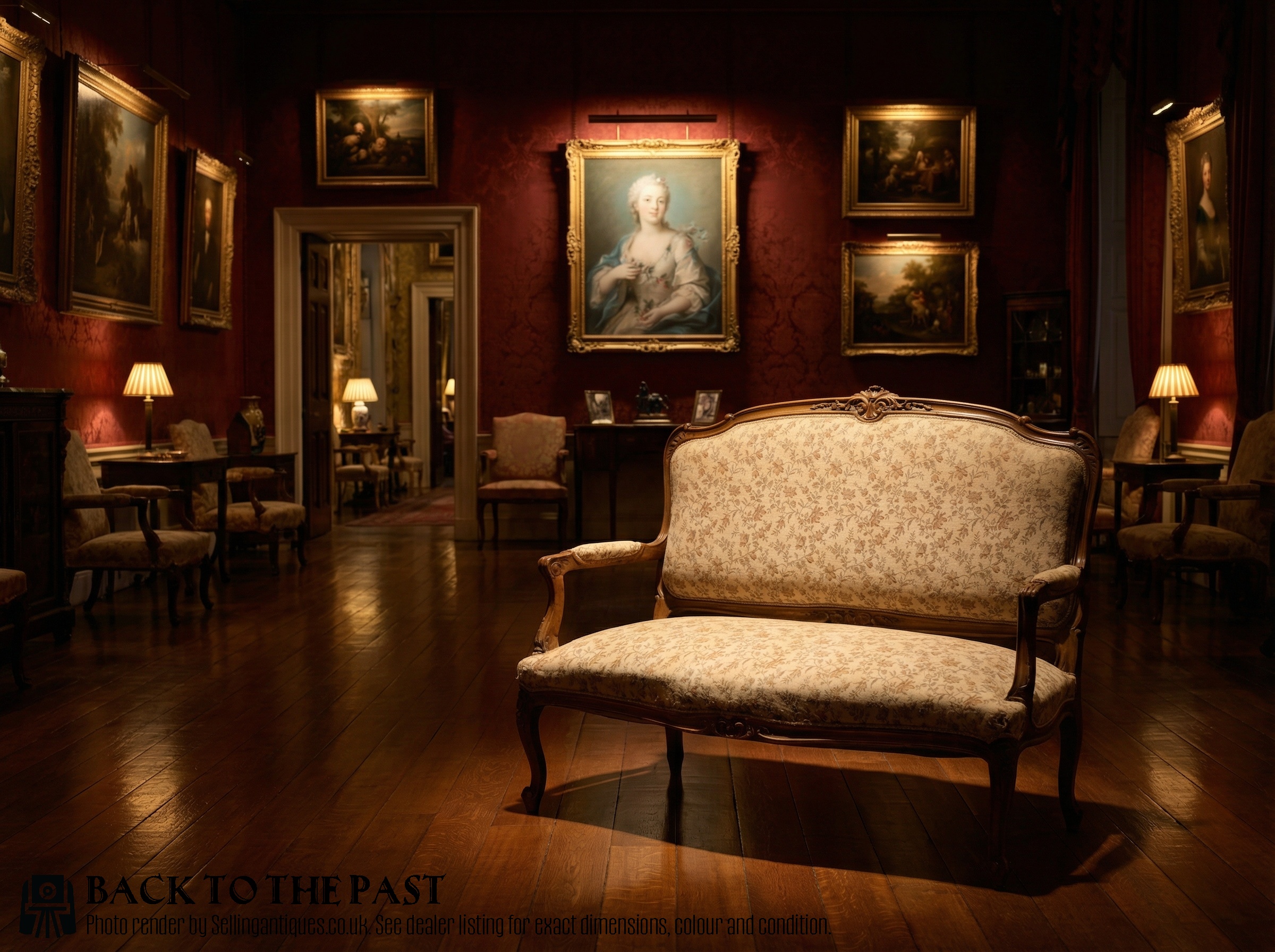
C. Hindley & Sons
The Antique Salon Sofa Glossary
- Canapé
- An upholstered decorative sofa or settee, often built in a French taste with an exposed wooden frame. These pieces typically feature carved cabriole legs and open arms.
- Marquetry
- Decorative inlay work using various tinted wood veneers to create geometric or floral patterns. This technique frequently appears on the flat wooden surfaces of Edwardian and Victorian frames.
- Ormolu
- Gilded bronze mounts applied as decorative ornaments to furniture frames. These metal details are particularly characteristic of French Empire revival pieces.
- Double Ended Sofa
- A settee featuring two raised scroll ends of equal height, allowing a person to recline from either side. They often form part of larger drawing room seating arrangements.
- Cameo Back
- An oval or shield-shaped upholstered backrest framed by carved wood resembling a cameo brooch. This contour is a frequent hallmark of mid-nineteenth-century Victorian seating.
Antique Salon Sofa: Frequently Asked Questions
What is a salon sofa?
A salon sofa is a formal nineteenth or early twentieth century settee created for drawing rooms and reception spaces. They prioritize decorative elegance and refined woodwork over casual lounging comfort.
These pieces typically feature exposed carved wooden frames in walnut or mahogany and often form part of coordinated multi-piece parlour suites.
How do I date an antique sofa?
Dating relies on examining the combination of timber, carving styles, and upholstery foundations. Victorian pieces often use heavy carved walnut or mahogany with deep buttoning, while Edwardian versions frequently showcase lighter inlaid mahogany and satinwood.
French revival models incorporate specific historical idioms like Louis XV curves or Empire ormolu mounts that correspond to nineteenth-century manufacturing periods.
Are salon sofas comfortable for daily use?
Salon sofas were originally manufactured for formal entertaining and conversation rather than relaxed television viewing. Their upright backs and rigid structural frames offer firm support rather than deep sink-in comfort.
Many surviving pieces retain traditional sprung bases or have undergone professional reupholstery to improve daily usability while preserving historical frames.