

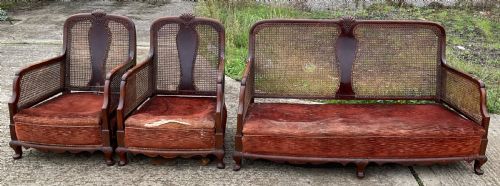
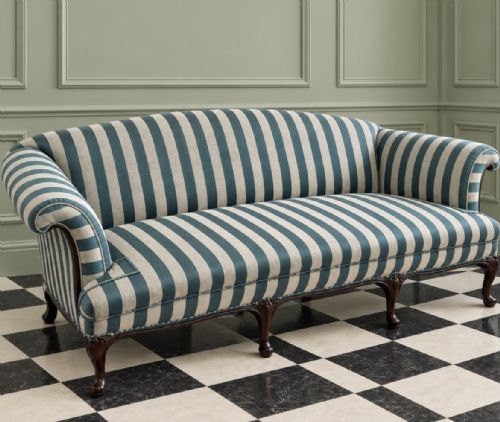
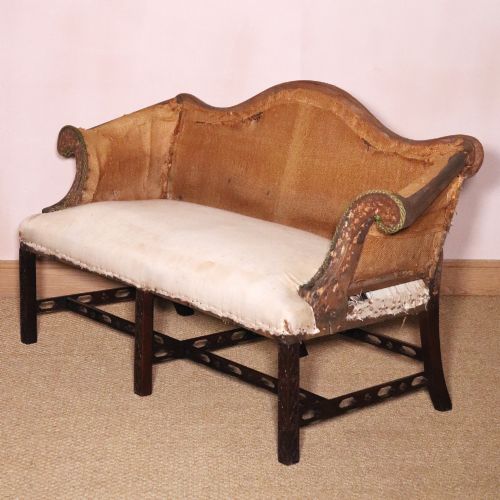
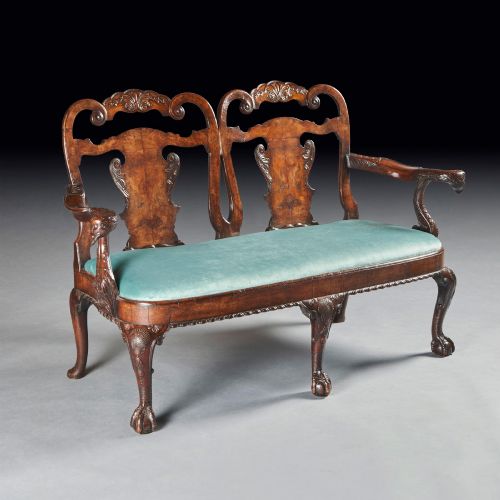


Georgian Style Settee
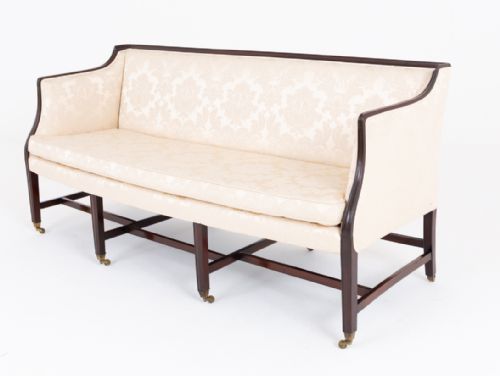
A georgian style settee brings timeless proportion and carved timber elegance to a room, offering both formal presence and deep seating comfort.
Georgian Style Settee
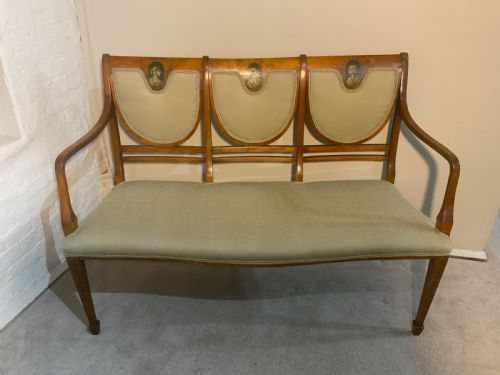
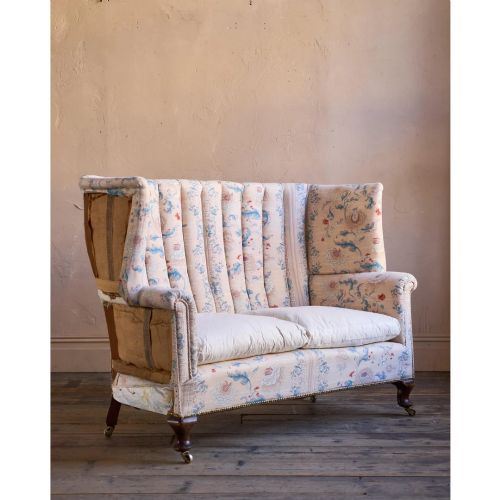
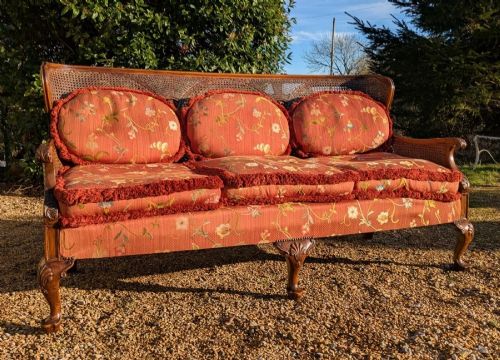
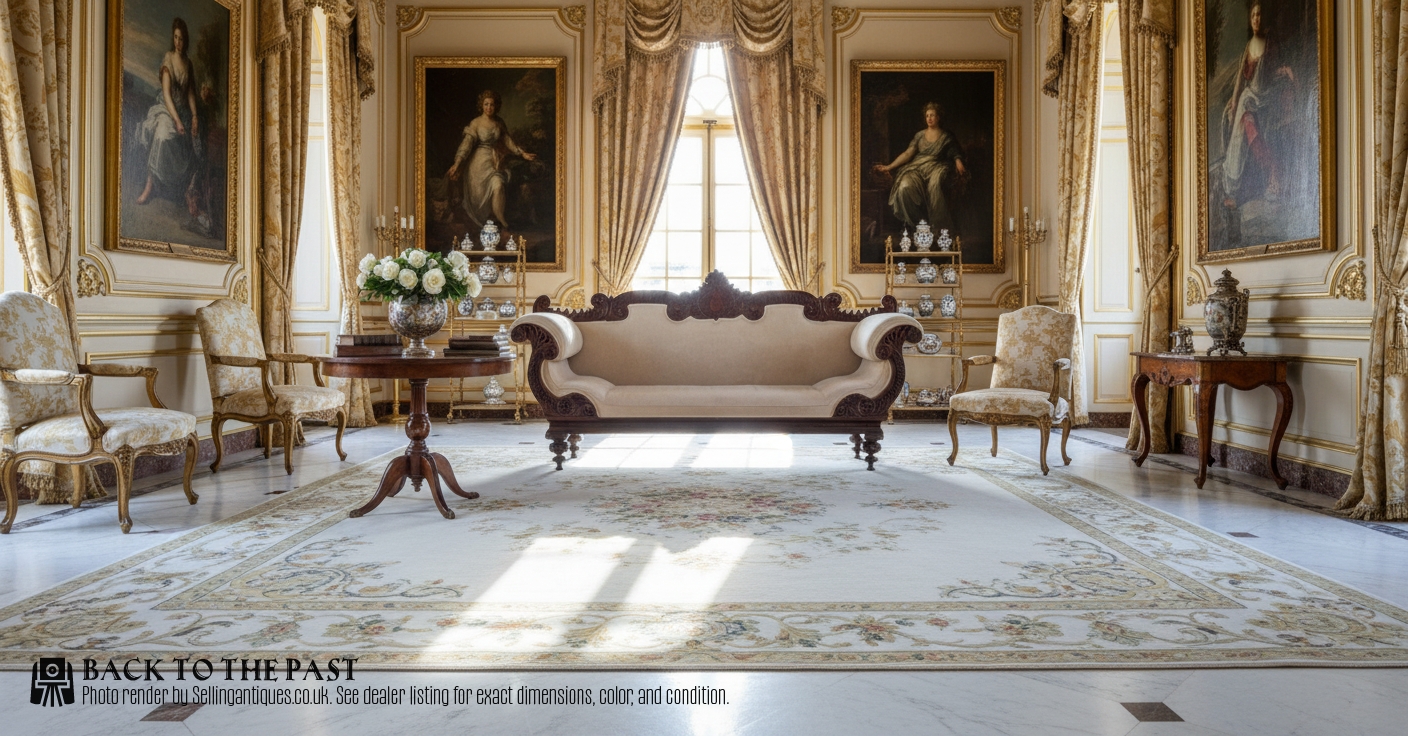
A georgian style settee represents a seating form rooted in the eighteenth century, spanning camel backs, chair backs, and wing backs executed in mahogany, walnut, and satinwood. Buyers encounter period pieces alongside later revivals from the nineteenth and early twentieth centuries, capturing the enduring influence of cabinetmakers like Chippendale and Hepplewhite.
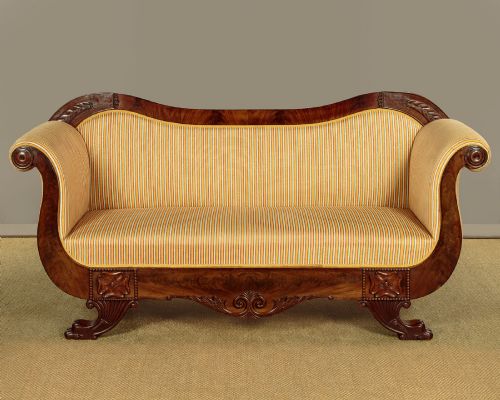
The silhouettes vary from serpentine fronts and twin or triple chair backs to scroll end couches and spacious multi-seater sofas. These pieces draw on historical designs, utilising stylistic markers such as shield backs, cabriole legs, and carved mahogany frames to create a commanding centrepiece for reception rooms.
Materials and construction methods
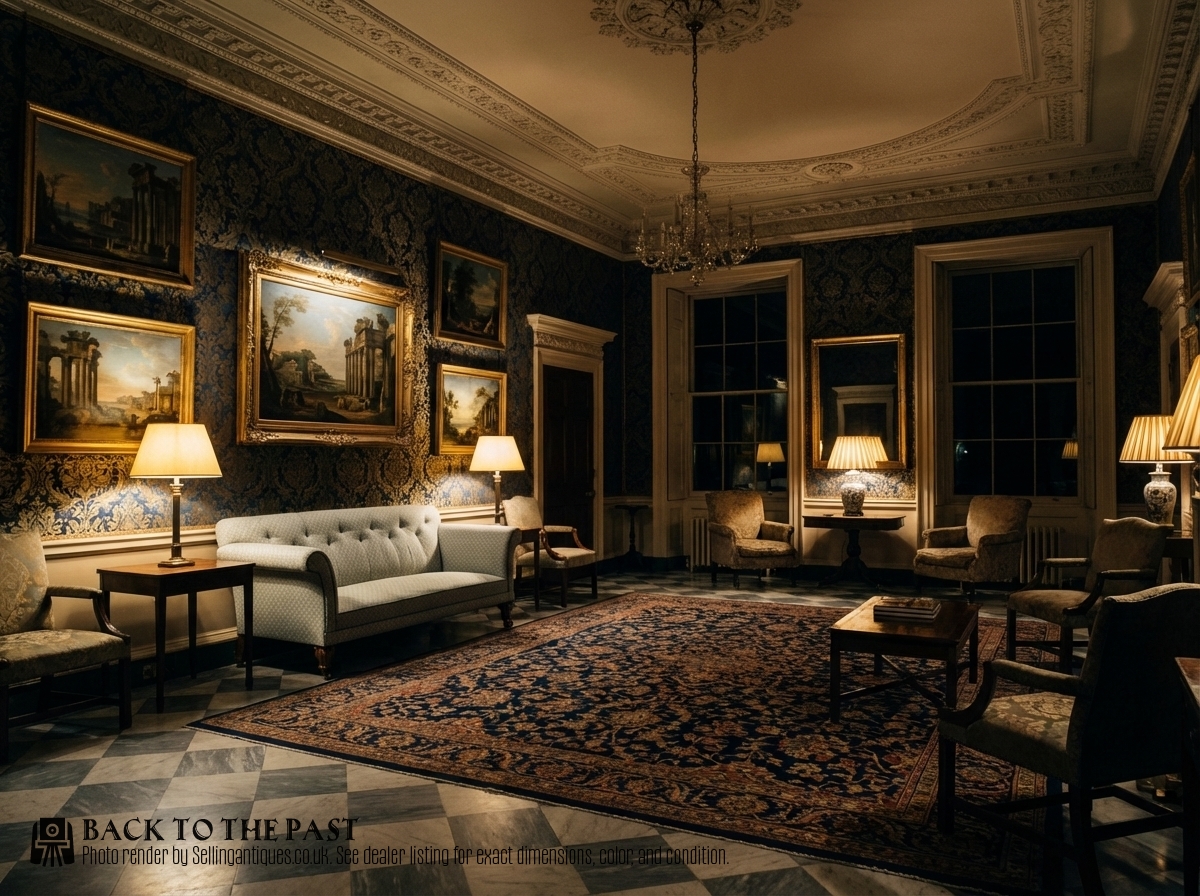
Cabinetmakers constructed the primary frames of a georgian style settee from dense timbers like mahogany and walnut, occasionally incorporating satinwood for delicate inlay work or giltwood for high-status gilding. These structural woods provided the stability needed for elaborate carved details such as lion mask hairy paw feet or intricate interlaced chair backs.
Upholstery techniques combined traditional stuffing with textiles including damask, velvet, fabric, and leather, secured over sprung or feather cushion foundations. Skilled hands shaped the serpentine fronts, camel backs, and wing backs to balance rigid timber frames with supportive, yielding seating.
Georgian Style Settee Retail Price Guide 2026
Typical asking prices for georgian style settee among the pieces listed under this phrase on Sellingantiques today, from the lower quarter to the upper quarter. They describe what is for sale here now, not the wider market.
Listings span the eighteenth to the twentieth centuries, uniting eighteenth-century designs with nineteenth-century walnut and mahogany interpretations.
Assessing craftsmanship and finish
The distinction between standard examples and exceptional pieces lies in the crispness of the timber carving and the fidelity of the period proportions. Superior execution shows in deeply chiselled details on mahogany frames, seamless joinery on multi-chair backs, and well-balanced serpentine curves that maintain visual harmony from every angle.
Material selection and upholstery finish further define the tier of a piece, from simple show-wood frames to gilded surfaces or finely inlaid satinwood veneers. The integration of high-grade textiles and traditional stuffing methods ensures the seating maintains both its structural integrity and its historical character.
Giles Grendey·Butlers of Dublin
The Georgian Style Settee Glossary
- Camel back
- A serpentine wooden frame profile where the top rail curves upwards in a smooth, continuous arch resembling a camel's hump. This upholstery rail design became a hallmark of eighteenth-century seating elegance.
- Chair back settee
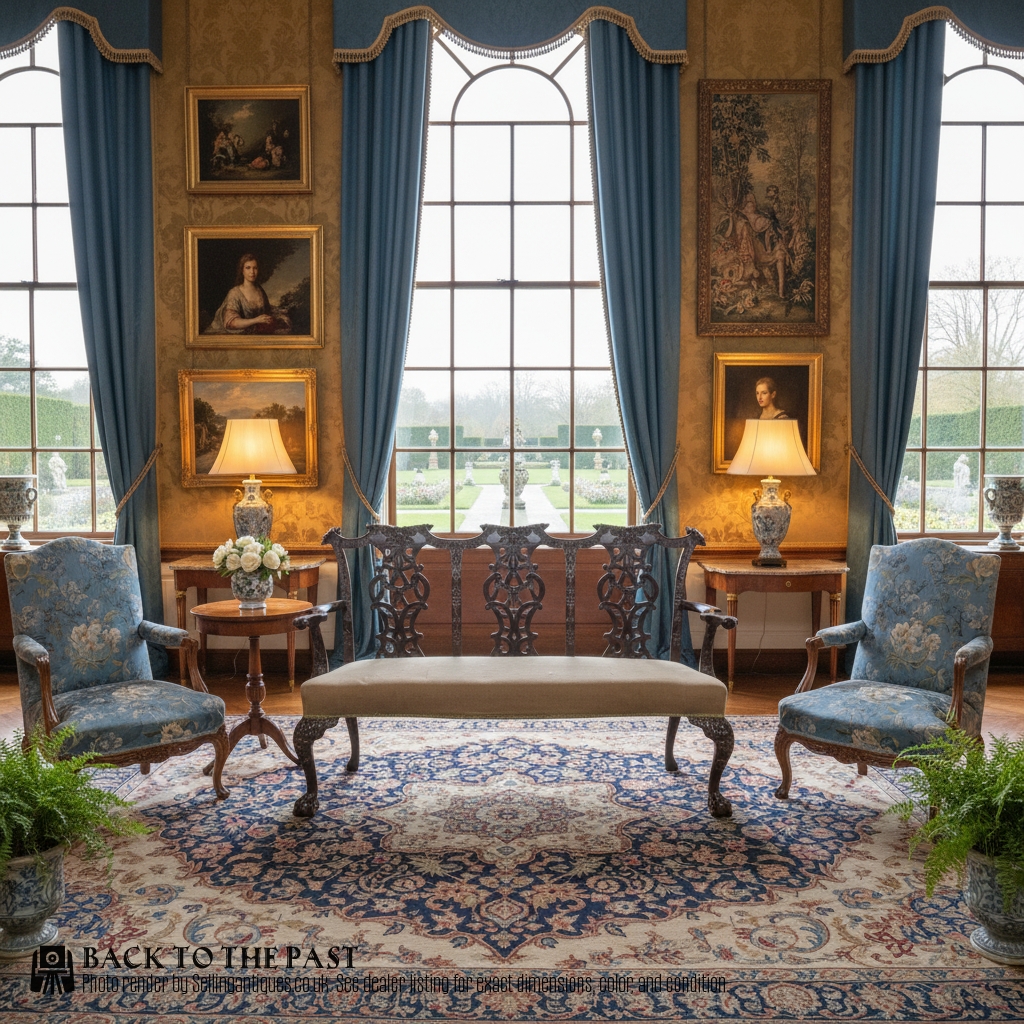
- A seating form featuring two, three, or four conjoined chair frames integrated into a single wide backrest. These openwork wooden backs often display intricate splats inspired by Chippendale or Hepplewhite designs.
- Serpentine
- A sweeping furniture line that curves inward at the centre and outward at the ends, creating an undulating front rail or backrest. It adds visual rhythm and softness to heavy timber forms.
- Giltwood
- Timber coated with a thin layer of gold leaf or gesso, applied to carved decorative surfaces. This finish denotes high status and appears on elaborate revival or period frames.
- Scroll end
- An arm or terminal that rolls tightly inward in a spiral motion, frequently seen on Regency and nineteenth-century daybeds and couches. It provides a distinct classical profile reminiscent of ancient Roman furniture.
Georgian Style Settee: Frequently Asked Questions
How do I identify a period settee from a later revival?
Distinguishing original pieces from later revivals requires examining timber ageing, construction joints, and tool marks hidden beneath the frame. Eighteenth-century examples display hand-cut joinery and timber patination accrued over generations of use.
Later copies from the nineteenth and twentieth centuries often utilise machine-sawn elements and uniform wood grain, even when faithfully copying Chippendale or Hepplewhite proportions.
Where should I place a settee in my home?
A georgian style settee suits formal reception rooms, libraries, or spacious hallways where its carved timber frame and generous proportions remain visible from multiple angles. Their long, elegant profiles work particularly well against plain walls or floating within large seating arrangements.
Avoid placing delicate satinwood or giltwood pieces in direct sunlight to protect the timber finishes and sensitive upholstery fabrics like damask or velvet from fading.
How should I care for upholstered antique seating?
Protect antique upholstery by vacuuming fabrics gently with a soft brush attachment and keeping pieces away from direct heat sources that dry out internal stuffings. Professional textile cleaning preserves delicate damask, velvet, and leather without damaging the underlying structure.
Inspect the visible timber frame periodically, applying appropriate wax feeds to mahogany or walnut surfaces to maintain their natural lustre.