

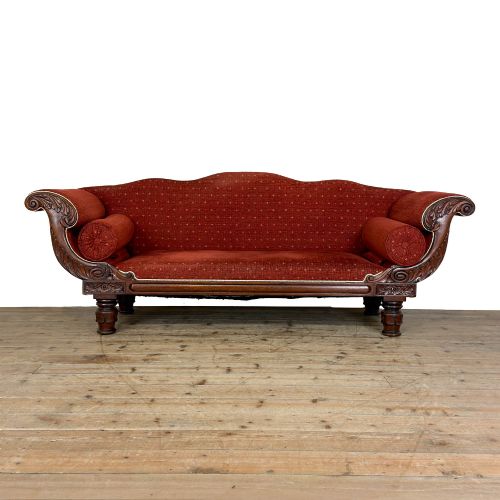
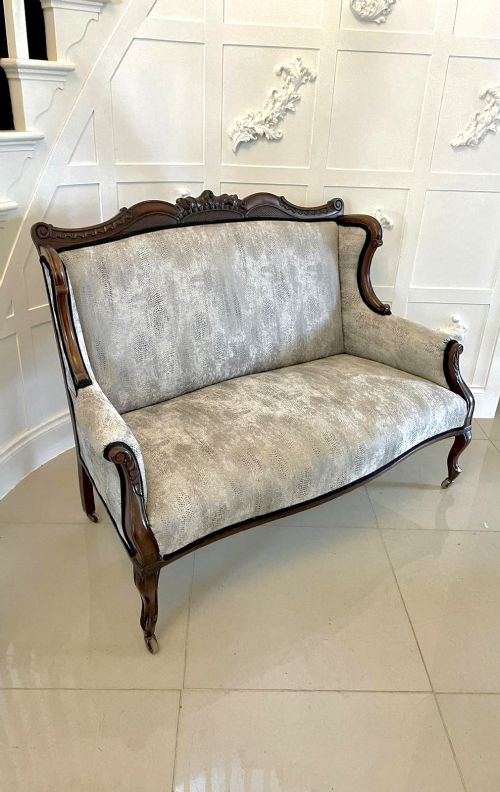
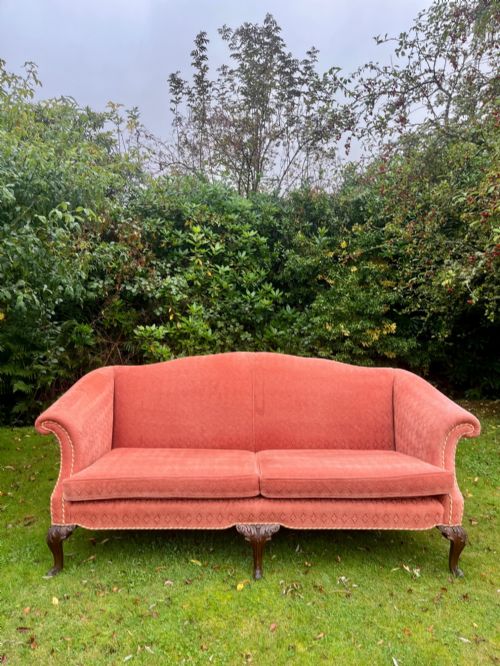
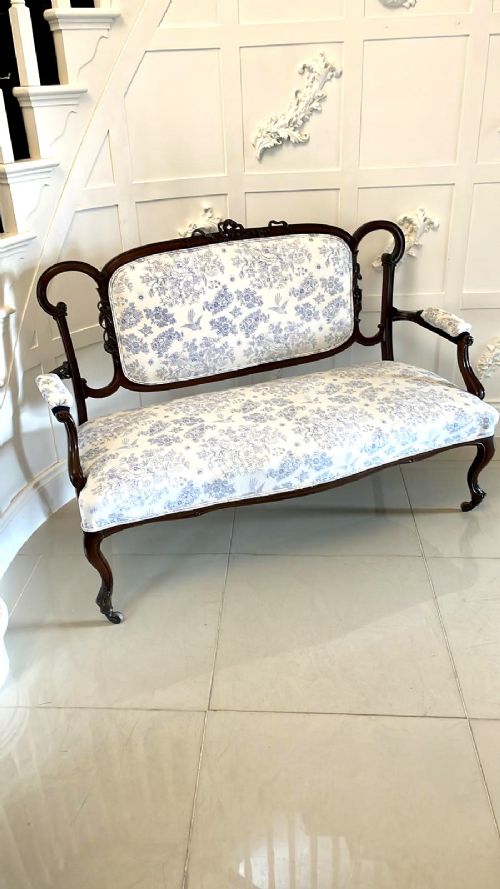
Carved Mahogany Couch
A carved mahogany couch is a substantial timber-framed seat built to anchor a formal interior, offering deep comfort combined with robust cabinetmaker framing.
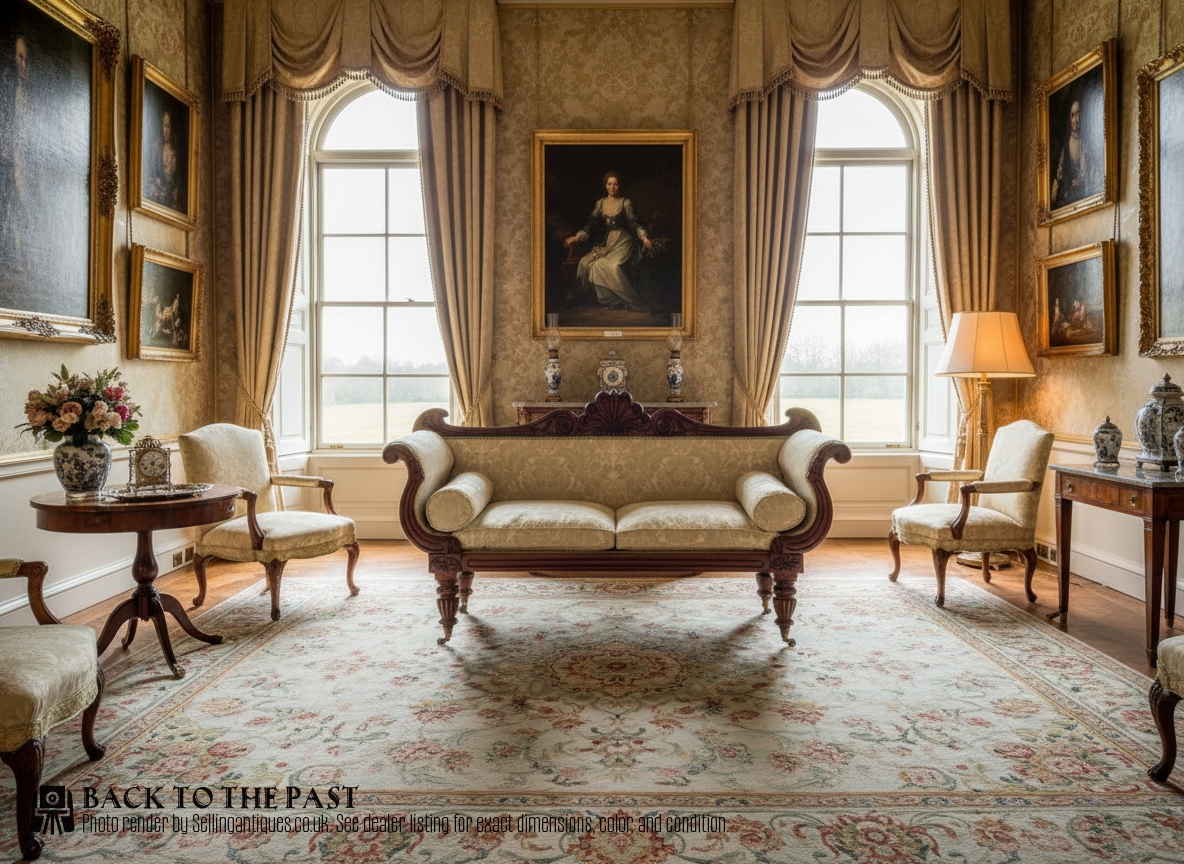
Carved Mahogany Couch
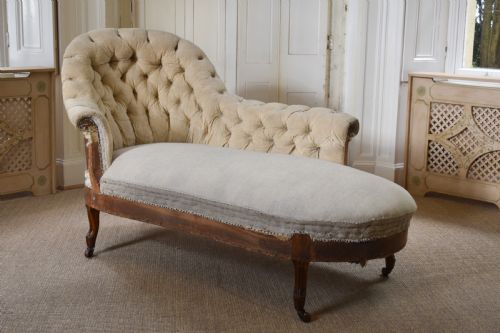
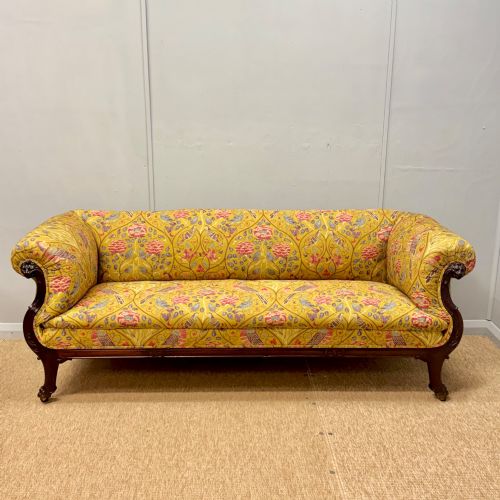
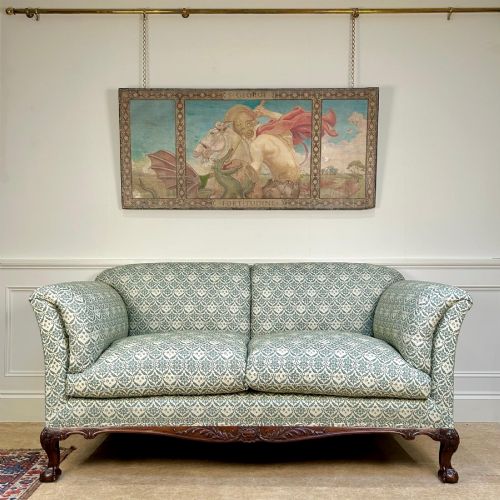
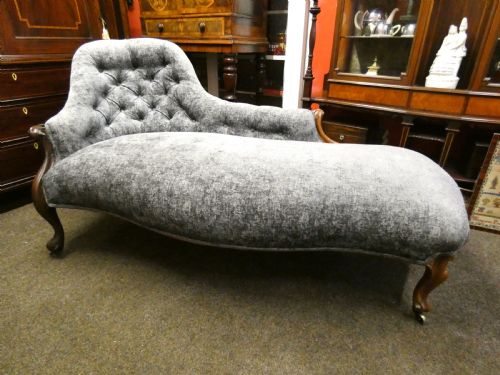
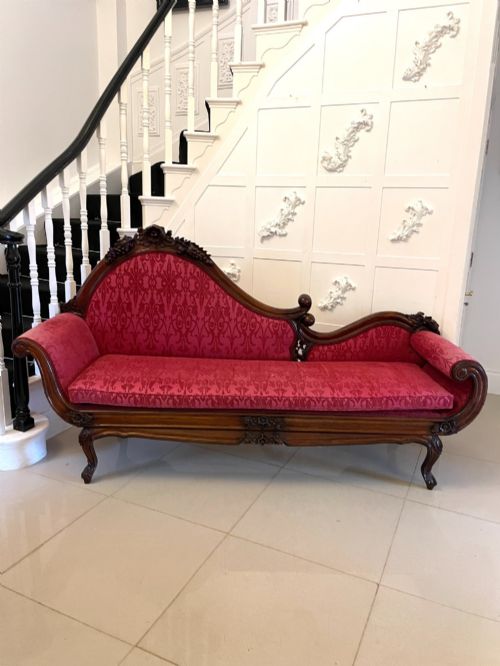
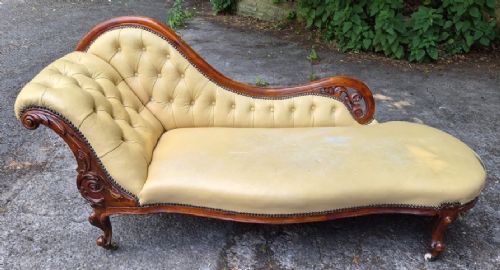
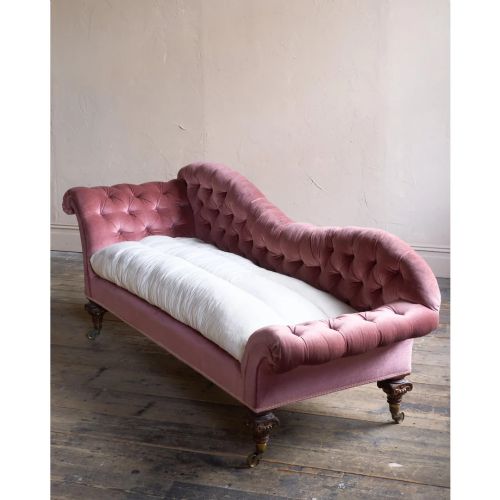
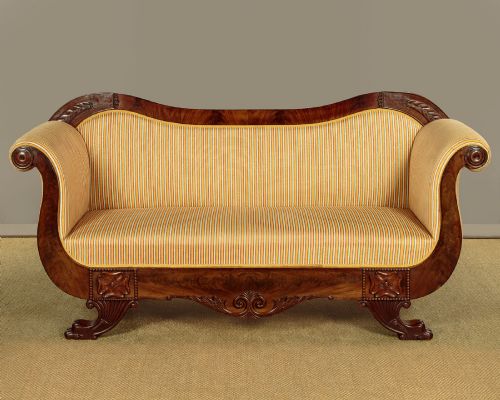
A carved mahogany couch encompasses diverse nineteenth-century seating forms, from scroll-end daybeds and chaise longues to deep buttoned settees. The pieces appearing most frequently on this page belong to the Victorian and Regency periods, utilising solid mahogany frames shaped with ornamental carved details.
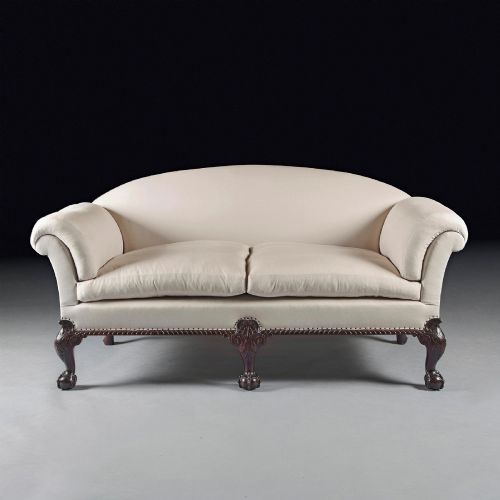
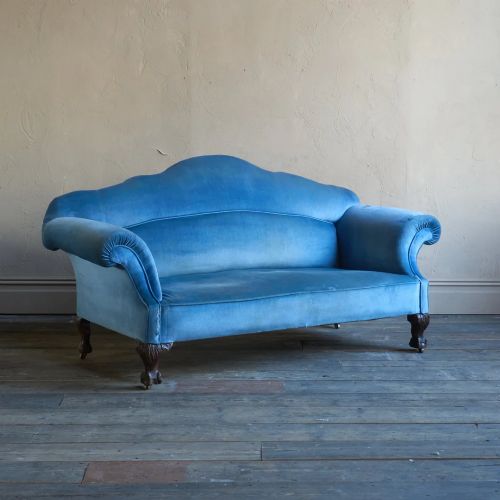
Makers designed these items for principal reception rooms, employing generous proportions and upholstered seats. Buyers encounter various related forms including double-ended sofas, camelback settees, and asymmetric daybeds intended for reclining.
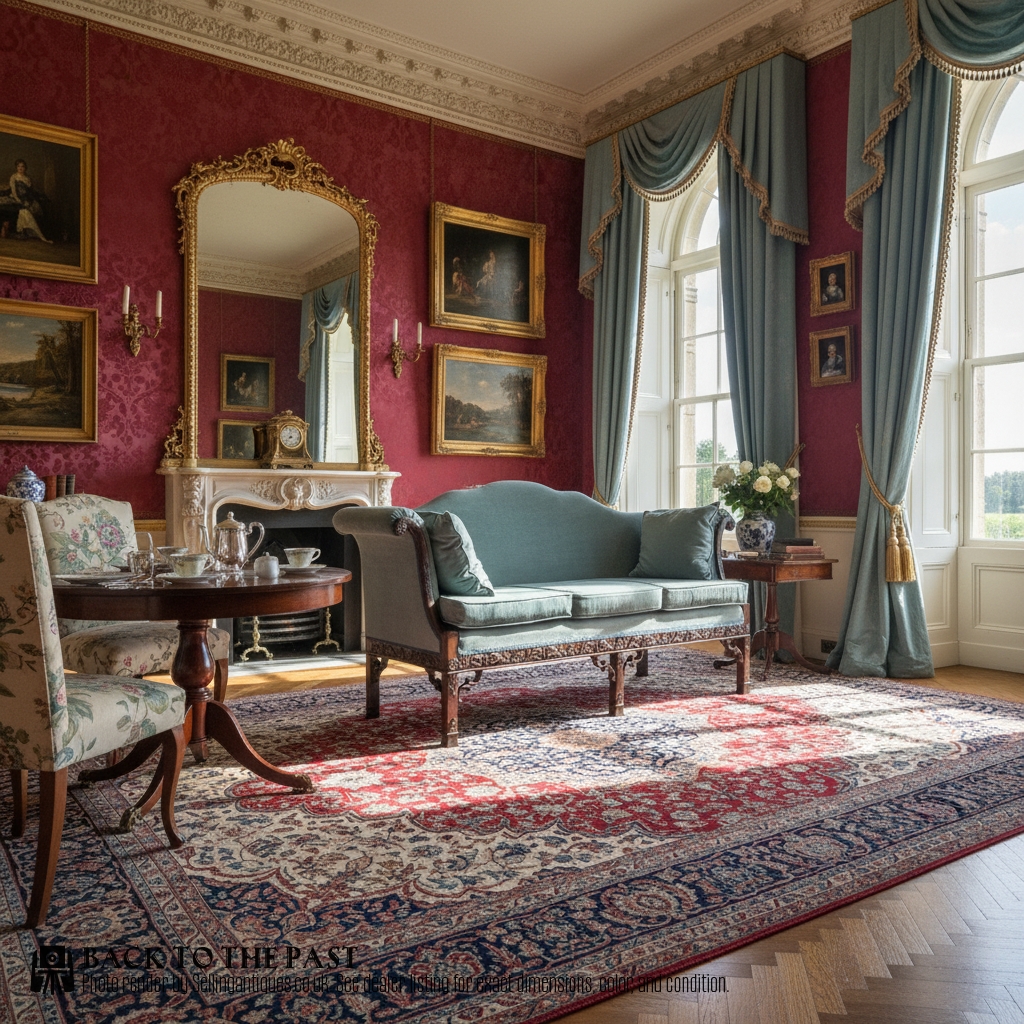
Materials and construction methods
Carpenters constructed the primary structural chassis using dense mahogany timber, which accepted sharp chisel work for foliate scrolls, ball and claw feet, and moulded rails. This durable hardwood provided the structural integrity required to support heavy sprung interiors and timber frames without twisting.
Traditional upholstery techniques involved webbed foundations, horsehair stuffing, and sprung bases, finished with top covers of leather, damask, velvet, or woven fabric secured by brass tacks. Joinery relied on mortise and tenon joints concealed beneath the decorative woodwork and upholstery.
Carved Mahogany Couch Retail Price Guide 2026
Typical asking prices for carved mahogany couch among the pieces listed under this phrase on Sellingantiques today, from the lower quarter to the upper quarter. They describe what is for sale here now, not the wider market.
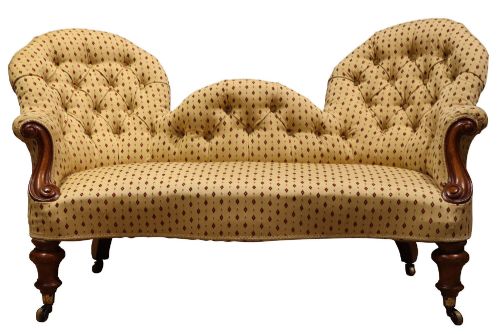
Several items include double spoon-back designs, offering two distinct oval headrests for sociable Victorian conversation without losing proper posture.
Judging the range of quality
Quality differences emerge in the crispness of the hand-carved ornament and the selection of figured mahogany timber for the show wood. Superior examples display deeply undercut foliage, balanced proportions, and robust joinery that remains rigid through decades of use.
The secondary material standard, such as the weight of the internal springs and the grade of the original leather or damask covering, distinguishes standard production from exceptional country house commissions. Finer items integrate structural framing that seamlessly conceals internal ironwork or secondary timbers.
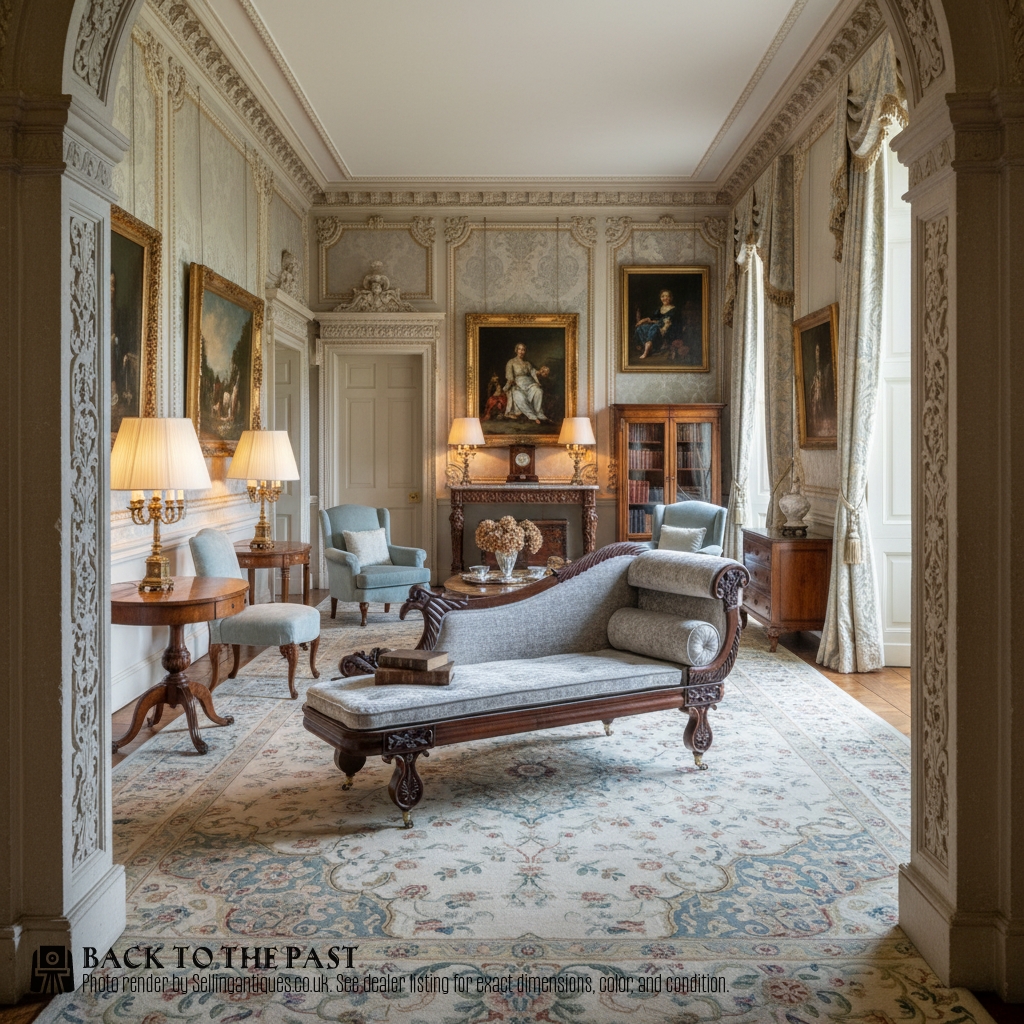
Howard and Sons
The Carved Mahogany Couch Glossary
- Chaise longue
- An upholstered couch with one raised end, designed for reclining in domestic parlors and drawing rooms. This form evolved through the nineteenth century with varying backrest configurations.
- Scroll end
- A sweeping wooden arm or terminal shaped into a tight spiral scroll, characteristic of Regency and William IV furniture. The curve mirrors classical architectural motifs.
- Spoon-back
- An oval or concave upholstered backrest shaped to mimic the bowl of a spoon, seen frequently on Victorian seating. This ergonomic contour supports the sitter's spine.
- Bergere
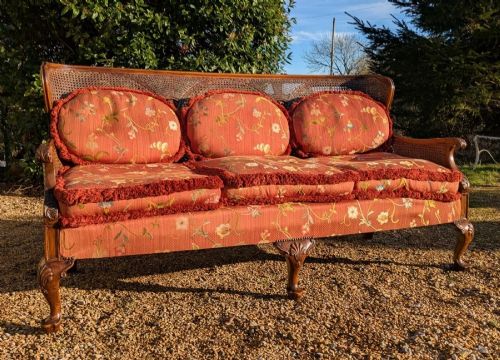
- An enclosed armchair or sofa featuring woven cane panels on the sides or back. The wooden frame surrounds the woven sections to provide lighter visual weight.
- Ball and claw
- A furniture foot carved to resemble a bird's talon clutching a spherical ball. Cabinetmakers favored this motif on eighteenth-century revival legs.
Carved Mahogany Couch: Frequently Asked Questions
How do I clean mahogany wood frames?
Dust timber surfaces regularly with a soft, dry cloth to prevent dirt accumulation in the carved crevices. Apply a quality beeswax periodically to nourish the grain without leaving sticky residue.
Avoid using modern silicone sprays or household multi-surface cleaners, which penetrate porous finishes and soften antique varnish over time. Work gently around delicate carved elements to prevent snagging old wood.
Are these couches suitable for daily sitting?
Original period seating handles daily domestic use provided the internal webbing and springs remain structurally sound. Many pieces retain or have received professional reupholstery using supportive traditional materials.
Heavier frames easily accommodate modern sitting habits, though delicate show wood requires care against bumps from vacuum cleaners or heavy objects. Check that joints feel solid before placing the seating in high-traffic rooms.
How do I distinguish Regency from Victorian pieces?
Regency items exhibit restrained classical lines, often featuring brass inlay, reeded legs, and scroll ends inspired by Greek and Roman antiquities. The timber frequently displays a warm, rich tone with minimal surface carving.
Victorian pieces introduce heavier proportions, exuberant floral carvings, button-tufted upholstery, and darker finishes. Designers during the mid to late nineteenth century favored complex silhouettes and revival styles such as Rococo and Chippendale.
What kind of fabric is authentic?
Period upholstery historically utilised horsehair damask, heavy wool reps, silk velvets, or stamped leather depending on the room's status. Country house interiors often featured durable woven textiles designed to withstand heavy wear.
When replacing worn fabric, choose traditional textures like plain leather or subtle damask to preserve the visual balance of the timber frame. Avoid overly synthetic modern prints that clash with nineteenth-century cabinetwork.