

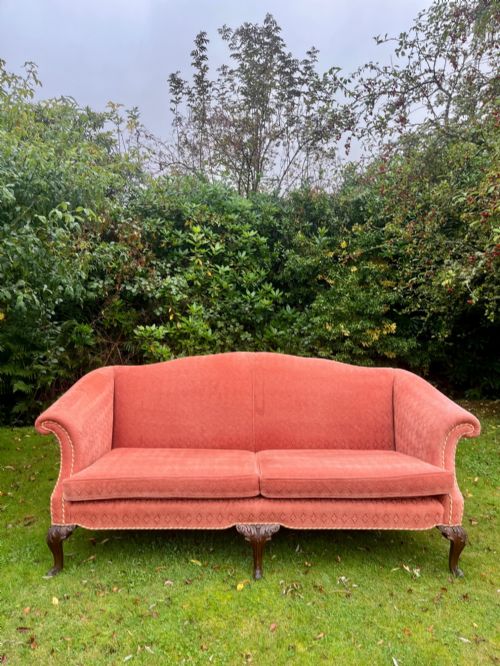

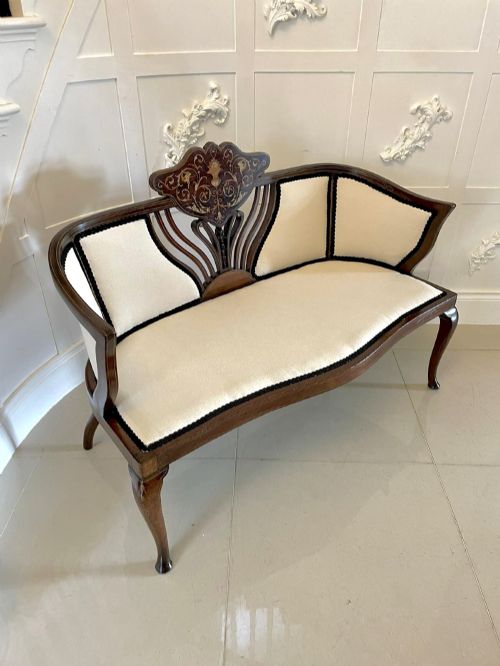
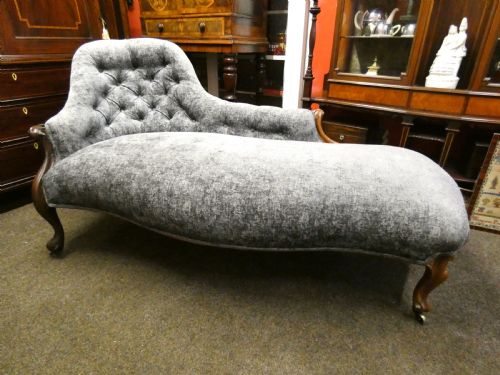
Mahogany Upholstered Sofa
A mahogany upholstered sofa brings solid timber framing and traditional textiles together, offering timeless comfort for a classic interior scheme.
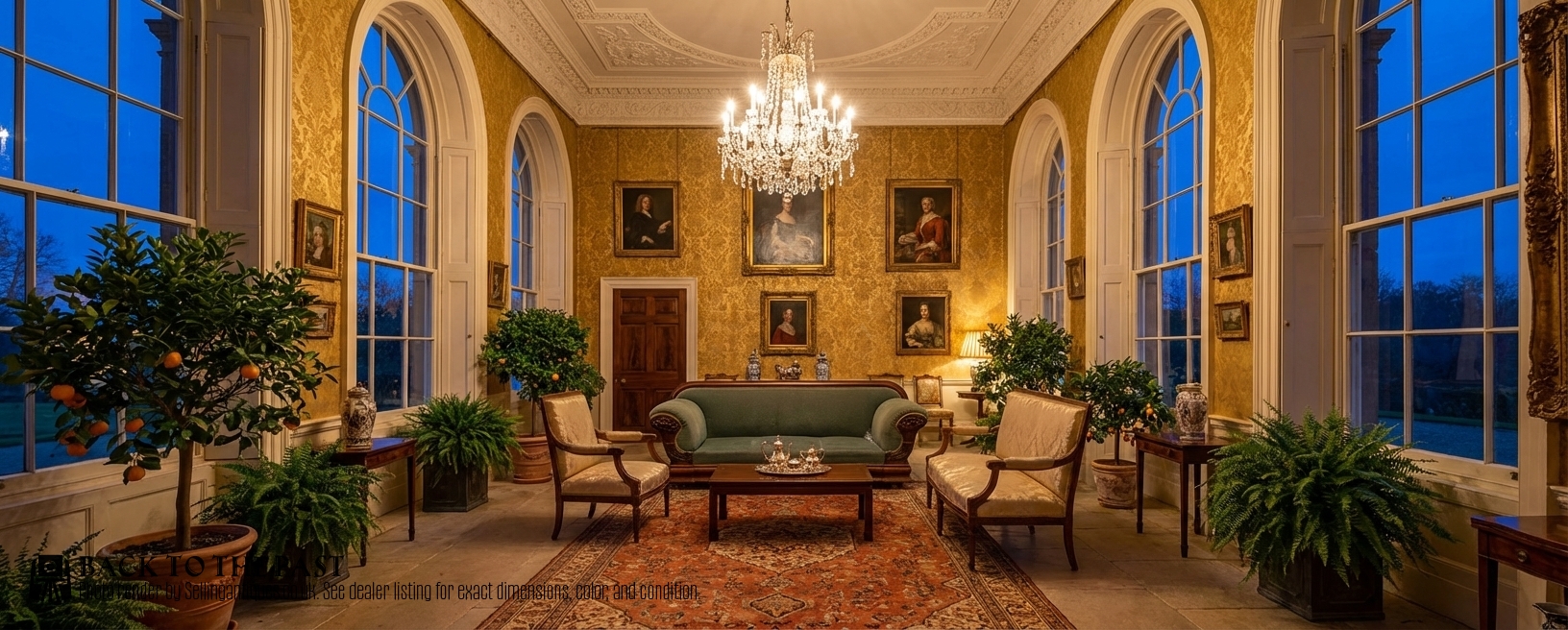
Mahogany Upholstered Sofa
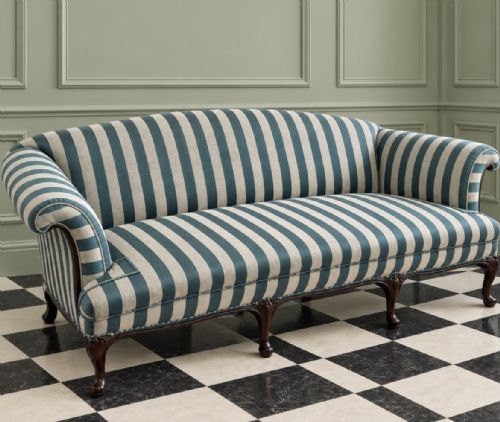
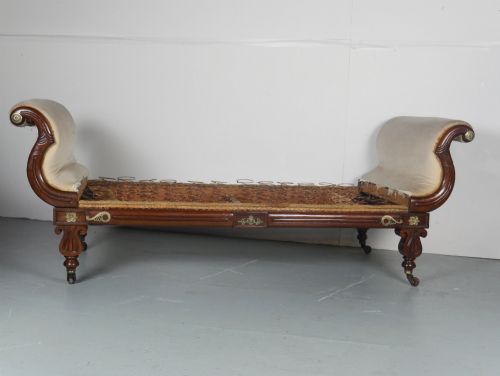
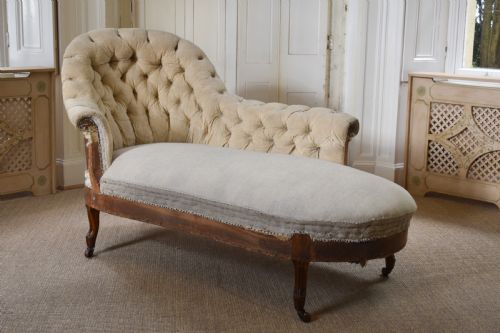
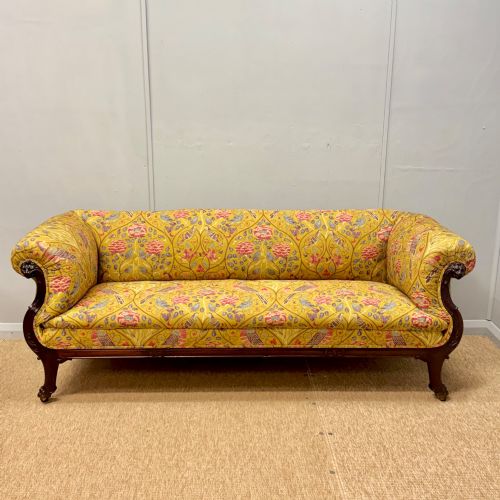
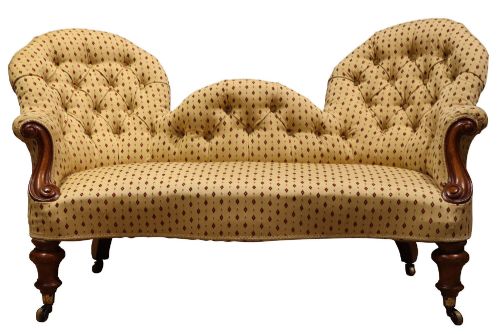
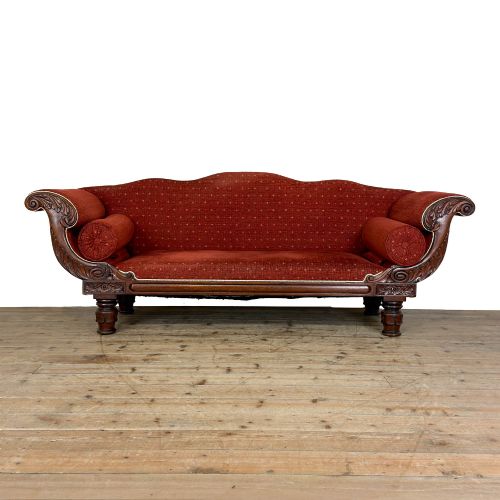
A mahogany upholstered sofa encompasses a wide range of antique seating forms, spanning the Georgian, Regency, Victorian, and Edwardian periods. Buyers encounter everything from formal double-ended couches and scroll-end settees to asymmetric chaise longues and deep-buttoned Chesterfields.
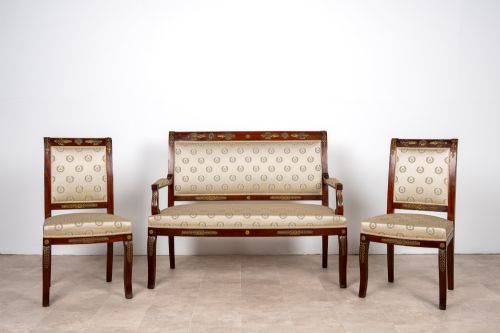
The material foundation rests on solid mahogany timber frames, frequently paired with decorative satinwood inlay, carved details, or turned legs. These pieces originate from domestic parlours, country house drawing rooms, and salon suites designed for formal entertaining.
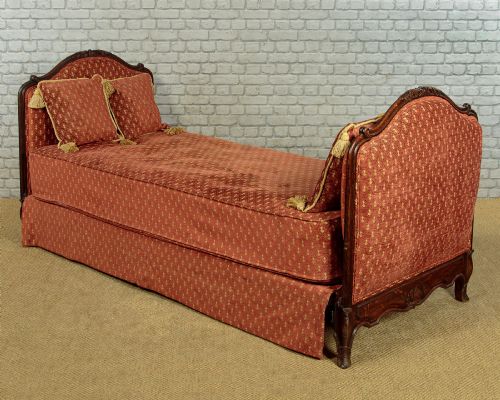
Victorian and Edwardian iterations dominate the selection, offering two-seater options alongside daybeds and multi-piece salon suites. Each form reflects the evolving domestic comfort and stylistic revivals of the nineteenth and early twentieth centuries.
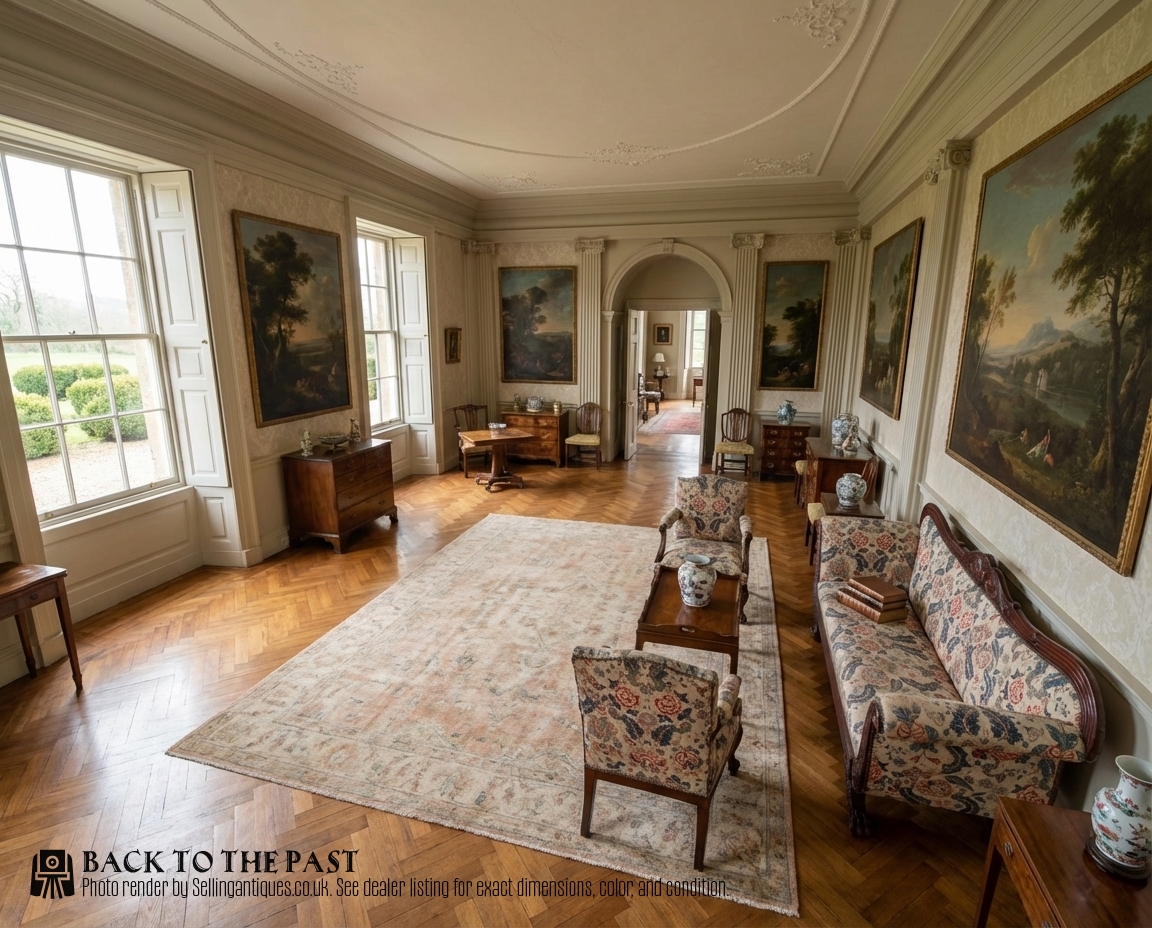
Materials and Construction Techniques
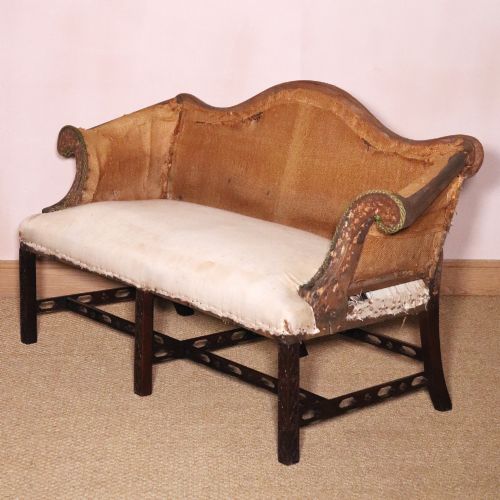
Cabinet makers utilised dense tropical mahogany for the exposed show frames and structural legs, occasionally incorporating brass castors for mobility. Frames were joined using traditional cabinet-making methods to ensure the structural integrity required for heavy upholstered seating.
Upholstery techniques evolved from traditional horsehair stuffing and hessian foundations to complex sprung settees and deep-pile brocade or velvet coverings. Finer pieces incorporated decorative elements such as brass nail-trim, silk damask, and delicate marquetry inlay on the timber rails.
Mahogany Upholstered Sofa Retail Price Guide 2026
Typical asking prices for mahogany upholstered sofa among the pieces listed under this phrase on Sellingantiques today, from the lower quarter to the upper quarter. They describe what is for sale here now, not the wider market.
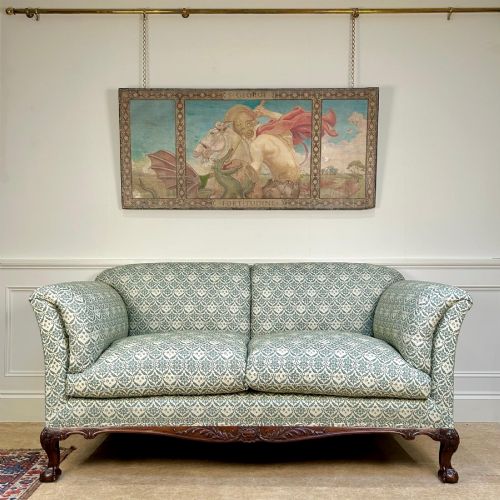
Several pieces include ball and claw feet, giving these stationary Victorian sofas a distinct impression they might walk away.
Determinants of Quality
The distinction between standard and exceptional pieces lies in the crispness of the timber carving and the architectural proportions of the mahogany frame. Workshops known for superior output achieved balance in scroll ends, serpentine backs, and turned legs without clumsy joinery.
Quality also rests on the preservation of original show-frame timber and the fidelity of subsequent re-upholstery to historical precedent. Finer examples retain integrated details like brass and claw feet, intricate satinwood stringing, or documented maker attributions.
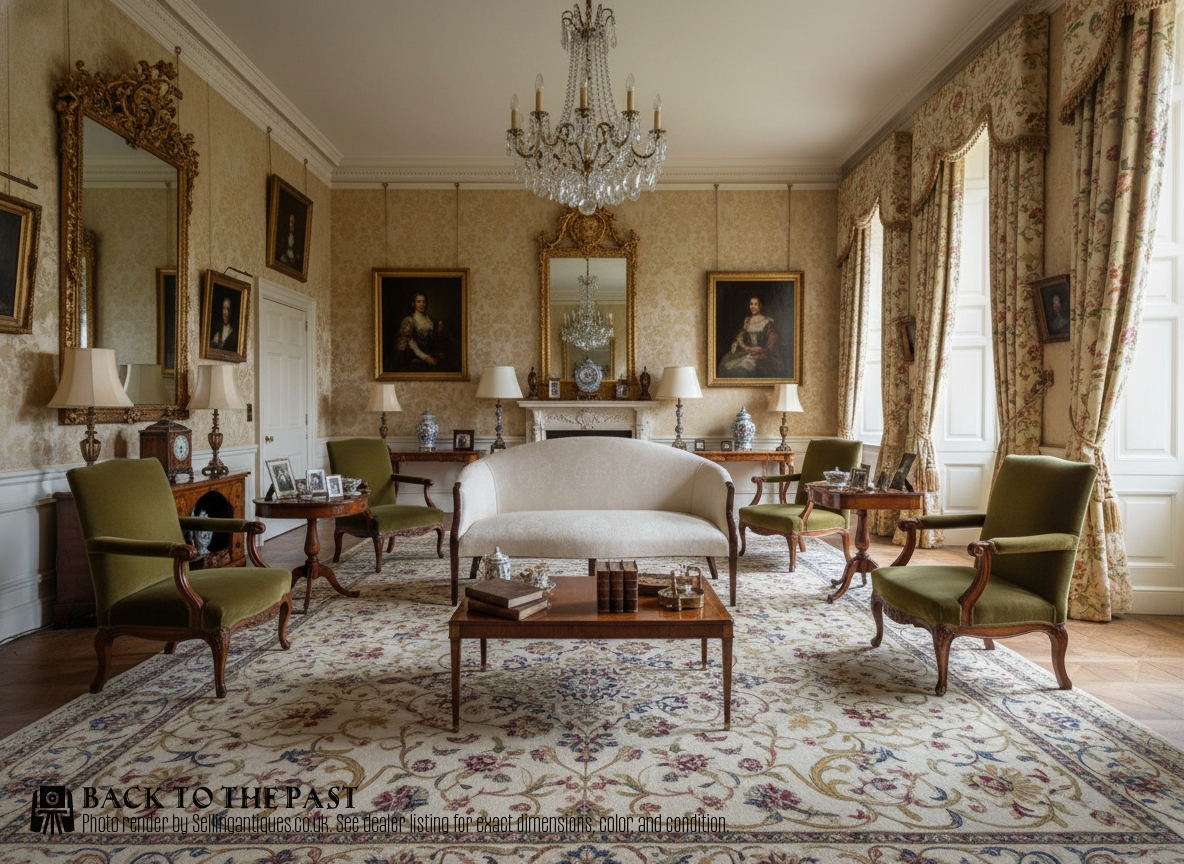
Howard and Sons·C. Hindley and Sons·Holland and Sons·Hampton and Sons
The Mahogany Upholstered Sofa Glossary
- Chaise Longue
- An upholstered couch-like seat with one raised end, designed for reclining. These pieces often feature carved mahogany show frames and originated as day beds for elite interiors.
- Chesterfield
- A large upholstered sofa characterised by deep button-tufting and rolled arms of equal height. Originating in the nineteenth century, these pieces combine sprung bases with durable fabric or leather covers.
- Scroll End
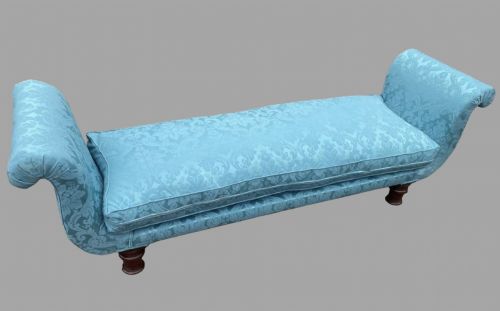
- A sweeping, upward-curving wooden or upholstered terminal found at the ends of Regency and Victorian sofas. This classic profile mimics classical furniture forms revived during the nineteenth century.
- Show Frame
- The exposed wooden structural skeleton of an upholstered sofa or settee. Master craftsmen carved and polished these visible mahogany elements to display the grain and decorative style.
- Satinwood Inlay
- Contrasting light-coloured timber veneers inserted into geometric or floral channels within the dark mahogany surface. This decorative technique defines the refined aesthetic of Edwardian and late Victorian pieces.
Mahogany Upholstered Sofa: Frequently Asked Questions
How do I date a mahogany upholstered sofa?
Dating relies heavily on the stylistic clues of the mahogany frame, such as Regency scroll ends or Edwardian inlaid satinwood decoration. The underlying construction methods, from early webbing to later sprung bases, also offer reliable chronological markers.
Changes in upholstery textiles over subsequent restorations do not alter the age of the timber structure. Examining the turning of the legs and any maker stamps helps narrow the period of manufacture.
Are these sofas comfortable for daily use?
Many historical pieces feature robust sprung seating bases and supportive stuffed backs designed for extended lounging. However, comfort depends greatly on whether the interior webbing and padding have been modernised during re-upholstery.
Buyers planning regular use often select models with deep pile brocade or velvet and professionally restored internal springing. Firmer chaise longues and daybeds function primarily for short rest and formal presentation.
How should I care for the mahogany frame?
The polished mahogany show frame requires minimal maintenance beyond dusting with a soft, dry cloth to prevent surface grime accumulation. Avoid applying modern silicone sprays or excessive moisture, which can degrade antique French polish and wood finishes.
Keeping the sofa away from direct sunlight and steady heat sources protects both the timber and the surrounding upholstery fabric from fading and drying out.
What is the difference between a settee and a sofa?
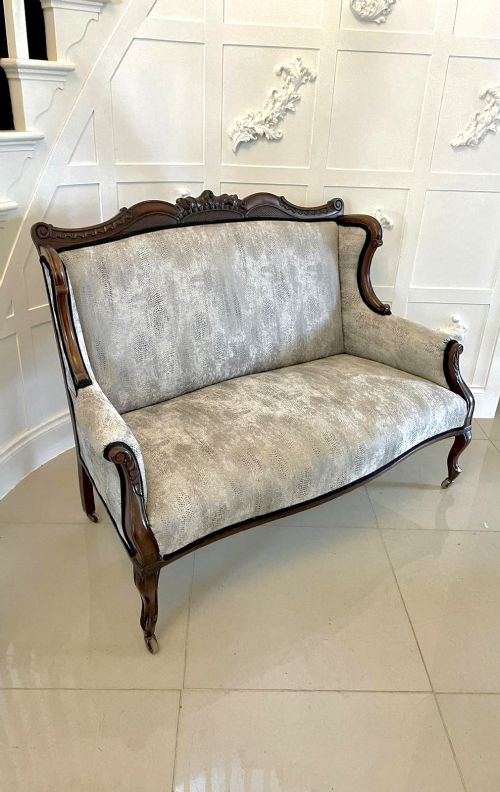
Historically, settees tended to be lighter, narrower two-seater wooden-framed seats with partial upholstery, often designed for salons and bedrooms. Sofas generally offered heavier, fully upholstered construction intended for grand drawing rooms and country house libraries.
Over time, these definitions overlapped significantly, and makers used the terms interchangeably across Victorian and Edwardian catalogues.