



18th Century Settee
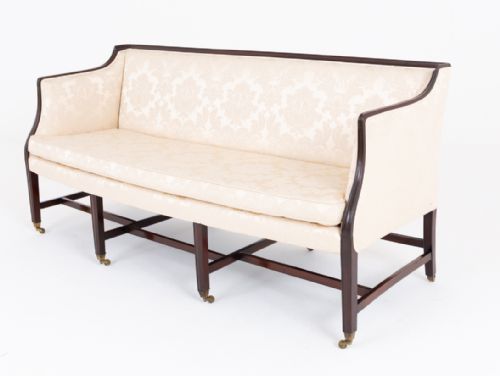
An 18th century settee provides substantial formal seating rooted in Georgian elegance and continental craftsmanship, bringing period presence to a room.
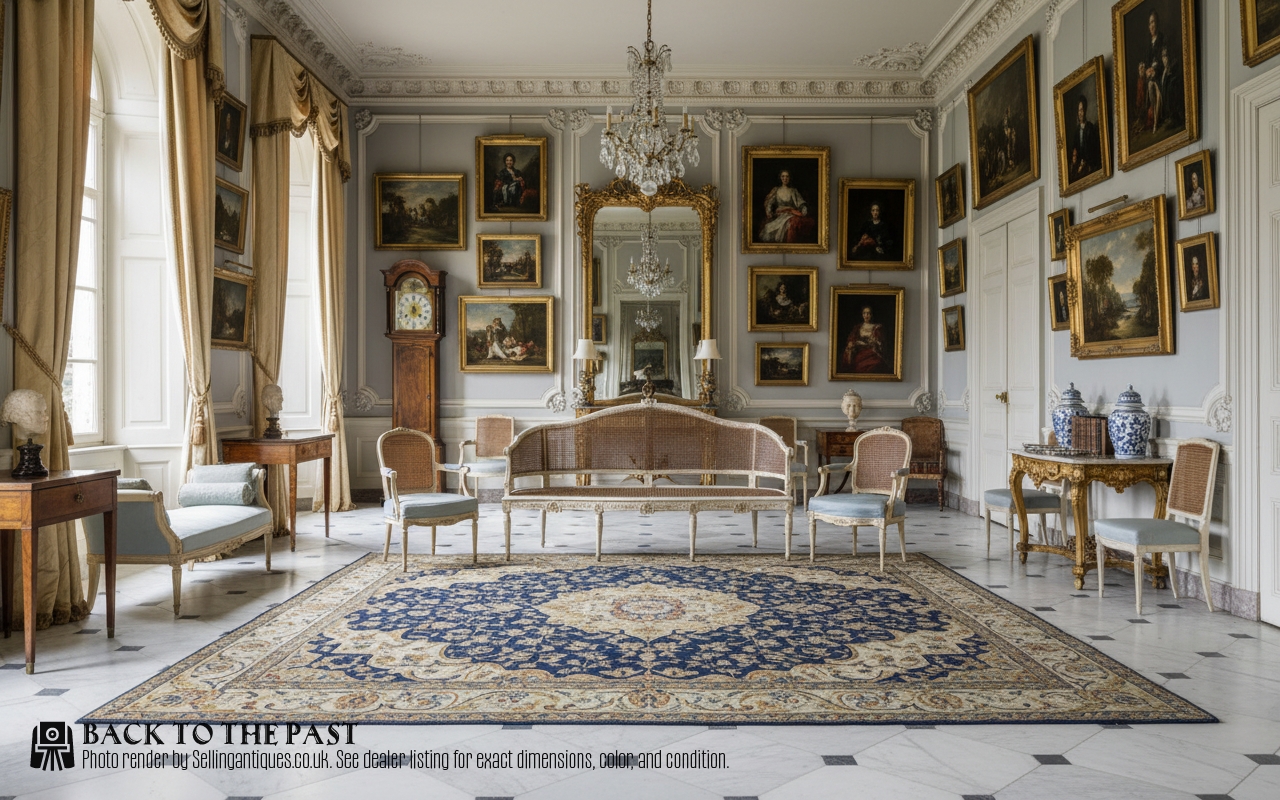
18th Century Settee
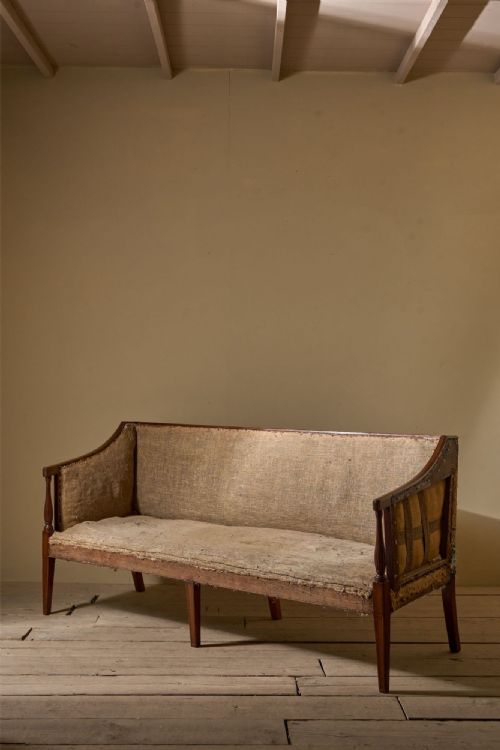
An 18th century settee encompasses wide wooden seating designed for multiple occupants, emerging in forms ranging from solid mahogany frames to carved giltwood and painted finishes. You will frequently encounter examples bearing George III, Chippendale, and Hepplewhite characteristics alongside continental styles.
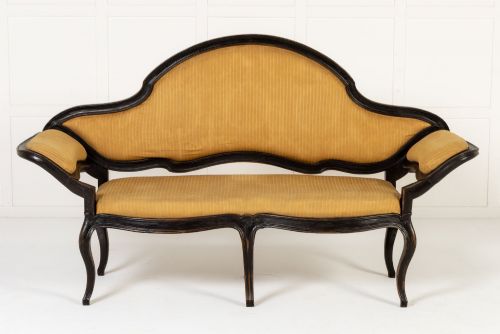
The materials span native timbers like mahogany, walnut, oak, and cherry, paired with various upholstery fabrics including damask, linen, and Hessian. Formats vary from triple-back chairback designs and serpentine camel backs to grand canapes.
While many pieces originate directly in the 18th century, later revival periods also contribute significant walnut and mahogany interpretations. Buyers select these sofas for their architectural frames and historical upholstery schemes.
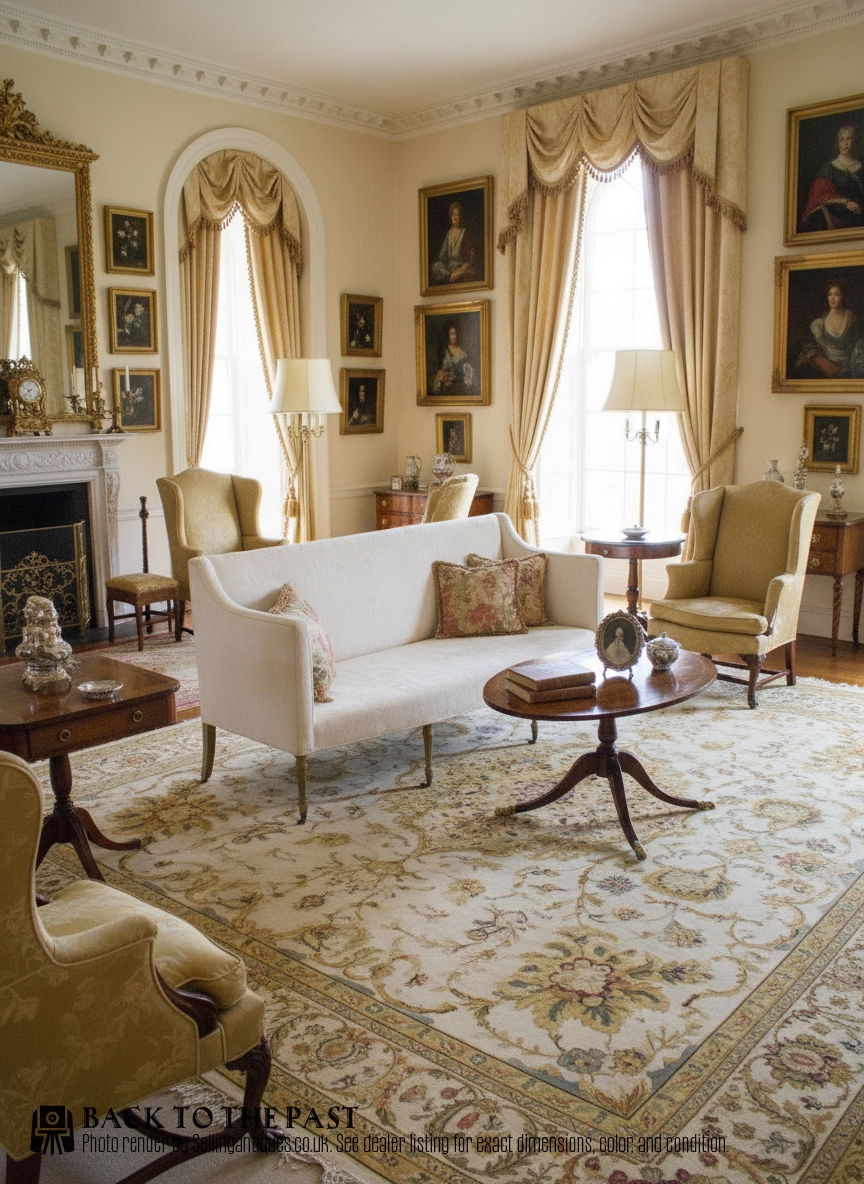
How they were made
Cabinetmakers constructed the primary frames of an 18th century settee from dense hardwoods such as mahogany, walnut, and oak, utilising traditional joinery. Carved details on arms and legs often feature giltwood or painted surfaces.
Upholstery techniques incorporated supportive webbing, hessian, and stuffing layers beneath top covers of damask, fabric, or needlepoint. Brass elements occasionally accent feet or structural joints.
18th Century Settee Retail Price Guide 2026
Typical asking prices for 18th century settee among the pieces listed under this phrase on Sellingantiques today, from the lower quarter to the upper quarter. They describe what is for sale here now, not the wider market.
The archive includes Swedish Gustavian, Italian Rococo, and French provincial settee variations.
What varies in quality
The calibre of timber carving distinguishes finer seating from simpler workshops, particularly on complex components like lion mask hairy paw feet or serpentine rails. Crisp detailing in mahogany and giltwood indicates superior craftsmanship.
Proportion and structural integrity define the overall standard, where balanced framing and authentic period upholstery retain the intended aesthetic harmony.
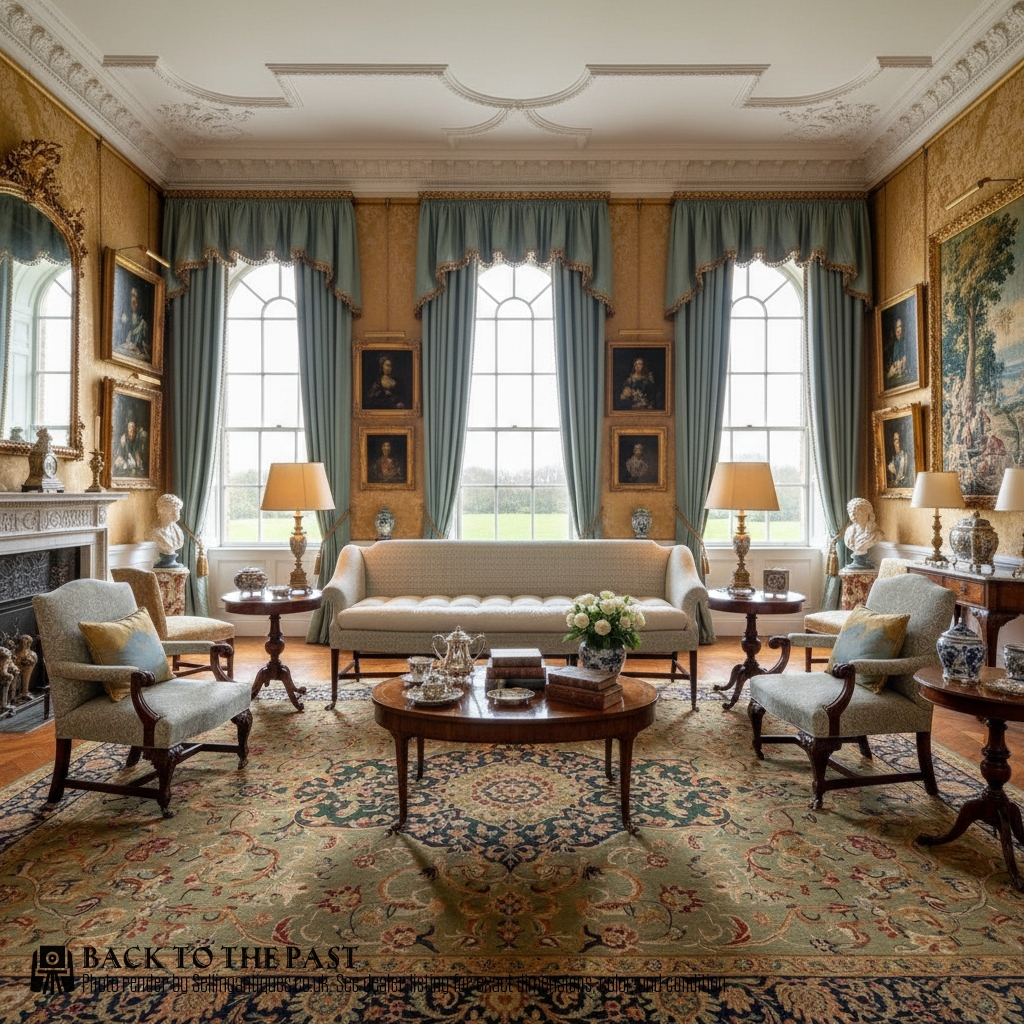
Giles Grendey
The 18th Century Settee Glossary
- Camel back
- A sofa or settee featuring a graceful, undulating serpentine top rail reminiscent of a camel's hump. This contour was widely favoured during the Georgian period.
- Giltwood
- Timber treated with a thin layer of gold leaf applied over a prepared gesso surface. It appears on decorative frames from various 18th century European traditions.
- Canape
- A French-style ornamental sofa featuring an exposed wooden frame and upholstered back and seat. These pieces frequently exhibit carved decoration typical of Louis periods.
- Hepplewhite
- A neoclassical furniture style associated with the designer George Hepplewhite, characterised by shield-back designs and tapered legs. Settees in this manner often utilise mahogany.
- Chairback settee
- A multi-seat form where the back is constructed to resemble a row of joined chair backs. Dutch and English makers produced notable walnut and oak variations.
18th Century Settee: Frequently Asked Questions
How do I care for antique upholstery?
Historic fabric requires gentle surface cleaning and protection from direct sunlight to prevent fibre degradation. Minimise heavy weight strains on antique internal webbing.
Consult professional conservators for repairs to delicate needlepoint, damask, or Hessian components.
Where were these settees originally placed?
Grand reception rooms and parlours accommodated these wide seats for formal entertaining and social gatherings. Their substantial proportions suited large domestic interiors.
Bedchambers and private withdrawing rooms also housed smaller scale or painted continental variations.
Are later revival pieces authentic?
Revival settees from the 19th and early 20th centuries replicate earlier Georgian and Rococo styles using period-appropriate timber methods. These represent distinct eras of craftsmanship rather than original 18th century production.
Examine construction details and timber ageing to differentiate original pieces from later interpretations.