



Georgian Mahogany Bench
A georgian mahogany bench offers sturdy seating built from rich timber, providing lasting utility and traditional form for the home.
What a georgian mahogany bench is
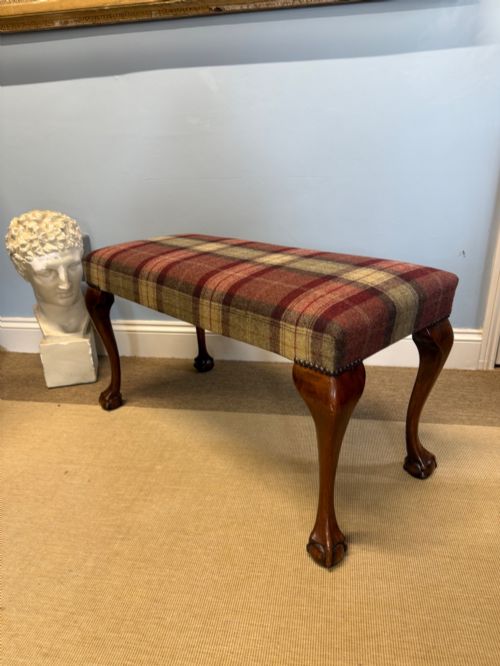
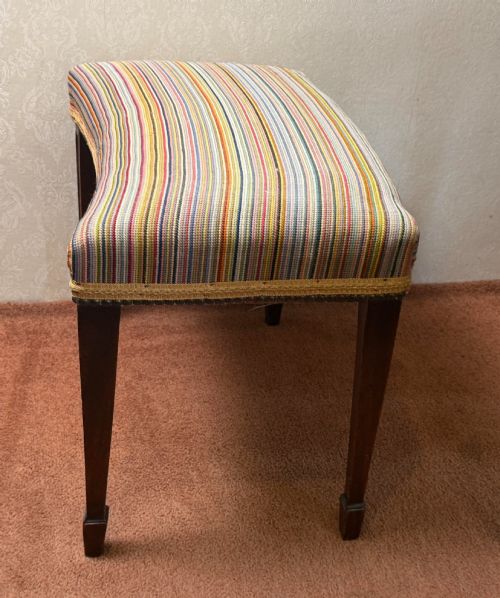
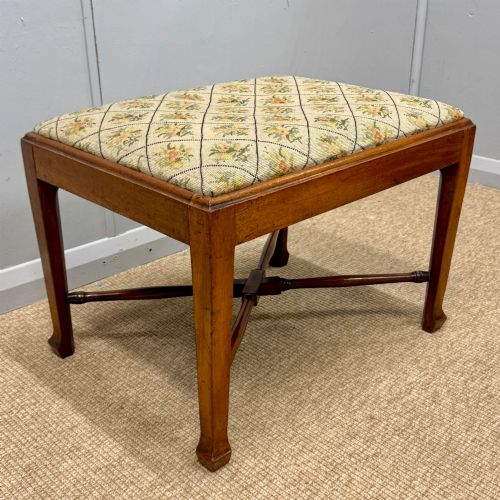
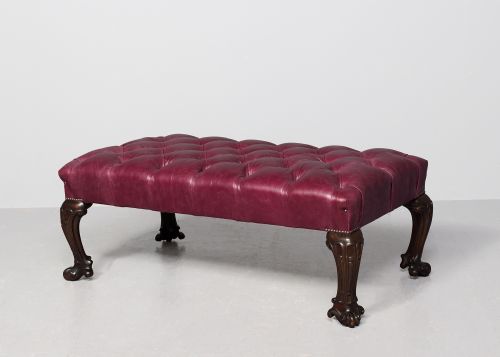
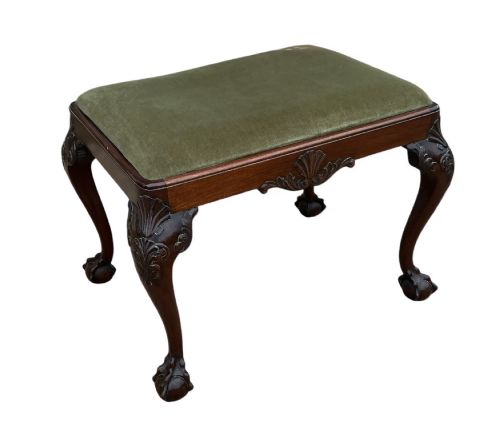
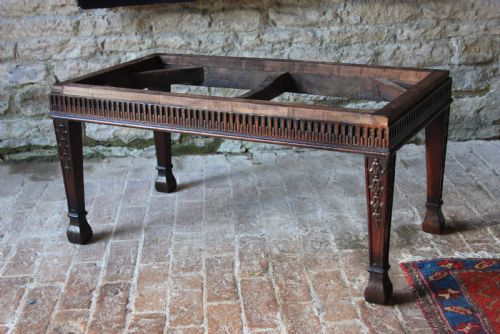
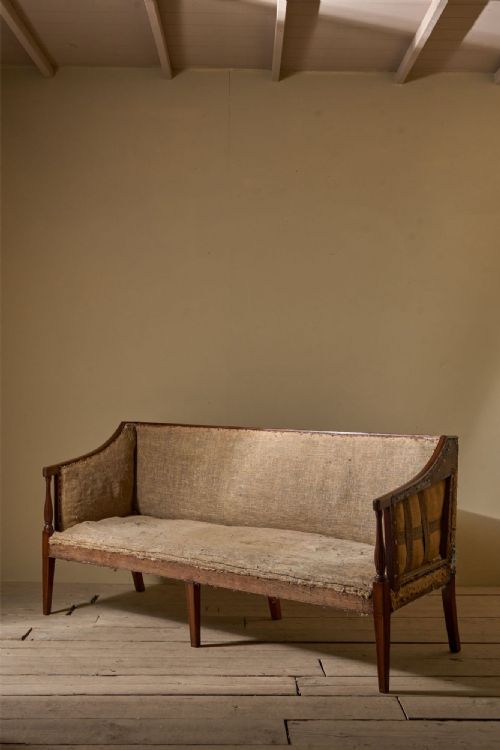
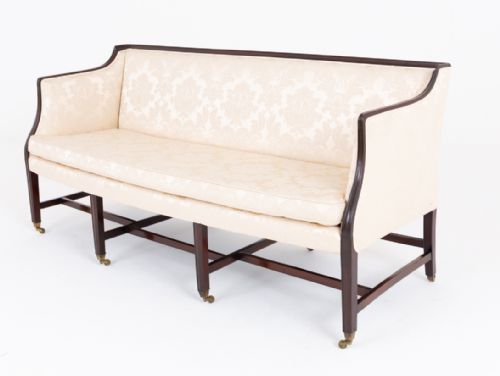
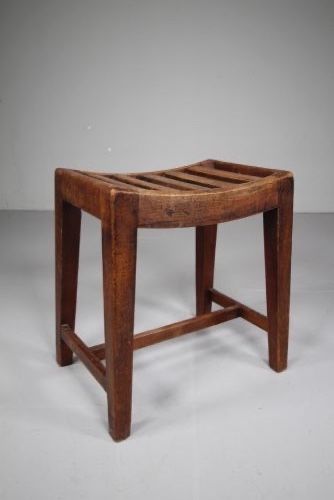
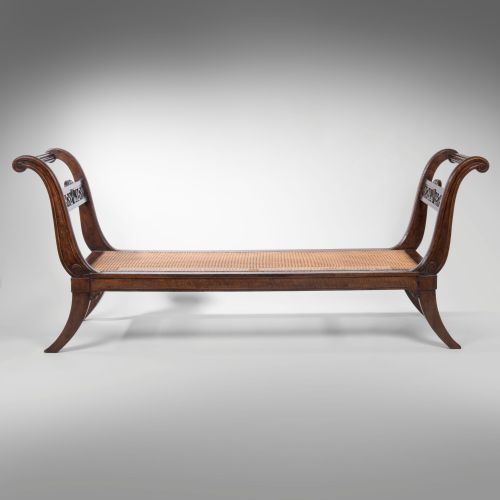
When buyers search for a georgian mahogany bench, they encounter a variety of long seating forms designed for halls, windows, and parlours. The selection spans distinct types such as window seats, settees, footstools, and hall benches originating across the eighteenth and nineteenth centuries. Examples range from compact foot-stools to expansive settees and paired window seats.
The pieces on this page reflect multiple stylistic influences within the broader Georgian umbrella, including George III, Regency, and William IV periods. Common structural forms incorporate ladderback designs, upholstered tops, and integrated oak elements alongside the primary timber. Each variant provides a functional seating solution rooted in historical cabinet-making traditions.
How they were made
Makers utilised solid mahogany for primary frames, often combining it with secondary woods like oak for structural support and internal framing. Timber surfaces were shaped through traditional joinery and hand-carving techniques, evident in detailed decorative elements on foot-stools and settees. Metal components such as brass appear occasionally in hardware or detailing.
Upholstery methods involved textile coverings including fabric, wool, cotton, and woven kilim applied over padded foundations. These textile elements were chosen to complement the deep reddish-brown tones of the polished mahogany frames. Construction relies entirely on manual woodworking and upholstery skills typical of historical workshops.
Retail Price Guide 2026
Typical UK retail prices for georgian mahogany bench, calculated from the Sellingantiques database of over a million retail prices indexed since 2003. This retail price guide relies exclusively on Sellingantiques data; no external sources or auction records are used, so the figures do not describe the wider market.
Listings feature items spanning the eighteenth and nineteenth centuries, incorporating George III, Regency, and William IV styles.
What varies in quality
The standard of a georgian mahogany bench depends heavily on the precision of its carved details and the integrity of its timber framing. Superior pieces display crisp, hand-carved ornamentation that remains sharp and well-defined across the wood. Lesser examples show softer detailing or simpler construction methods that lack the refinement of top-tier workshops.
Material selection and upholstery execution also differentiate the range. Finer items feature dense, well-figured mahogany paired with high-grade textile coverings like kilim or traditional fabric upholstery. The harmonious integration of secondary woods such as oak further distinguishes master cabinet work from more utilitarian production.
The Georgian Mahogany Bench Glossary
- Mahogany
- A durable, heavy tropical hardwood prized for its reddish-brown colour and fine grain. It served as the primary material for high-end furniture throughout the Georgian period.
- Window seat
- A narrow form of seating designed specifically to fit into the recess of a bay or sash window. These pieces often feature upholstered tops and decorative end supports.
- Settee
- A medium-length wooden or upholstered seat with back and arms, built to accommodate multiple sitters. They bridge the gap between chairs and larger sofas.
- Kilim
- A flat-woven textile often utilised as a durable and decorative upholstery covering on nineteenth-century footstools and seats. Its geometric patterns provide textural contrast to polished wood.
- George III
- The stylistic period spanning the mid-to-late eighteenth century, characterised by classical proportions and refined carving. Furniture from this era often incorporates Hepplewhite design elements.
Frequently Asked Questions
What is the difference between a window seat and a settee?
A window seat is typically narrower and designed to fit within architectural window recesses, often featuring decorative ends without a high back.
A settee functions as a longer, wider seat meant for general room placement, usually including a full backrest and arms for multiple occupants.
How do I identify a George III piece?
George III furniture is identified by classical proportions, refined hand-carving, and adherence to established design styles such as those associated with Hepplewhite.
The period spans the late eighteenth century, marked by sophisticated cabinet-making techniques and the prominent use of solid mahogany.
Were these benches used in hallways?
Yes, specific variants like hall benches and settles were constructed primarily for entryways and corridors to provide sturdy, practical seating.
These hall pieces frequently combined oak and mahogany to withstand heavy daily use in high-traffic areas of a home.
What kind of upholstery is common on these seats?
Upholstery materials seen on these pieces include standard fabrics, cotton, wool, and woven kilim coverings placed over traditional padding.
Footstools and window seats often utilise these textiles to add colour and comfort while exposing the polished mahogany or oak frame.