

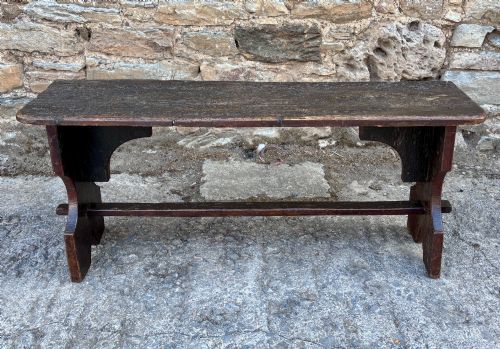
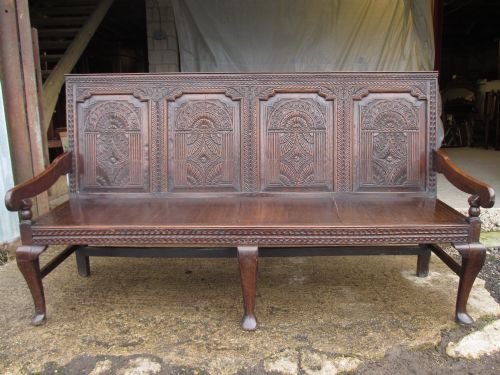
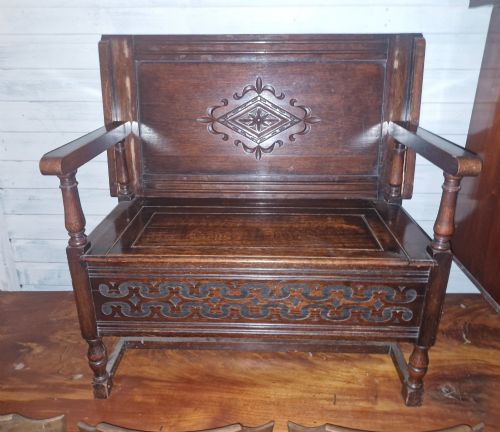
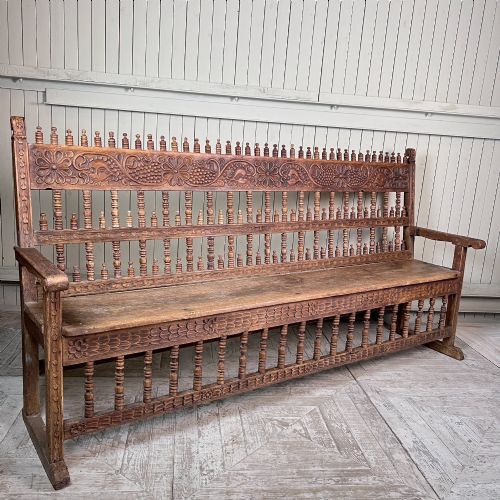
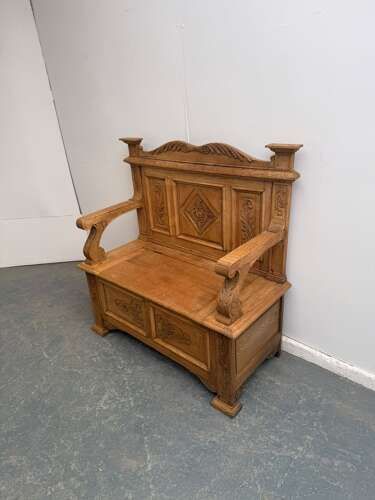
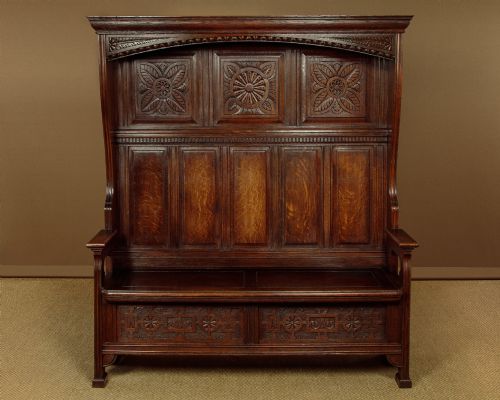
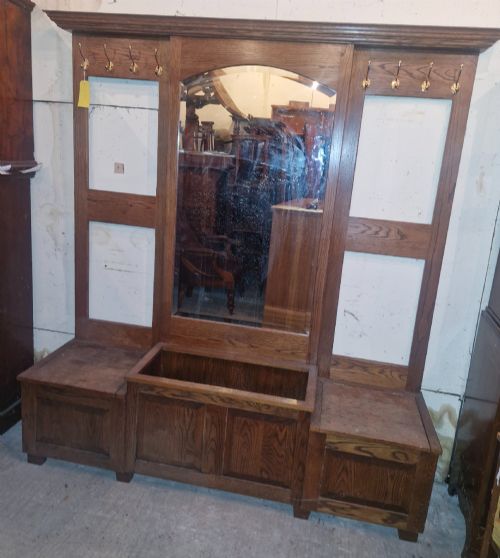
Traditional Hall Bench
A traditional hall bench greets guests the moment they step inside, offering a sturdy seat and often clever storage beneath.
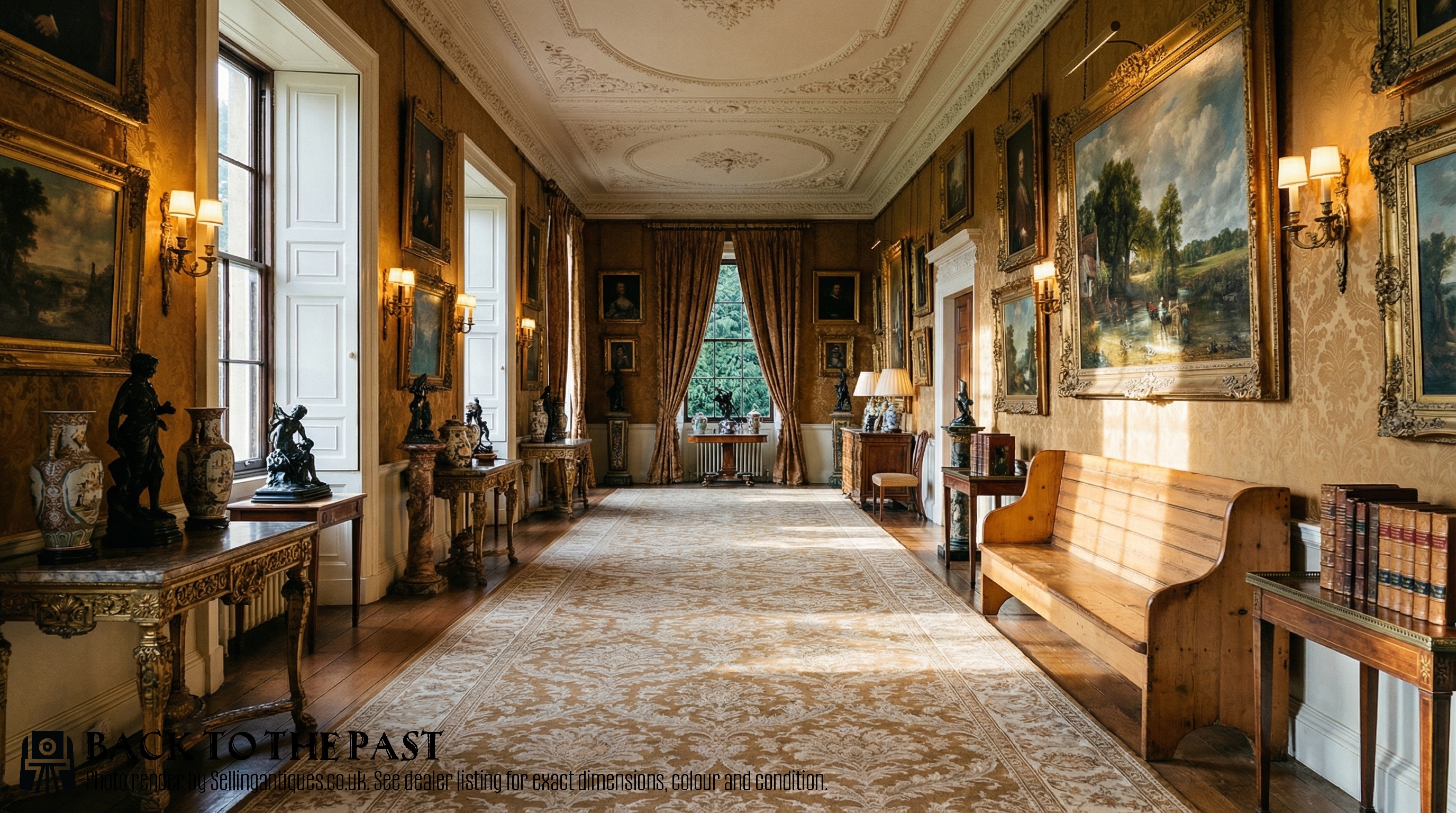
Traditional Hall Bench
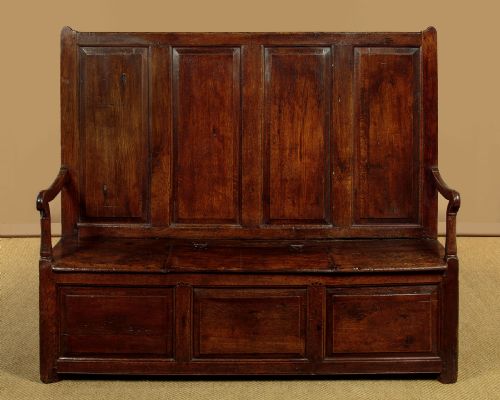
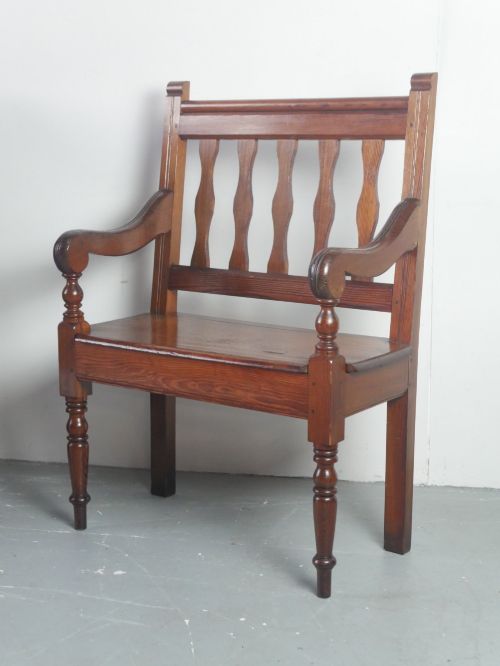
When you search for a traditional hall bench, you encounter seating designed specifically for entranceways and corridors, drawing from centuries of practical domestic architecture. The pieces listed here span centuries of craftsmanship, ranging from simple rustic forms to more formal period designs.
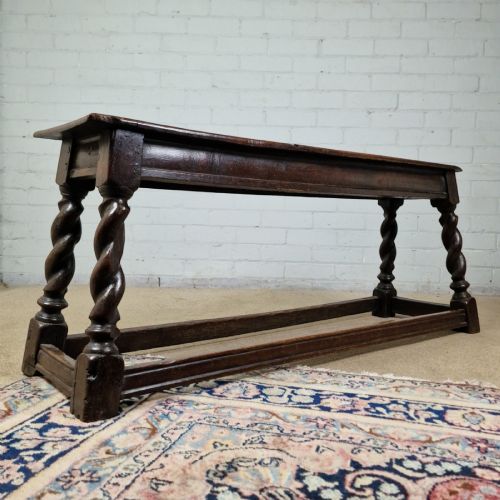
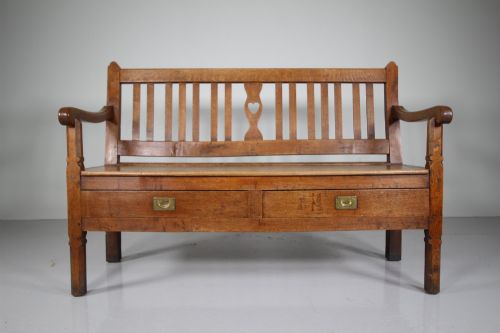
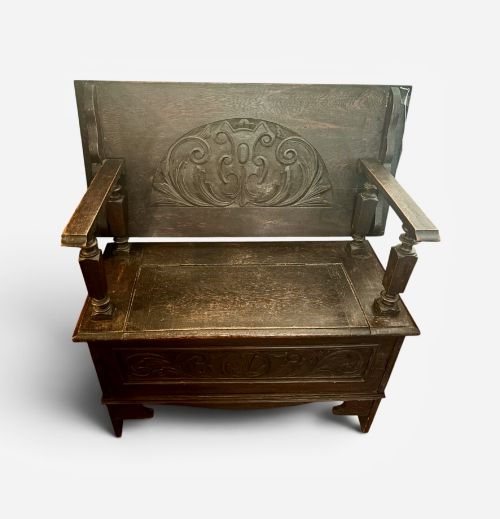
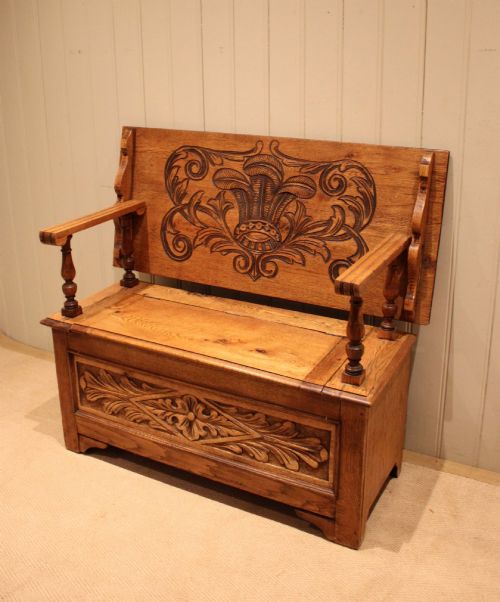
You are most likely to meet oak and pine examples originating from the Georgian and Victorian eras, alongside robust country pieces. Many of these function simultaneously as storage units, featuring lift-up seats or enclosed box settle designs that keep hallways tidy.
How they were made
Cabinet makers and country joiners relied primarily on solid timbers like oak and pine, frequently shaping panels and framing them with traditional mortise and tenon joints. Surface finishes vary from waxed applications that highlight the natural grain to historic painted surfaces in grey, blue, and black.
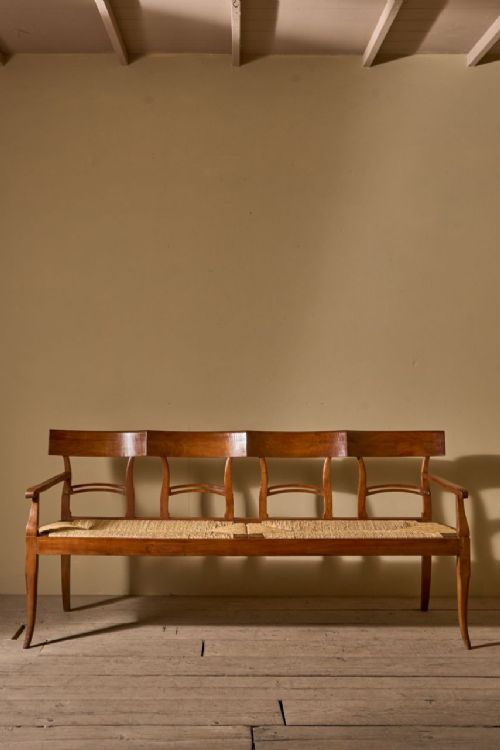
Seating portions often utilise solid wood planks, though some regional examples incorporate woven rush or upholstered elements supported by iron or brass fixings. Carved details, panelled backs, and fold-over mechanisms appear regularly across these forms to combine comfort with multi-functional utility.
Traditional Hall Bench Retail Price Guide 2026
Typical asking prices for traditional hall bench among the pieces listed under this phrase on Sellingantiques today, from the lower quarter to the upper quarter. They describe what is for sale here now, not the wider market.
Listings feature oak, pine, mahogany, and cherrywood timbers, alongside regional painted finishes and rush seating.
What varies in quality
The distinction between standard examples and superior pieces rests on the integrity of the timber, the depth of hand-carved detailing, and the preservation of original surfaces. Pieces retain greater character when they keep their early wax finishes or authentic regional paint layers rather than later modern restorations.
Structural proportion and clever joinery define the finer items, particularly where box seats, panelled backs, and canopy tops integrate seamlessly into the design. Authenticity of age, especially in 18th-century settles and regional country variants, elevates the standing of an individual piece.
The Traditional Hall Bench Glossary
- Box settle
- A high-backed wooden bench featuring a concealed storage compartment beneath the hinged seat. This design sheltered inhabitants from draughts in older hallways.
- Settle
- An early form of wooden bench with a high panelled back, solid armrests, and frequently a box base. They were traditionally positioned near entrances to block cold air.
- Canopy top
- An architectural wooden overhang integrated into the upper framework of a settle or hall seat. It provides a distinct hooded profile.
- Rush seating
- A traditional method of weaving dried marsh plants to create flexible and supportive chair or bench seats. It appears frequently on country regional pieces.
- Window seat
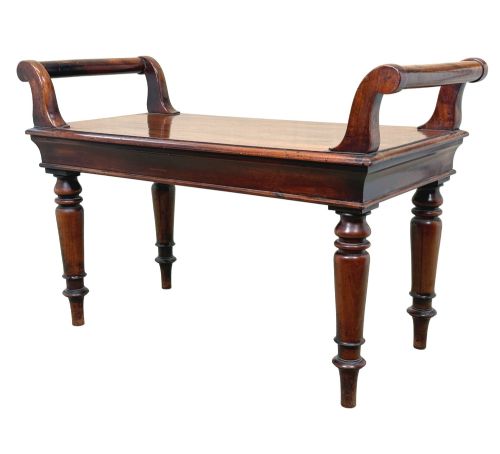
- A long, narrow bench constructed to fit the proportions of a domestic window recess. They share similar scaling and decorative turning with hall seating.
Traditional Hall Bench: Frequently Asked Questions
What is a traditional hall bench used for?
These benches provide functional seating within entrance halls, corridors, and boot rooms for putting on or removing footwear.
Many variants incorporate internal storage compartments beneath lift-up seats to conceal everyday items out of sight.
How do I date an antique hall bench?
Dating relies on observing the construction methods, tool marks, timber species, and overall stylistic vernacular of the piece.
Earlier 18th-century examples display pegged joints and heavy oak construction, whereas 19th-century and Victorian pieces often utilise softer pine or mahogany with machine-sawn elements.
Where should I place a box settle?
Box settles suit narrow hallways, large boot rooms, or spacious country kitchens where their high backs can anchor a seating corner.
Ensure you measure the depth of the clearance needed for the hinged seat to open fully without striking adjacent walls.
Are painted hall benches original?
Many regional pieces, particularly Hungarian folk art examples, were historically finished with decorative or protective paint layers.
Examining the underlying patina and wear patterns helps determine whether the pigment dates to the period of manufacture or represents a later decorative application.