


Georgian Wooden Bench
These georgian wooden bench selections combine robust domestic function with time-honoured craftsmanship, offering practical seating shaped by centuries of use.
Georgian Wooden Bench
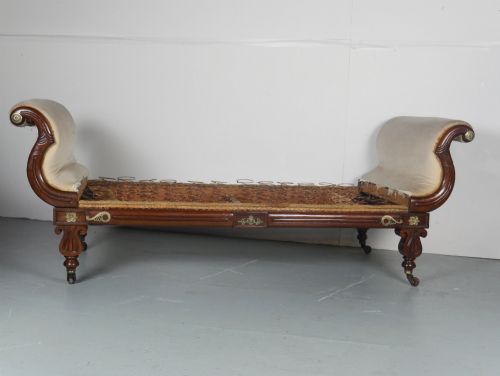
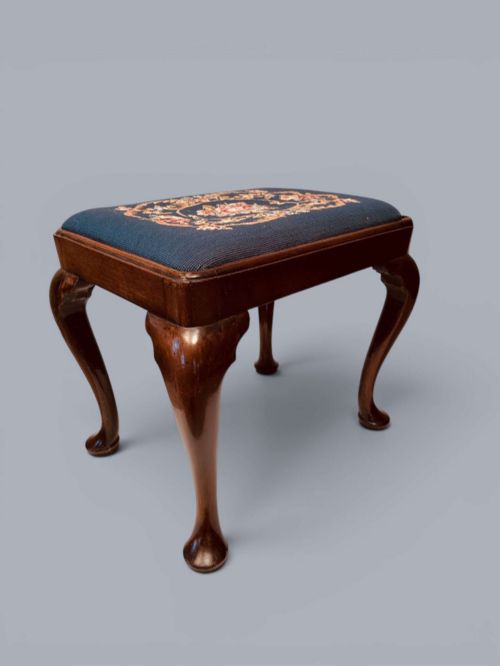
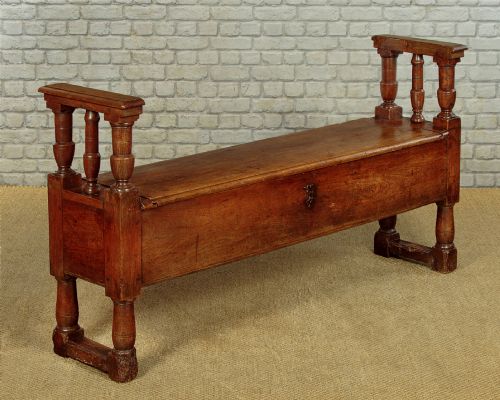
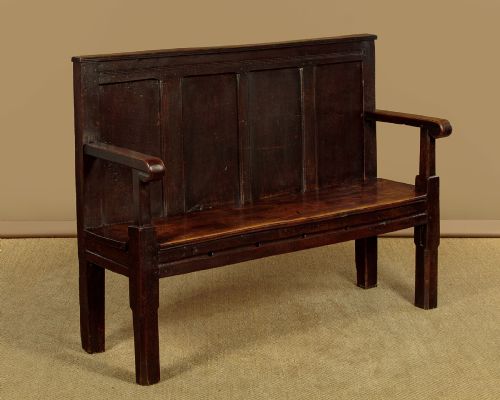
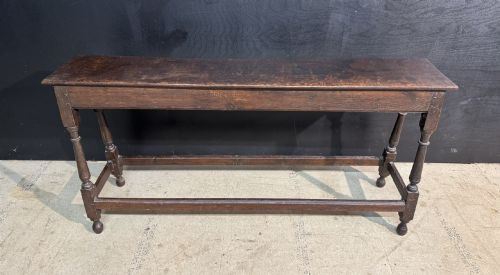
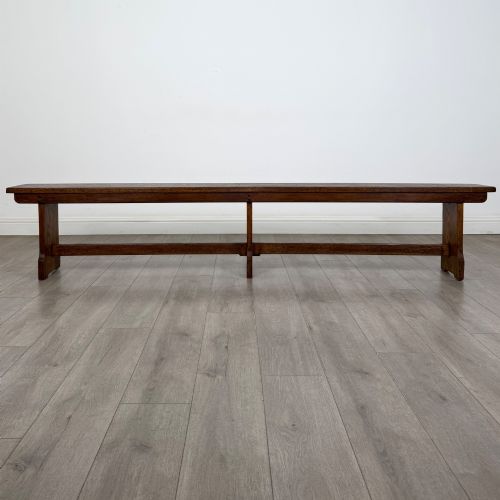
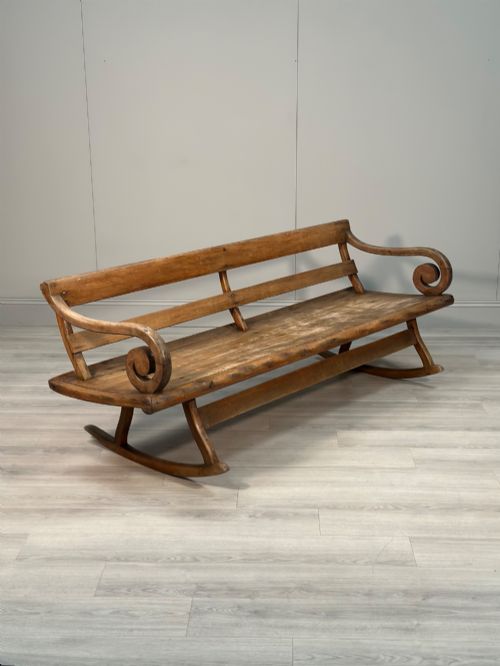
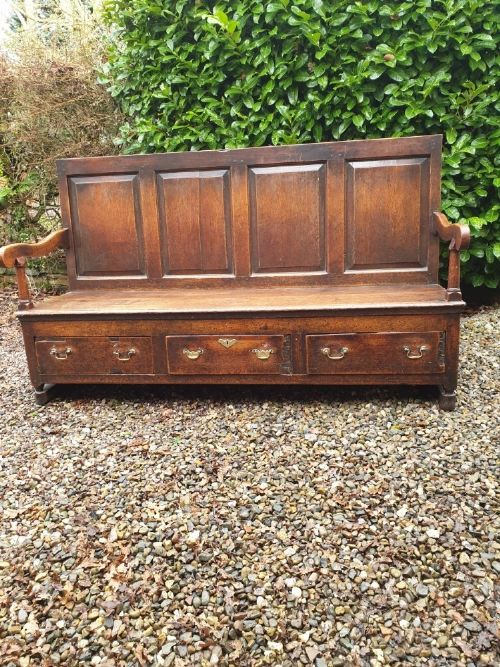
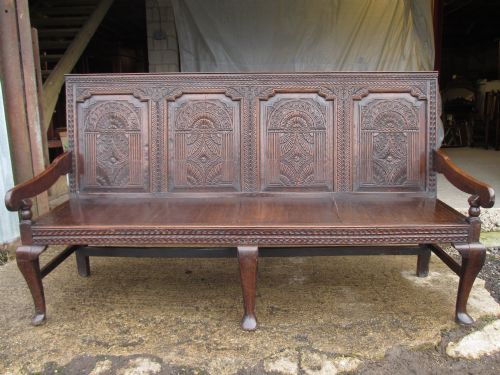
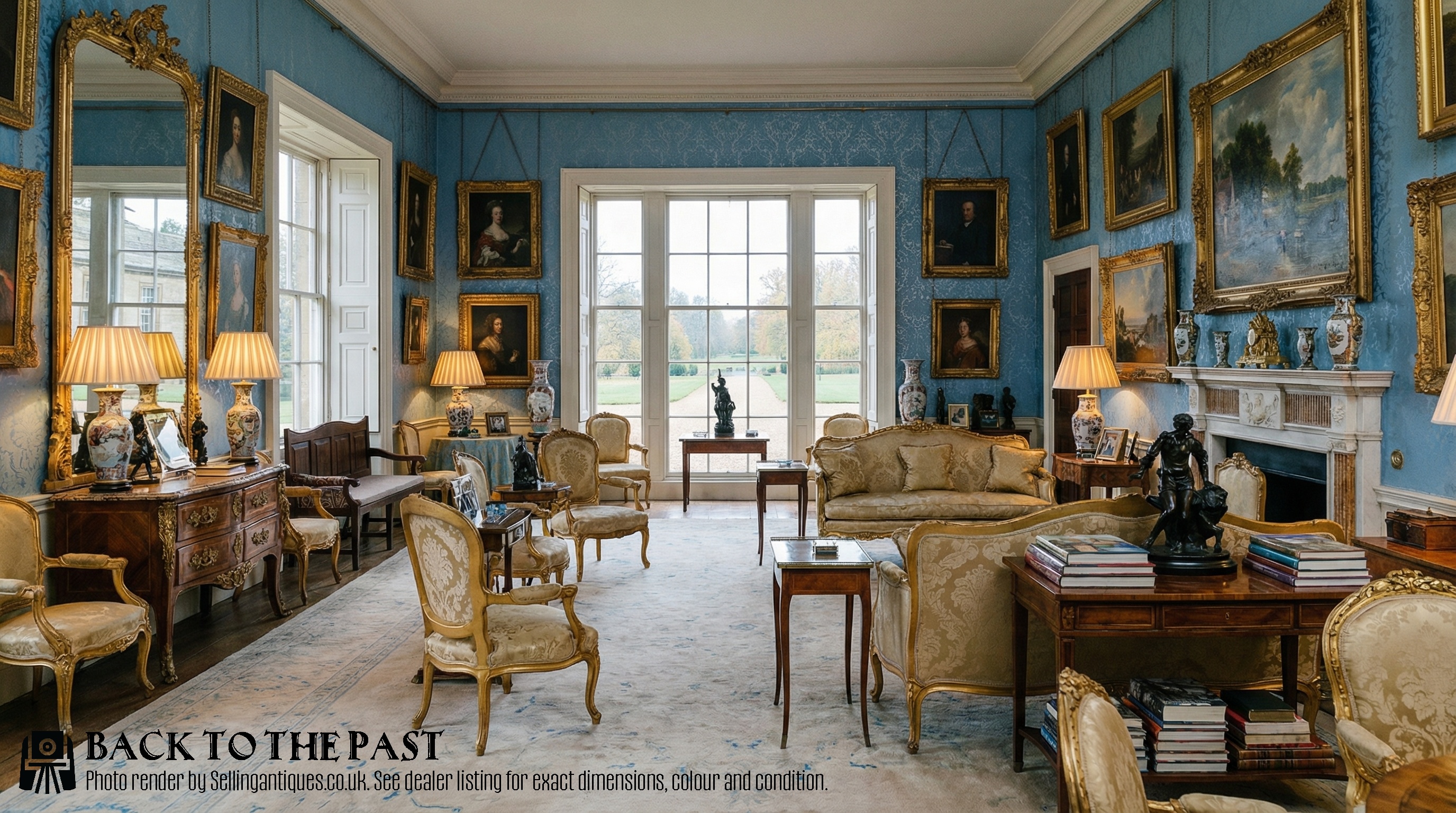
When you search for a georgian wooden bench, you encounter a variety of robust seating forms designed for domestic interiors, ranging from panel-back settles to long tavern benches and hall benches. These pieces originate primarily from the eighteenth and nineteenth centuries, reflecting both formal Regency styles and sturdy English or country vernacular traditions.
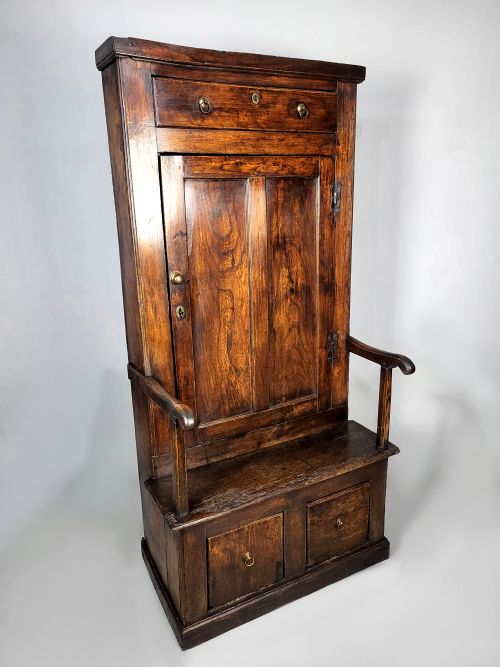
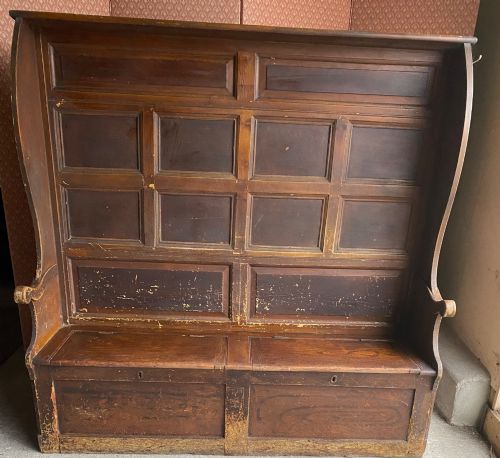
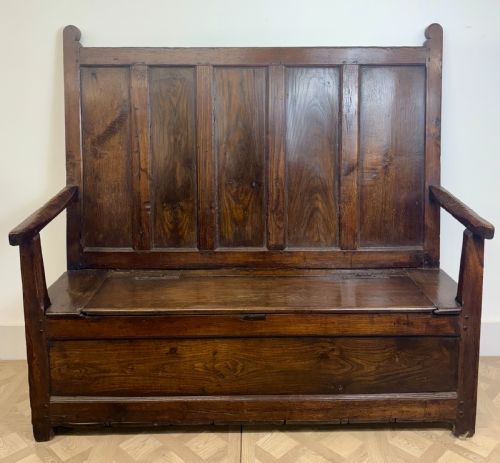
The version you are most likely to meet on this page is constructed from oak or pine, often taking the form of a high-back box settle or a narrow window seat. Many examples incorporate storage compartments beneath the seat, demonstrating the practical space-saving utility required in historical homes before fitted furniture became common.
How they were made
Makers relied heavily on native timbers such as oak, mahogany, ash, and pine, selecting each wood for its structural strength and grain. Joinery techniques relied on pegged mortise and tenon joints to secure frames, ensuring that long benches and heavy settles could withstand daily household rigours.
Surface treatments developed organically through decades of waxing, painting, and natural handling, leaving behind patinas in honey brown, black, or blue. Decorative flourishes remained relatively restrained, appearing occasionally as carved panel backrests, shaped arm supports, or subtle tulip motifs.
Georgian Wooden Bench Retail Price Guide 2026
Typical asking prices for georgian wooden bench among the pieces listed under this phrase on Sellingantiques today, from the lower quarter to the upper quarter. They describe what is for sale here now, not the wider market.
Some historic pine benches served double duty as household pig feeding troughs before finding a second life as coffee tables.
What varies in quality
The distinction between ordinary utility items and superior examples rests upon the integrity of the timber and the preservation of the original surface. Pieces retaining their early waxed or painted finishes without extensive timber replacement command greater interest from collectors.
Proportion and structural balance also dictate the caliber of a piece, as well-executed vernacular framing or refined mahogany turning demonstrates the skill of the original maker. The presence of untouched box compartments and original structural pegs further separates standard survivals from exceptional finds.
The Georgian Wooden Bench Glossary
- Settle
- A wooden bench featuring a high solid back, solid arms, and frequently a box base used for storage. This design provided shelter from draughts in hallways and kitchens.
- Window Seat
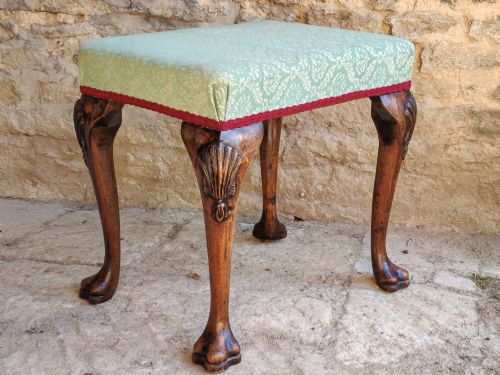
- A narrow bench designed specifically to fit within the recess of a domestic window. These often feature mahogany or pine frames with upholstered or shaped wooden tops.
- Vernacular
- Furniture made by regional craftsmen following local traditions rather than strict metropolitan pattern books. These pieces prioritise functional utility over academic style.
- Patina
- The surface sheen and colour developed by wood and paint over decades of handling, exposure to light, and polishing. It serves as an indicator of age and history.
- Joint Stool
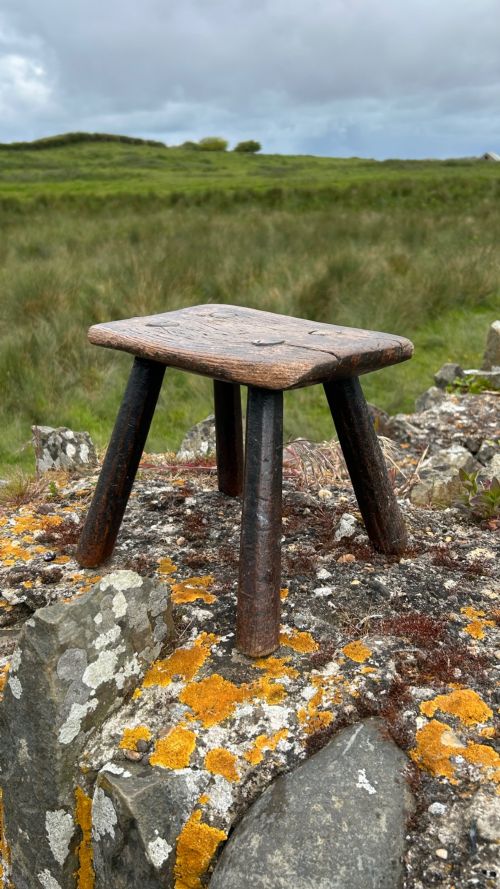
- A sturdy low wooden seat constructed with pegged mortise and tenon joints rather than turned legs. They served multiple household purposes before chairs became common.
Georgian Wooden Bench: Frequently Asked Questions
Where were wooden settles placed?
Settles were traditionally positioned near hearths in kitchens or close to entrance doorways to block cold draughts from reaching occupants. Their high wooden backs and solid sides acted as effective windbreaks in large, open rooms.
Over time, they moved into hallways and reception rooms as domestic floor plans evolved and heating methods improved, retaining their dual role as seating and storage.
How do I care for antique pine?
Maintain antique pine surfaces by applying natural beeswax sparingly and buffing gently with a soft cloth to preserve the historical patina. Avoid placing these wooden pieces near direct heat sources or in fluctuating humidity to prevent timber splitting.
Cleaning should be done with a dry or barely damp cloth, steering clear of modern chemical sprays that can strip older wax and oil finishes.
What is a box settle?
A box settle incorporates a deep storage compartment built directly beneath the hinged seat, providing practical space for blankets, firewood, or household goods. This design maximised utility in smaller historic dwellings where floor space was at a premium.
Many examples feature panelled fronts or solid skirts that conceal the storage cavity while maintaining the formal architectural lines of the bench.
How do I identify Regency style?
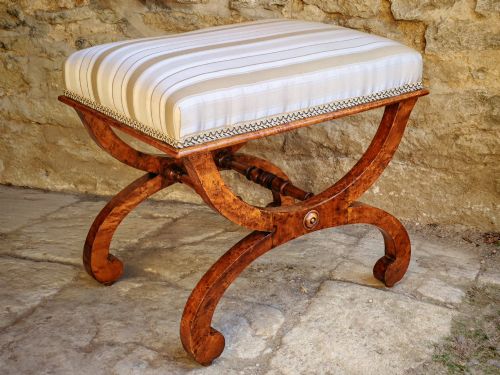
Regency furniture typically displays classical influences inspired by ancient Rome, Greece, and Egypt, often featuring sweeping curves and dark mahogany timbers. Look for architectural elements such as X-frames, sabre legs, and restrained carved details rather than rustic country joinery.
These pieces generally date from the early nineteenth century and reflect a more formal aesthetic than earlier provincial oak or pine furniture.