



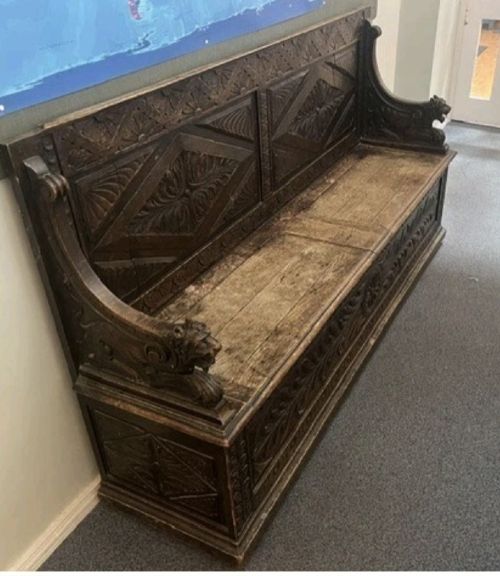
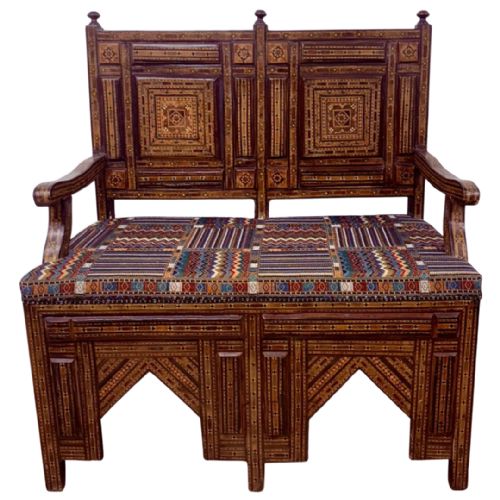
Brown Wooden Settle
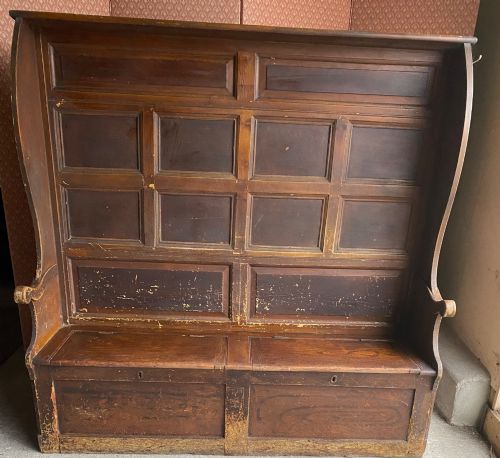
A brown wooden settle brings centuries of domestic history into a hallway, offering solid seating and integrated storage.
Brown Wooden Settle
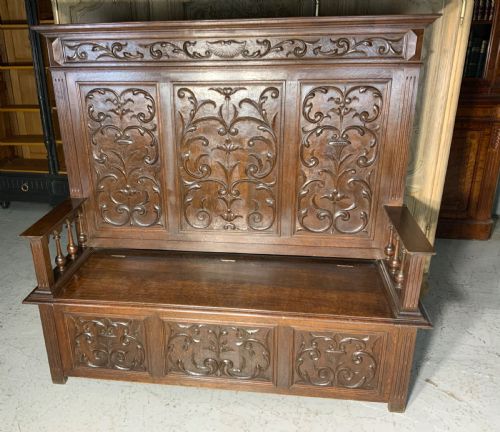
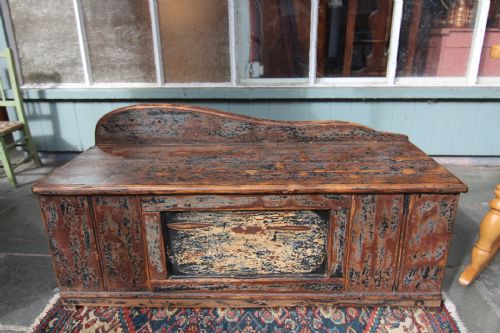
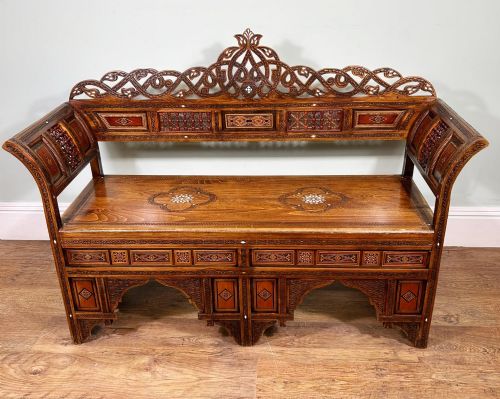
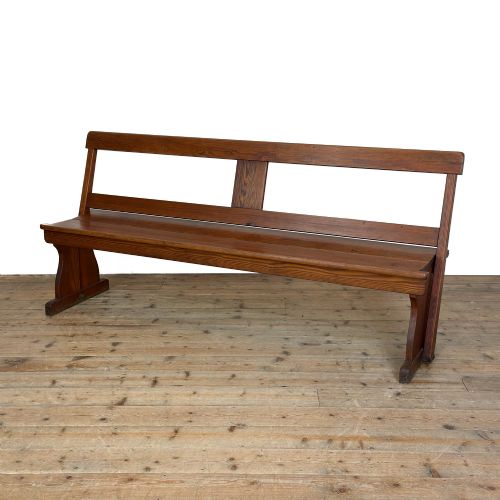
A brown wooden settle is a traditional high-backed bench designed to block draughts in older homes, frequently seen in oak, pine, and elm across this selection. These pieces often feature solid wooden panels and integrated storage compartments beneath the seat, serving both functional and decorative purposes in hallways and living spaces.
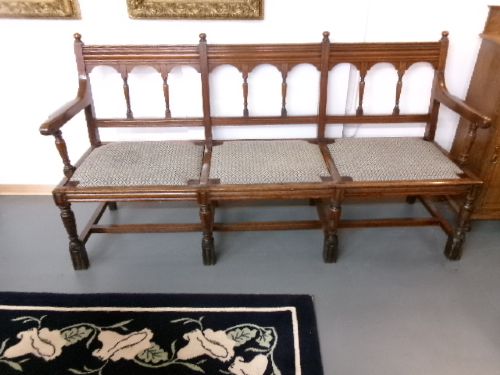
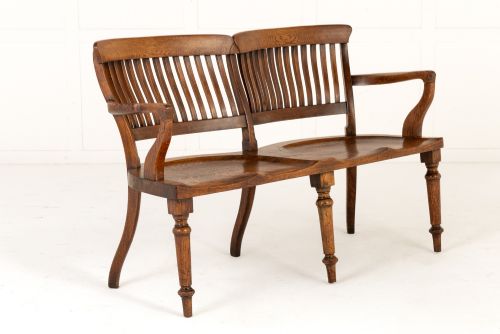
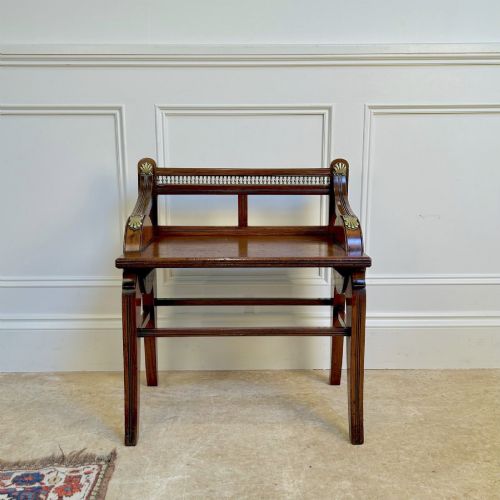
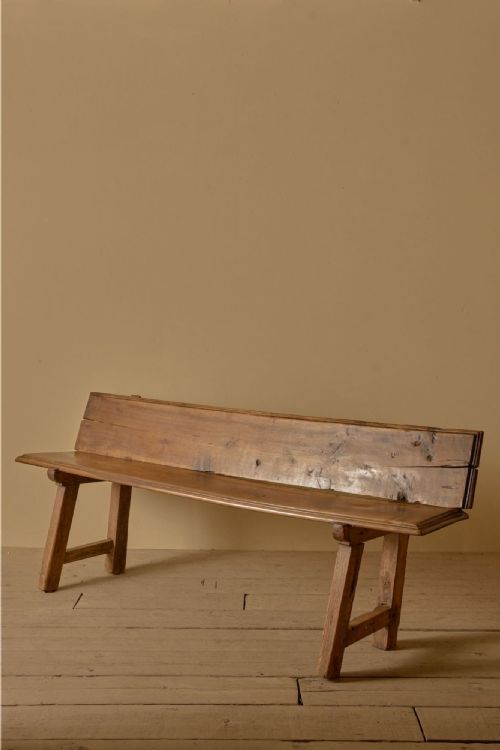
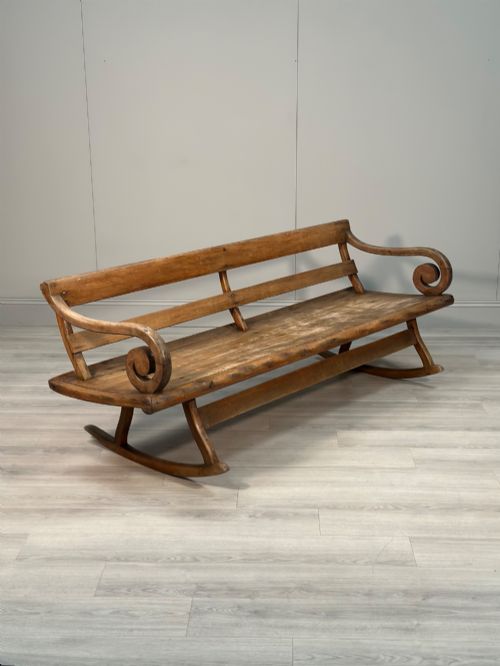
The variants found here span centuries of craftsmanship, ranging from simple country pine examples to elaborately carved oak pieces from the Georgian and earlier periods. Buyers will encounter both straight-backed and panel-backed designs, alongside variants incorporating flip-over mechanisms or box storage.
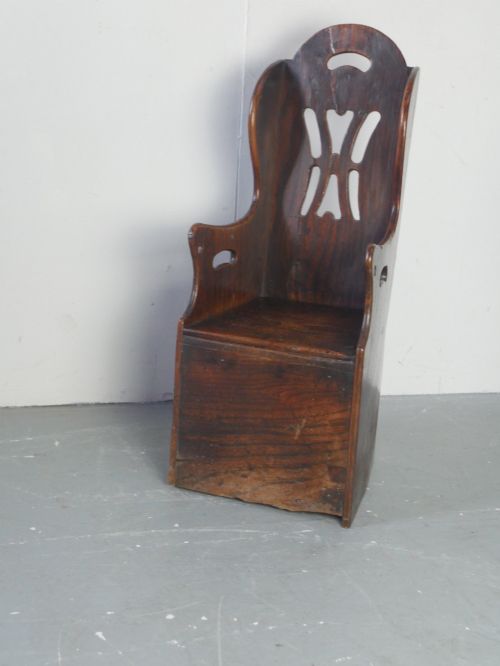
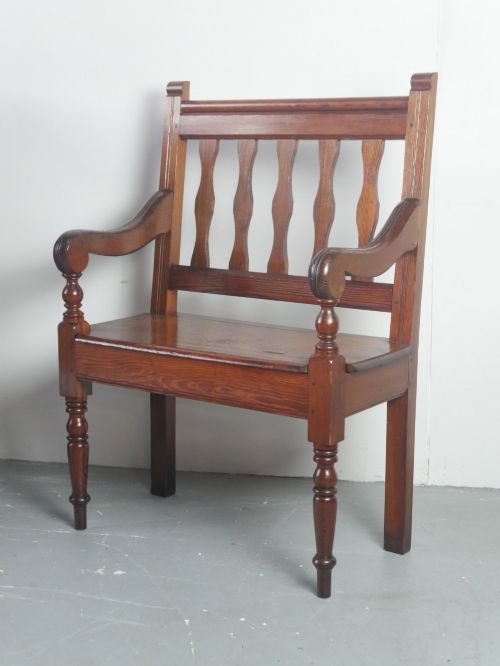
Originating primarily from English, European, and broader regional workshops, these benches reflect local vernacular traditions using native hardwoods. The forms vary from intimate child-sized chairs and lambing chairs to large multi-seater pews and hall benches.
Materials and Construction
Construction relies heavily on traditional joinery techniques utilising native timbers such as oak, elm, pine, and ash, often shaped by regional carpenters rather than urban cabinetmakers. Frame and panel construction allows the large wooden surfaces to expand and contract naturally with changes in temperature without splitting.
Secondary materials like rush, leatherette, and iron appear in seating pads, hinges, and structural fixings, complementing the primary wooden framework. Surface finishes are developed through decades of waxing and handling, resulting in rich patinas across the brown wood.
Brown Wooden Settle Retail Price Guide 2026
Typical asking prices for brown wooden settle among the pieces listed under this phrase on Sellingantiques today, from the lower quarter to the upper quarter. They describe what is for sale here now, not the wider market.
Regional variations range from English country pine pieces to Spanish colonial hardwood and Chinese horseshoe hall benches.
Assessing Quality and Character
Quality in these benches rests on the integrity of the timber, the retention of original structural elements, and the depth of the surface patina. Pieces retaining their original box storage bases, authentic back panels, and unaltered joinery command greater appreciation.
Proportion and decorative restraint also distinguish finer examples, where carving or panel moulding enhances the design without overpowering the utility of the bench. The balance between sturdy construction and graceful vernacular form dictates the standing of each piece.
GIllows·Liberty
The Brown Wooden Settle Glossary
- Settle
- A wooden bench with a high back, solid arms, and frequently a box base for storage. It was historically placed near firesides to keep draughts away from the seated person.
- Lambing chair
- An enclosed wooden armchair, often featuring a high back and side wings, traditionally used by shepherds or in farmhouses for warmth. These typically incorporate enclosed storage beneath the seat.
- Box settle
- A variation of the bench featuring a hinged seat lifting to reveal a large storage compartment underneath. This design maximised utility in smaller historic dwellings.
- Vernacular furniture
- Items made by local craftsmen for everyday domestic use, utilising regional styles and available native timbers rather than following strict classical academic rules. This category forms the backbone of country house seating.
- Patina
- The surface sheen and colour acquired by wood over long periods through handling, waxing, and ageing. A deep patina indicates decades of continuous care and use.
Brown Wooden Settle: Frequently Asked Questions
Where should I place a settle?
These benches suit spacious hallways, entrance lobbies, or large living rooms where their high backs can anchor a seating arrangement. Their solid construction makes them practical for daily use in high-traffic areas.
Ensure there is adequate wall space to accommodate the high back panel without overwhelming the room. Many owners utilise the internal storage space for boots, blankets, or everyday clutter.
How do I care for wooden settles?
Maintain the wood by applying a quality natural beeswax periodically to nourish the surface and preserve the historic patina. Avoid placing the furniture near direct heat sources or in strong sunlight, which can dry out the timber.
Dust regularly with a soft, dry cloth to prevent particulate build-up in carved recesses and joinery joints. Taking these simple steps keeps the antique wood stable over decades of use.
How do I date an antique settle?
Dating relies on examining the construction methods, tool marks, joinery style, and the type of timber used in the frame. Hand-cut peg joints, riven boards, and native hardwoods typically point towards earlier manufacturing periods.
Stylistic cues such as linenfold panelling, gothic tracery, or plain shaker-style boards align with the prevailing fashions of different centuries. Comparing the piece to documented examples helps narrow down the era of origin.
Are box settles comfortable?
While historic wooden benches have upright backs designed for posture and draught exclusion, many owners add loose cushions or pads to increase comfort. The firm wooden seat provides solid support suited for short periods of sitting.
Adding a tailored squab cushion upholstered in complementary fabric softens the seating area while maintaining the historic aesthetic of the bench. This makes the furniture practical for contemporary lounging.