

Antique Wooden Pew
An antique wooden pew offers solid seating shaped by centuries of ecclesiastical and domestic use, prized for robust timber construction and enduring utility.
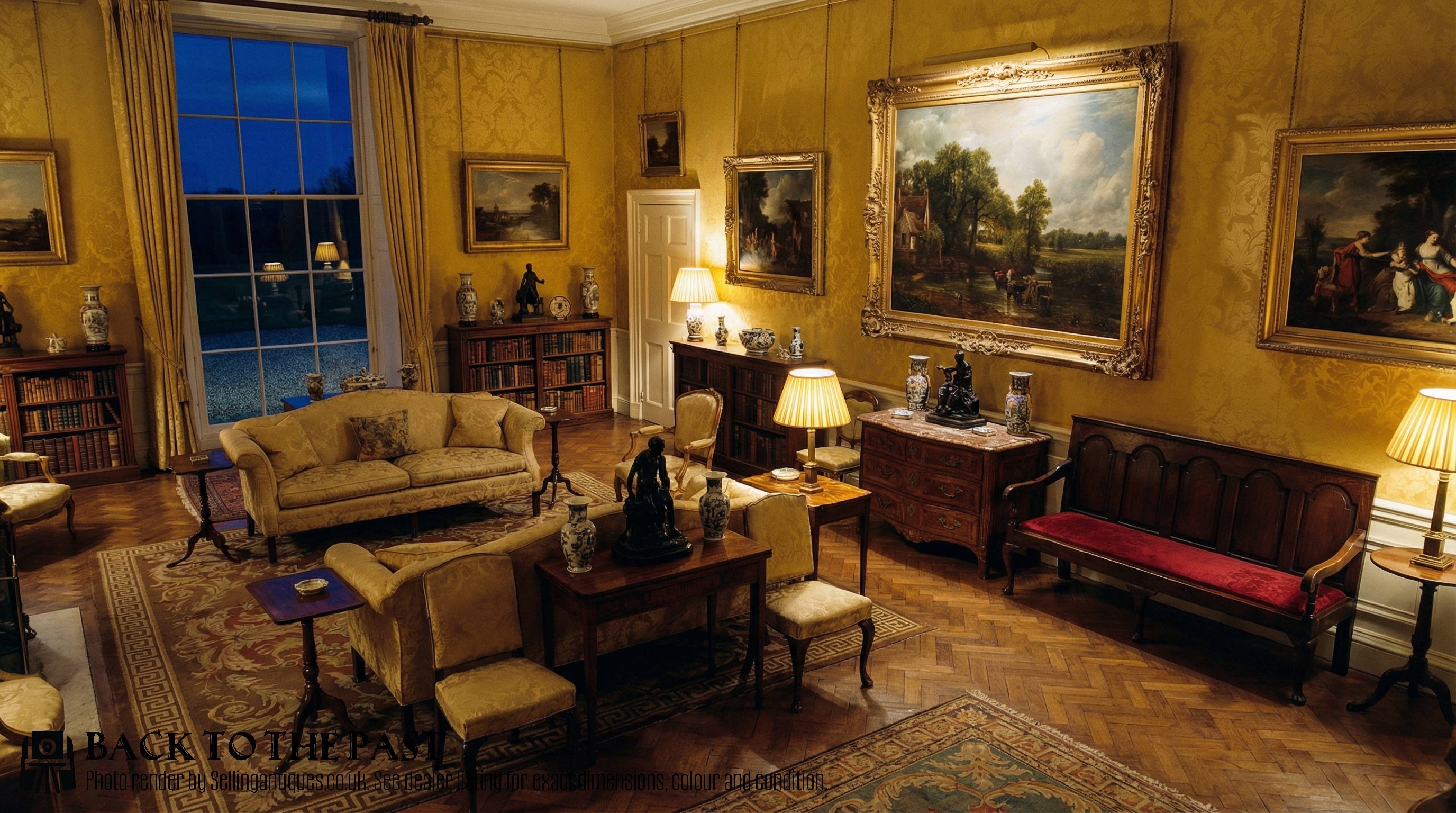
Antique Wooden Pew
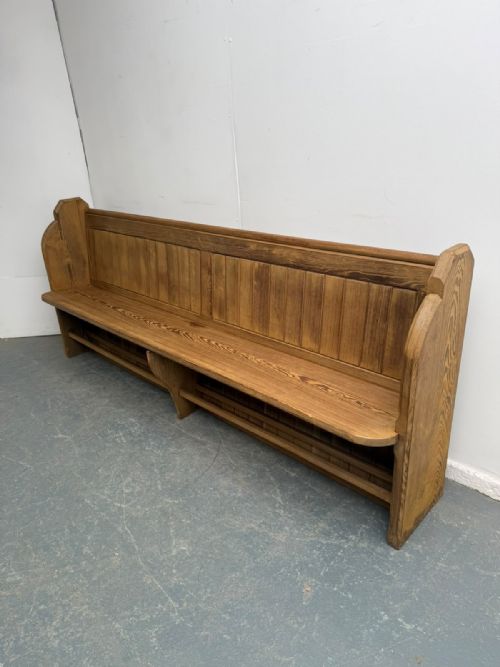
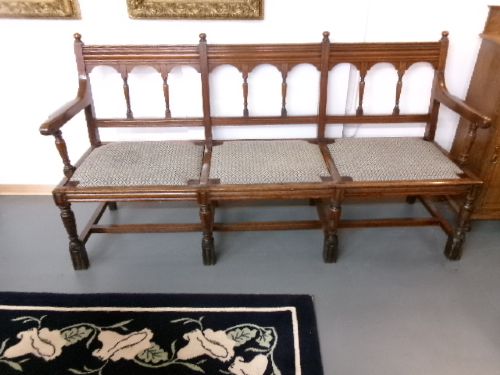
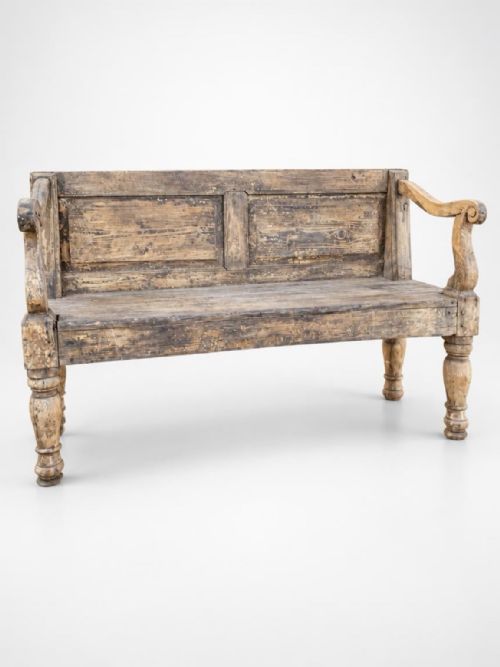
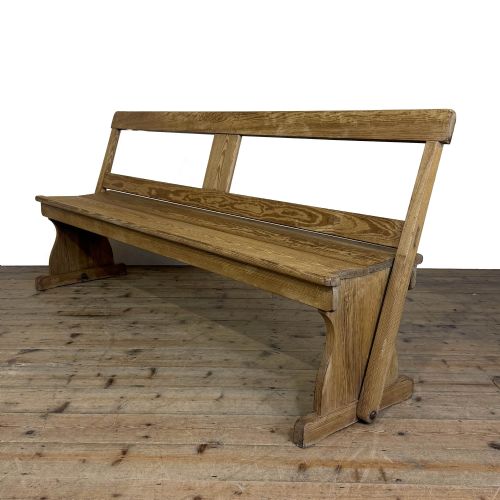
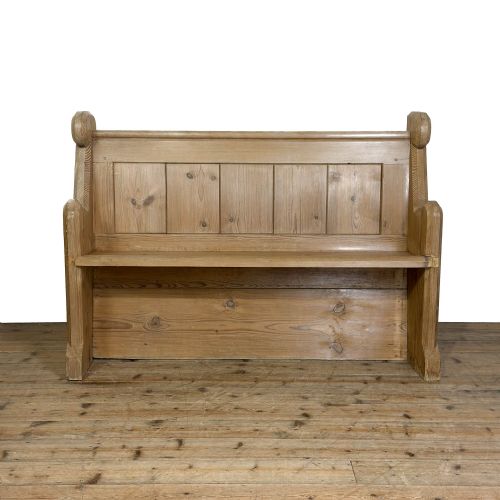
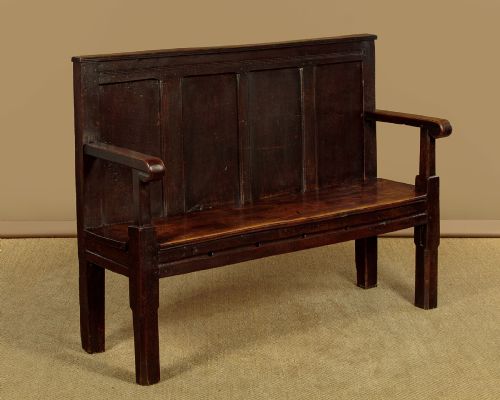
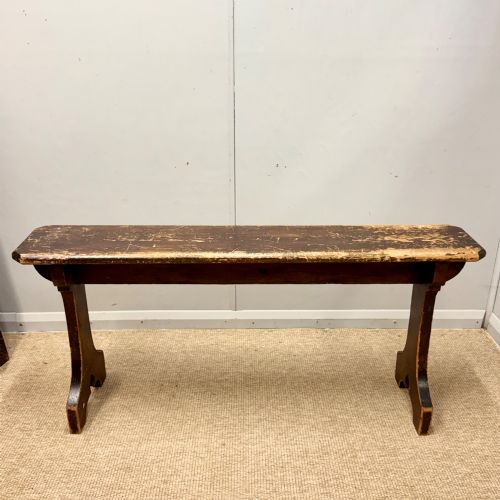
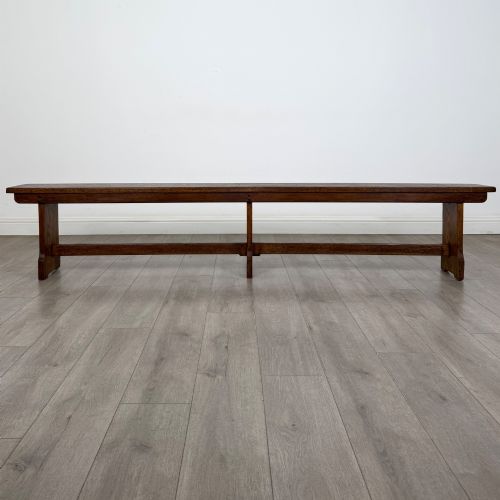
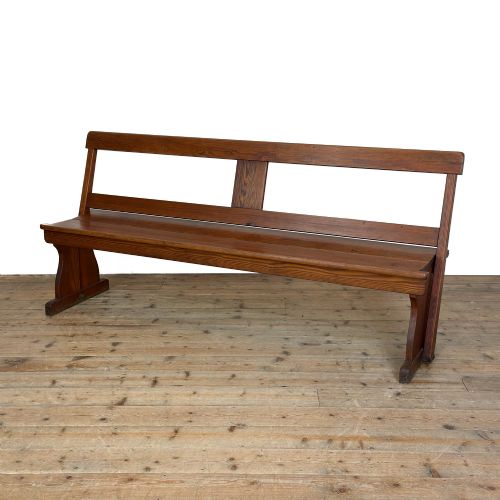
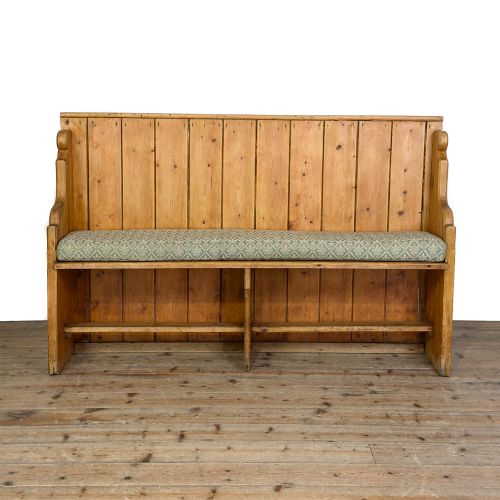
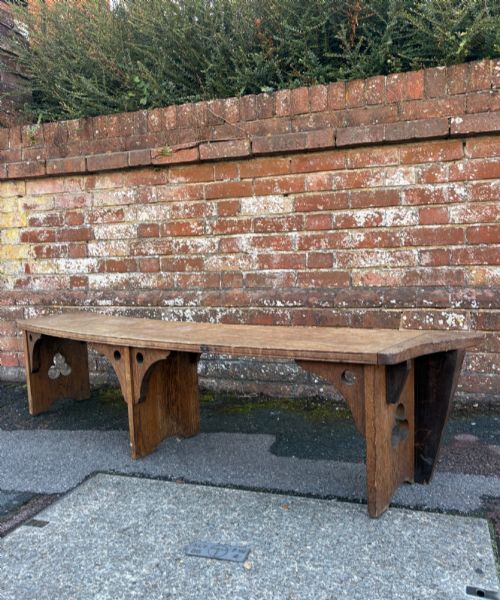
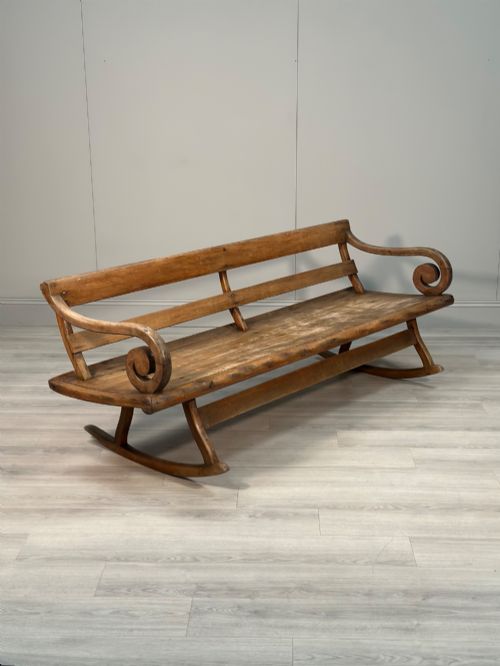
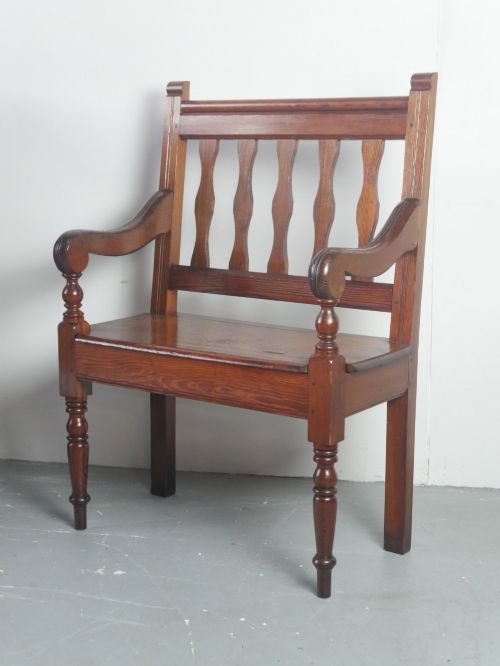
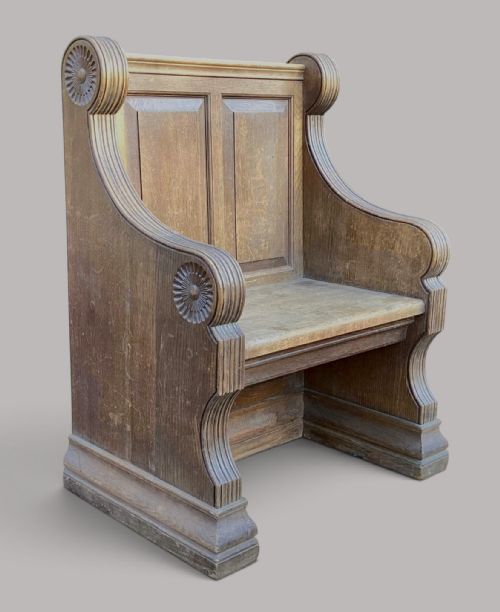
An antique wooden pew brings functional seating derived from churches, chapels, and country houses into domestic interiors. Buyers searching for an antique wooden pew encounter forms ranging from simple pine chapel benches to heavy oak Gothic revival seating.
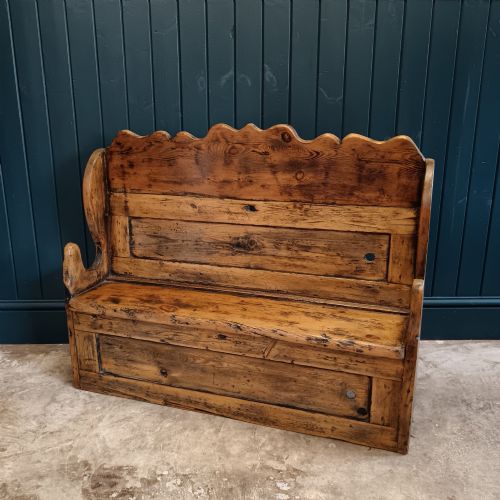
The selection on this page centres on sturdy pine and oak examples dating from the eighteenth century through the Edwardian period. Pieces frequently appear as long benches, high-back settles with storage boxes, or curved chapel seating.
Originating from ecclesiastical buildings or country pubs, these benches suit hallways, kitchens, and living spaces. Their generous proportions provide practical seating alongside distinct architectural character.
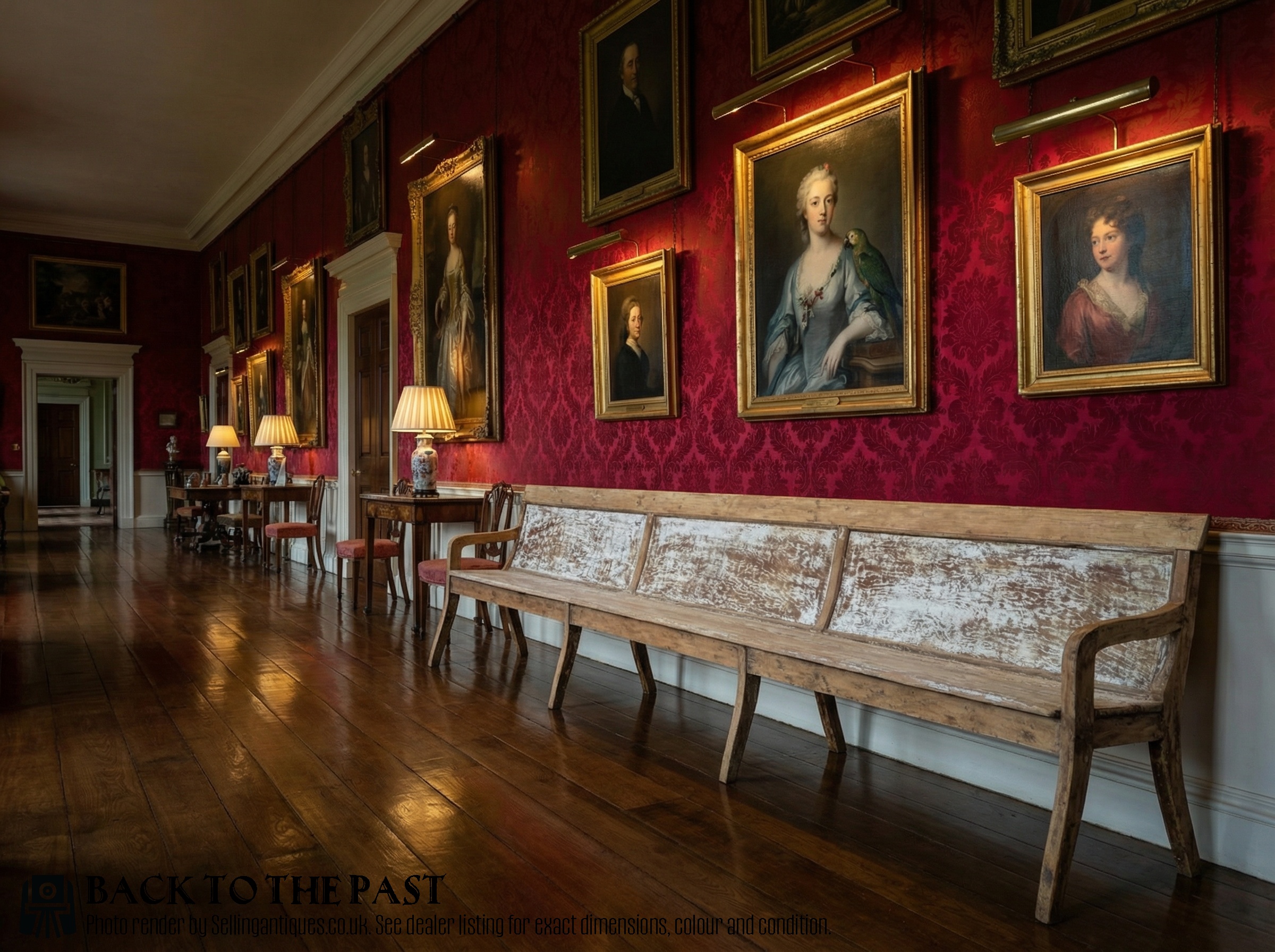
Materials and Construction
Makers utilised native timbers such as pine, pitch pine, elm, and oak to construct these benches. Solid wood construction ensures durability, often finished with wax to highlight the natural grain and patina of the timber.
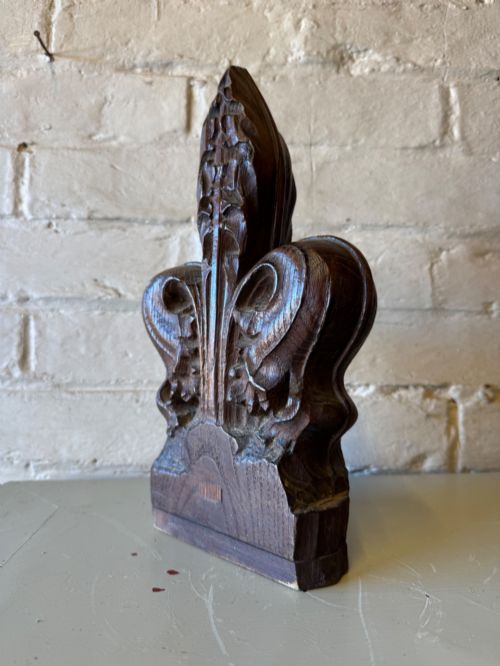
Construction techniques include panelled backs, trefoil carved supports, and joined frames designed to withstand heavy communal use. Some examples incorporate iron fixings or storage compartments beneath hinged seats.
Antique Wooden Pew Retail Price Guide 2026
Typical asking prices for wooden pew among the pieces listed under this phrase on Sellingantiques today, from the lower quarter to the upper quarter. They describe what is for sale here now, not the wider market.
Listings feature structural materials including pine, pitch pine, oak, elm, walnut, and hardwood across eighteenth, nineteenth, and early twentieth-century periods.
Assessing Quality and Character
Quality rests in the integrity of the timber, the depth of the original patina, and the proportion of the form. Untouched surfaces and honest wear distinguish pieces retaining their original character from heavily altered examples.
The sophistication of the joinery and carving separates standard utility seating from finer architectural pieces. Clean lines, sound structural frames, and regional design traits elevate the standing of individual benches.
The Antique Wooden Pew Glossary
- Settle
- A wooden bench with a high back, solid arms, and often a storage box beneath the seat. This form protected occupants from draughts in domestic interiors.
- Pitch Pine
- A dense, resinous softwood frequently utilised for nineteenth-century church pews. It displays a pronounced grain pattern.
- Gothic Revival
- An architectural and decorative style popular during the Victorian period. It draws inspiration from medieval design, featuring pointed arches and trefoil carvings.
- Patina
- The surface sheen and colour developed by wood over years of handling, waxing, and exposure to light. It serves as an indicator of age.
- Box Settle
- A bench featuring an enclosed compartment under the seat accessed via a hinged lid. This design provided functional storage in domestic spaces.
Antique Wooden Pew: Frequently Asked Questions
How do I choose the right size pew?
Measure your available wall space and floor clearance carefully before selecting a bench. Lengths vary significantly from compact hall seats to long church pews exceeding five feet.
Consider the depth of the seat and the height of the backrest to ensure the piece fits comfortably in hallways, dining areas, or living rooms without obstructing movement.
Were all pews originally used in churches?
Many examples served in churches, chapels, and waiting rooms, but a substantial number originated in domestic settings, taverns, and country houses. Settles and tavern benches were built specifically for secular public and private spaces.
Ecclesiastical pews often feature book ledges or numbered ends, while domestic settles typically incorporate storage compartments or enclosed backs designed to block draughts.
How should I care for a waxed wooden bench?
Maintain the finish by applying a quality beeswax periodically to nourish the dry timber. Avoid placing the wood in direct sunlight or near heat sources to prevent warping and splitting.
Dust regularly with a soft, dry cloth and clean gently when necessary without using harsh chemical polishes that strip the historic surface.
What is the difference between pine and oak pews?
Pine pews generally offer a lighter visual weight and a softer texture, often featuring painted finishes or warm waxed patinas suited to rustic interiors. Oak pews provide denser, heavier construction associated with formal Gothic revival and earlier centuries.
Oak pieces display prominent medullary rays and darker tones, whereas pine showcases knots and simpler grain patterns acquired through utilitarian service.