




Country Oak Settle
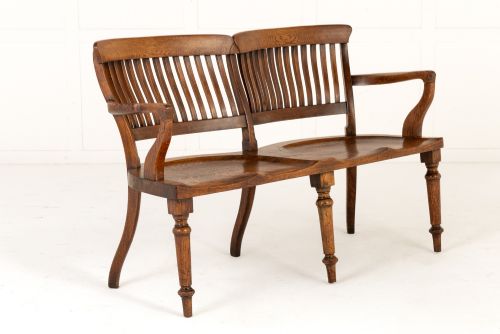
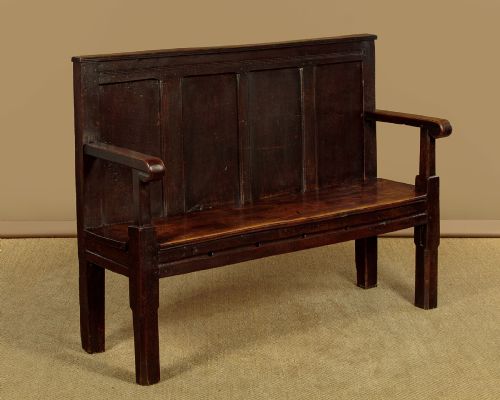
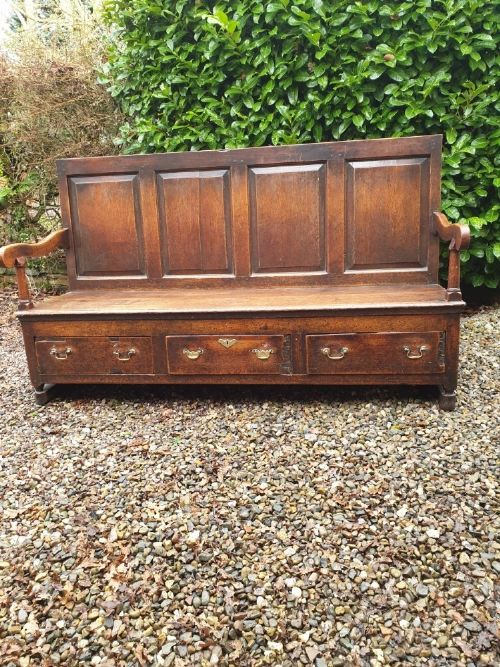
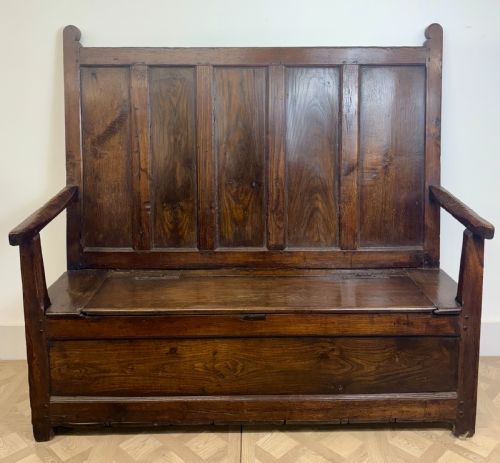
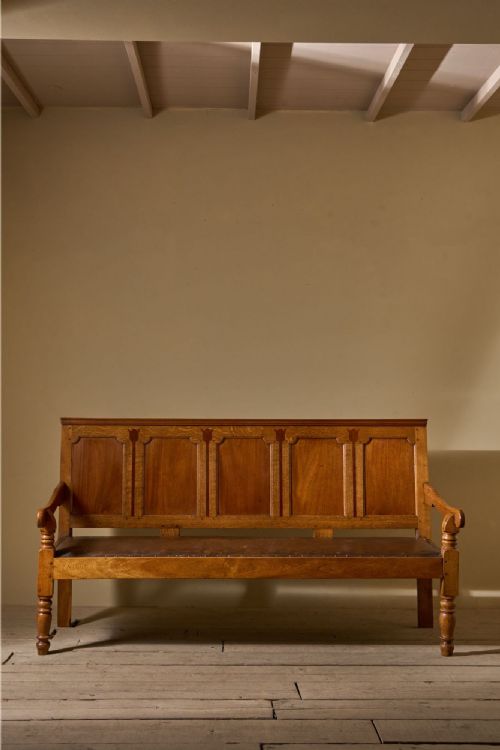
A country oak settle brings substantial timber architecture into a hallway, offering high panelled backs and deep box seats built for unheated rooms.
Country Oak Settle
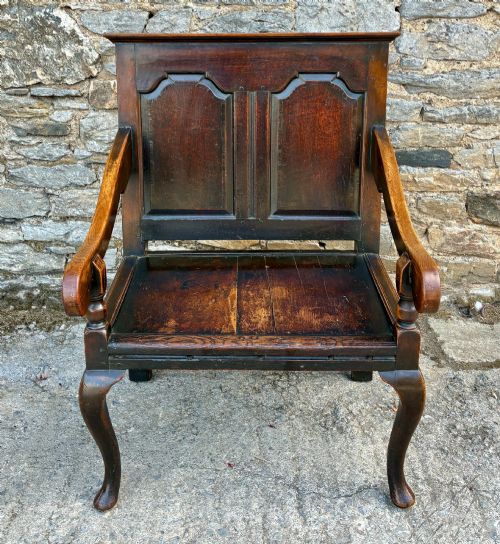
When you search for a country oak settle, you find high-backed wooden seating designed to block draughts in farmhouse kitchens and hallways. The form spans several centuries, running from seventeenth-century vernacular pieces through Georgian panel-backed examples to nineteenth-century variations.
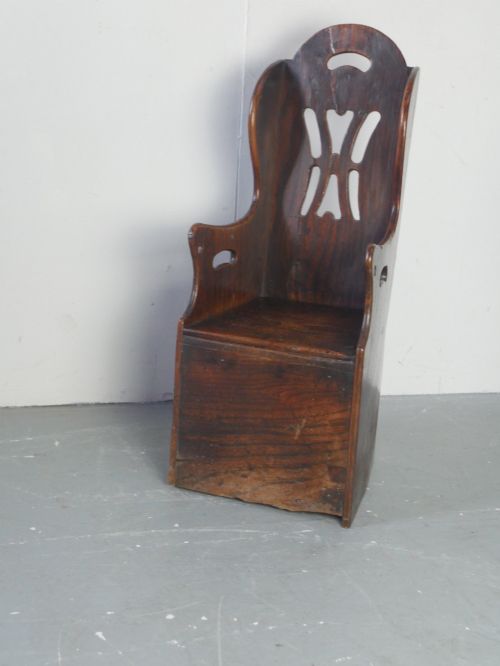
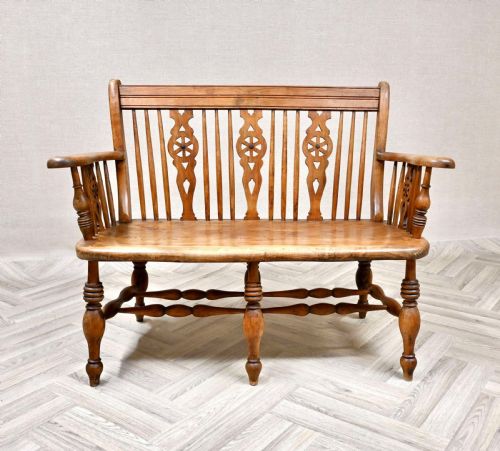
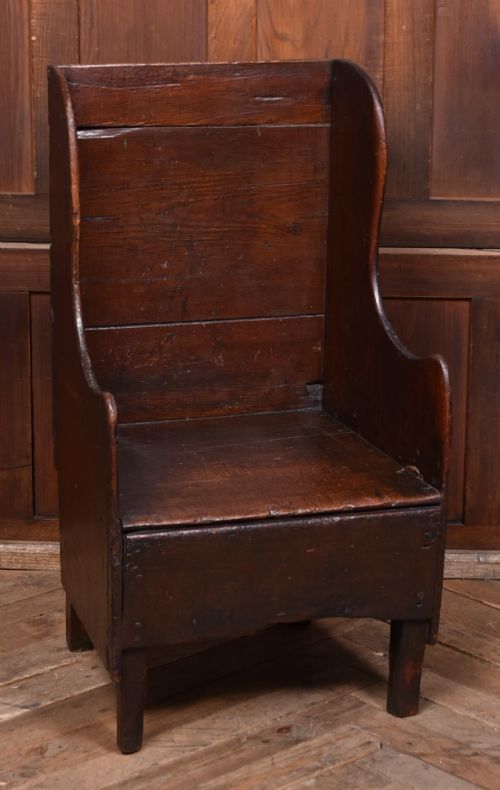
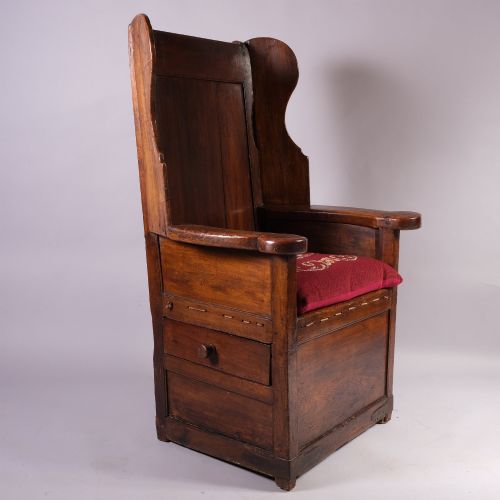
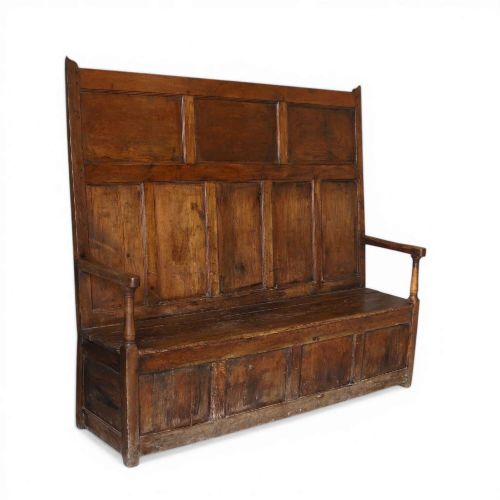
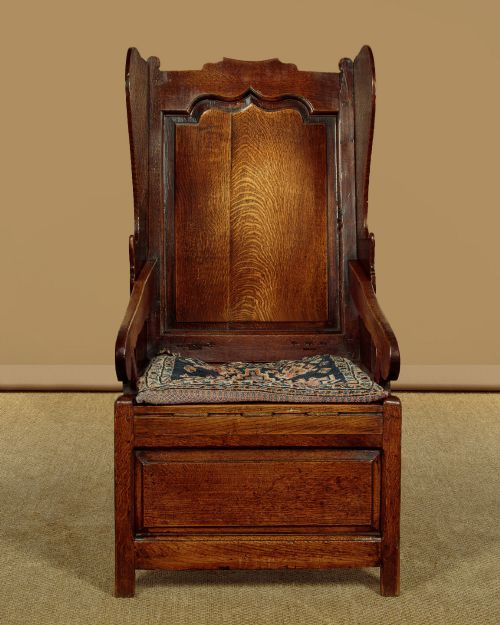
The pieces appearing here include straightforward panelled benches, enclosed box settles with hinged seats for storage, and wing-backed designs like lambing chairs. Regional varieties such as Welsh, North Country and West Country pieces surface frequently alongside English country examples.
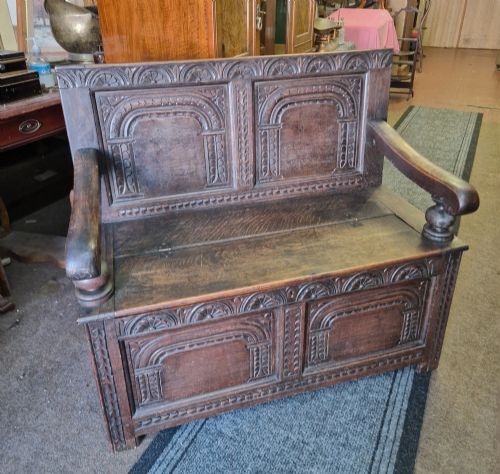
Plain panel construction dominates, though occasional carved motifs, heart cut-outs, or tulip decorations appear. Scale ranges from compact two-seater benches up to large country house and tavern settles meant for communal firesides.
What varies in quality
Quality rests in the integrity of the original construction, the depth of timber patination, and the retention of unaltered structural elements like original box bases and stile feet. Pieces retaining their early peg-joined framework and thick oak panels sit at the upper end of the scale.
Proportion and regional character dictate desirability, where crisp panel mouldings and well-balanced wing or barrel backs distinguish superior vernacular workshops from later adaptations or heavily restored examples.
Country Oak Settle Retail Price Guide 2026
Typical asking prices for country oak settle among the pieces listed under this phrase on Sellingantiques today, from the lower quarter to the upper quarter. They describe what is for sale here now, not the wider market.
Listings feature regional vernacular forms spanning the seventeenth, eighteenth, and nineteenth centuries, built from oak, elm, ash, and fruitwood.
The Country Oak Settle Glossary
- Box settle
- A wooden bench featuring a storage compartment beneath a hinged seat. The enclosed base prevented cold air from sweeping across the stone floorboards beneath.
- Lambing chair
- An enclosed high-backed armchair featuring solid wooden wings designed to shield the occupant from drafts. These pieces often incorporate small under-seat compartments or side pockets.
- Panel-back
- A construction method where thin timber boards sit within a grooved wooden frame. This technique allows the wood to expand and contract naturally with seasonal humidity changes.
- Barrel settle
- A semicircular or curved high-backed seating form enclosing the sitter. The curved wooden canopy effectively trapped heat around a hearth.
- Peg-joined
- A traditional assembly method using wooden dowels instead of metal nails to secure joints. This allowed early furniture to flex without breaking under stress.
Country Oak Settle: Frequently Asked Questions
Where did people use settles?
Historically, families placed these wooden seats in farmhouse kitchens, large hallways, and taverns where stone floors and uninsulated walls created severe draughts. The high solid back and side wings acted as windbreaks around the main hearth.
Over time, they moved into entrance halls to serve as convenient seating for putting on boots while storing outdoor gear within the integrated box bases.
How do I date an oak settle?
Dating relies on examining the construction methods, such as hand-split oak panels, pegged frame joints, and the tool marks left by early carpenters. Seventeenth-century examples often display heavy framework and simpler linear mouldings.
Georgian and eighteenth-century pieces frequently feature refined five-panel backs and more sophisticated proportions. Nineteenth-century revivals tend to use machine-sawn timber and softer secondary woods like pine.
What is a box settle?
A box settle combines a high-backed wooden bench with an enclosed storage chest beneath the seat. Lifting the hinged seat board reveals a deep well originally used for storing blankets, heavy woollens, and household stores.
This dual-purpose design maximised utility in smaller rooms where floor space remained at a premium.
How do I style a settle at home?
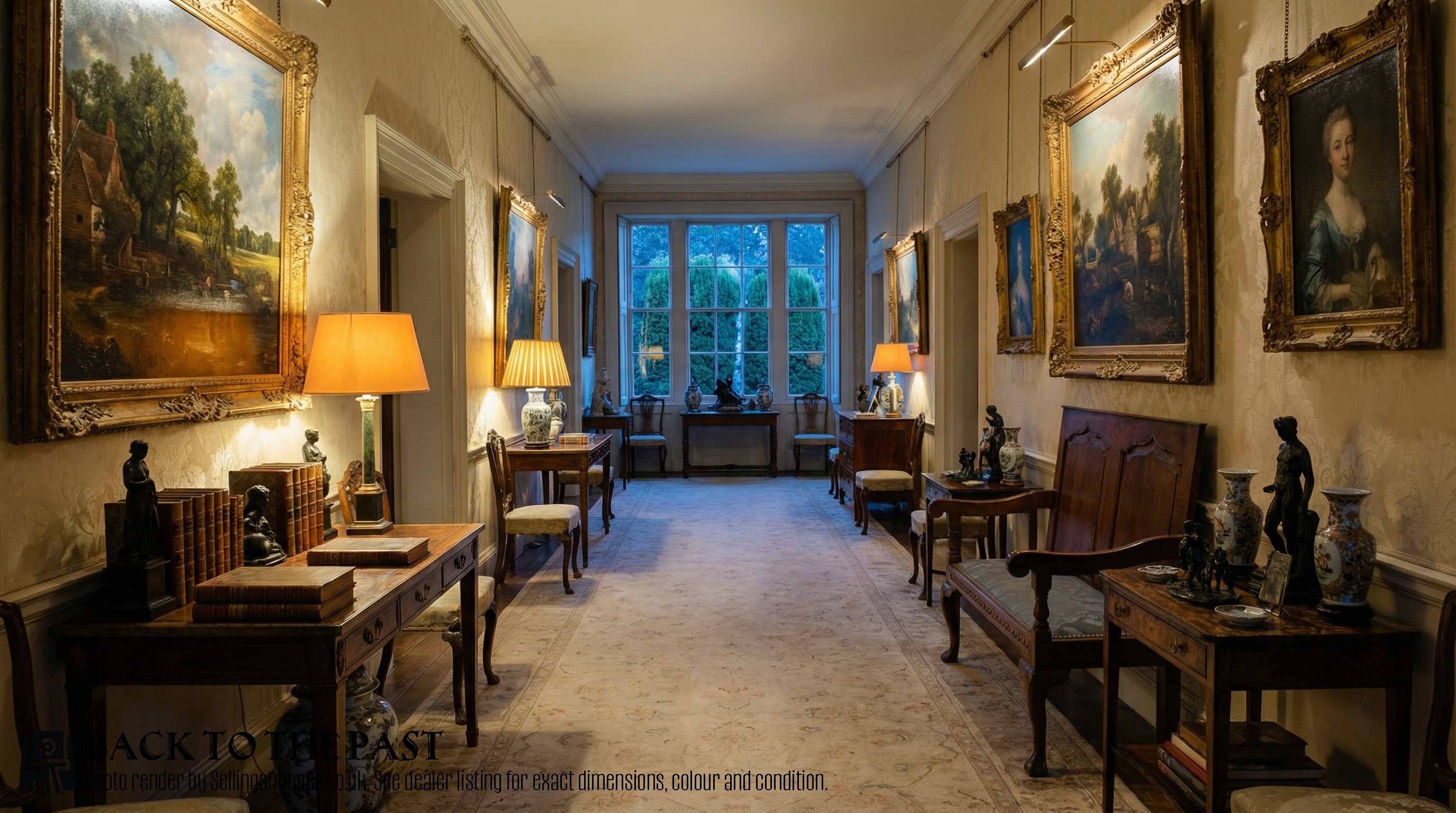
Placing one in an entrance hallway immediately provides a practical spot for seating alongside hidden storage for everyday items. Adding simple linen or wool cushions softens the hard timber seat while complementing the natural oak grain.
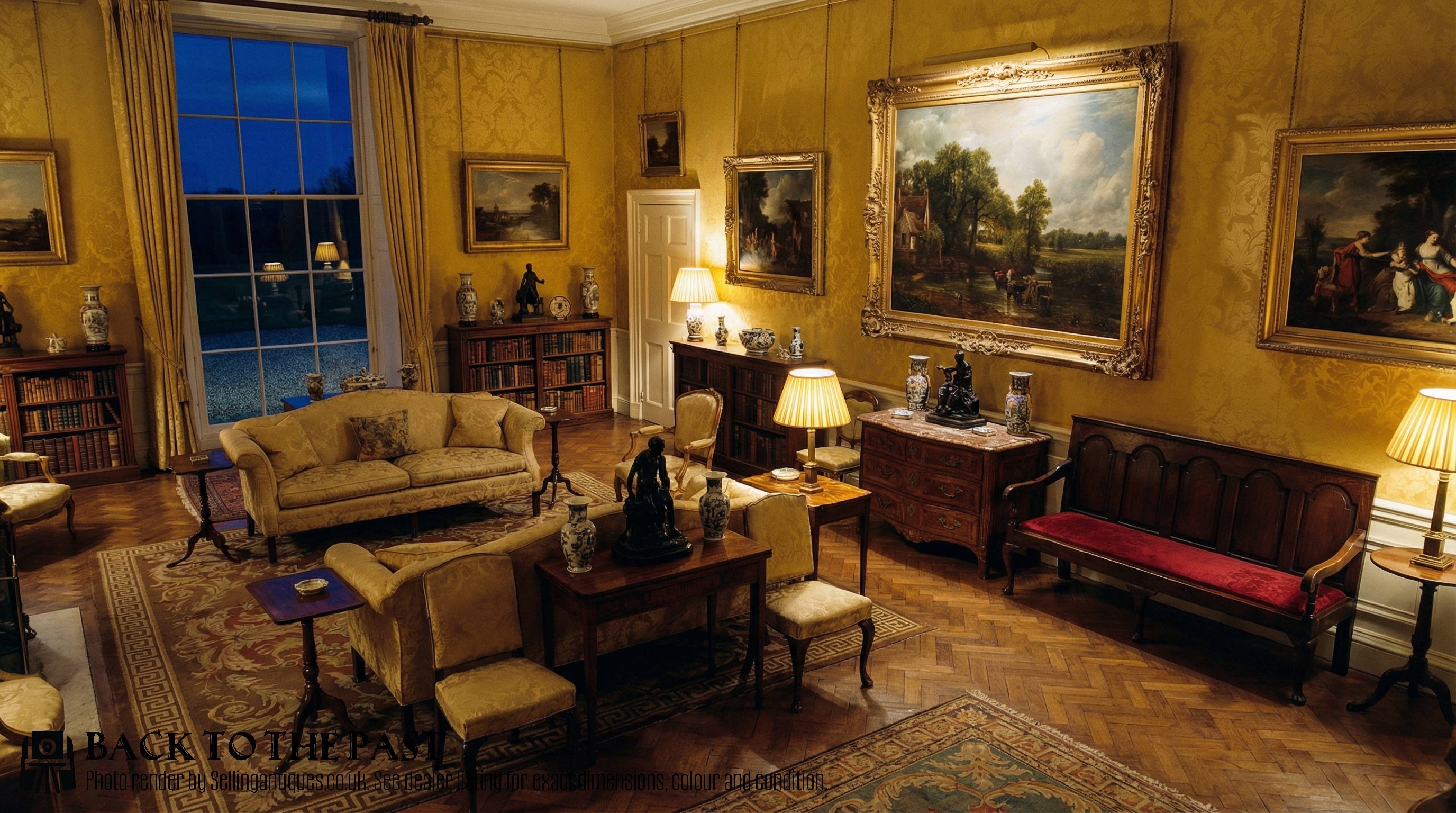
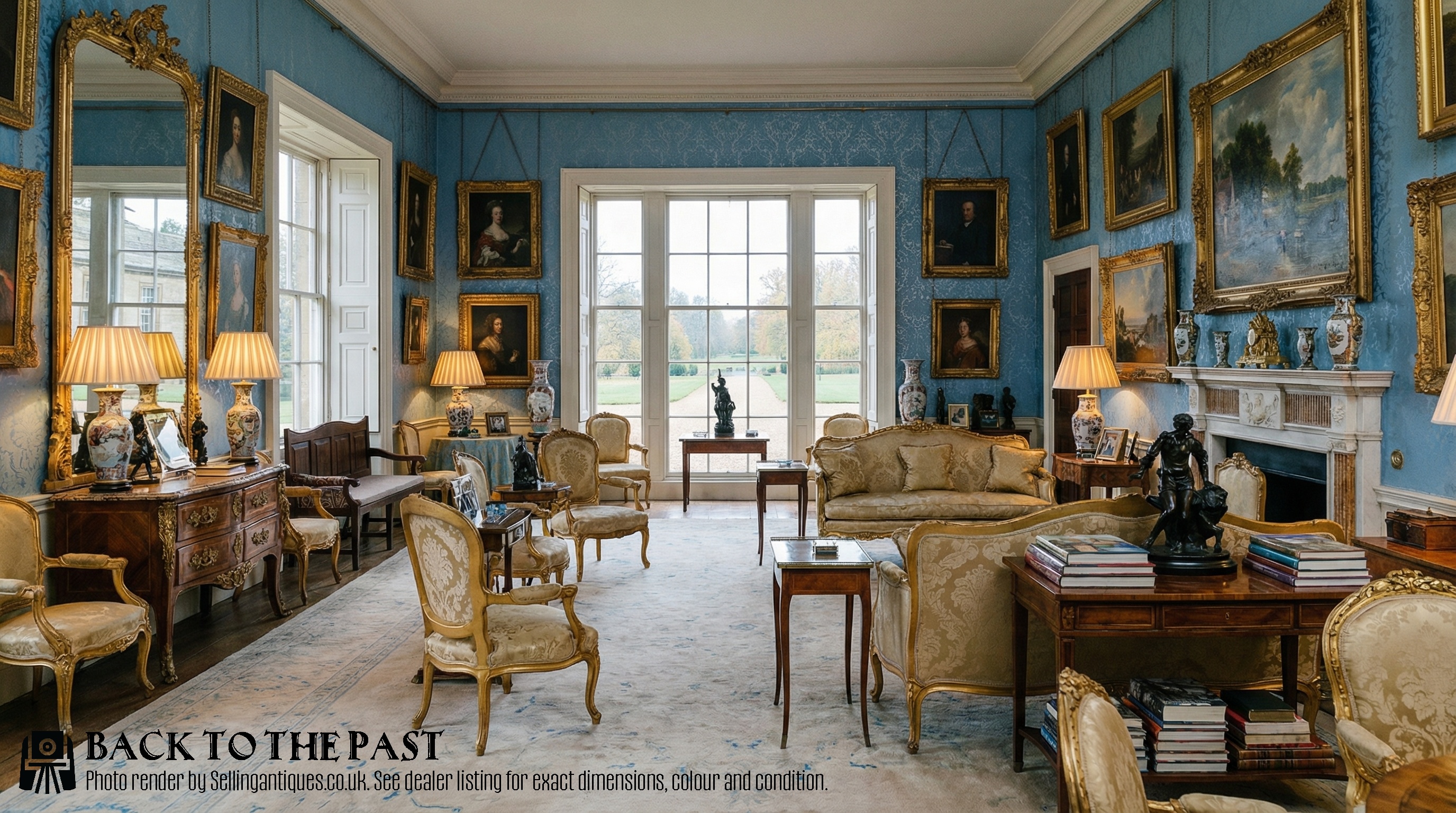
In larger living spaces, positioning the piece against a plain wall allows the panelled back and historic patination to serve as a strong architectural anchor.