
Oak Bench Seat
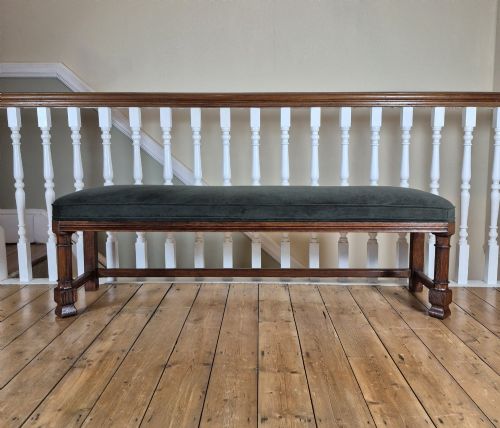
An oak bench seat brings honest grain and sturdy architecture into a hallway or living space, offering practical seating paired with traditional craftsmanship.

Oak Bench Seat
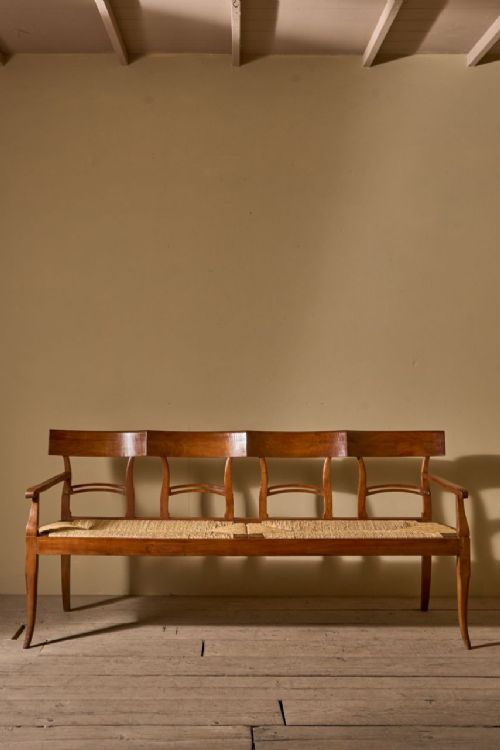
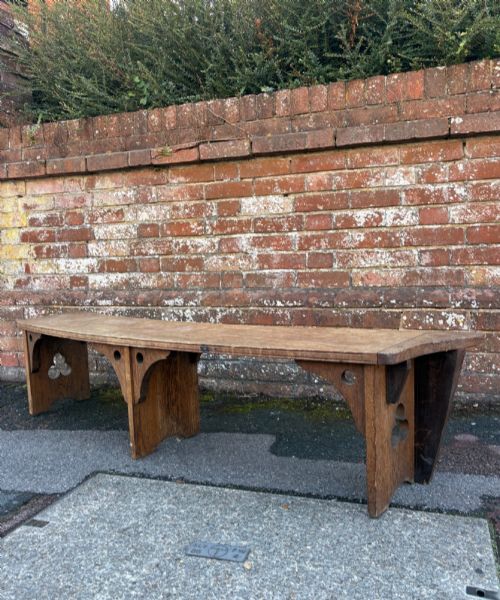
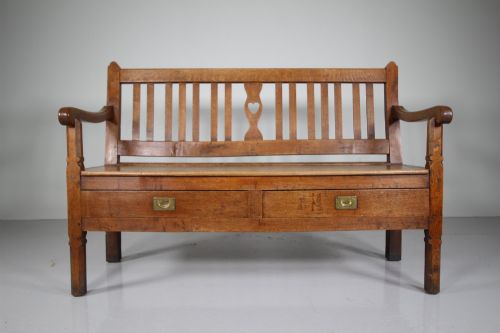
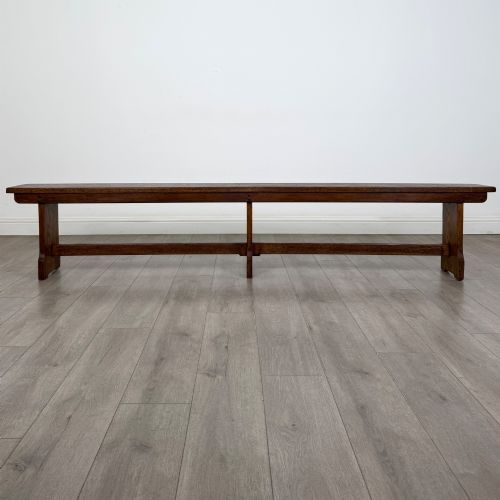
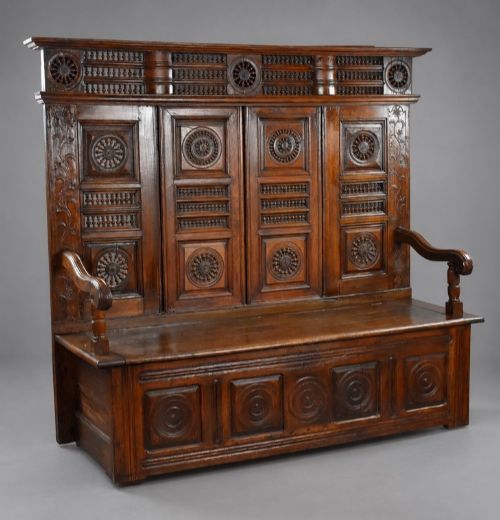
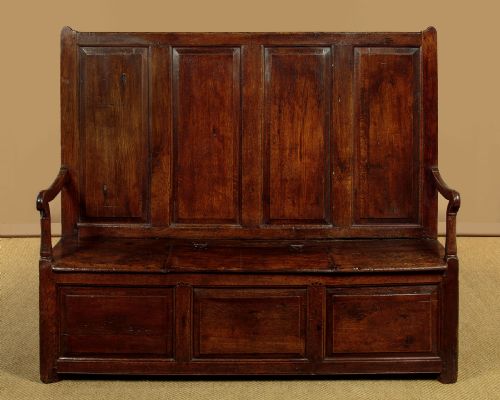
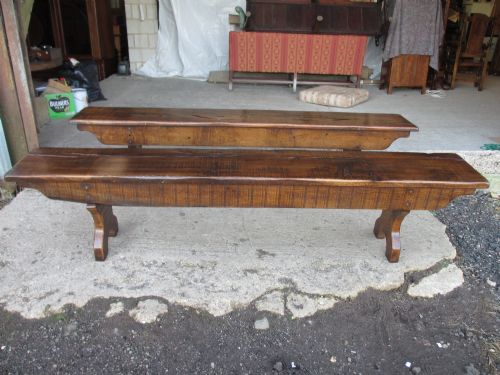
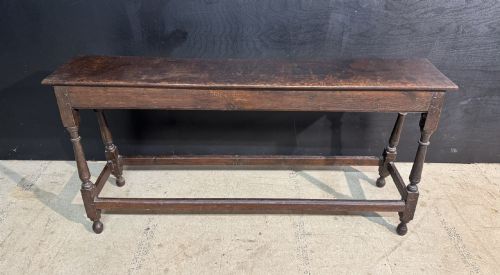
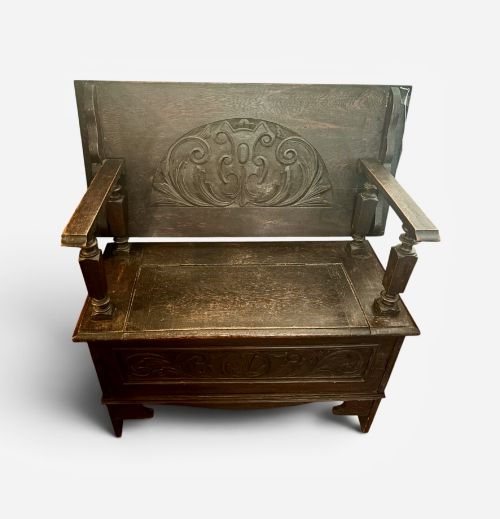
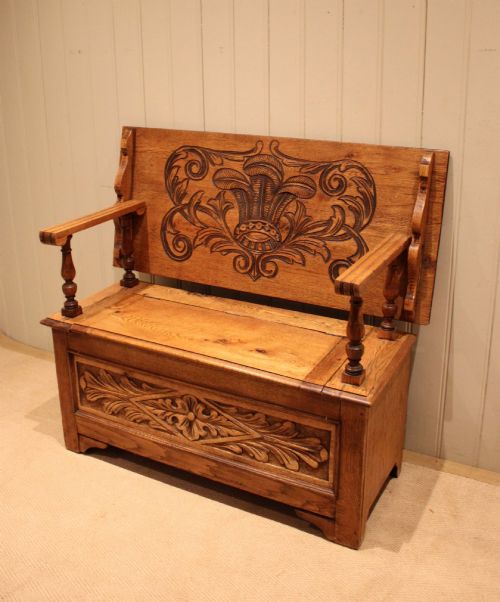
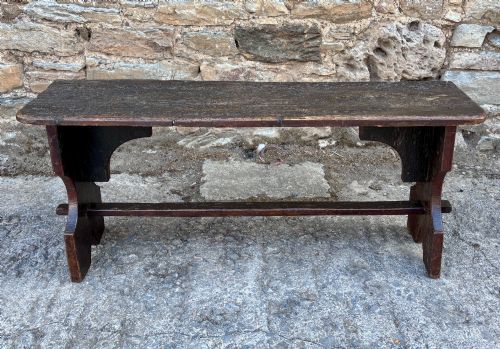
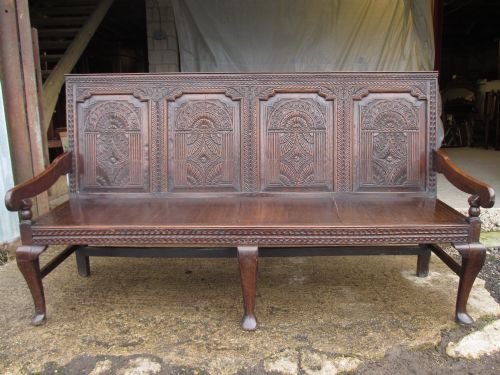
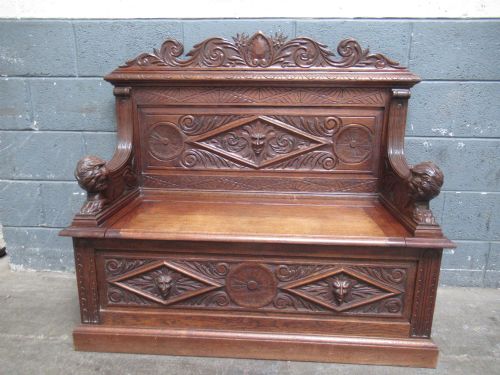
The versions most commonly met on this page range from Victorian and Edwardian hall benches to earlier Georgian box settles and compact monk's benches with fold-over tops. They span diverse regional styles such as Welsh country pieces and architectural designs influenced by Pugin, offering narrow proportions suitable for hallways or long spans for larger rooms.
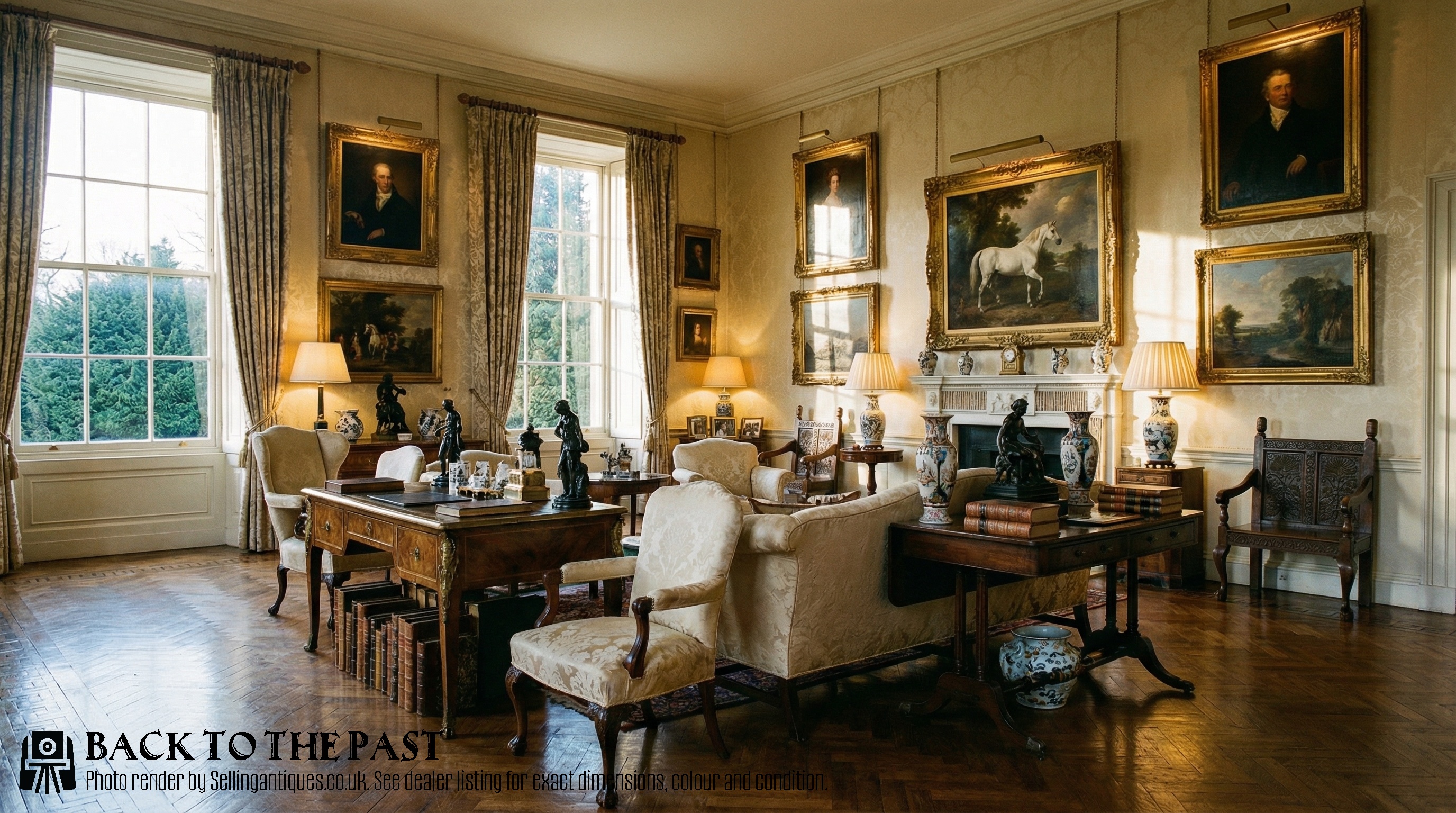
How they were made
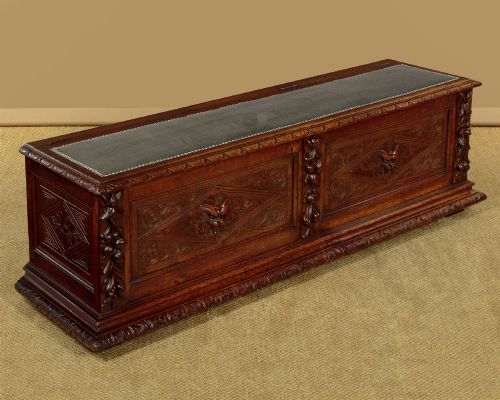
The construction relies heavily on solid oak timber complemented by secondary woods like elm and ash, jointed with traditional methods to withstand heavy daily use. Many examples incorporate brass fixtures, iron hinges, and upholstered elements featuring leather or woven fabric.
Carpenters utilised hand-carving, panel framing, and turning techniques, with some pieces displaying elaborate trefoil cutouts, architectural tracery, or plain plank construction depending on their period and intended domestic or institutional setting.
Oak Bench Seat Retail Price Guide 2026
Typical asking prices for oak bench seat among the pieces listed under this phrase on Sellingantiques today, from the lower quarter to the upper quarter. They describe what is for sale here now, not the wider market.
Listings span multiple eras from the 18th century through to the Edwardian period, utilising oak alongside elm, ash, brass, and iron.
What varies in quality
Quality in these benches is dictated by the character of the timber selection, the depth and crispness of the hand-carving, and the integrity of the original construction joints. Superior examples display mature grain patterns, harmonious proportions, and robust structural joinery rather than purely decorative additions.
The presence of period-correct functional elements, such as smoothly operating storage box lids, integrated stick stands, or untouched patination from age and wax polishing, separates exceptional workshop pieces from simpler utilitarian items.
GIllows·Liberty and Co·Bruce Talbert
The Oak Bench Seat Glossary
- Settle
- A wooden bench with a high back, solid arms, and frequently a box compartment beneath the seat for storage. These pieces historically kept draughts at bay in large farmhouse kitchens and hallways.
- Monk's bench
- A multi-functional furniture form featuring a hinged top that converts the backrest into a table surface. It is designed for compact spaces where versatility is required.
- Joint stool
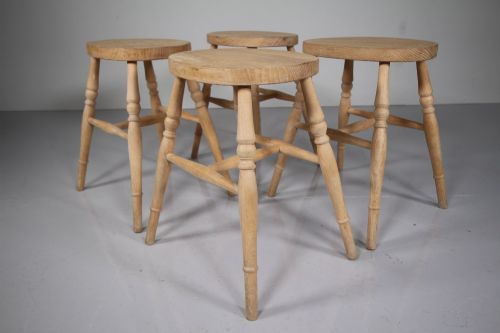
- A sturdy, low wooden stool constructed with mortise and tenon joints, frequently utilised as supplementary seating or window seats. Their tight framework provides remarkable stability.
- Box settle
- A heavy oak bench incorporating a lidded compartment under the seat pan for domestic storage. They represent a staple of country house and tavern furniture.
- Gothic Revival
- A nineteenth-century design movement drawing inspiration from medieval architecture, characterised by pointed arches, trefoil motifs, and heavy carved tracery. This style heavily influenced Pugin-designed hall benches.
Oak Bench Seat: Frequently Asked Questions
What is an oak bench seat used for?
These benches serve primarily as practical seating and storage solutions in entrance halls, corridors, and living rooms. Many designs incorporate built-in boxes or fold-over surfaces for everyday utility.
Historically, high-backed variants protected inhabitants from cold draughts near farmhouse doorways. Today, they function as striking focal points that combine display space with robust daily seating.
How do I tell an 18th-century settle apart from a Victorian one?
Earlier eighteenth-century examples typically display simpler, hand-hewn panel construction with deep patination accumulated through generations of use. Their joinery and proportions reflect rural domestic utility.
Victorian and later pieces often feature more exuberant revival decoration, such as elaborate machine-assisted or deep hand-carving, Gothic tracery, and turned elements like bobbin or barley twist supports.
Where should I place an oak bench seat at home?
Narrow hallway iterations fit neatly into corridors to provide a convenient spot for changing footwear. Versions with integrated umbrella stands or lift-up lids offer hidden storage for household clutter.
Longer tavern or window benches suit dining areas or spacious landings where their substantial timber frames can be fully appreciated against plain walls.
How do I care for an antique oak bench?
Maintain the timber by applying traditional beeswax periodically to nourish the dry grain and preserve the surface sheen. Avoid placing the furniture near direct heat sources or in strong sunlight.
Dust regularly with a soft cloth and handle moving parts like hinged lids gently to protect historic joints from unnecessary strain.