




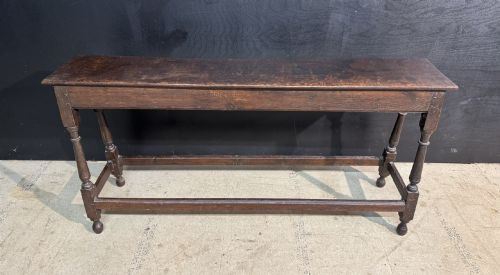
Traditional Oak Bench
A traditional oak bench brings honest, utilitarian timber seating into an interior, offering practical storage and solid construction rooted in centuries of vernacular design.
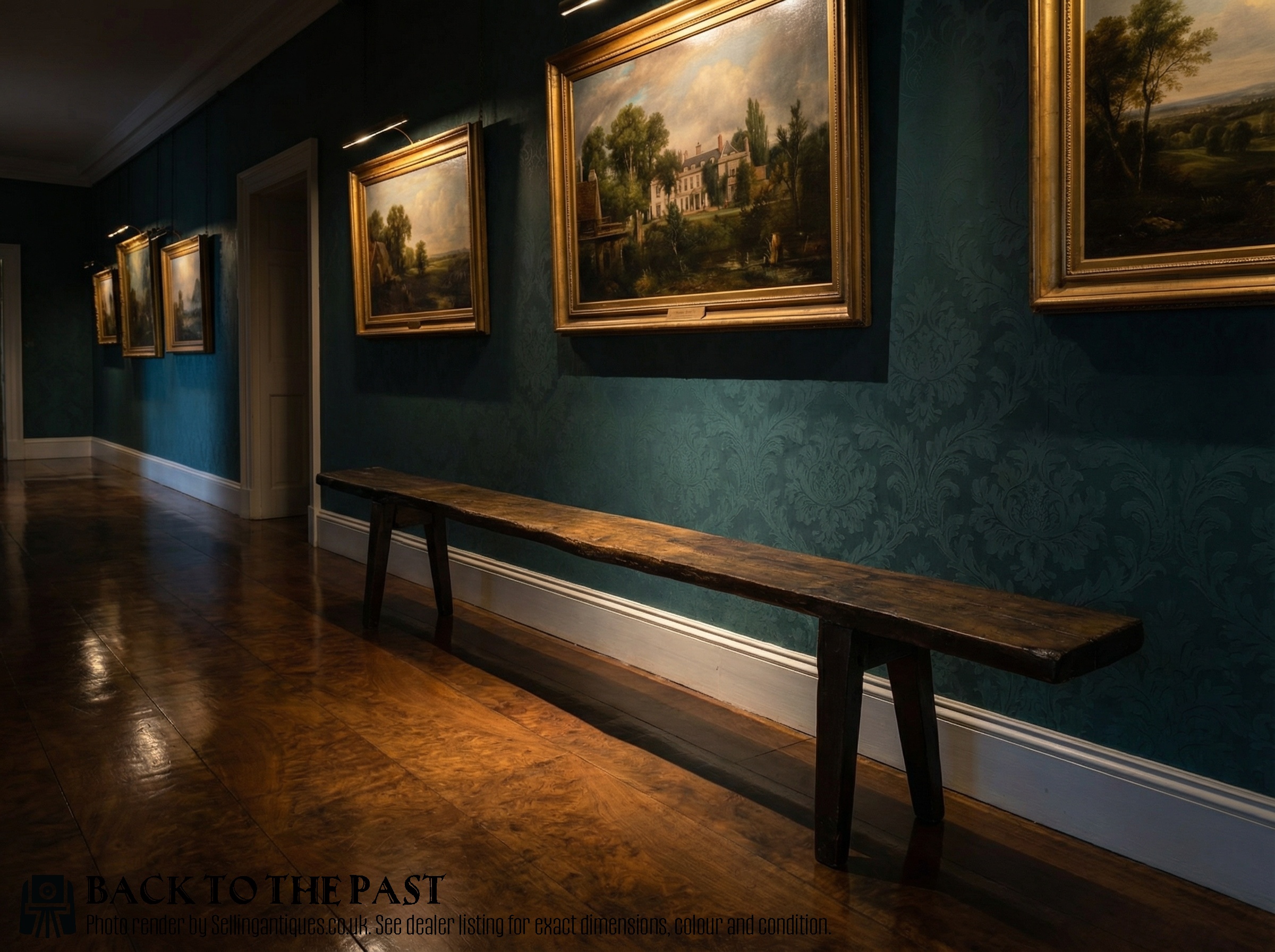
Traditional Oak Bench
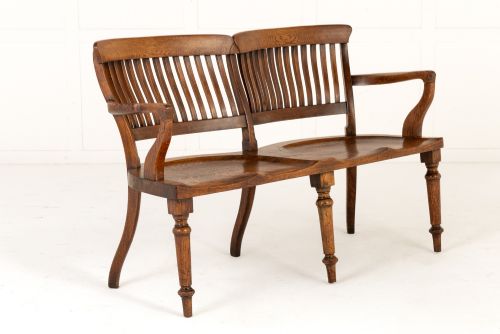
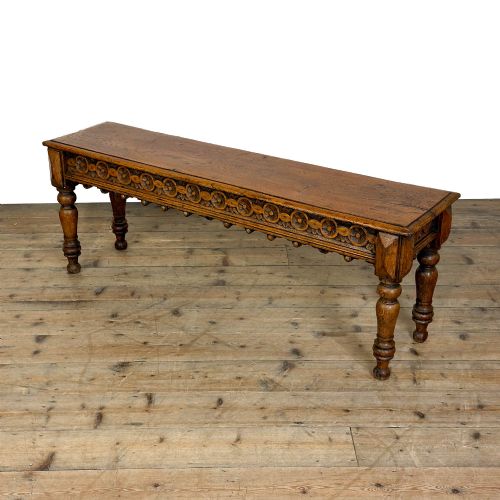
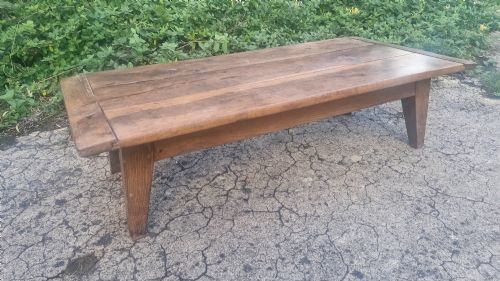
A traditional oak bench spans several centuries of domestic seating, appearing primarily as provincial hall seats, settles, and refectory forms from the eighteenth, nineteenth, and early twentieth periods.
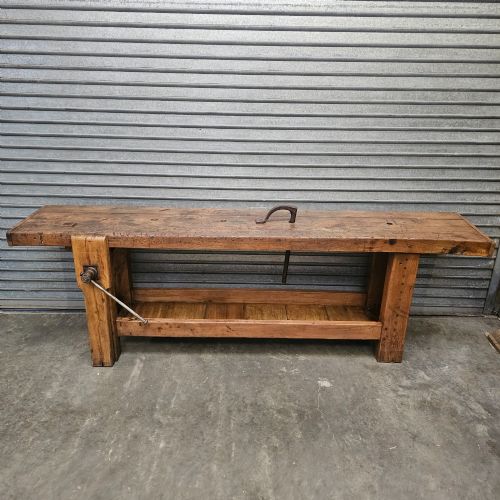
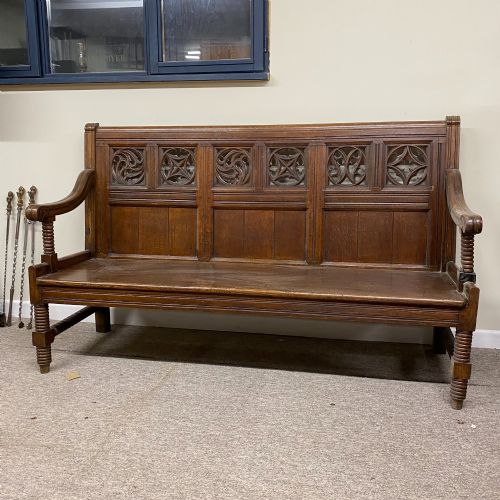
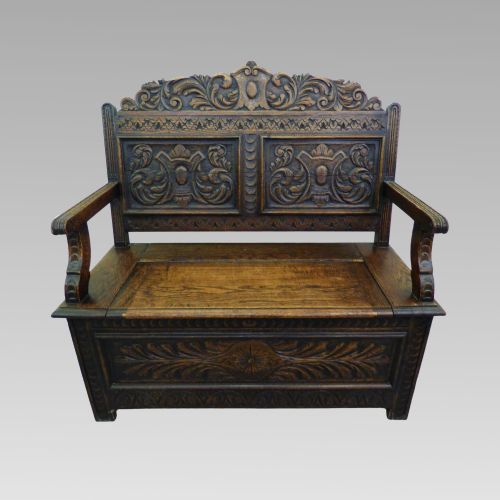
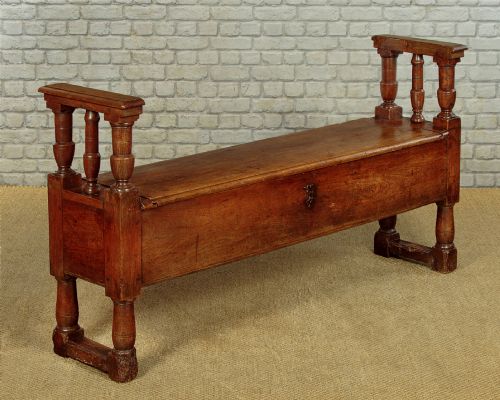
Buyers will encounter sturdy box settles with lift-up lids, simple joint benches, and carved hall seats designed for narrow corridors and farmhouse kitchens.
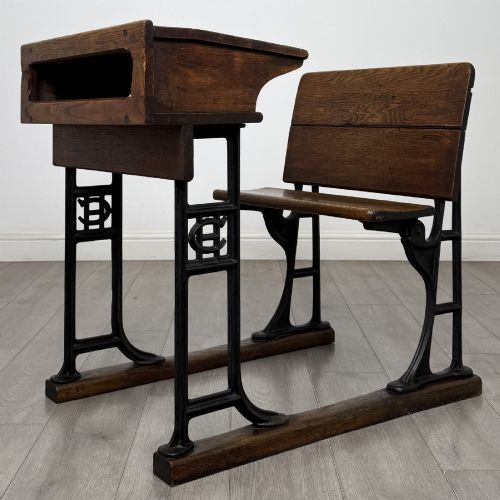
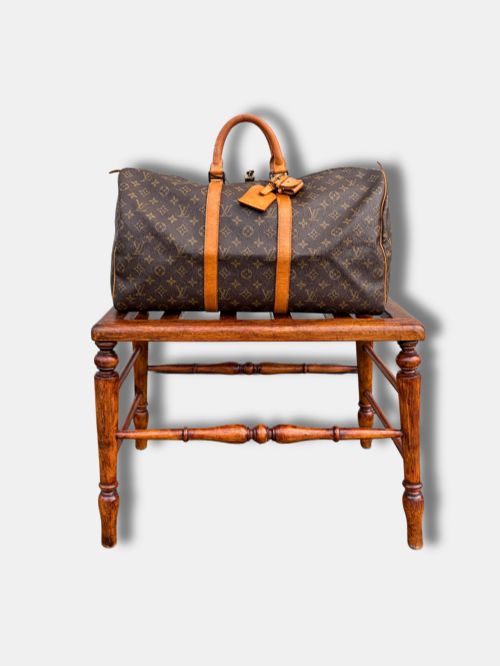
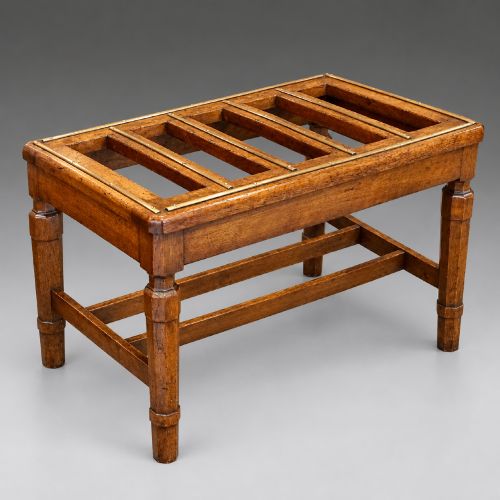
Origins range across English country workshops and Welsh joinery, incorporating related forms like settles, stools, and luggage stands built from heavy timber.
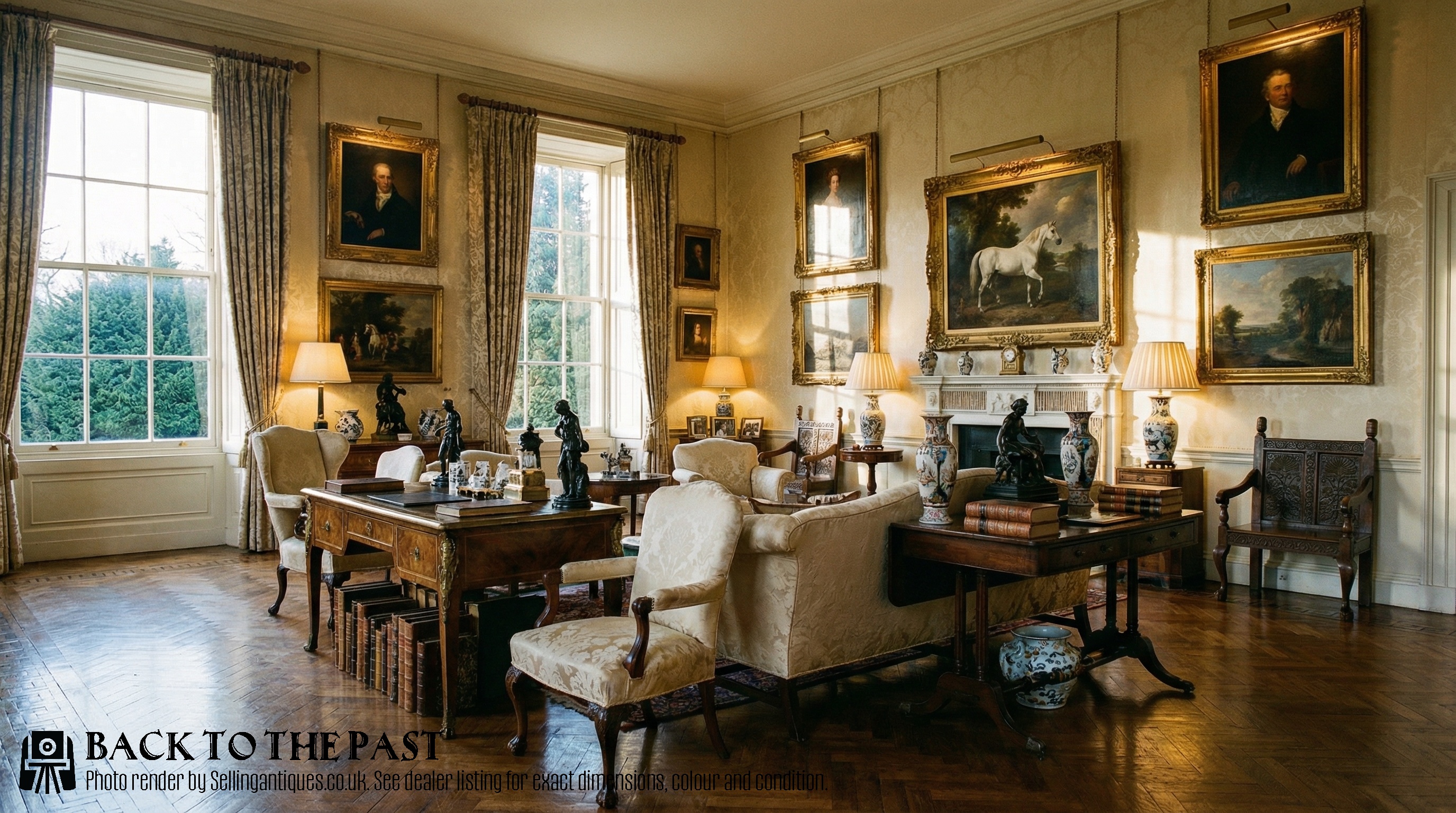
What varies in quality
Quality separates through the integrity of the timber selection, distinguishing dense solid oak boards and well-balanced proportions from simpler utility pieces.
The sophistication of period carving, panel construction, and the survival of original integrated storage compartments dictate the standing of individual examples.
Originality of surface finish and the retention of structural stability without intrusive modern repairs mark the distinction between ordinary and superior pieces.
Traditional Oak Bench Retail Price Guide 2026
Typical asking prices for traditional oak bench among the pieces listed under this phrase on Sellingantiques today, from the lower quarter to the upper quarter. They describe what is for sale here now, not the wider market.
Some versatile nineteenth-century examples doubled as monk's benches with fold-over tops that transformed the seat back into a makeshift table.
The Traditional Oak Bench Glossary
- Settle
- A high-backed wooden bench with solid arms and a closed base, often featuring internal storage beneath the seat. This form protected occupants from draughts in older domestic interiors.
- Joint stool
- A sturdy wooden stool constructed with mortise and tenon joints, employing pegs rather than glue. These pieces served as flexible seating or small tables.
- Box settle
- A heavy seat incorporating a hinged lid that opens to reveal a deep storage compartment. They were traditionally placed near hearths for household items.
- Refectory bench
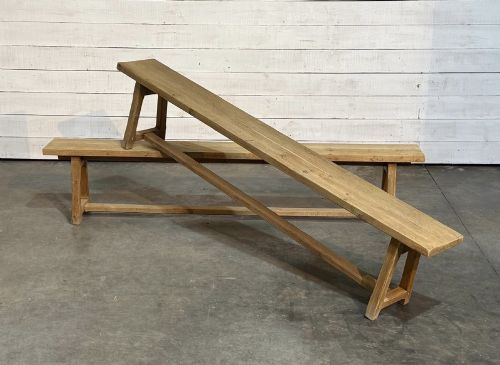
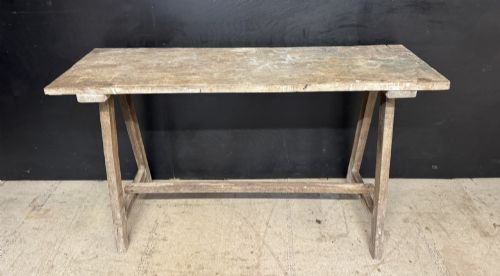
- A long, linear form designed to accompany large dining tables, constructed with robust trestle or straight legs. They provide communal seating derived from monastic dining halls.
- Hall bench
- A narrow seat positioned in an entranceway, frequently combining back panels, arms, and storage for boots or outdoor wear.
Traditional Oak Bench: Frequently Asked Questions
Where should I place a traditional oak bench?
These pieces suit narrow hallways, boot rooms, or dining spaces where linear seating and practical storage are required.
Their robust timber construction also allows them to function effectively against plain walls in living areas.
How do I care for solid oak furniture?
Maintain the timber by applying appropriate wax finishes periodically to nourish the grain and protect against dry indoor atmospheres.
Avoid placing wooden furniture near direct heat sources to prevent timber splitting.
Can I use an antique bench for everyday seating?
Solid oak and elm construction provides the structural strength necessary for daily domestic use in modern homes.
Ensure joints remain stable and seat boards are secure before committing them to heavy traffic.