

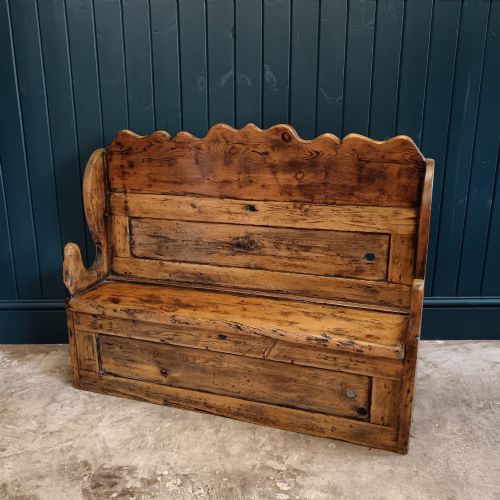
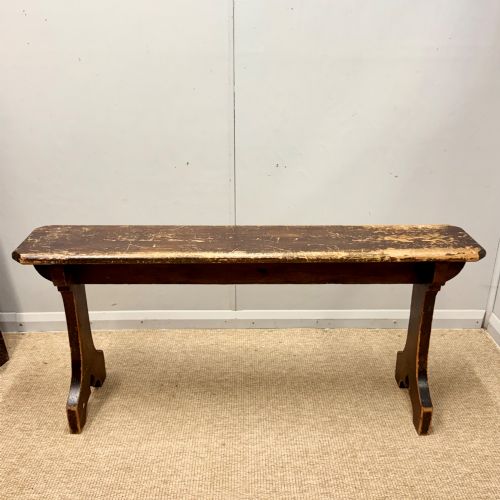
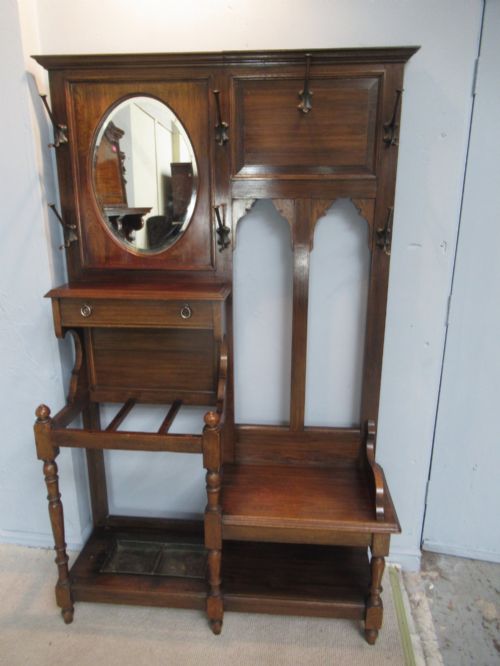
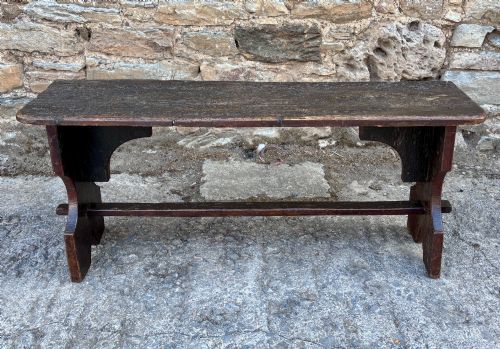
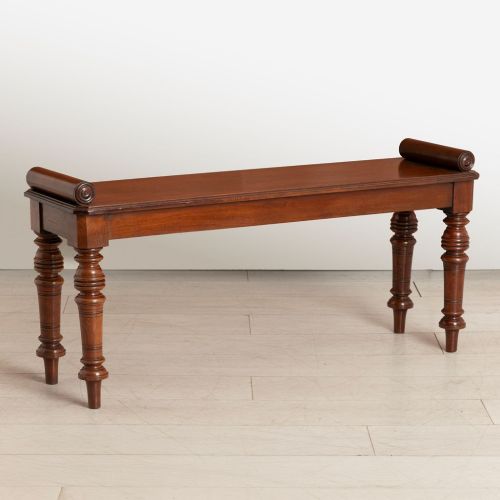
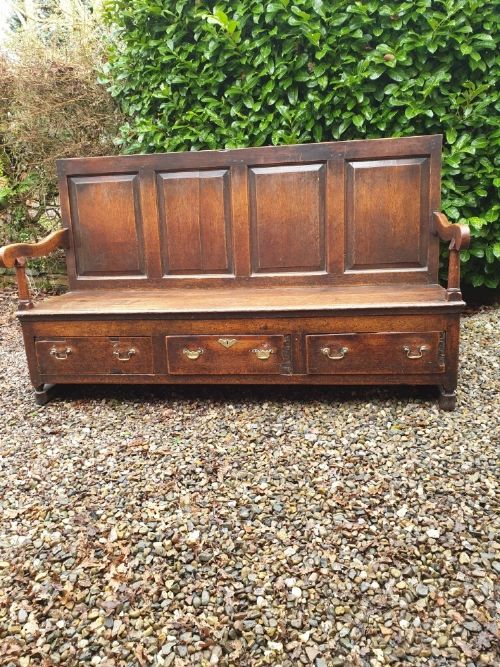
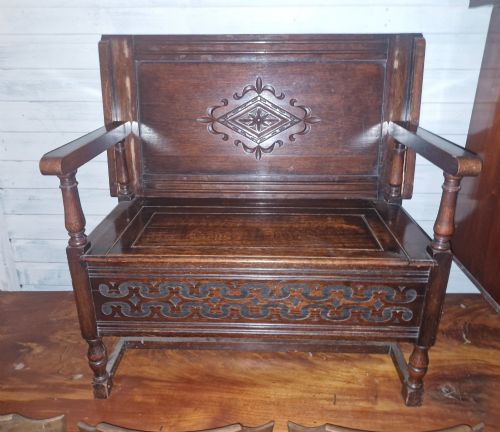
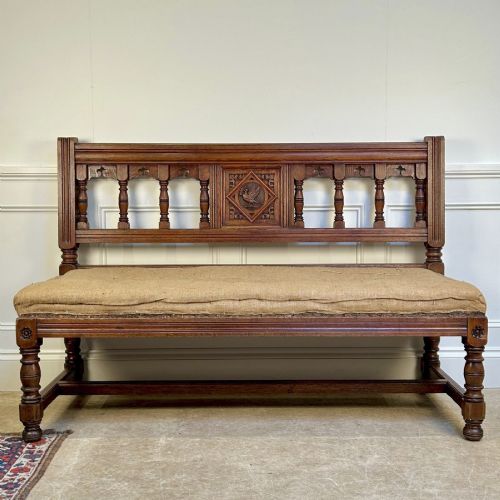
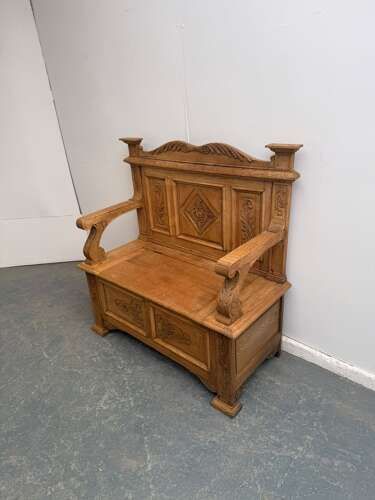
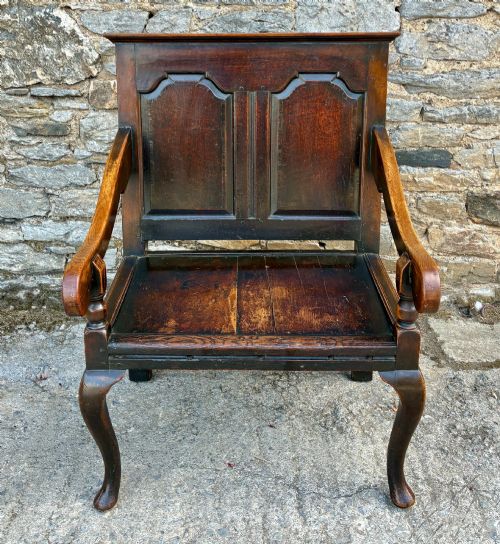
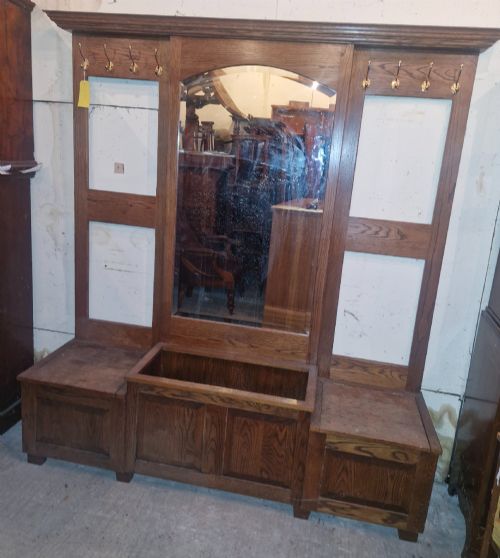
Wooden Hallway Bench
A wooden hallway bench anchors an entrance with practical seating and storage, offering the robust character collectors seek.
What They Are
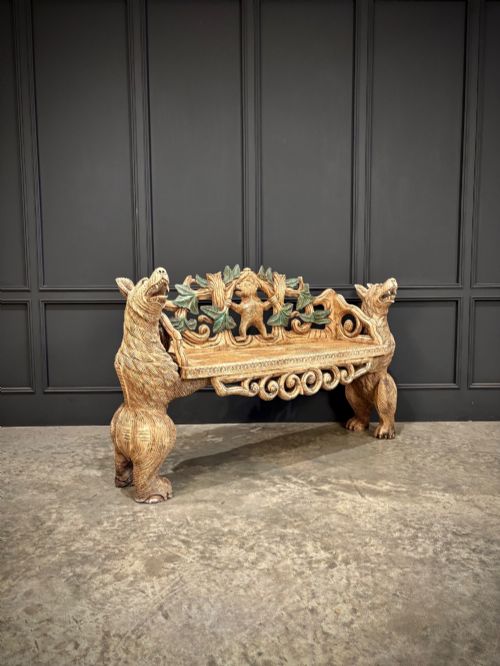
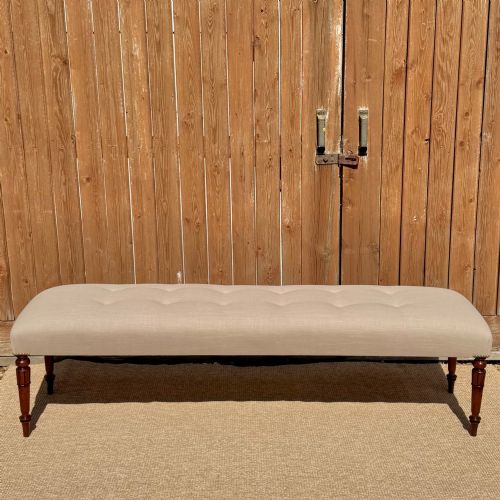
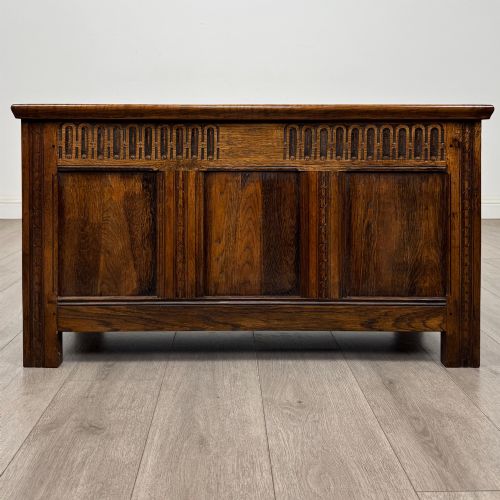
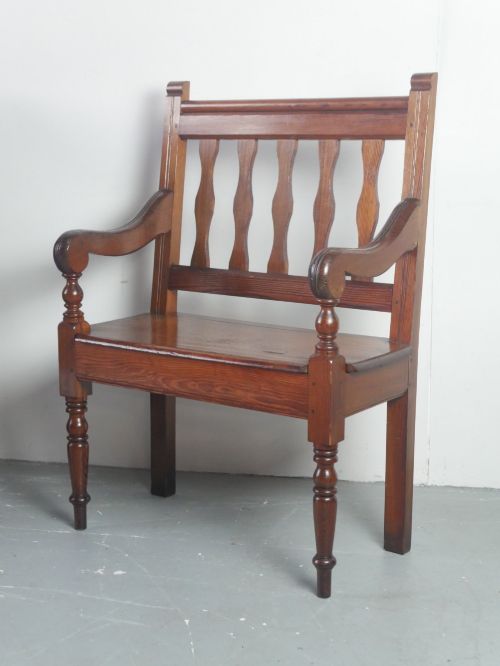
A wooden hallway bench spans several distinct historical periods and forms, ranging from simple pine seating to architectural settles. When you search for a wooden hallway bench, you encounter forms that served domestic and institutional spaces alike.
Geographic and stylistic variations include English country pieces, rustic country designs, Scandinavian country examples, and Victorian Gothic items. These variations reflect the utilitarian origins of each piece and the regional timber available to the maker.
How They Were Made
Carpenters constructed these benches using solid timbers such as oak, pine, pitch pine, and softwood. Construction methods relied on traditional joinery suited to heavy daily use in hallways, porches, and churches.
Surfaces frequently show historical finishes including applied paint, traditional wax, or exposed timber grain. These finishes protect the wood while recording the long history of use each piece has endured.
Retail Price Guide 2026
Typical UK retail prices for wooden hallway bench, calculated from the Sellingantiques database of over a million retail prices indexed since 2003. This retail price guide relies exclusively on Sellingantiques data; no external sources or auction records are used, so the figures do not describe the wider market.
The listings span five distinct periods from 1750 through the early twentieth century, utilising pine, oak, pitch pine, and softwood.
What Varies in Quality
Quality in these benches rests on the integrity of the timber and the honesty of the construction. Pieces utilising dense pitch pine or well-figured oak demonstrate superior structural endurance compared to softer utility timbers.
Refinement of style also separates examples, distinguishing plain utilitarian settles from Gothic church pews with architectural tracery. The presence of untouched early surfaces rather than modern alterations governs desirability.
The Wooden Hallway Bench Glossary
- Settle
- A wooden bench featuring a high back to block draughts, often incorporating a box seat beneath for storage. This form dates back centuries and remained a staple in hallways and kitchens.
- Pitch Pine
- A durable, resinous softwood widely utilised in the nineteenth century for heavy-use church and hallway seating. It possesses a distinctive grain pattern that darkens richly with age.
- Pew
- A long bench traditionally found in churches, occasionally repurposed for domestic hallways. Victorian examples often display Gothic revival details.
- Softwood
- Timber derived from conifers, such as pine, frequently utilised in country furniture for its workability and abundance. It takes paint and wax finishes readily.
Frequently Asked Questions
What is a settle bench?
A settle is a traditional wooden bench with a high back and solid arms designed to keep out cold draughts in unheated hallways and rooms. Many examples feature a hinged seat opening to reveal storage space underneath.
Historically placed near entrance doors, these pieces provided both a seat for visitors and a practical place to store household goods.
How do I date a wooden bench?
Dating relies on examining the timber species, tool marks, joinery techniques, and overall style visible in the construction. Pieces from the eighteenth century often show hand-planed surfaces and pegged joints, whereas Victorian items frequently utilise pitch pine and factory-assisted joinery.
Comparing the hardware, such as hinges and nails, alongside the wear patterns helps confirm the period of origin.
Are church pews suitable for hallways?
Church pews provide long, narrow seating that fits well against hallway walls without blocking narrow pathways. Their sturdy construction ensures they withstand heavy daily use.
Many retain architectural details from their ecclesiastical origins, adding a distinct focal point to an entrance.
What wood is best for a hallway bench?
Hardwoods like oak offer exceptional strength and historical presence, making them resilient choices for high-traffic entryways. Softwoods like pine and pitch pine provide lighter alternatives with charming rustic character and warm grain.
Selection depends on the desired aesthetic, whether painted country style or exposed waxed timber.