

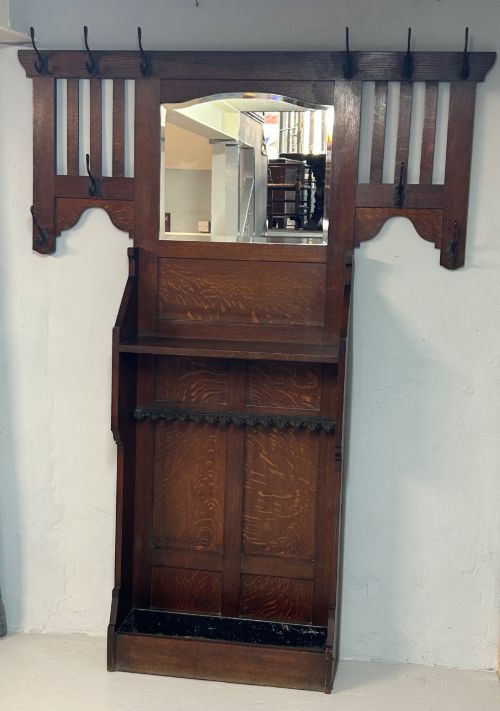
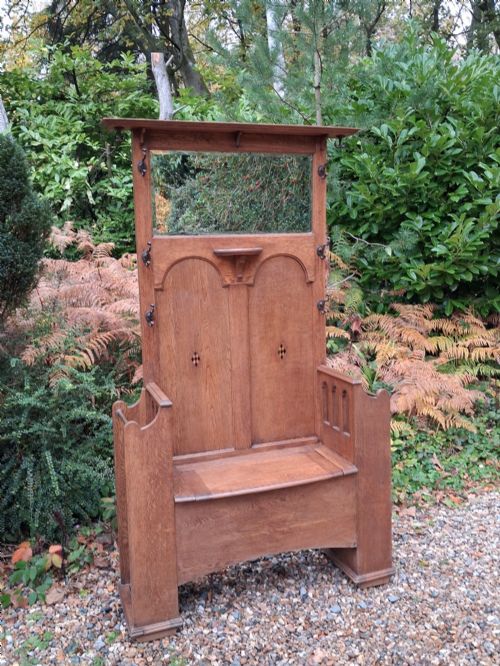
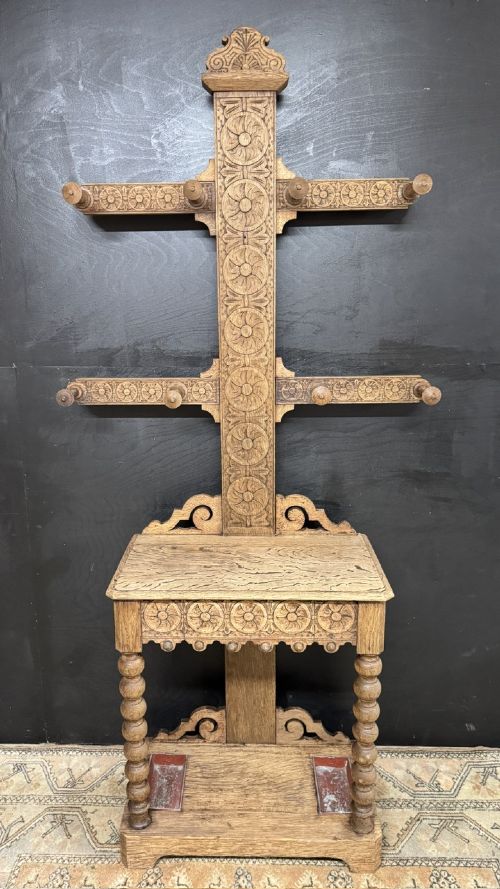
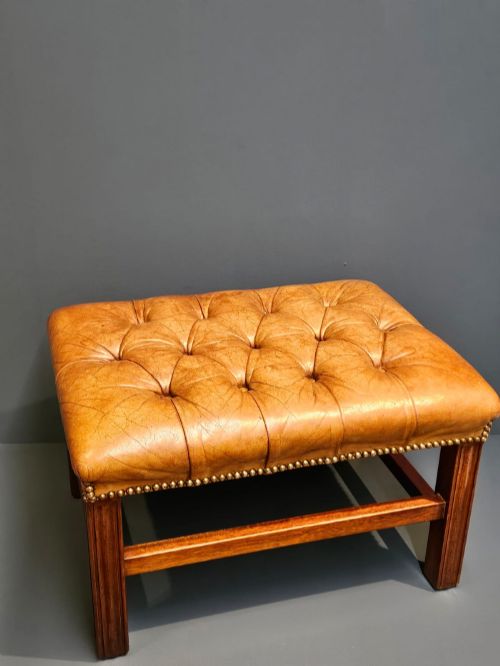
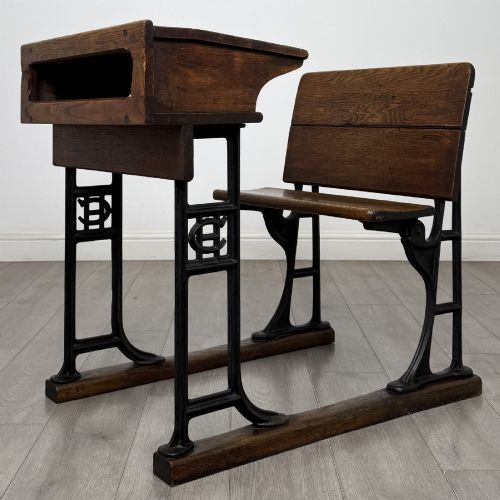
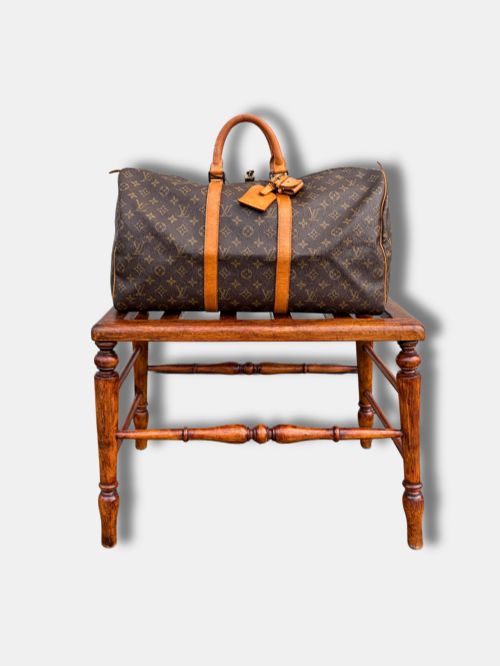
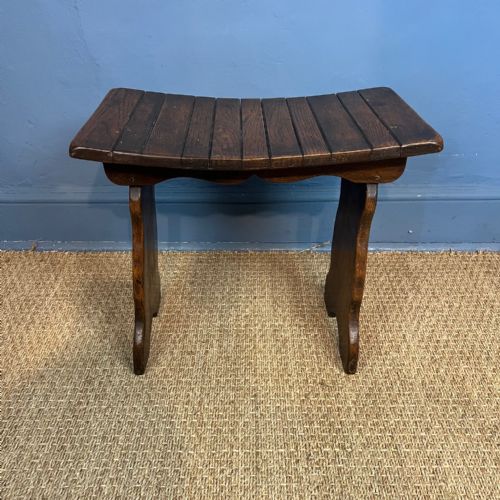
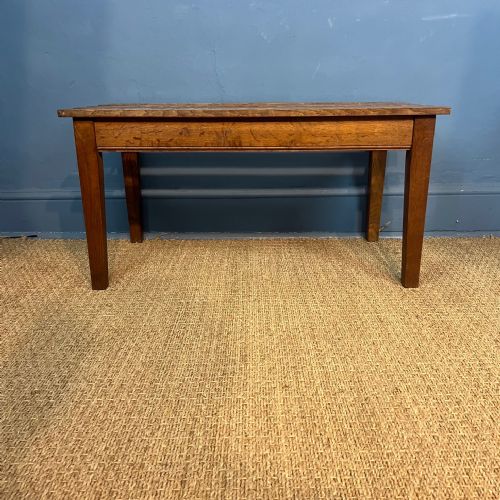


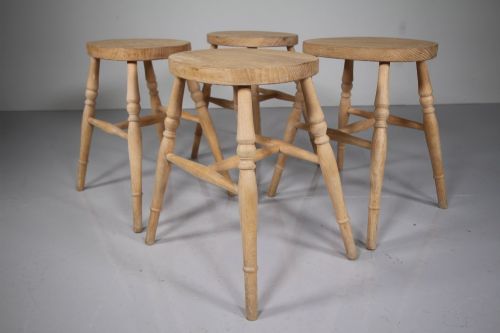
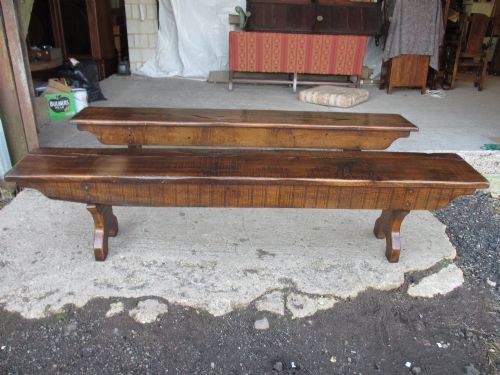
Edwardian Oak Bench
An edwardian oak bench brings solid craft and honest utility to a hallway or boot room.
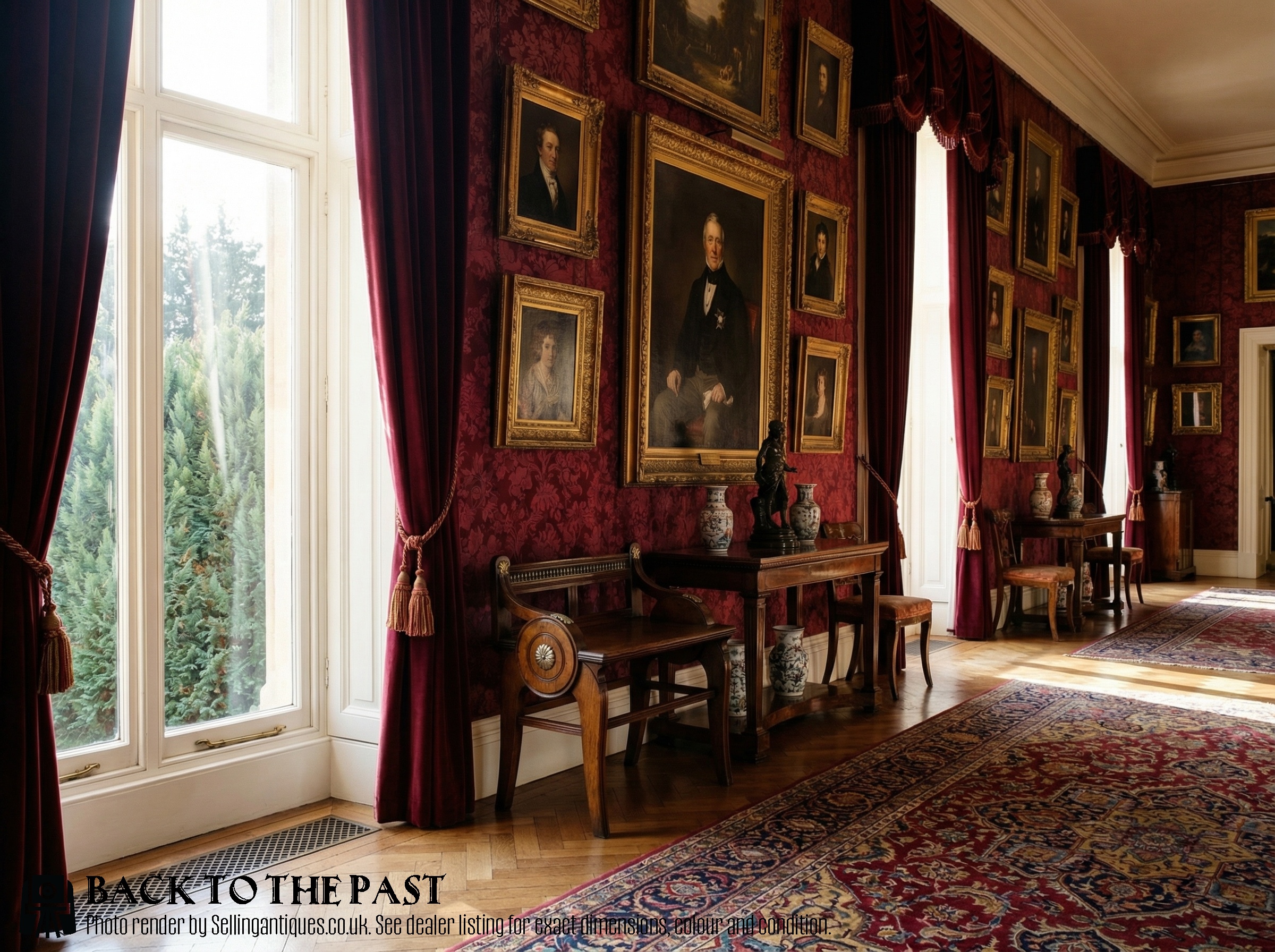
Edwardian Oak Bench
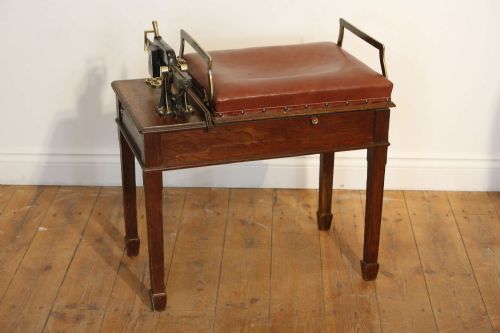
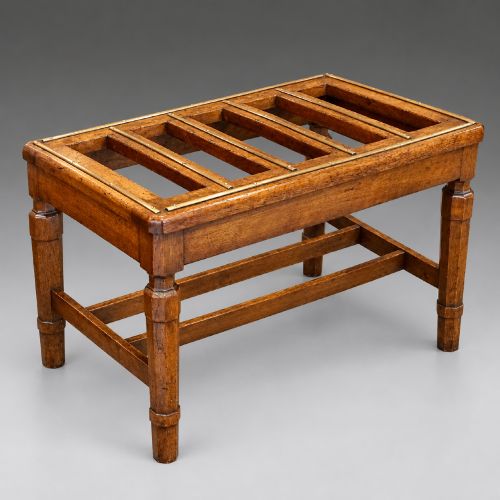
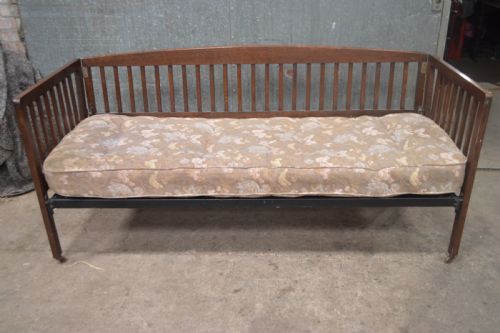
When searching for an edwardian oak bench, you encounter a variety of forms designed for practical household use, ranging from simple luggage racks and folding day beds to monk's benches with convertible seats and multi-functional hall stands.
The pieces on this page span the late nineteenth century through to the early decades of the twentieth century, with strong representation from the Edwardian period alongside adjacent Victorian and later styles.
Origins vary from English country workshops to Scottish manufacturers, incorporating regional interpretations of Arts and Crafts and Gothic Revival movements into everyday furniture.
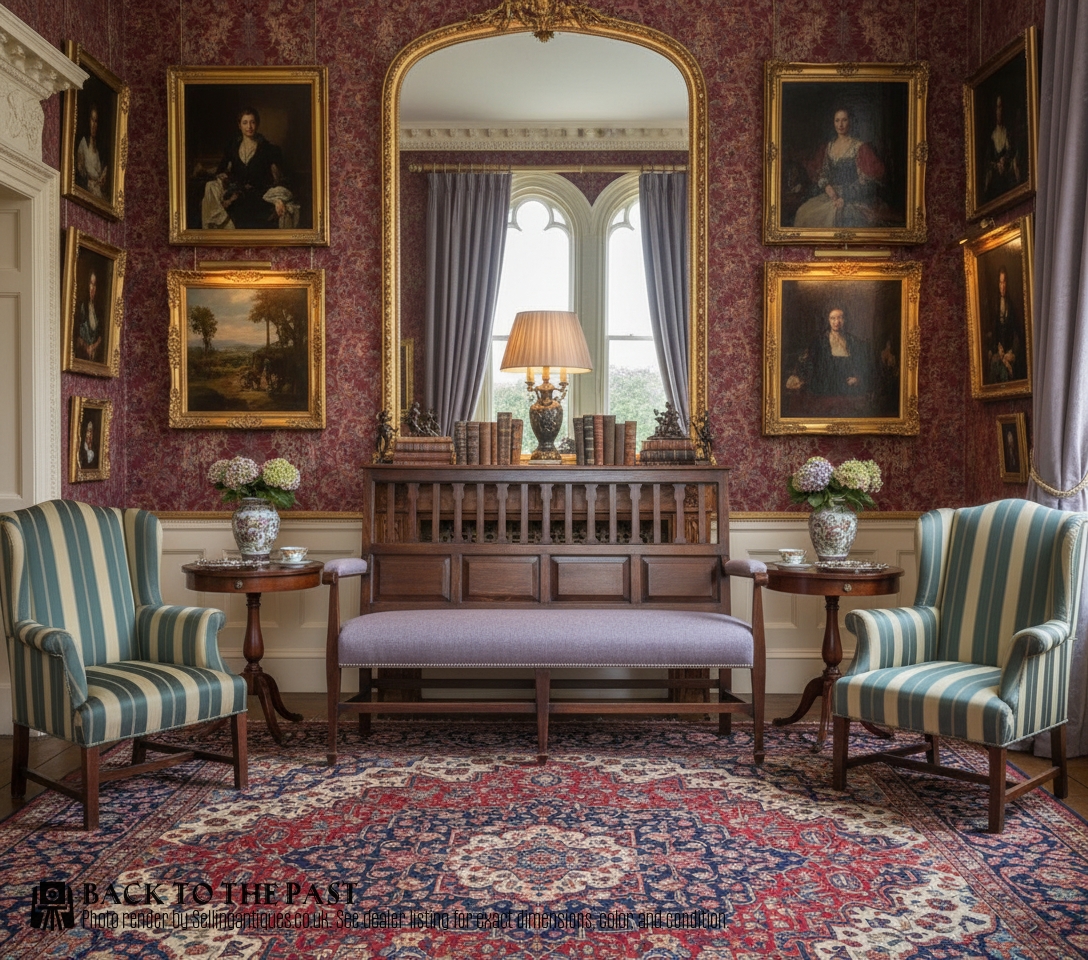
Materials and Construction
Solid timber forms the primary structure of these items, utilising heavy oak and golden oak alongside lighter or limed finishes.
Makers employed traditional joining techniques, seen in pegged construction, shaped trestle ends, and carved panelling.
Metal elements such as brass, iron, and hardware appear on luggage racks, folding mechanisms, and storage compartments to reinforce the utilitarian design.
Edwardian Oak Bench Retail Price Guide 2026
Typical asking prices for edwardian oak bench among the pieces listed under this phrase on Sellingantiques today, from the lower quarter to the upper quarter. They describe what is for sale here now, not the wider market.
Some luggage stands still carry the distinct polish and registry of bustling West End hotels from the 1920s.
Distinguishing Quality
The distinction between standard utility furniture and superior examples lies in the depth and execution of the carving, the selection of figured timber, and the structural integrity of the joints.
Pieces bearing attribution to known makers or workshops display more refined proportions and considered detailing, such as integrated hat and coat stands or lift-out upholstered seats.
The degree of original finish retained on the timber and the subtlety of Arts and Crafts influence also separate ordinary production pieces from finer regional work.
GIllows·Liberty·Shapland & Petter·Wylie Lockhead·Justice of Dundee·Heals·Maple & Co·Gardner & Son
The Edwardian Oak Bench Glossary
- Monks bench
- A convertible piece of furniture featuring a pivoting back that folds down to form a table top above a box seat base. This dual-purpose design was particularly popular in domestic halls.
- Settle
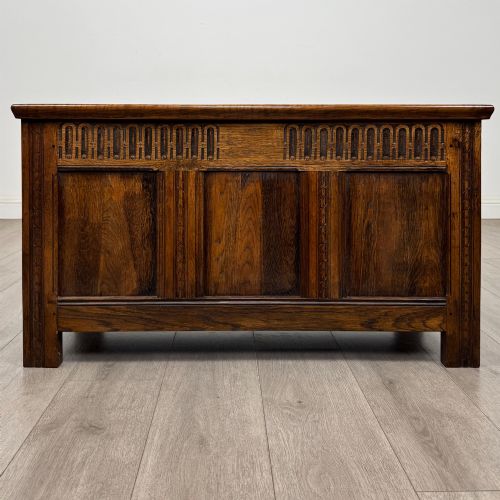
- A high-backed wooden bench with solid arms and a storage box beneath the seat, intended to block draughts in entranceways. These items often feature carved panels or simple pegged construction.
- Luggage stand
- A low framework of timber and metal designed for holding suitcases or travel chests at a convenient height. They frequently appear with folding legs and slatted oak tops.
- Hall seat
- A narrow bench designed for narrow corridors, occasionally combined with a mirror, hat pegs, or an umbrella stand. They provide compact seating combined with entryway storage.
- Pegged construction
- A traditional method of joining timber components using wooden pins rather than modern adhesives. This technique allows the joints to accommodate seasonal movement in the wood.
Edwardian Oak Bench: Frequently Asked Questions
What is a monk's bench used for?
A monk's bench served as a dual-purpose piece of furniture for the home, functioning as a seat with a high back or converting into a small table by tilting the back forward.
In hallways and living spaces, the box base underneath also provided concealed storage for blankets, hats, or boots.
How do I identify an Edwardian hall bench?
Edwardian hall benches typically feature solid oak construction with carved panels, spindle rails, or integrated umbrella stands and coat hooks. Their designs often draw inspiration from earlier periods like the Gothic Revival or Arts and Crafts movement.
Proportions tend to be narrow to fit into entrance halls and corridors without obstructing the walkway.
Where should I place a luggage stand?
Luggage stands work well in guest bedrooms as a convenient surface for unpacking and resting bags at waist height. They also function as low display tables or blanket holders in living areas.
Their folding frames allow them to be stored flat when not in use.
How do I clean and care for oak furniture?
Regular dusting with a dry, soft cloth maintains the surface of the timber and prevents dust accumulation in carved details. Avoid using silicone-based polishes, which can build up on the wood over time.
Keep the piece away from direct heat sources and strong sunlight to prevent the oak from drying out or splitting.