

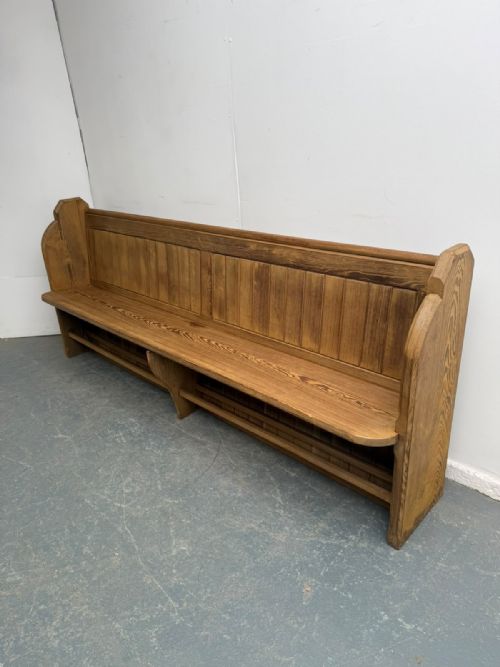
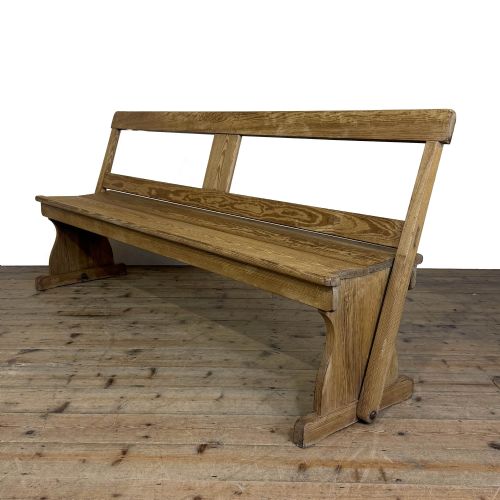
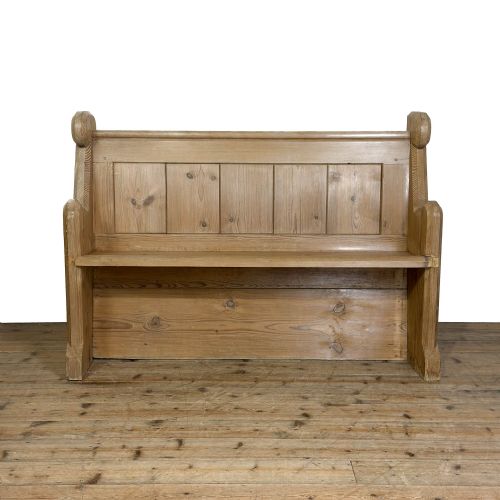
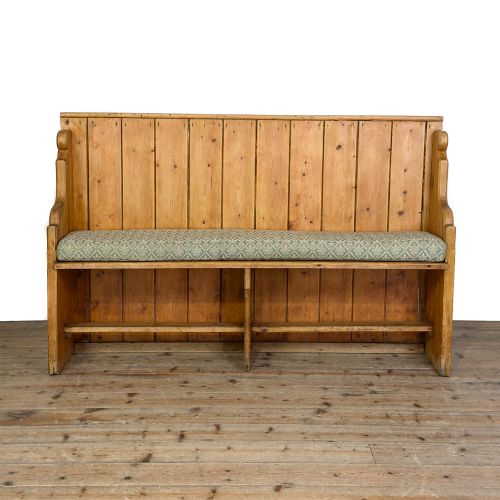


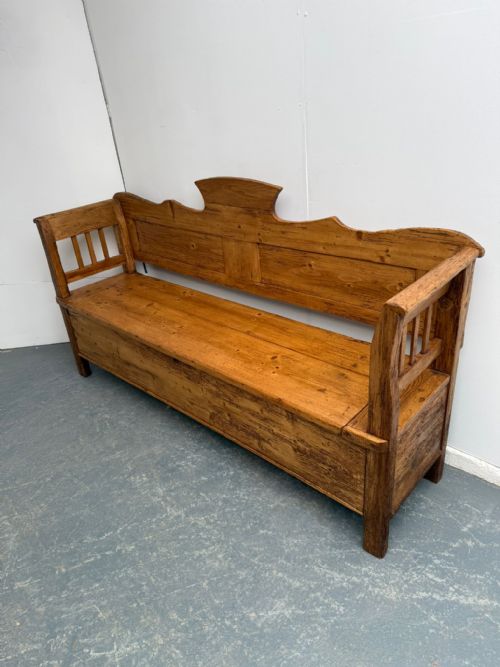

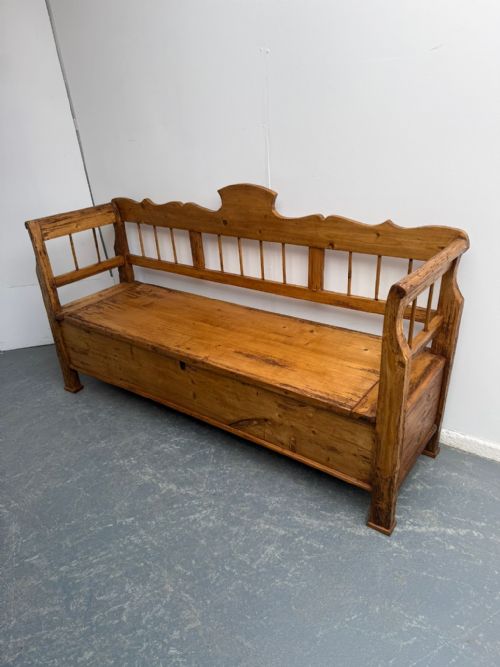
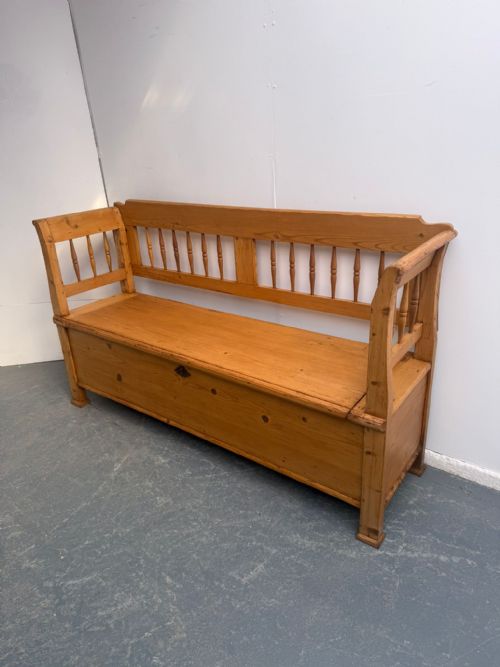

Honey Pine Bench
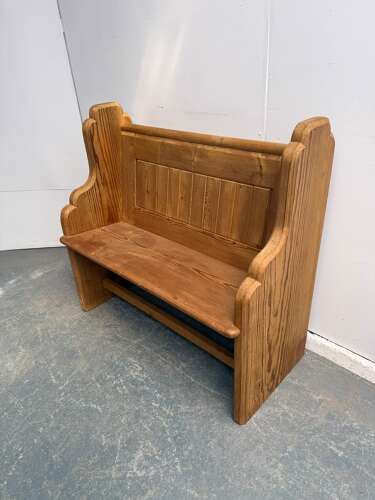
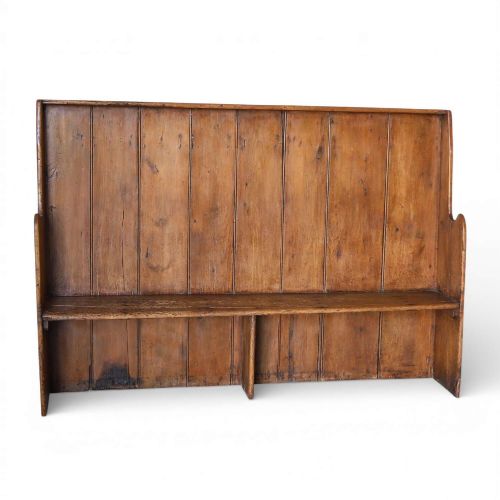
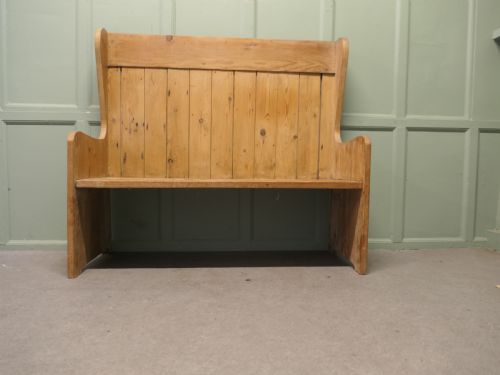
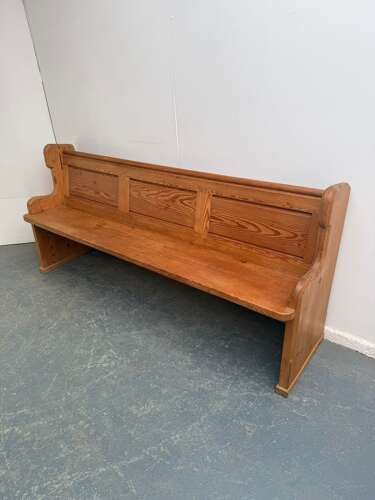
These honey pine bench examples range from Georgian box settles to Victorian church pews, offering rustic seating shaped by country use.
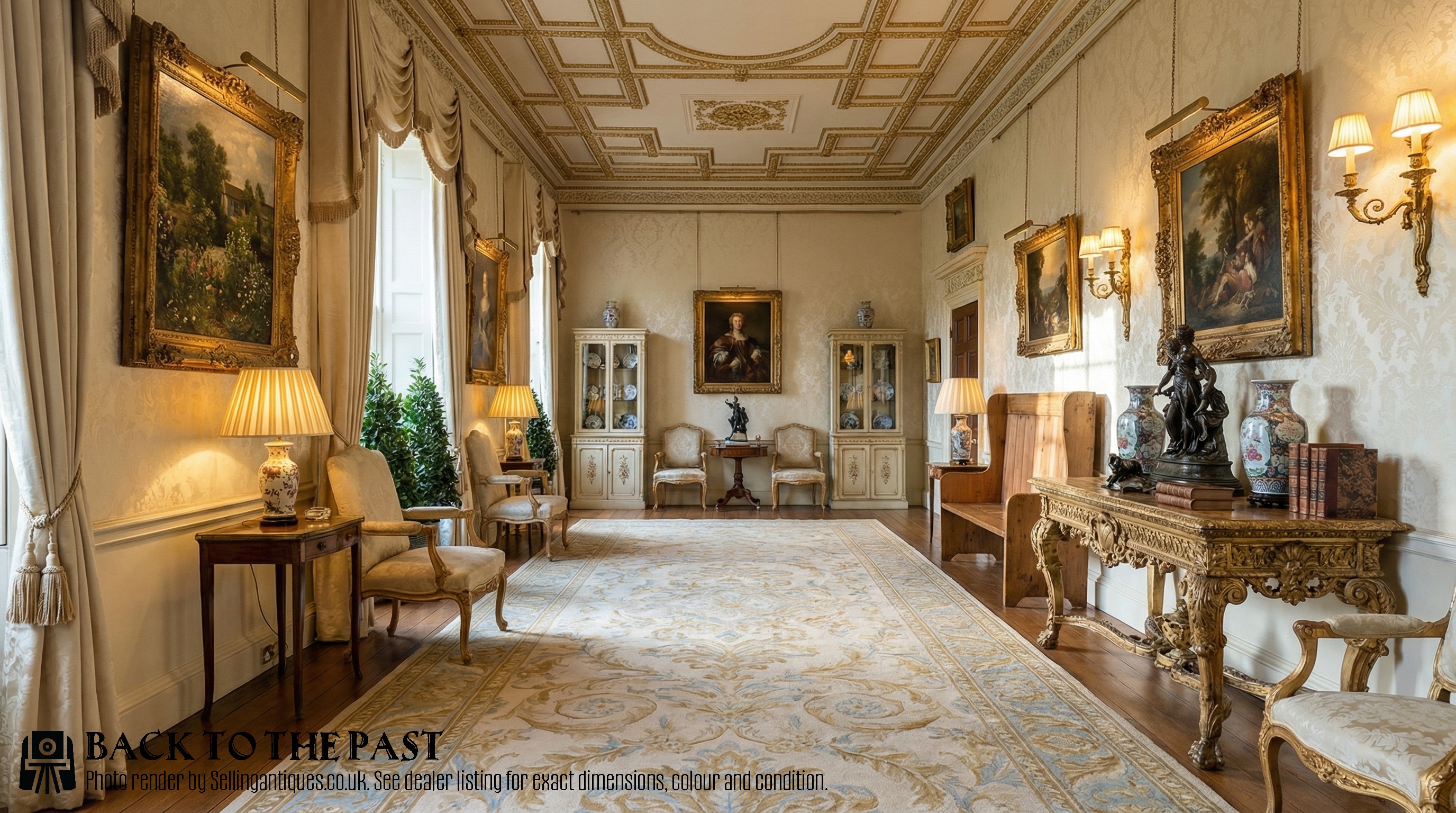
Honey Pine Bench
A honey pine bench brings together country house seating and utilitarian forms, drawing on centuries of domestic and institutional use. When you search for a honey pine bench, you encounter pieces designed for warmth around a hearth or arrangement along a tavern wall.
The selections span English, Welsh, Hungarian, and Swedish origins, taking the form of settles, pews, tavern benches, and school seating. High-back settles and church pews dominate the varieties, offering enclosed backs to block draughts in older rooms.
Makers ranged from village carpenters producing regional settles to institutional workshops crafting sturdy pews and school benches. These items served practical functions in pubs, churches, and farmhouses before entering domestic settings as focal seating.
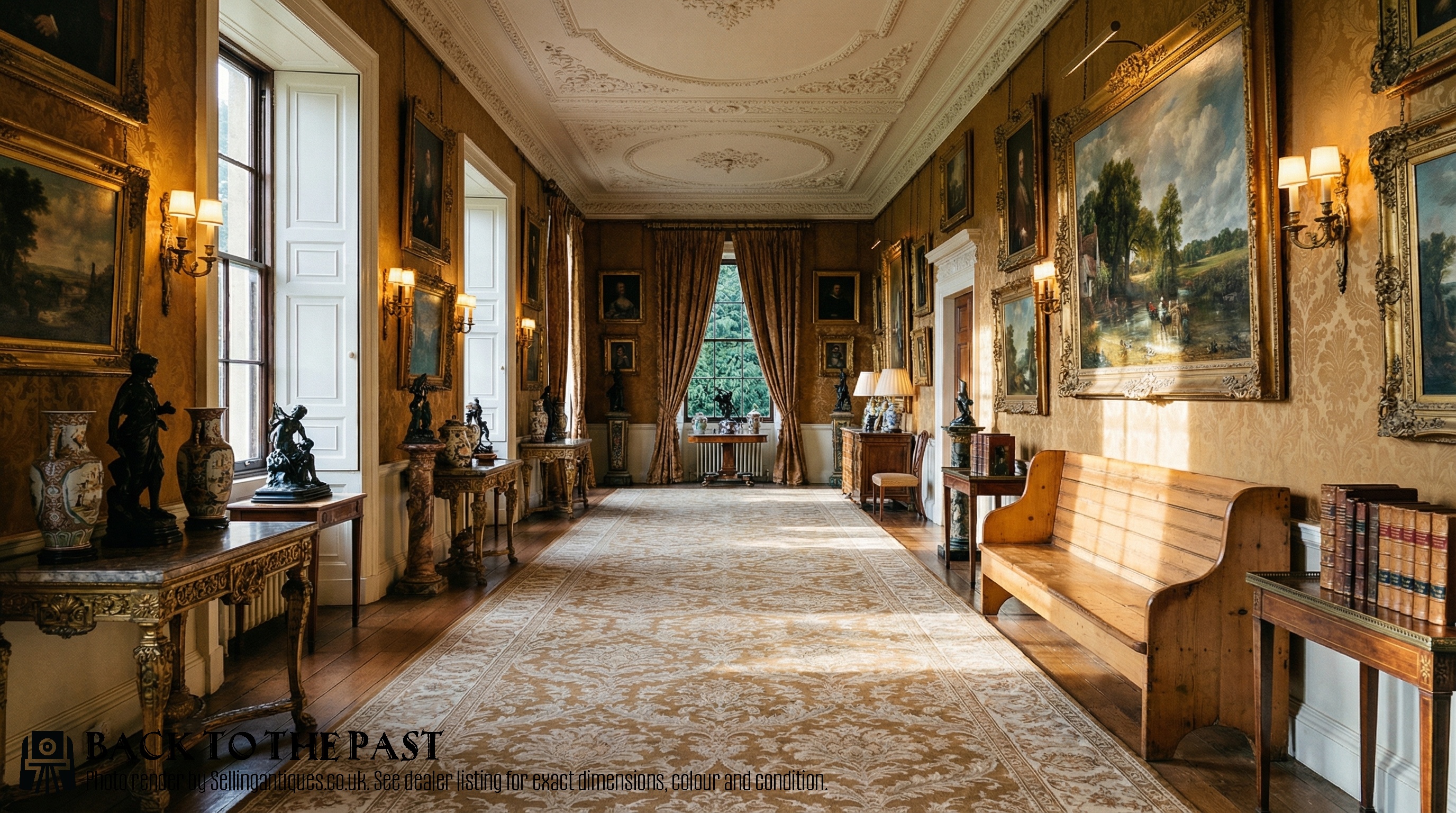
Materials and construction
Construction relies primarily on pine and pitch pine, timbers selected for their workability and straight grain. Carpenters joined structural members using traditional joinery suited to heavy daily use in public and domestic spaces.
Surfaces receive wax finishes that develop a warm honey brown patina over decades of handling and polishing. Iron fittings appear on certain boxes and hinged elements, while occasional fabric elements supplement the timber structure.
Honey Pine Bench Retail Price Guide 2026
Typical asking prices for honey pine bench among the pieces listed under this phrase on Sellingantiques today, from the lower quarter to the upper quarter. They describe what is for sale here now, not the wider market.
Some Hungarian settles kept the family farm warm by doubling as enclosed seating around the stove on freezing winter nights.
Judging quality in pine seating
Quality rests in the integrity of the original timber and the depth of the honey patina developed through age. Pieces retaining their original box compartments, high backs, and untouched surface finishes stand apart from altered examples.
Proportions and regional vernacular details dictate the distinction between standard utilitarian seating and finer country furniture. Neat proportions, unusual forms, and untouched structural members signal superior craftsmanship within regional traditions.
The Honey Pine Bench Glossary
- Settle
- A wooden bench with a high back, solid arms, and often a closed base or box seat below. This form protected occupants from cold draughts in unheated rooms.
- Box settle
- A settle featuring a storage compartment beneath the seat, accessed by lifting the lid. It combined seating with household storage.
- Church pew
- A long wooden bench designed for communal seating in places of worship. Many examples feature panelled backs and sturdy end supports.
- Patina
- The surface sheen and colour developed by timber over years of exposure, light, and waxing. A warm honey brown tone indicates age and care.
- Scumble
- A paint technique used to imitate wood grain or create decorative mottled effects on furniture surfaces. It appears on specific regional country pieces.
Honey Pine Bench: Frequently Asked Questions
Where were settles placed?
Settles typically stood near fireplaces in farmhouses and country pubs to block cold air currents. Their high backs and solid sides trapped hearth warmth around the seated person.
Over time, these benches moved into hallways and kitchens as general seating and storage units.
How do I care for a waxed pine bench?
Maintain the honey finish by applying a quality beeswax paste periodically and buffing with a soft cloth. Avoid placing timber seating near direct heat sources to prevent splitting.
Keep surfaces dry and dust regularly with a lint-free cloth to preserve the natural patina.
What is the difference between a pew and a settle?
Pews are open-backed or panelled benches originally built for institutional and church seating in rows. They usually lack the enclosed storage boxes or side wings found on traditional settles.
Settles offer high protective backs and solid arms designed to shield individuals from draughts in domestic rooms.
How can I tell the period of a pine bench?
Dating relies on construction methods, timber characteristics, tool marks, and the depth of the surface patina. Georgian and Victorian examples display distinct joinery styles and regional proportions.
Examining the wear patterns around the seat and armrests also offers clues regarding the age and intensity of use.