





Traditional Pine Settle
A traditional pine settle offers high-backed, solid seating that blocks draughts and anchors a rustic hallway or fireside.
Traditional Pine Settle
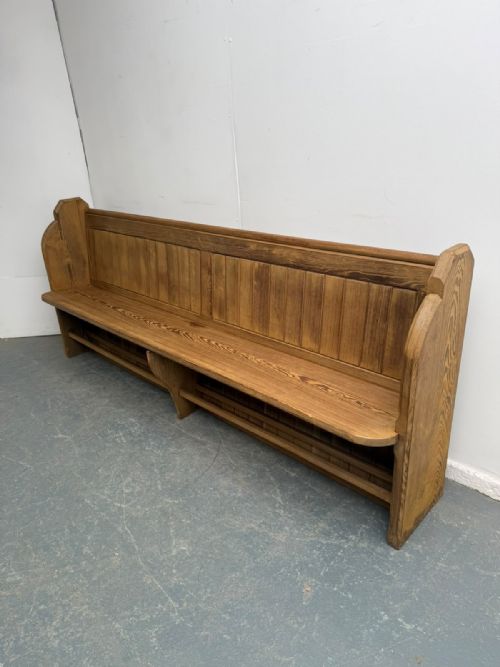
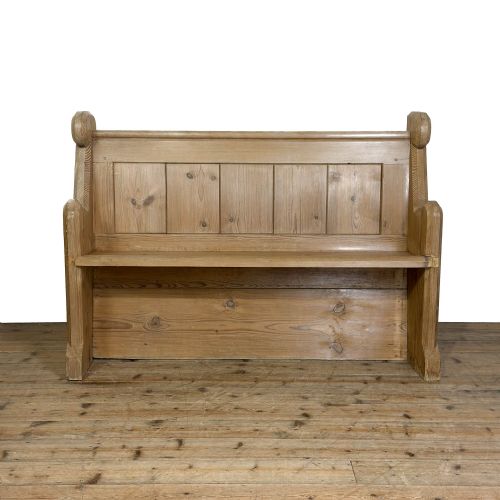
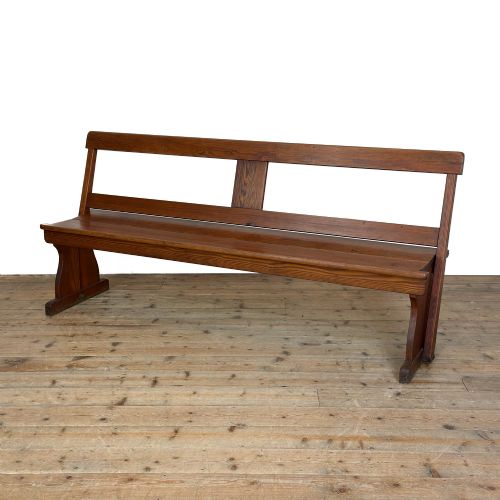
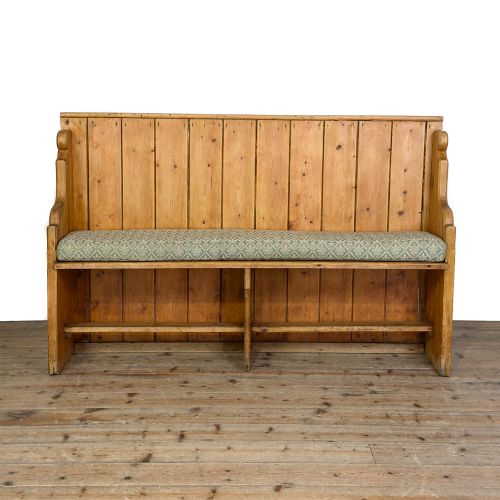
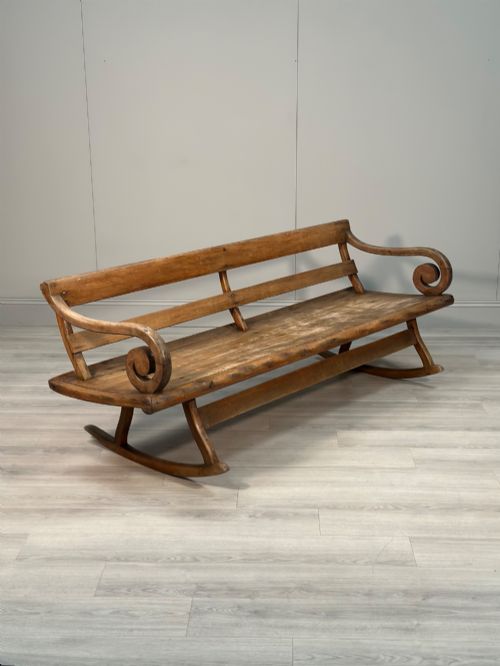
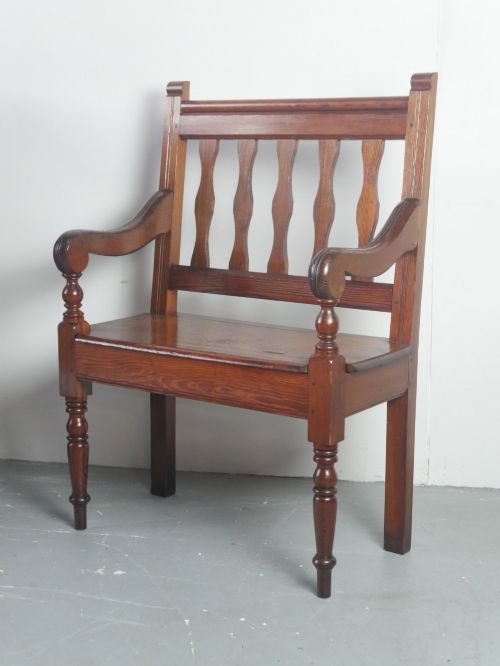
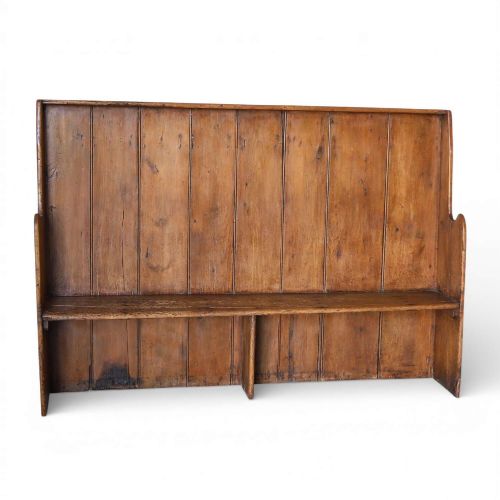
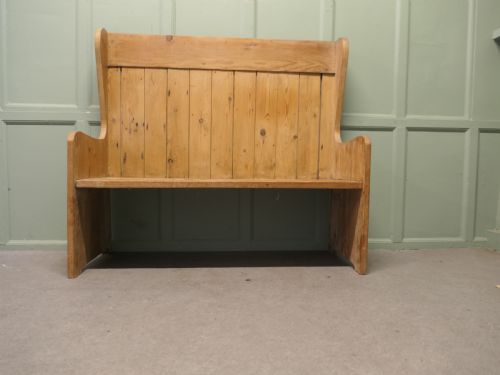
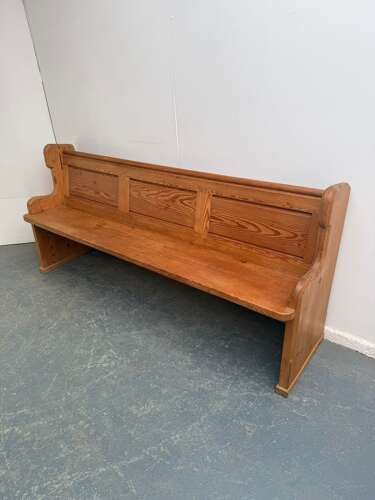
A traditional pine settle is a high-backed wooden bench, frequently found spanning the Georgian, Victorian and nineteenth-century periods across English, Welsh, Spanish, Hungarian and Scandinavian regional styles. These pieces function as substantial seating options, taking the form of benches, church pews, chapel pews, tavern benches and box settles designed to shield occupants from cold air near a hearth or in an entrance hall.
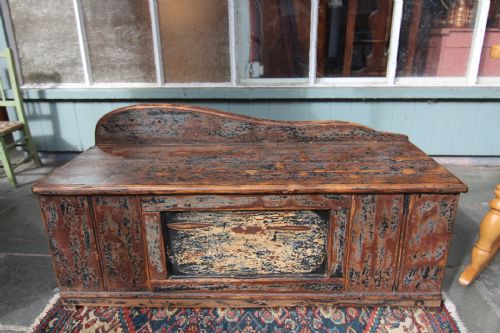
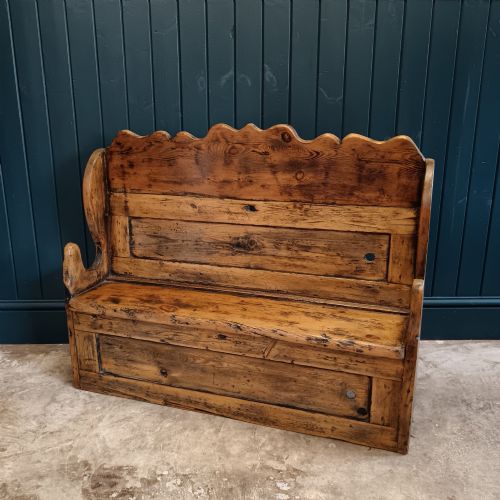
The specimens met most often on this page date from the Georgian and Victorian eras, including many examples originating from Hungary alongside English and Welsh country pieces. Forms range from simple open-backed benches and flip-over chapel pews to enclosed box settles with storage beneath the seat and barrel-backed designs meant to trap warmth.
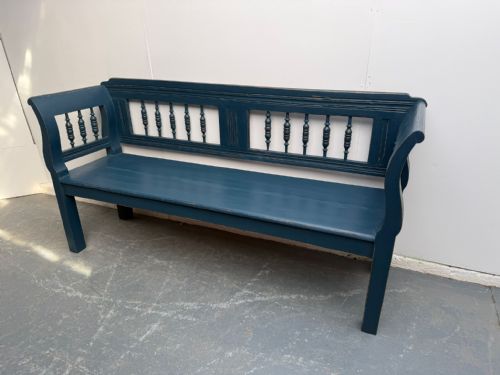
Regional variations span from English country pub benches to folk art canopied Spanish settles and painted East European examples. Buyers encounter both waxed natural timber finishes and surfaces retaining original blue, grey, black, cream and green paint.
How they were made
Traditional pine settles are constructed primarily from solid pine, pitch pine and occasional elm or oak components, utilising thick planks joined to create rigid high backs and enclosed lower storage boxes. Carpenters and country joiners relied on sturdy pegged mortise and tenon joints to withstand the heavy daily use associated with taverns, cottages and churches.
Surfaces were finished with natural wax to nourish the wood or coated in durable layers of paint, which often survives in original blue, grey, black or multi-coloured schemes. Iron hardware, such as hinges and brackets, appears on box settles and flip-over mechanisms to support moving parts.
Traditional Pine Settle Retail Price Guide 2026
Typical asking prices for traditional pine settle among the pieces listed under this phrase on Sellingantiques today, from the lower quarter to the upper quarter. They describe what is for sale here now, not the wider market.
Listings feature items spanning the eighteenth century, the Georgian and Victorian eras, and the early twentieth century up to nineteen-twenty.
What varies in quality
Quality in a traditional pine settle rests on the integrity of the original construction, the thickness of the timber panels, and the survival of untouched surface treatments like early wax patination or original paint. Pieces retaining their structural joinery without excessive timber replacement or unsympathetic alterations sit at the upper end of the range.
The presence of regional vernacular details, such as integrated box storage, spindle backs, high barrel curves, or canopied hoods, distinguishes simpler utility benches from more ambitious folk art examples.
The Traditional Pine Settle Glossary
- Settle
- A high-backed wooden bench with solid arms and a closed base, originally designed to keep out draughts in domestic halls and taverns.
- Box settle
- A settle featuring a hinged seat lifting to reveal a storage compartment underneath for blankets or household items.
- Barrel back
- A curved high back wrapping closely around the seated person to trap heat near a fireplace.
- Patina
- The surface sheen and colour developed on wood through age, handling and repeated waxing.
- Vernacular furniture
- Domestic pieces made by local craftspeople using regional materials and traditional local designs rather than formal academic styles.
Traditional Pine Settle: Frequently Asked Questions
What is a traditional pine settle?
A traditional pine settle is a high-backed wooden bench built to seat multiple people while blocking cold draughts in domestic rooms, halls or public houses. They date primarily across the eighteenth and nineteenth centuries.
Many examples feature enclosed box storage beneath the seat or curved high backs designed for fireside placement.
How were settles used originally?
Settles served as primary seating beside the hearth where high wooden backs protected occupants from cold air currents circulating in unheated rooms. Box versions also stored fuel, textiles or household goods.
In public houses, churches and chapels, long bench variants accommodated multiple sitters efficiently.
Where do these settles originate?
The listings include pieces from English, Welsh, Spanish, Hungarian and Scandinavian traditions, reflecting diverse European country craftsmanship. Regional makers utilised local pine, pitch pine and elm.
Hungarian painted examples and English country pieces form a large portion of the available items.
How do you care for a waxed pine settle?
Maintain waxed pine surfaces by applying a traditional beeswax polish periodically and buffing with a soft cloth to preserve the natural patina. Avoid placing wooden furniture near direct heat sources or damp areas.
Dust regularly with a dry cloth to prevent dirt accumulation in carved or joined areas.