




Rustic Pine Settle
A rustic pine settle is a utilitarian seat built for warmth and storage, offering high backs to block drafts in old farmhouses and country pubs.
What a rustic pine settle is
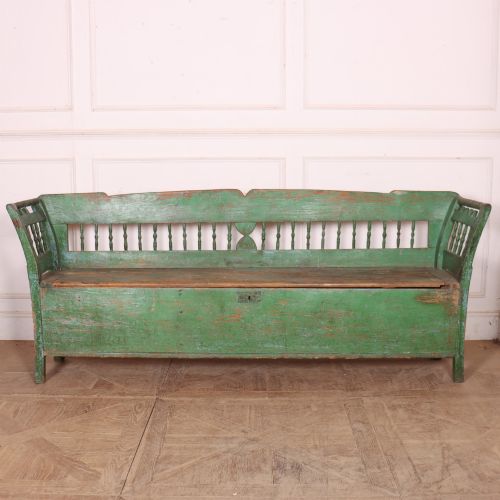
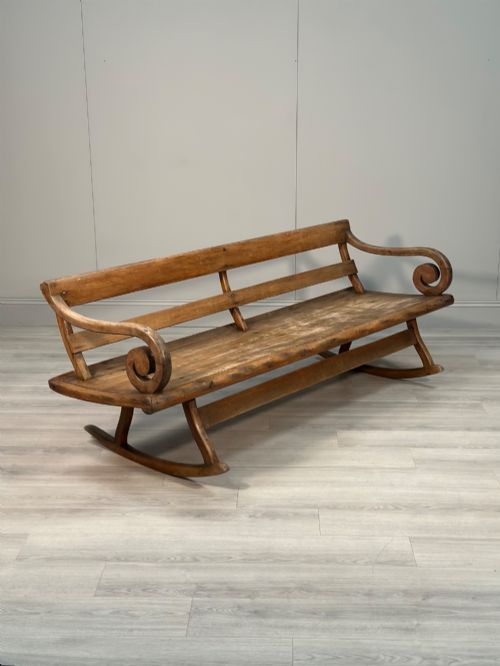
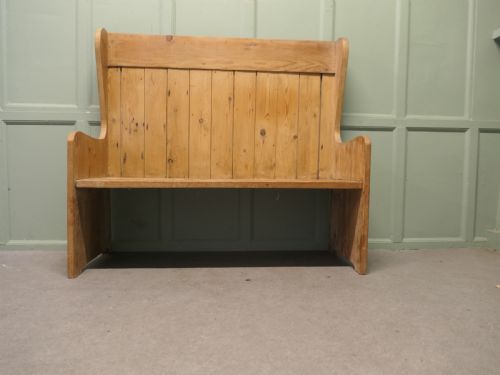
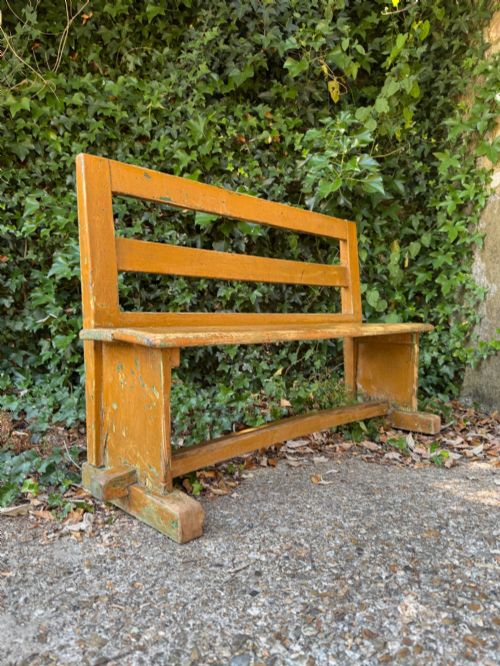
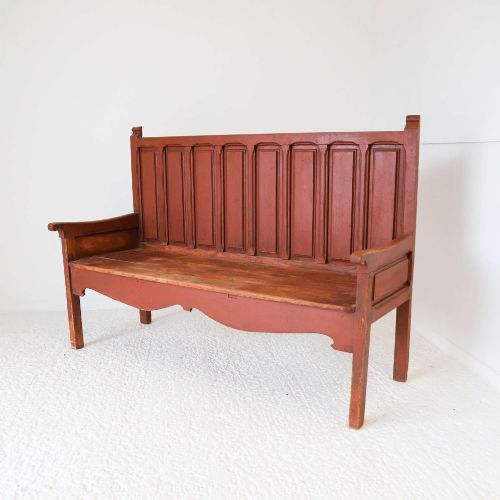
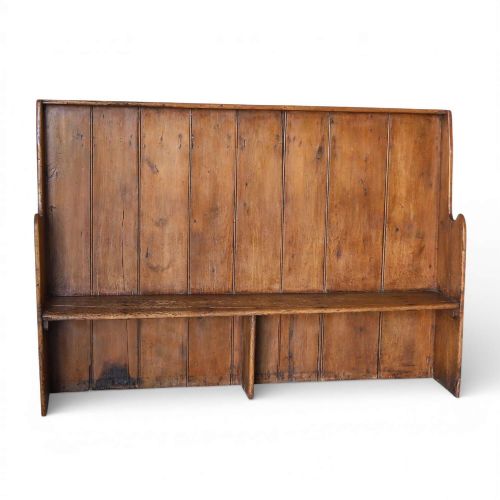
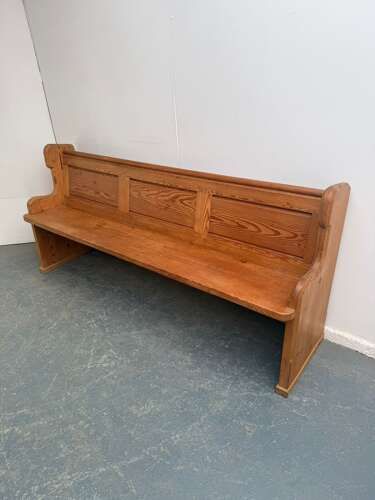
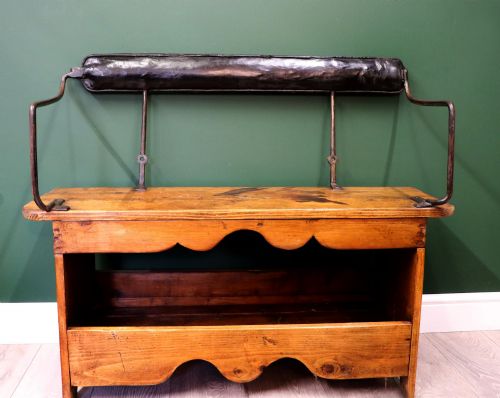
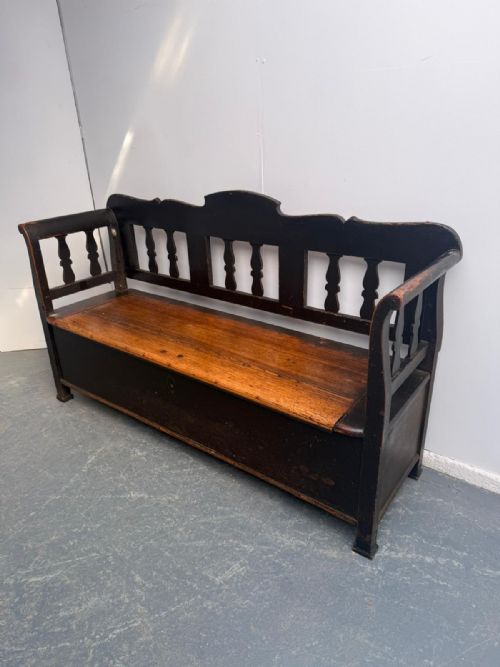
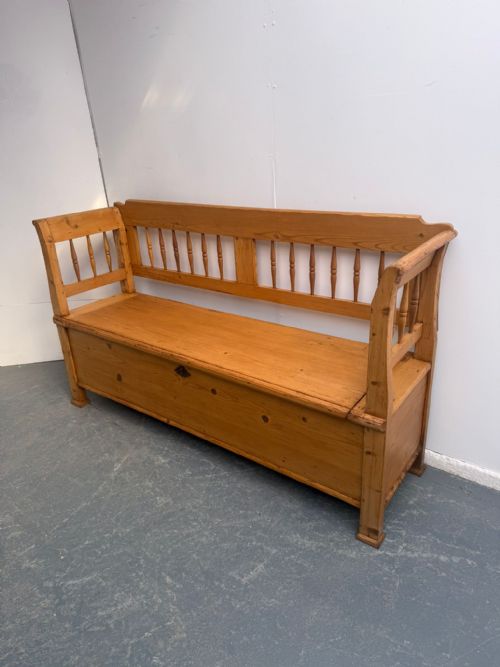
A rustic pine settle is a substantial wooden bench designed to stand against cottage walls or beside hearths, featuring high backs and solid panel construction to keep out cold drafts. The examples found here span the Georgian period, the nineteenth century, eighteen-ninety, and the Victorian era, showing both British and continental European origins. Regional variations include Welsh, Hungarian, Bohemian, and East European pieces, reflecting the practical needs of rural homes.
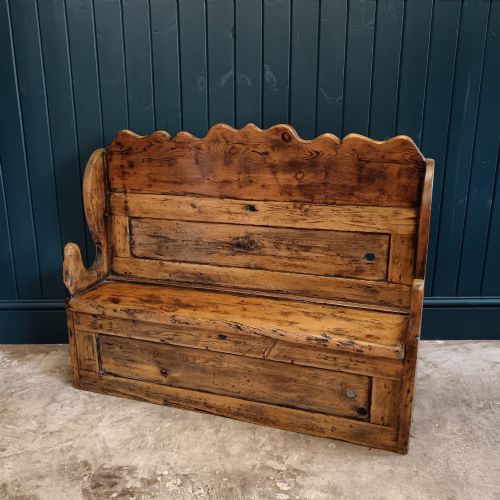
Most pieces on this page are three-seater or two-to-three-seater benches, often configured as box settles with hinged seats for storage. High back variants and tavern benches also appear regularly among these listings, combining seating with enclosed storage or draught-proofing wing panels. The forms remain resolutely functional, built for everyday use in kitchens, pubs, and farmhouses.
The aesthetic is defined by country styles rather than formal court furniture, grouping under rustic country, European country, Victorian country, Welsh country, and rustic folk art. Surfaces typically show waxed finishes that highlight the natural grain of the timber and the accumulation of patination through decades of use. Iron fittings frequently appear as structural hinges and brackets, supporting the heavy pine framework.
How they were made
Construction relies primarily on solid pine boards joined to form high backs, broad seats, and enclosed bases. Woodworking techniques prioritise strength and utility, using traditional joinery methods suited to abundant softwood timbers found across Britain and Europe.
Iron hardware plays a key structural role, particularly in box settles where iron hinges allow the seat lid to lift smoothly. Fabric occasionally forms part of associated squab cushions, though the primary structure remains entirely timber and iron.
Retail Price Guide 2026
Typical UK retail prices for rustic pine settle, calculated from the Sellingantiques database of over a million retail prices indexed since 2003. This retail price guide relies exclusively on Sellingantiques data; no external sources or auction records are used, so the figures do not describe the wider market.
Listings feature pine and iron materials across Georgian, Victorian, and nineteenth-century periods.
What varies in quality
Quality rests in the integrity of the original pine timber and the depth of the waxed surface patination developed over generations. Pieces retaining their original box construction and structural ironwork sit at the higher end of the range compared to heavily restored examples.
Proportion and regional character also dictate distinction, with well-balanced vernacular proportions showing greater harmony than plain utility benches. The honesty of the timber grain and the smoothness of the waxed finish separate everyday workshop output from finer vernacular folk art.
The Rustic Pine Settle Glossary
- Settle
- A wooden bench with a high back and solid arms, designed to shield occupants from draughts in domestic interiors.
- Box settle
- A variant featuring a hinged seat that lifts to reveal a storage compartment underneath for blankets or fuel.
- Tavern bench
- A robust seating form intended for public houses, often built to withstand heavy daily use and positioned near hearths.
- Patination
- The surface sheen and colour acquired by pine timber through age, handling, and repeated waxing.
- Vernacular furniture
- Everyday objects made by local craftspeople using regional materials, prioritising utility over high-style academic design.
Frequently Asked Questions
How were settles used originally?
These benches were placed close to hearths in farmhouses and taverns to provide warm seating protected from draughts.
The enclosed box base also served as a convenient chest for storing household textiles or fuel.
How do I date a pine settle?
Dating relies on examining construction methods, timber characteristics, and iron hardware styles across different periods.
Pieces from the Georgian era and Victorian times display distinct regional vernacular traits that help identify their age.
Where were pine settles made?
Settles were produced across Britain and various European regions to meet local domestic needs.
Specific regional styles identified in these pieces include Welsh, Hungarian, Bohemian, and broader East European workshops.
How do I care for a waxed pine settle?
Maintenance involves applying a quality natural wax periodically to nourish the pine and preserve the surface finish.
Keep the timber away from direct heat sources and strong sunlight to prevent the wood from drying out.