



Antique Pine Hall Bench
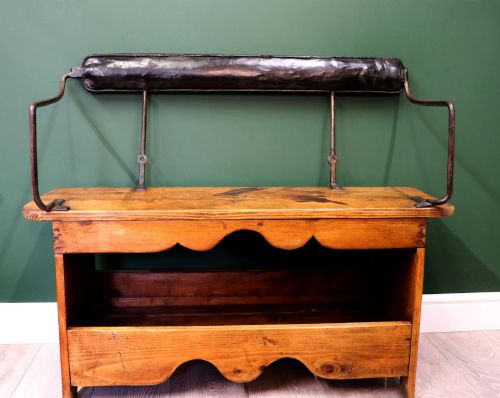
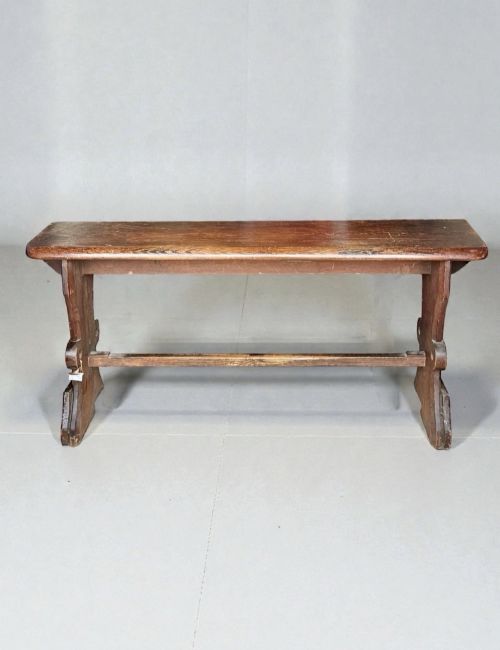
An antique pine hall bench greets visitors with practical charm, offering sturdy seating and useful storage for busy entranceways.
Antique Pine Hall Bench
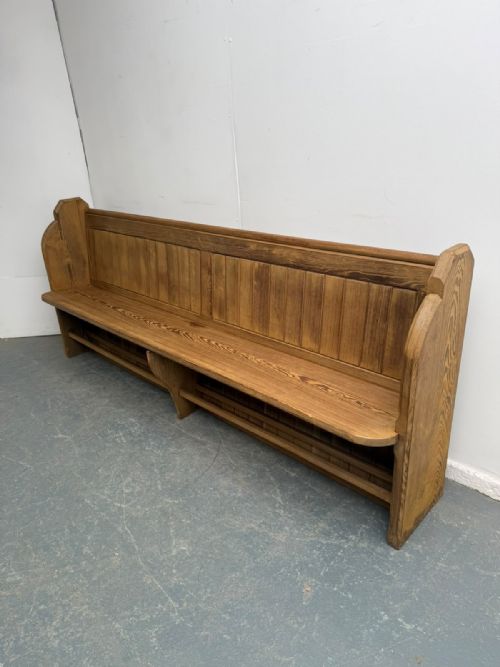
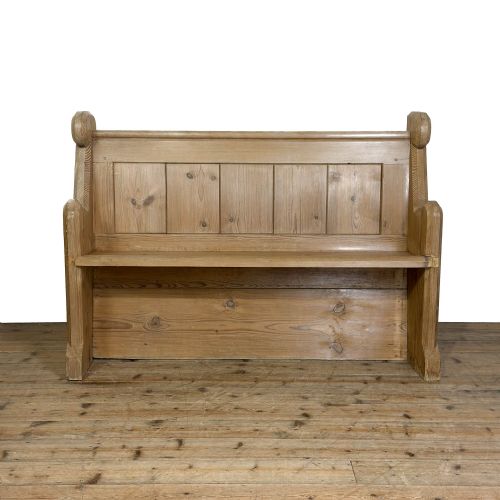
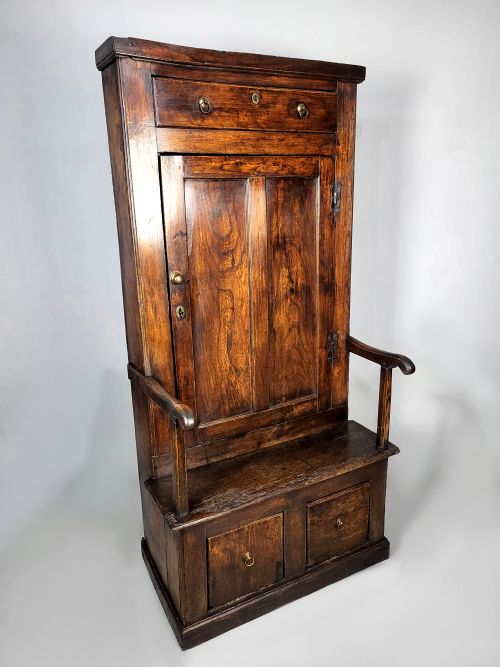
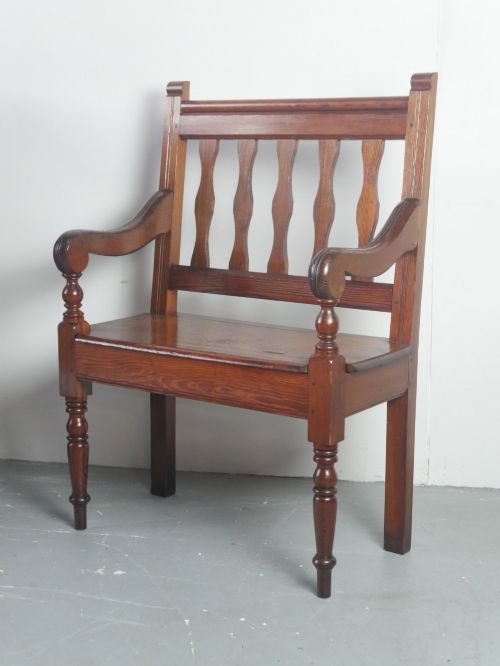
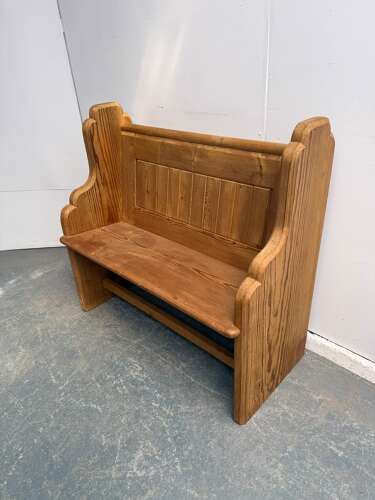
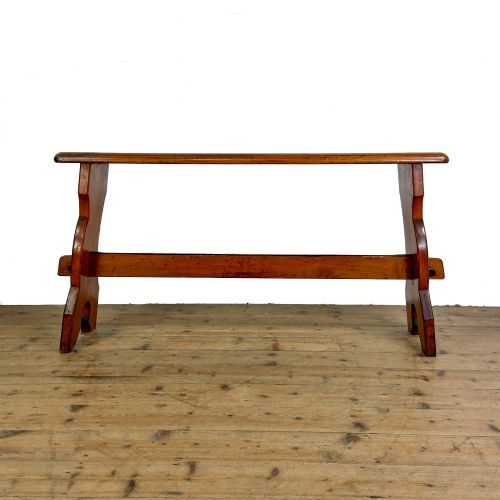
An antique pine hall bench spans functional forms including settles, box settles, church pews, and narrow window seats designed for narrow corridors and reception areas. Buyers searching for an antique pine hall bench most frequently encounter nineteenth-century pieces alongside Georgian and eighteenth-century examples.
Origins stretch across English, Welsh, Scottish, and Cumbrian workshops as well as continental European traditions from Austria, Sweden, and Hungary. These sturdy pieces serve everyday domestic and ecclesiastical use, transitioning smoothly from entrance passages to living spaces.
Materials and Construction
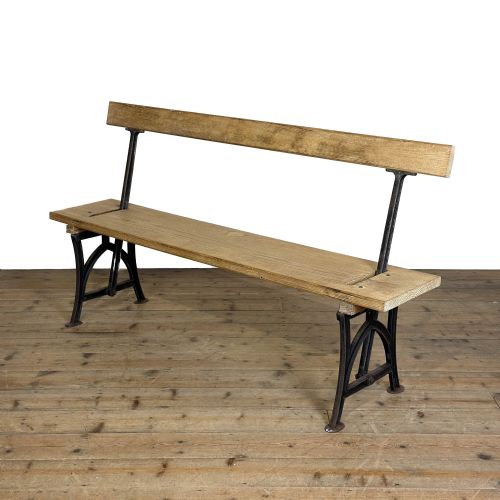
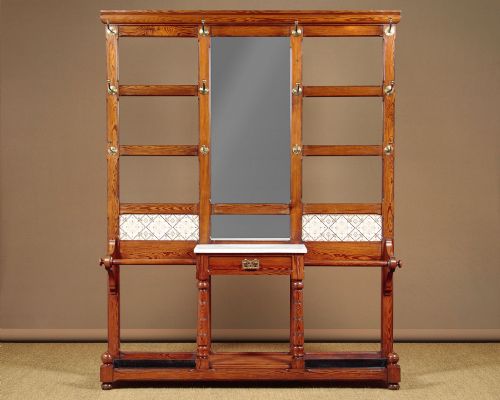
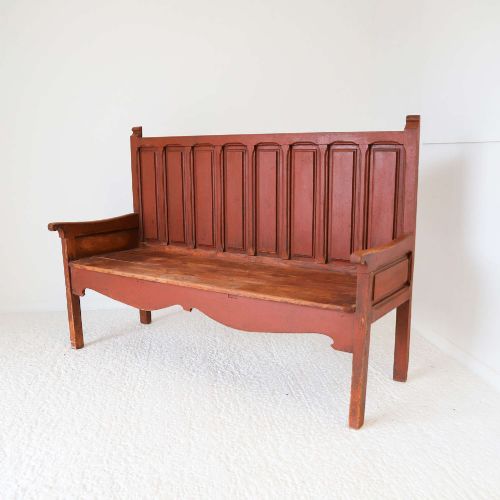
Construction relies heavily on solid pine and pitch pine timbers joined with traditional methods, occasionally incorporating iron brackets, brass fittings, and mirror glass or marble elements on integrated hallstands. Surfaces display either clear wax finishes that highlight the natural grain or historic layers of paint in cream, grey, black, and blue.
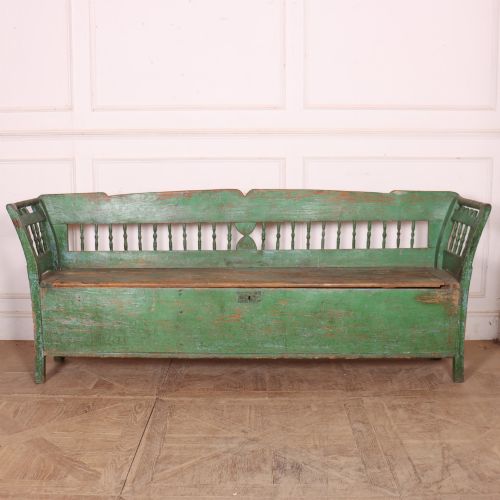
Joinery techniques prioritize durability, utilising pegged mortise and tenon joints to withstand decades of daily sitting and storage use. Box settles incorporate hinged lids over enclosed compartments, combining seating with concealed chest storage.
Antique Pine Hall Bench Retail Price Guide 2026
Typical asking prices for pine hall bench among the pieces listed under this phrase on Sellingantiques today, from the lower quarter to the upper quarter. They describe what is for sale here now, not the wider market.
Materials documented across the collection include solid pine, pitch pine, iron hardware, and historic layers of coloured paint.
Evaluating Craftsmanship and Preservation
Quality rests in the survival of original surfaces, whether that means a deep mellow wax patina or untouched historic paint rather than modern stripping and repainting. Structural integrity matters immensely, distinguishing benches that retain their original feet, armrests, and backboards from those with extensive timber replacements.
The Antique Pine Hall Bench Glossary
- Settle
- A wooden bench with a high back, solid arms, and often an enclosed box base designed to block draughts in hallways. These pieces provide both comfortable seating and substantial hidden storage.
- Box Settle
- A variant featuring a hinged seat lifting to reveal a large storage chest underneath. This dual-purpose form proved essential in traditional domestic interiors.
- Pitch Pine
- A dense, resinous variety of pine timber prized for its prominent grain patterns and exceptional durability. It frequently appears in heavy Victorian and ecclesiastical seating.
- Waxes
- Traditional protective finishes applied to nourish timber and produce a soft, lustrous sheen over decades of handling. Waxing preserves the natural warmth of the pine.
- Ecclesiastical
- Pertaining to churches, describing pews and seating repurposed from chapels or vestries for domestic hallways. These items often display simpler, robust construction.
Antique Pine Hall Bench: Frequently Asked Questions
Where should I place a hall bench?
These benches suit narrow corridors, boot rooms, and entrance hallways where shallow depths allow comfortable passage. Their sturdy builds also make them practical seating choices for kitchens and dining areas.
Measuring available floor space and doorway clearance ensures the piece fits comfortably without obstructing movement through the room.
How do I maintain a waxed pine finish?
Regular dusting with a soft cloth keeps the surface clean, while occasional applications of quality beeswax maintain moisture and lustre in the timber.
Avoiding direct sunlight and heat sources prevents the pine from drying out or splitting over time.
Are painted pine benches original?
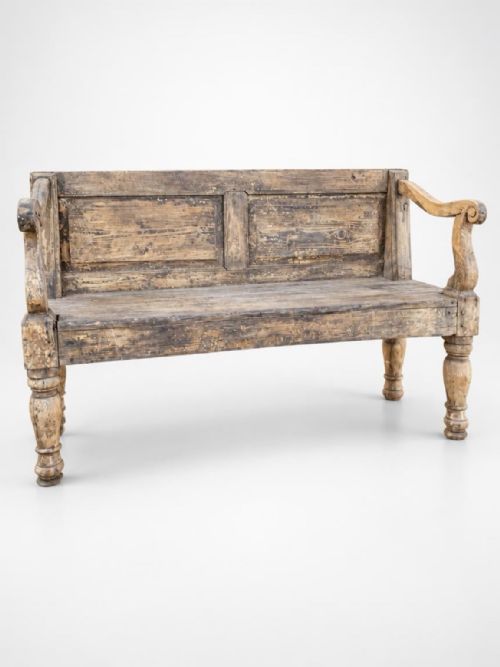
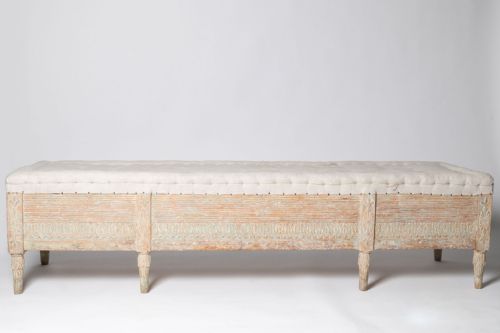
Many pieces retain early or original paint layers, ranging from muted country greys and blues to traditional black and cream schemes. Historic paint finishes contribute significantly to the character and authenticity of country furniture.
Examining the paint under natural light reveals craquelure and wear patterns that indicate genuine age.
What is the difference between a settle and a bench?
A settle typically incorporates a high protective back and solid panelled arms designed to shield sitters from cold draughts in older homes. Standard benches feature open sides and lower backs focused primarily on communal seating.
Both forms served central roles in historical hallways and shared family rooms.