





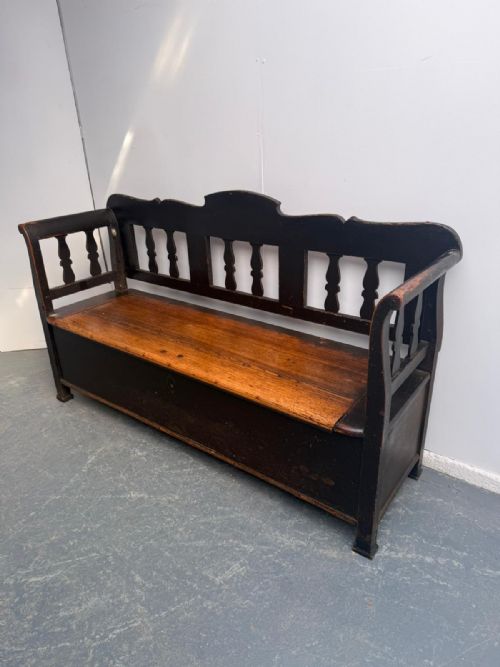
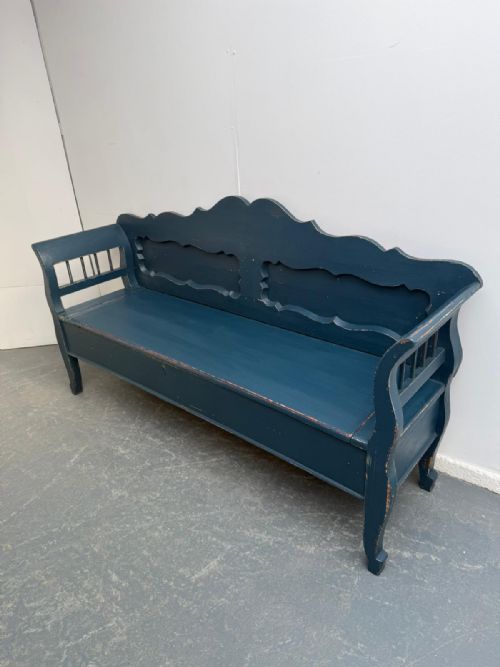
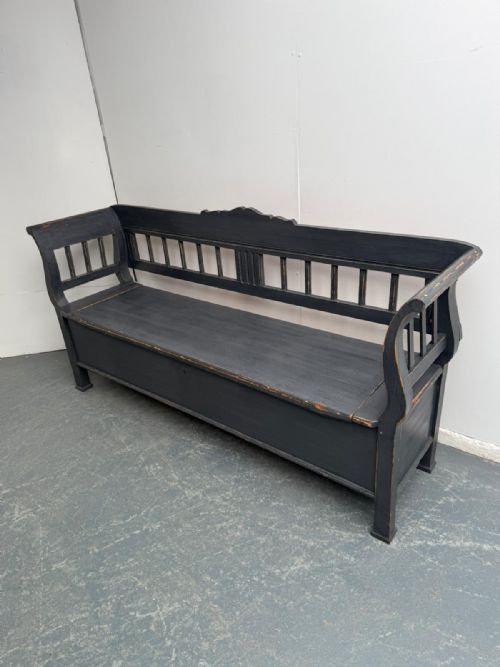

Pine Storage Bench
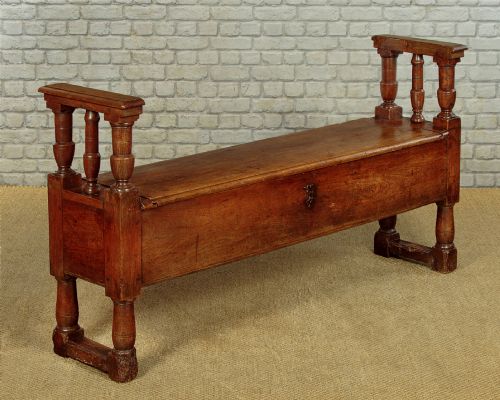
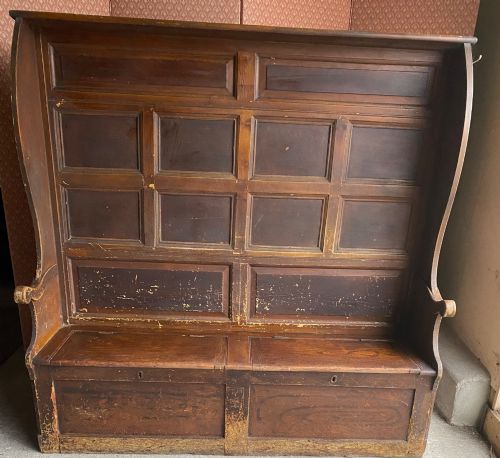
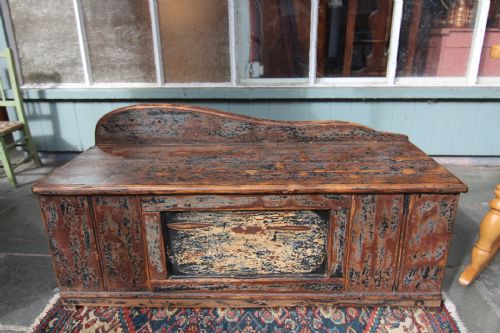
A pine storage bench offers a practical seat with a hidden compartment beneath, bringing rustic utility and period charm to a hallway or kitchen.
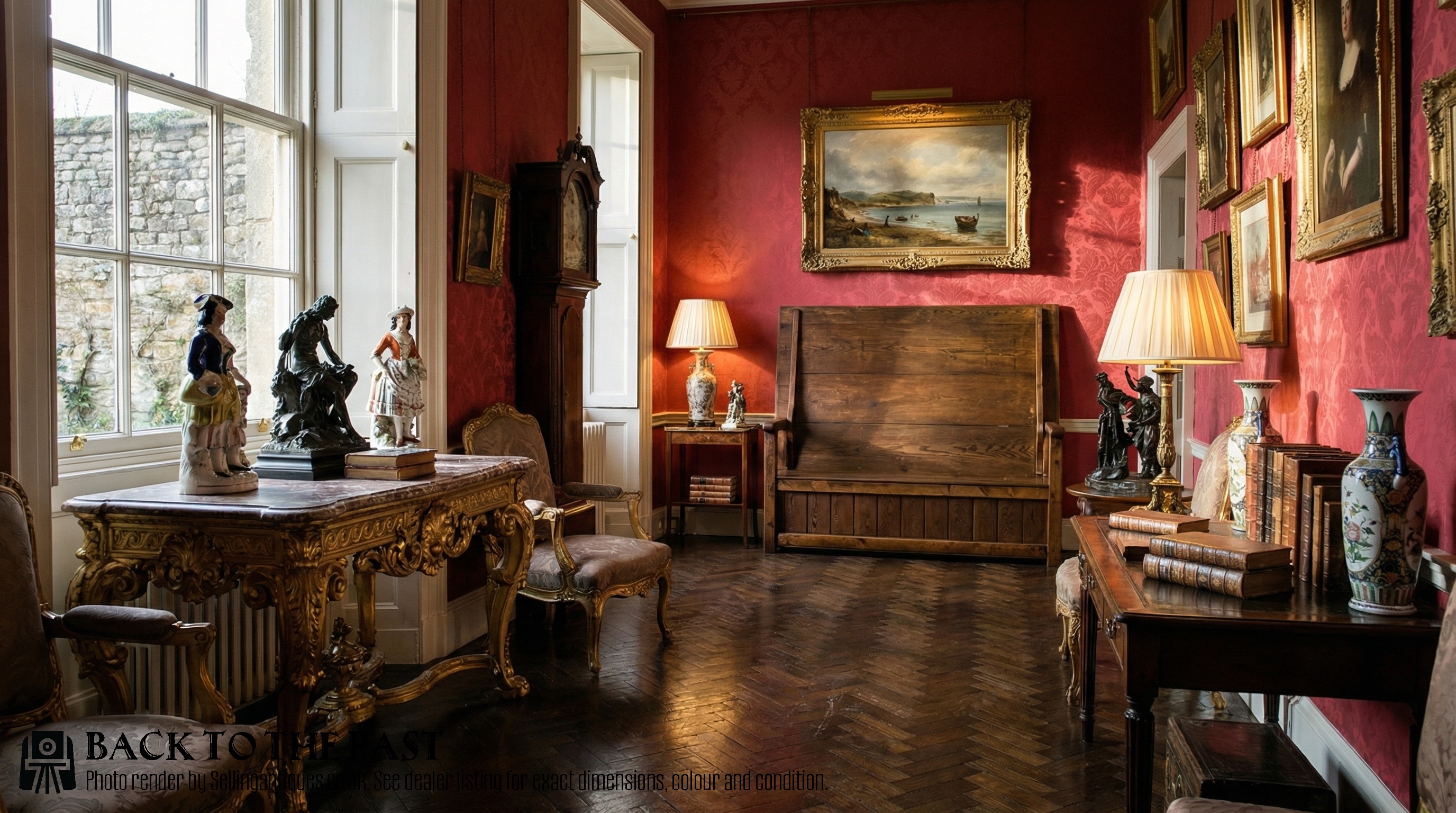
Pine Storage Bench
A pine storage bench combines daily seating with enclosed space for household goods, appearing across Georgian, Victorian, and Edwardian periods.
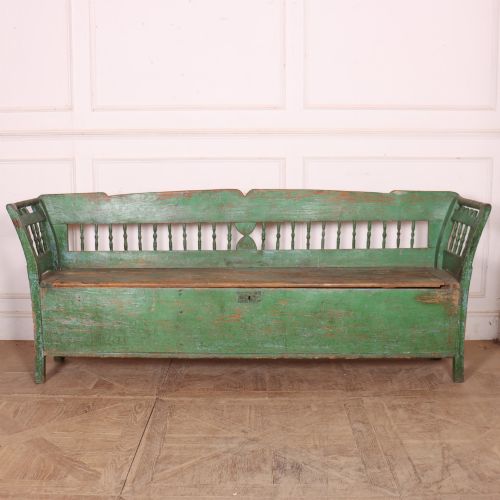
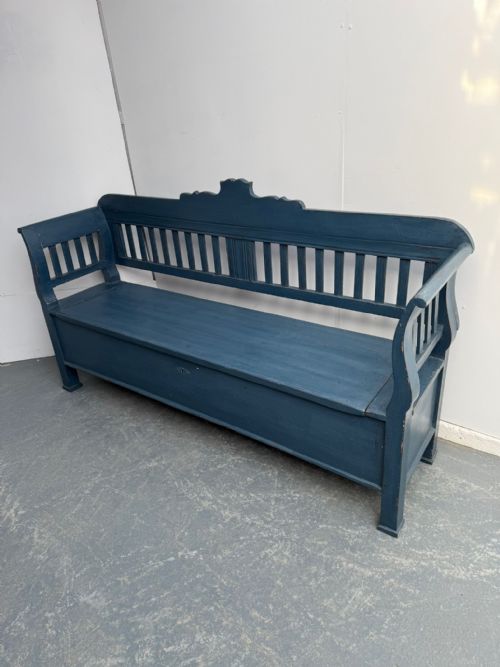
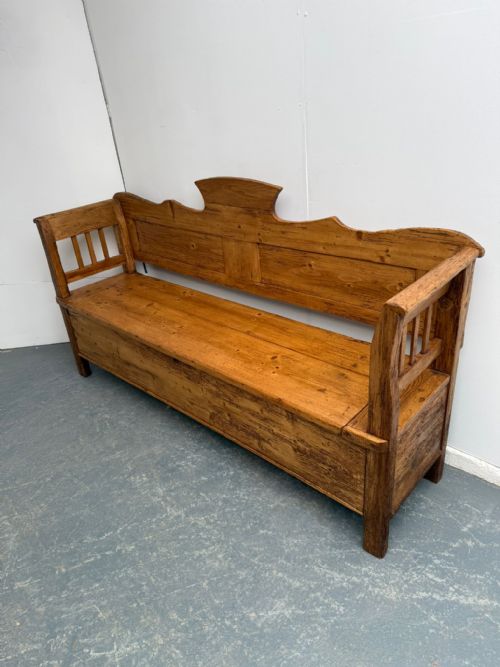
The version most commonly met on this page is the Hungarian or Scandinavian painted or waxed box settle, seating two to four people.
Makers ranged from English country carpenters to continental village joiners, producing items designed for hard daily use.
Materials and Construction
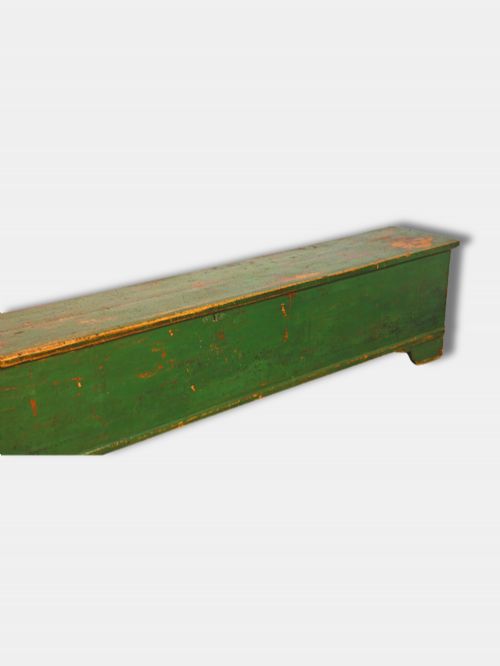
Construction relies heavily on solid pine timbers, joined with panels or boards, and often finished with wax or historic paint layers in blue, grey, black, or green.
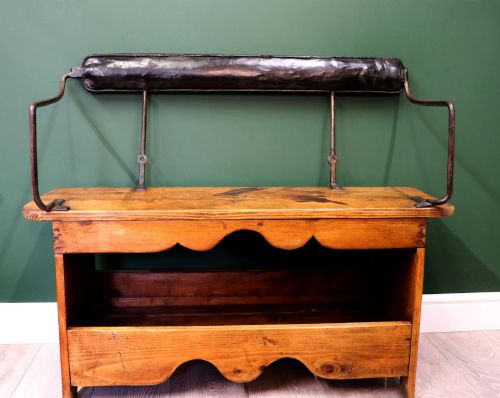
Iron hardware, such as hinges and brackets, secures the lift-up seats and lids, while secondary materials like leatherette or ceramic occasionally appear on later seating.
Joinery techniques span simple tongue-and-groove boarding to panelled backs and spindle details, reflecting regional rural traditions.
Pine Storage Bench Retail Price Guide 2026
Typical asking prices for pine storage bench among the pieces listed under this phrase on Sellingantiques today, from the lower quarter to the upper quarter. They describe what is for sale here now, not the wider market.
Listings feature pieces originating from England, Sweden, Austria, Hungary, and Italy, spanning the eighteenth to the early twentieth century.
Judging Quality
Quality rests upon the integrity of the original timber and the survival of early or original painted surfaces rather than sterile refinishing.
Proportions and structural balance separate utilitarian workshop pieces from more refined regional examples with panelled backs or turned spindles.
The presence of original hinges, latches, and undisturbed interior compartments elevates an example above heavily altered pieces.
The Pine Storage Bench Glossary
- Settle
- A wooden bench with a high back, solid arms, and a box compartment beneath the seat. This form kept draughts away from the user in older homes.
- Box Settle
- A variant featuring a hinged seat that lifts to reveal storage space inside the base. It served as a chest and a seat combined.
- Monks Bench
- A dual-purpose piece with a pivoting back that folded down to form a table. It represents a clever space-saving invention for smaller rooms.
- Patination
- The surface sheen and colour acquired by wood and paint over decades of handling and exposure. It indicates age and honest use.
- Pitch Pine
- A dense, resinous variety of pine with pronounced grain patterns. Cabinetmakers utilised it for heavy-duty furniture requiring extra durability.
Pine Storage Bench: Frequently Asked Questions
Where should I place a pine storage bench?
These pieces suit entrance halls, boot rooms, and kitchens where seating and concealed storage are equally useful.
Their substantial backs also work well against living room walls to anchor a rustic or country interior scheme.
How do I tell a Georgian bench from a Victorian one?
Georgian examples often display simpler, heavier framing with pegged joints and deeper country primitive characteristics.
Victorian and Edwardian versions frequently incorporate machine-sawn elements, spindle turnings, or applied upholstery materials like leatherette.
Did these benches come painted originally?
Many continental European pieces, particularly from Hungary and Sweden, received coats of blue, grey, green, or black paint during their working lives.
English country examples were more commonly finished with clear wax to highlight the natural grain of the pine.
How do I care for the surface of old pine?
Maintain waxed surfaces by applying a traditional beeswax polish sparingly to nourish the dry timber.
Protect painted finishes by dusting with a dry cloth and avoiding harsh chemical cleaners that might lift historic pigments.