



Antique Pine Settle
When you encounter an antique pine settle, you meet a utilitarian domestic seat shaped by centuries of farmhouse and tavern life.
Antique Pine Settle
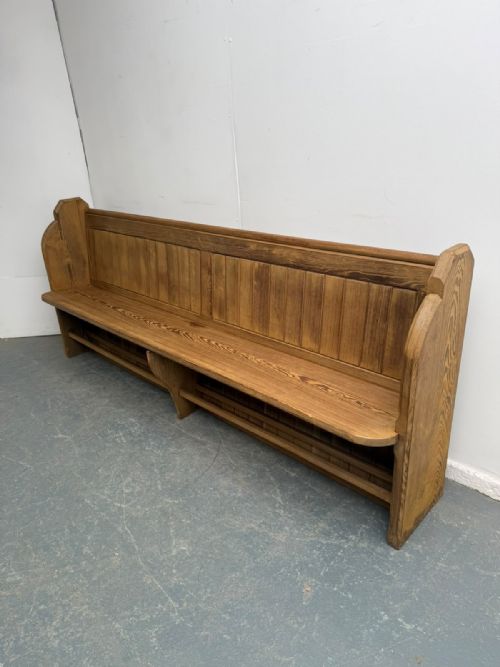
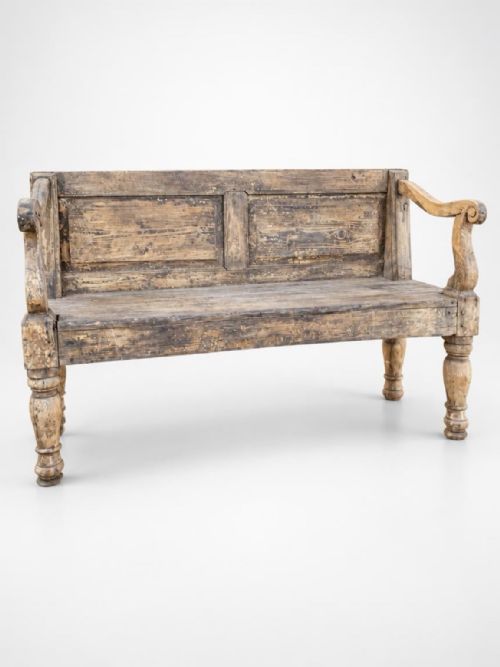
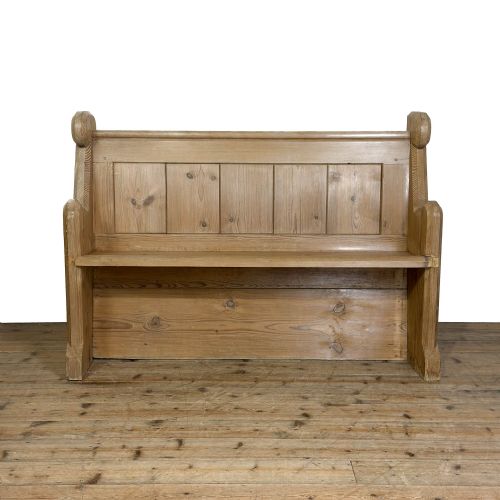
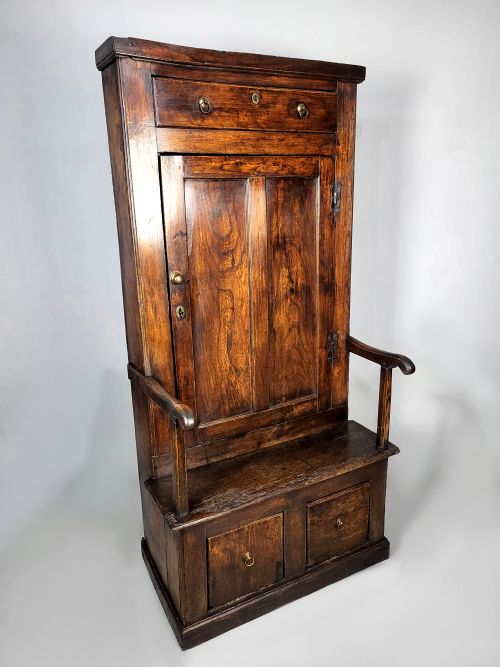
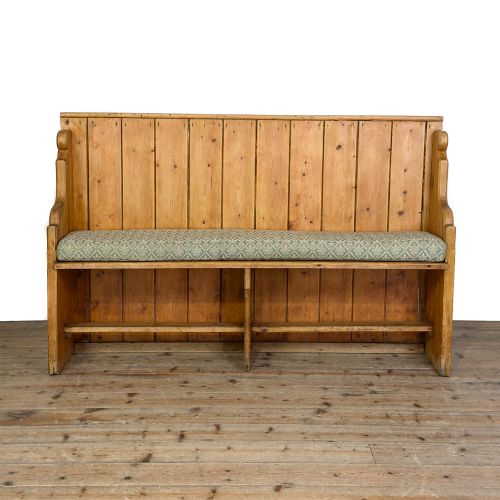
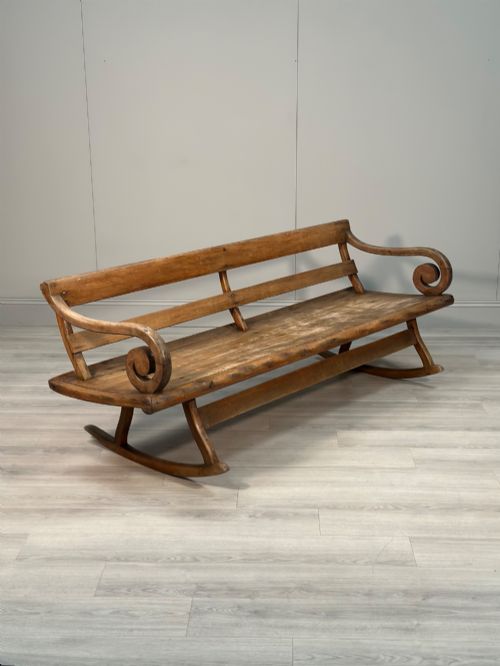
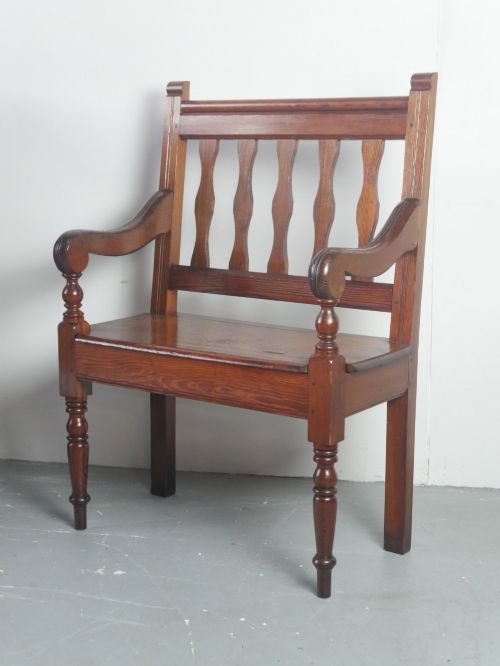
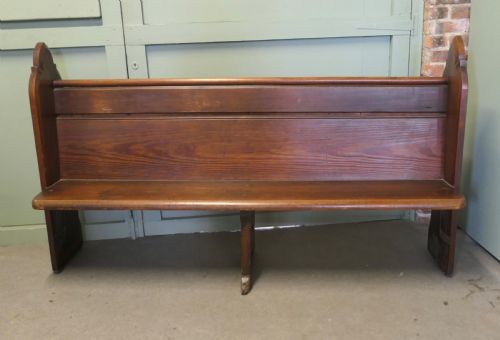
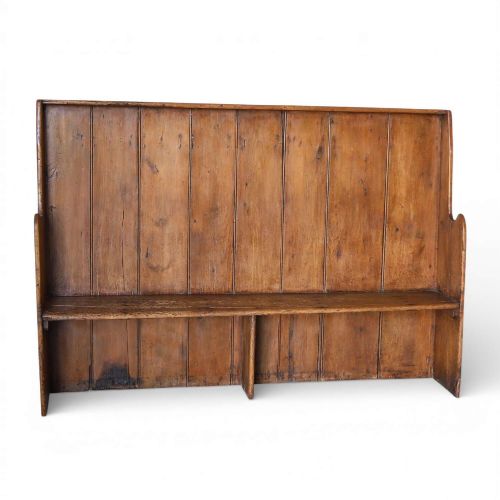
An antique pine settle is a high-backed wooden bench designed to block draughts in domestic hallways, farmhouses, and rural pubs. Most examples on this page date from the Georgian and Victorian periods, often displaying regional British or Hungarian folk origins.
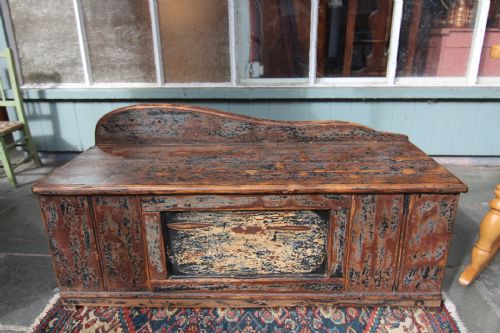
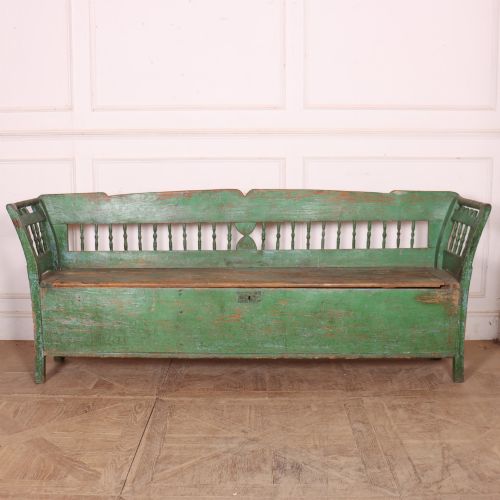
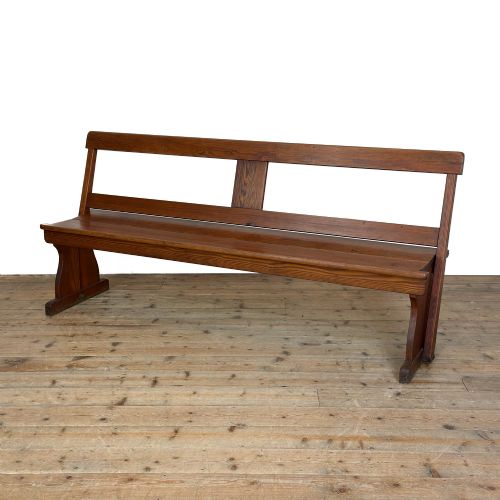
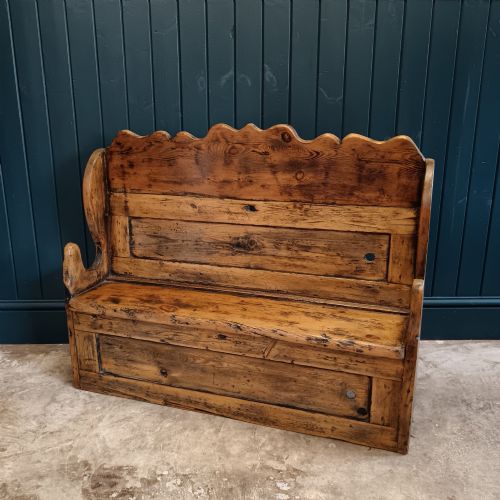
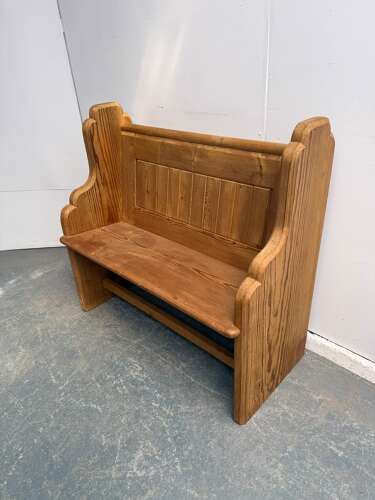
The form typically combines a solid wooden seat with high panelled backs and wings, sometimes incorporating hinged lids for under-seat storage or barrel-backed curves to retain heat by the hearth. Variations include church pews, flip-over chapel benches, and enclosed box settles.
How they were made
Carpenters constructed these benches predominantly from solid pine, frequently utilising pitch pine for durability or incorporating elm for seat planks and iron fixings for structural support. Surfaces were either left bare to develop a waxed patina or finished with traditional paint layers in blue, black, grey, or cream.
Joinery techniques relied on traditional pegging, panel construction, and solid board assembly suited to heavy everyday use in rural kitchens and communal spaces. Regional workshops applied distinct moulding profiles and spindle details, while folk pieces often featured carved motifs or applied colour schemes.
Antique Pine Settle Retail Price Guide 2026
Typical asking prices for pine settle among the pieces listed under this phrase on Sellingantiques today, from the lower quarter to the upper quarter. They describe what is for sale here now, not the wider market.
What varies in quality
Quality rests on the integrity of the original construction, the depth of the timber's patina, and the survival of early or original painted surfaces. Pieces retaining undisturbed historic finishes and robust box bases stand apart from heavily restored or stripped examples.
Proportion and regional character dictate desirability, with curved barrel backs, integrated storage boxes, and uncompromised structural joins representing the higher end of the range. Simpler utilitarian church pews and later factory-made forms occupy a different tier of craftsmanship.
The Antique Pine Settle Glossary
- Box settle
- A wooden bench featuring a hinged seat lid that opens to reveal a storage compartment beneath. These were standard space-saving furniture items in rural households.
- Barrel back
- A seating design characterised by a curved, semi-circular high back that wraps around the occupant to deflect cold air. This form was particularly favoured for fireside placement.
- Patina
- The surface sheen and colour acquired by wood through age, handling, and repeated waxing. A desirable patination indicates genuine antique status and minimal modern intervention.
- Pew
- A long wooden bench traditionally found in churches and chapels, frequently adapted for domestic hallway or kitchen use in later periods.
- Folk art
- Decorative or utilitarian objects created within a traditional community culture, often distinguished by hand-mixed paintwork and unpretentious regional design.
Antique Pine Settle: Frequently Asked Questions
What is the difference between a settle and a pew?
A settle typically incorporates solid high backs, enclosed sides, or storage compartments designed to keep out household draughts in domestic settings.
Pews originate from ecclesiastical spaces like churches and chapels, generally featuring open ends and simpler continuous seating without integrated storage boxes.
How were settles used in historical homes?
These benches stood in farmhouse kitchens and halls to provide communal seating close to the hearth where warmth concentrated.
The high wooden panels and winged sides acted as windbreaks against cold drafts in unheated rooms, while box variants stored household blankets and provisions.
Are painted finishes on pine settles original?
Many pieces retain historic layers of oil-based paint, such as traditional blues, greys, and blacks applied during the Georgian or Victorian eras.
Closer inspection of surface wear, craquelure, and underlying timber helps distinguish genuine early paint schemes from later decorative overpainting.
Where did regional settle styles originate?
Distinct regional forms emerged across British counties like Pembrokeshire, Cumberland, and Wales, as well as through European folk traditions in Hungary and Scandinavia.
Local timber availability, such as local pine or elm, combined with specific workshop traditions to define the silhouette and construction methods.