

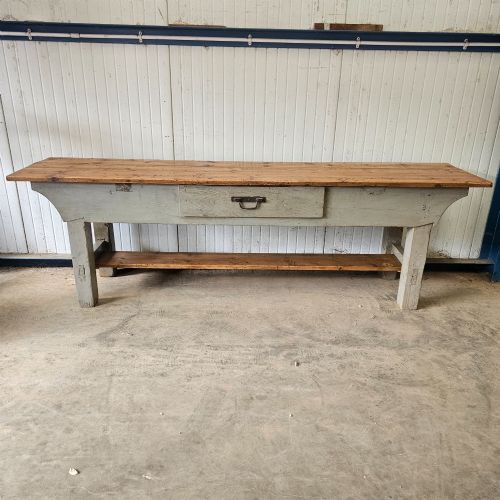
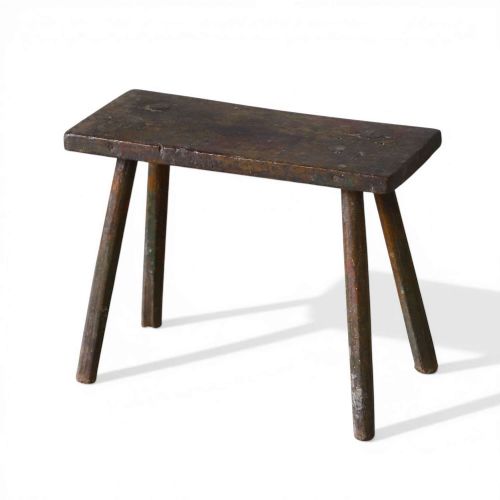
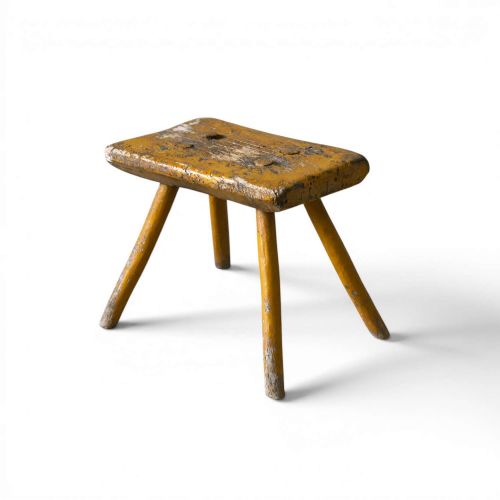
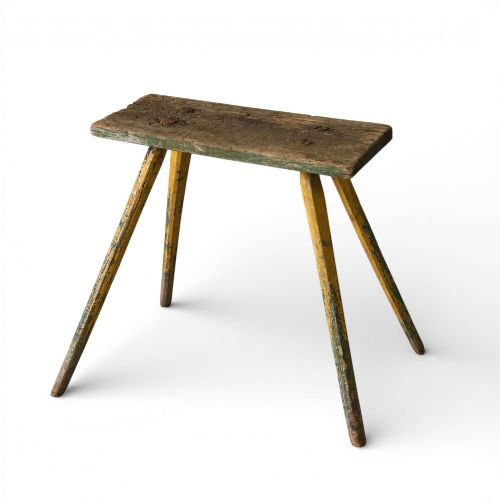

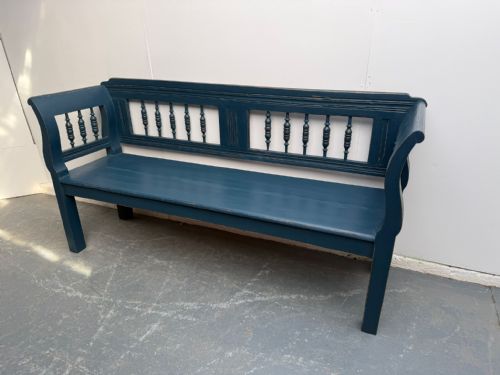
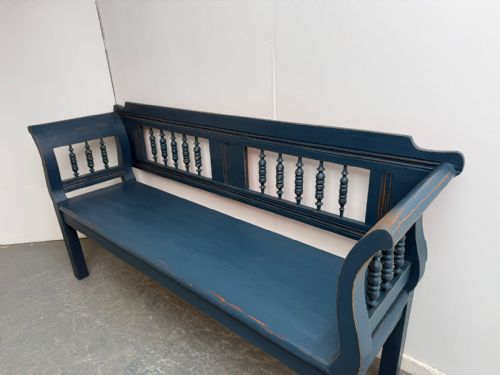

Painted Pine Bench
When you search for a painted pine bench, you are looking at utilitarian country seating transformed by historic decorative brushwork.
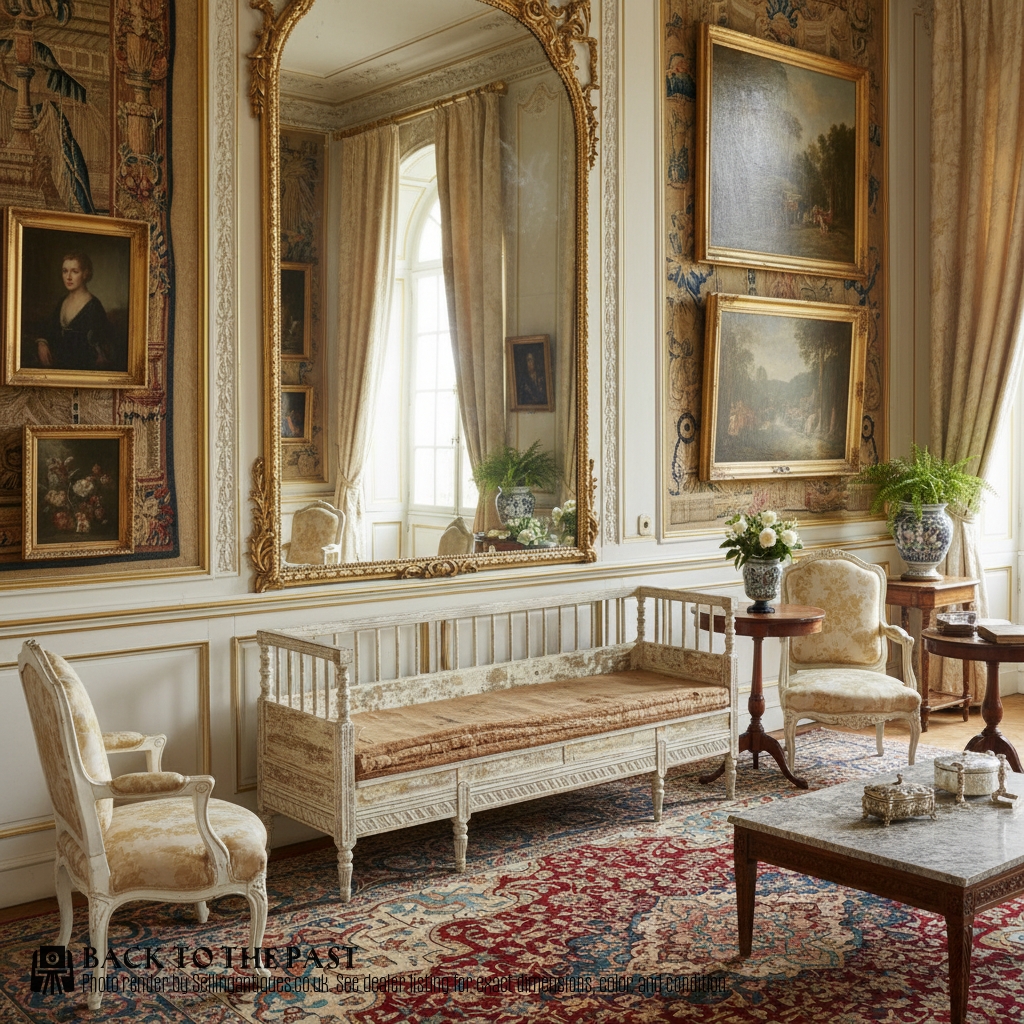
Painted Pine Bench
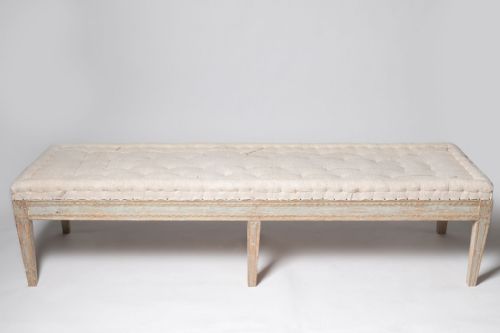
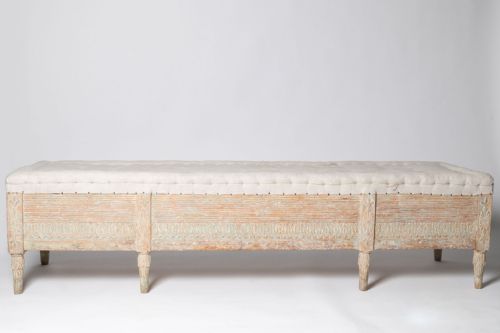
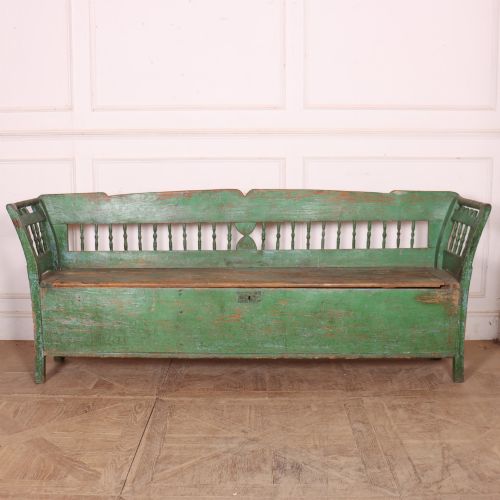
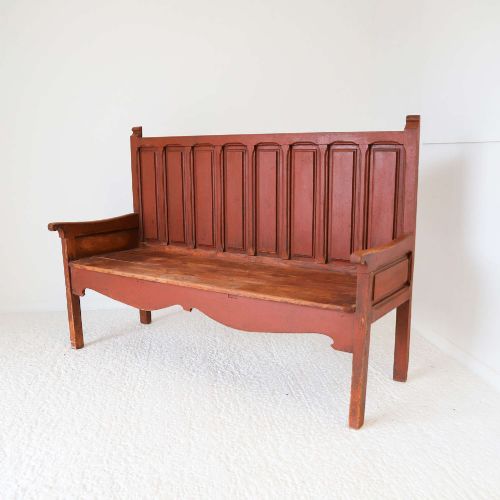
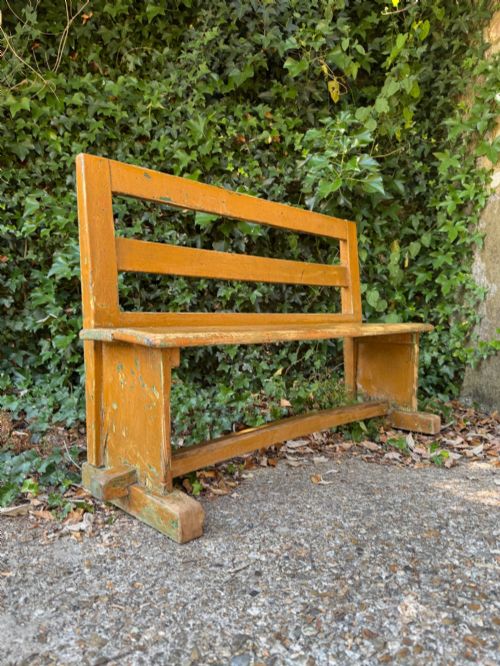
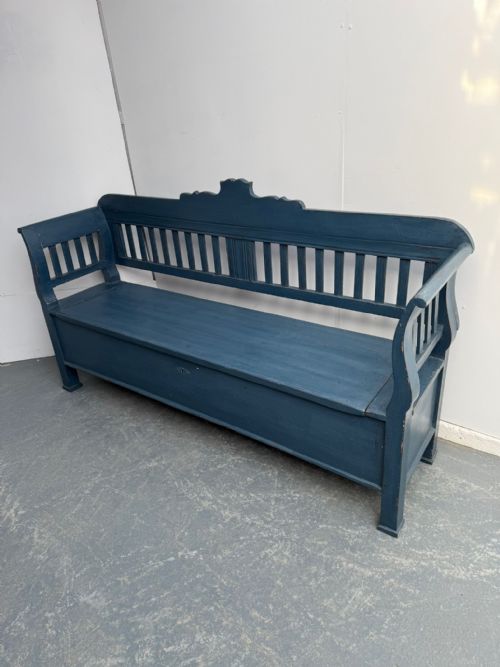
A painted pine bench brings functional domestic and tavern seating from the eighteenth, nineteenth, and early twentieth centuries into modern interiors. You will frequently encounter substantial Hungarian three-seater box settles alongside English tavern benches and Scandinavian country forms.
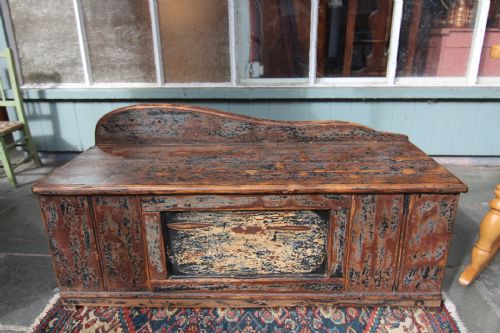
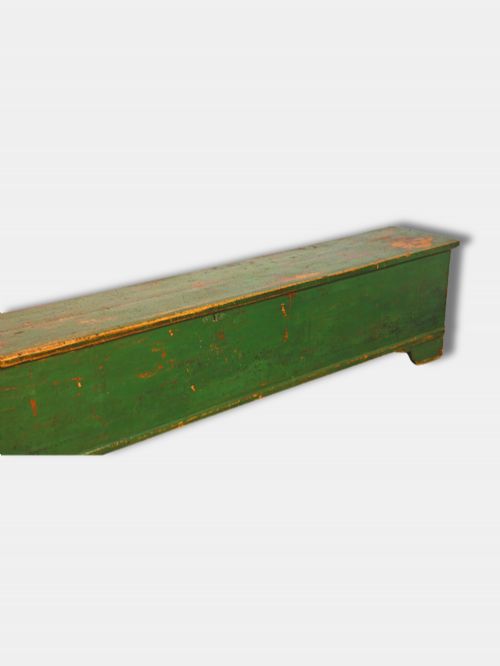
Makers constructed these pieces from softwood timber for everyday use in farmhouses, halls, and public houses. Many examples survive with their original surface decoration, ranging from simple monochrome coats to folk art pigments.
Distinguishing quality
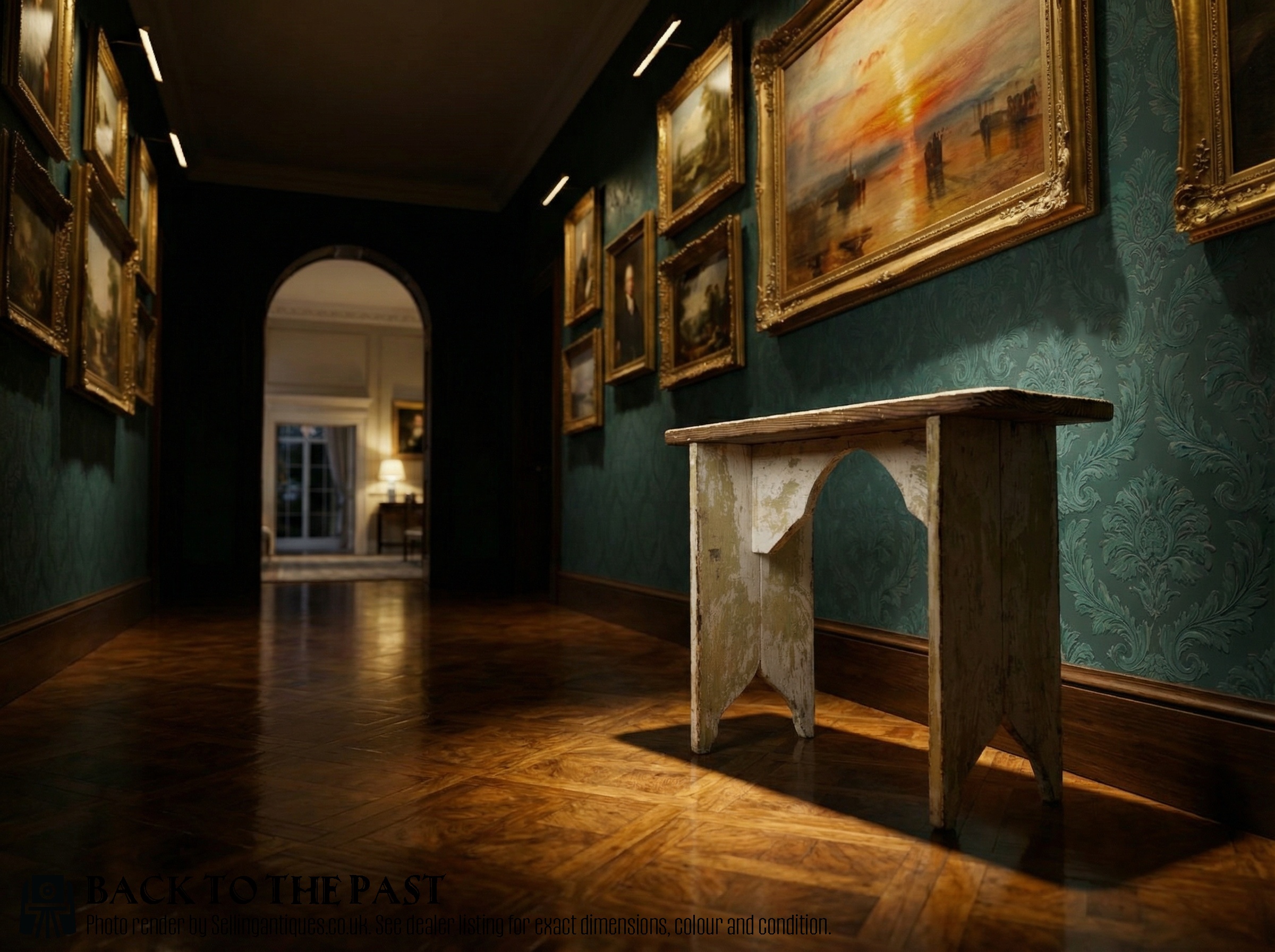
The survival of an original painted surface determines the desirability of a piece, with undisturbed historic layers holding more integrity than later decorative touch-ups. Depth of tone and natural wear patterns reveal the age and authenticity of the pigment.
Proportion and scale separate standard workshop items from exceptional vernacular examples. Well-proportioned settles and benches with integrated box storage demonstrate superior regional craftsmanship.
Painted Pine Bench Retail Price Guide 2026
Typical asking prices for painted pine bench among the pieces listed under this phrase on Sellingantiques today, from the lower quarter to the upper quarter. They describe what is for sale here now, not the wider market.
The inventory spans eighteenth-century vernacular pieces to early twentieth-century railway waiting room benches and milking stools.
The Painted Pine Bench Glossary
- Settle
- A wooden bench with a high back, solid arms, and often a box seat compartment beneath. This form provided shelter from draughts in domestic halls and taverns.
- Box settle
- A specific variant featuring a hinged seat that lifts to reveal storage space inside the base. It combines seating with functional household containment.
- Vernacular
- Architecture and furniture built by local craftsmen using traditional regional methods and materials. These pieces reflect the specific needs and styles of their local area.
- Original paint
- Historic surface pigment applied during the period of manufacture rather than in modern times. Collectors prize untouched original coatings for their visual depth.
- Softwood
- Timber derived from conifers, predominantly pine in these listings. It served as the primary accessible material for country furniture production.
Painted Pine Bench: Frequently Asked Questions
How do I clean a painted pine bench?
Dust the surface regularly with a dry, soft cloth to prevent dirt accumulation. Avoid harsh chemical cleaners or excess moisture, which can damage historic paint layers.
Test any conservation products on a hidden area first. Maintaining a stable indoor humidity protects both the underlying timber and the historic pigment.
Were these benches used outdoors?
Most surviving examples originated inside farmhouses, taverns, waiting rooms, and domestic halls. Pitch pine variants were occasionally built for institutional or semi-protected outdoor settings.
Placing historic painted pine outdoors exposes the softwood and surface pigments to damaging moisture and temperature fluctuations. Keep these pieces in climate-controlled interior spaces.
How can I tell original paint from later decoration?
Original paint exhibits natural craquelure, fading, and wear consistent with centuries of use. Microscopic examination often reveals multiple historic layers beneath the surface.
Modern repaint jobs frequently lack the subtle tonal variations and genuine patina of age. Look for integrated wear where hands and garments naturally rubbed the wood.
What is the difference between a settle and a bench?
A settle incorporates a high wooden back and solid side arms designed to block cold air drafts. Regular benches feature open sides and lower or absent backs.
Many settles also include enclosed box storage beneath the seat. Benches tend to offer simpler, more open construction formats.