



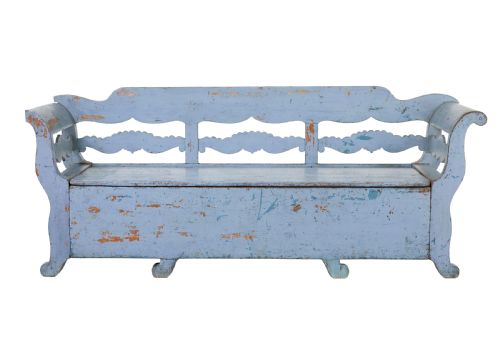

Antique Swedish Bench
An antique Swedish bench brings understated Nordic charm to a room, offering both practical seating and timeless painted woodwork.
What an antique Swedish bench is
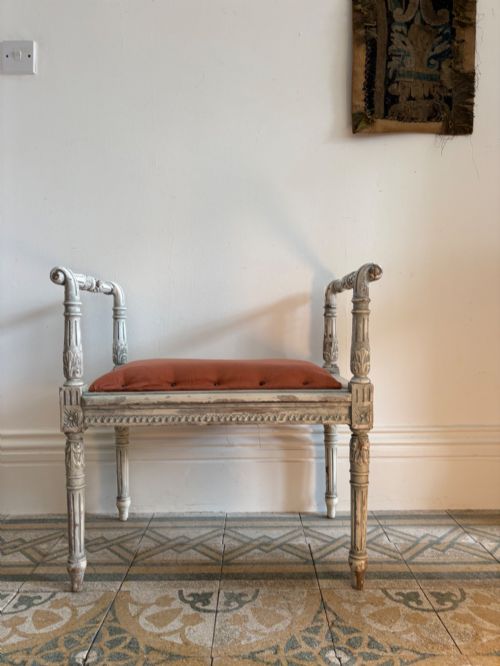
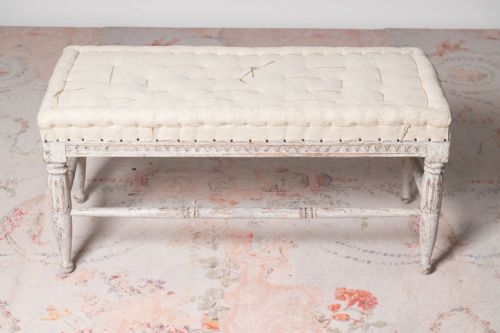
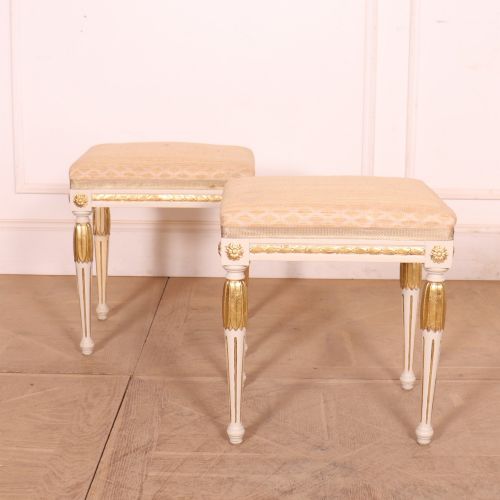
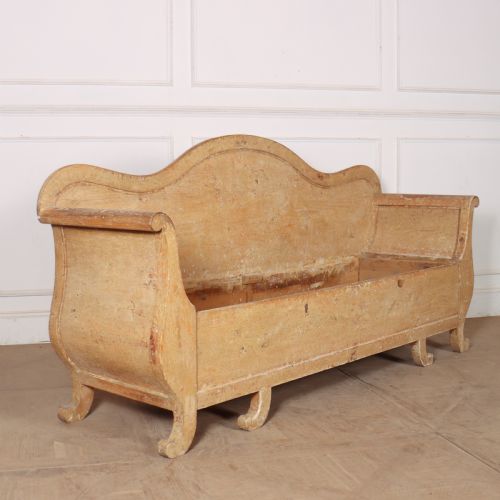
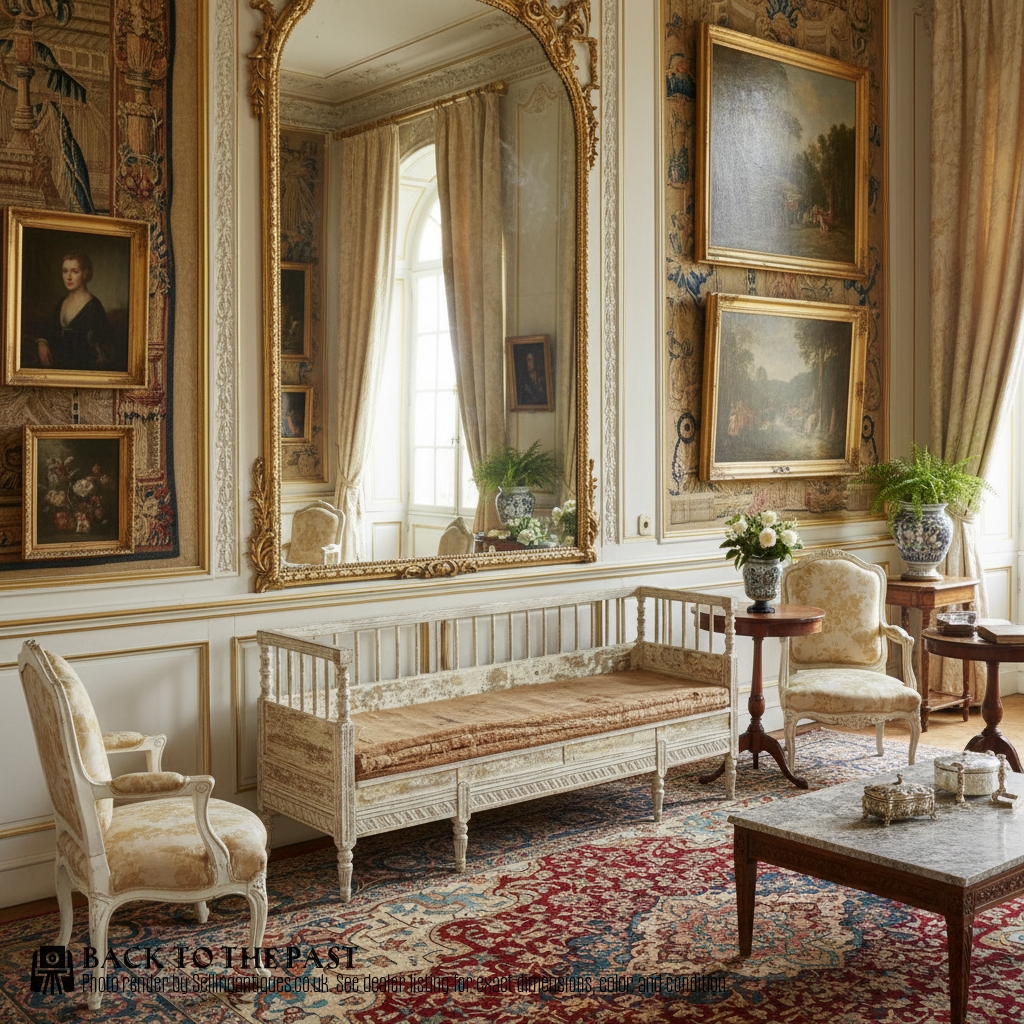
An antique Swedish bench represents a tradition of Scandinavian seating, spanning styles from the 18th century through to 1900. When exploring the category of antique Swedish bench, buyers encounter pieces that range from formal Gustavian settees to rustic painted settles and children's furniture.
Most pieces met in this category lean towards pine and other softwoods, frequently finished with layers of paint. Collectors appreciate how these items bridge the gap between functional utility and decorative folk tradition, fitting effortlessly into modern or traditional interiors.
How they were made
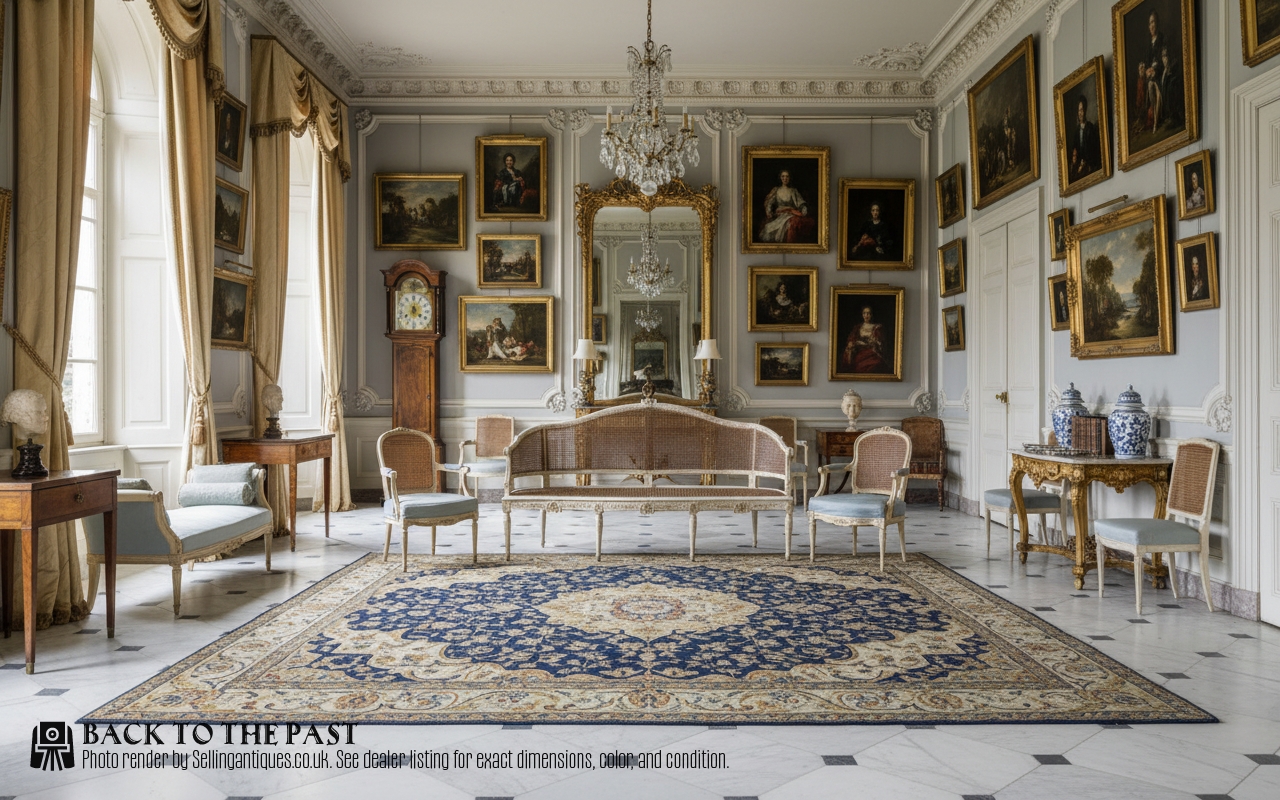
Cabinetmakers and rural joiners constructed these benches primarily using pine and beechwood, relying on traditional jointing techniques suited to local timber. Structural elements were shaped by hand, creating sturdy frames designed for daily household use.
Surfaces were frequently finished with painted wood treatments, applying historic pigments that developed patinas over generations. Upholstered variants incorporate textiles such as linen, cotton, and cane, adding layers of comfort to the wooden foundations.
Retail Price Guide 2026
Typical UK retail prices for swedish bench, calculated from the Sellingantiques database of over a million retail prices indexed since 2003. This retail price guide relies exclusively on Sellingantiques data; no external sources or auction records are used, so the figures do not describe the wider market.
The documented periods span from the 18th century through the 19th century, including specific dates such as 1880, 1890, and 1900.
What varies in quality
The distinction between standard domestic seating and finer examples lies in the refinement of the carving and the integrity of the original paint surface. Gustavian pieces exhibit restrained neoclassical detailing, whereas rustic settles prioritize robust construction and utility.
Proportions and scale also differentiate the range, from children's miniature benches to full-sized settees built for grander reception rooms. The survival of early surface finishes and untouched structural timber elevates the character of a piece considerably.
The Antique Swedish Bench Glossary
- Gustavian
- The Swedish interpretation of neoclassical style, named after King Gustav III, characterised by symmetry, fluted legs, and restrained carving. This aesthetic dominated late 18th-century design.
- Settle
- A wooden bench featuring a high back to block draughts, often incorporating a hinged seat that opens to reveal a storage box underneath. These were essential items in traditional Scandinavian interiors.
- Pine
- A softwood commonly utilised across Swedish furniture making due to its abundance and workability. It accepts paint readily and forms the structural core of most rustic pieces.
Frequently Asked Questions
How were antique Swedish benches used?
Historically, these benches provided communal seating around dining tables or along walls in Scandinavian homes. Settle variants offered enclosed seating that kept occupants warm by blocking cold drafts.
Many examples also doubled as storage units, featuring hinged seats that lifted to hold household blankets, provisions, or textiles.
How do I style a Swedish bench at home?
A Swedish bench works well in hallways, dining spaces, or living rooms as a practical focal point. Pairing a painted pine bench with simple textiles or cushions enhances its historic Nordic character.
Their restrained palettes and clean lines allow them to complement both contemporary minimalist interiors and traditional country settings.
How can I tell the period of a Swedish bench?
Dating relies on examining the construction methods, tool marks, and stylistic indicators present in the woodwork. 18th-century pieces often display Gustavian neoclassical details or early hand-planed surfaces.
Later 19th-century examples tend towards simpler rustic vernacular forms or industrial-era pine construction, while paint analysis can reveal further clues about age.