





Vintage Upholstered Stool
These vintage upholstered stool examples bring period character to a room, offering practical seating or foot support through traditional forms.
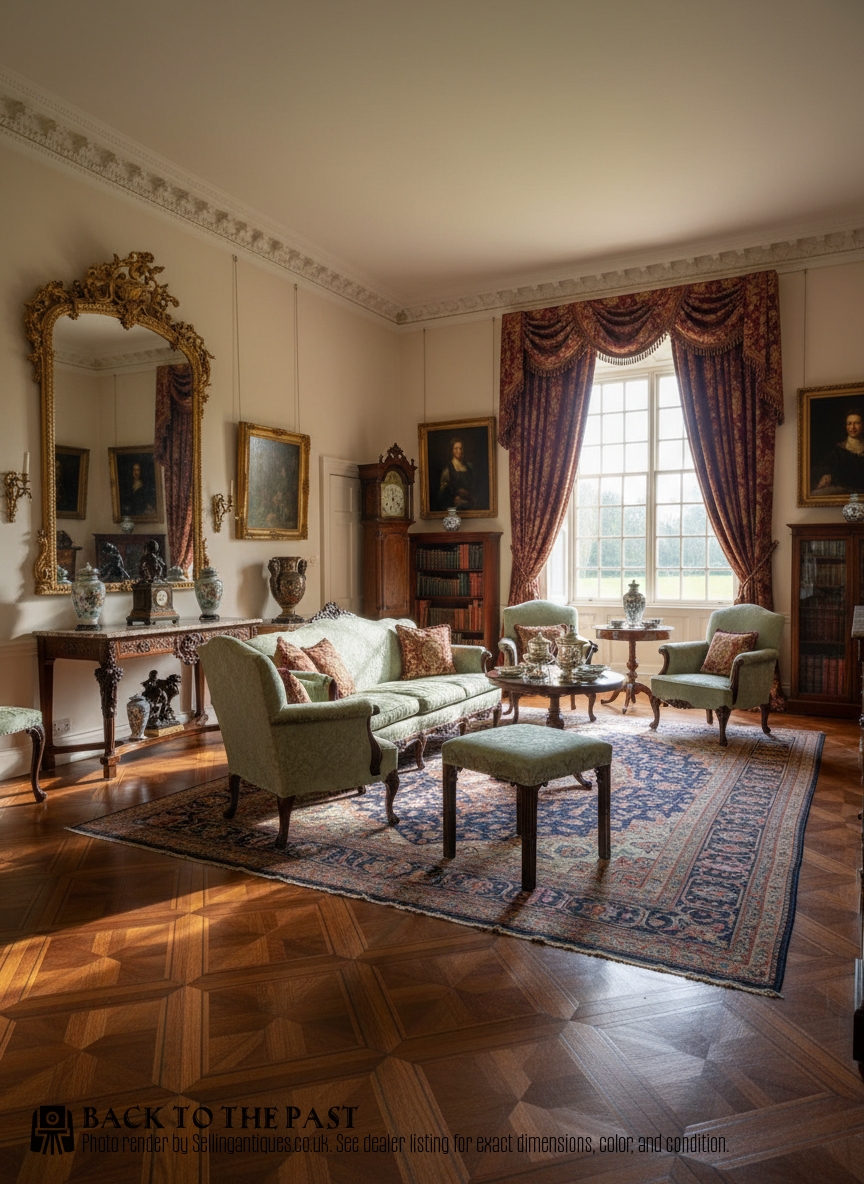
Vintage Upholstered Stool
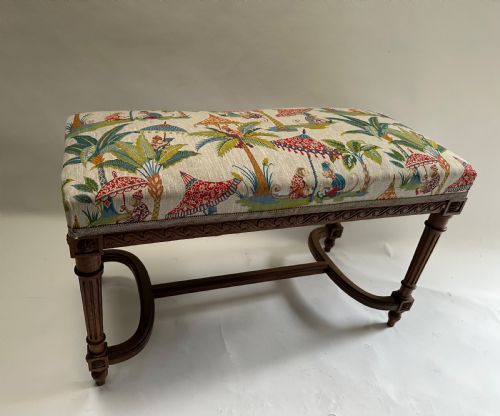
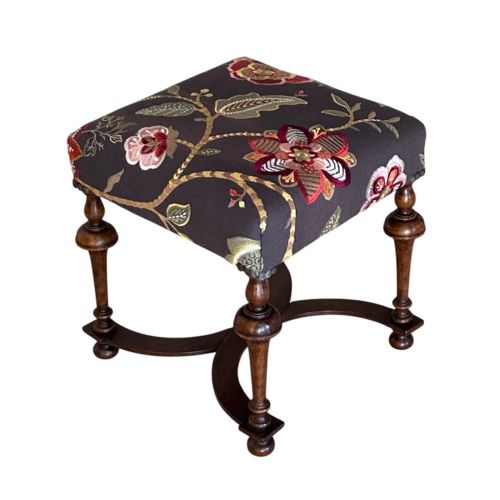
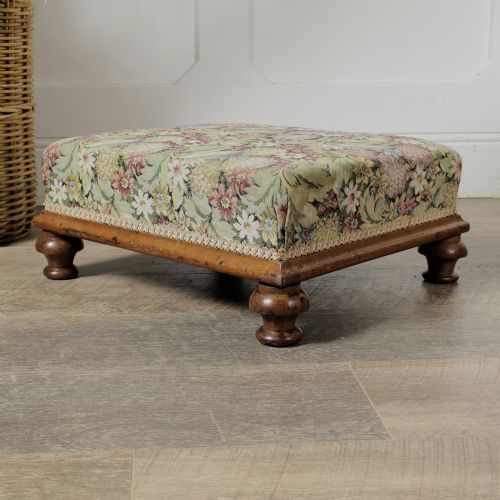
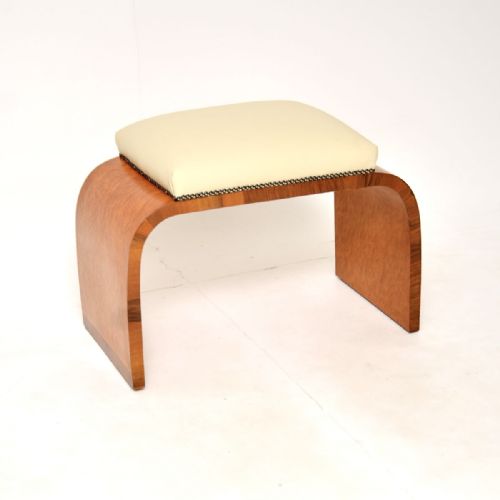
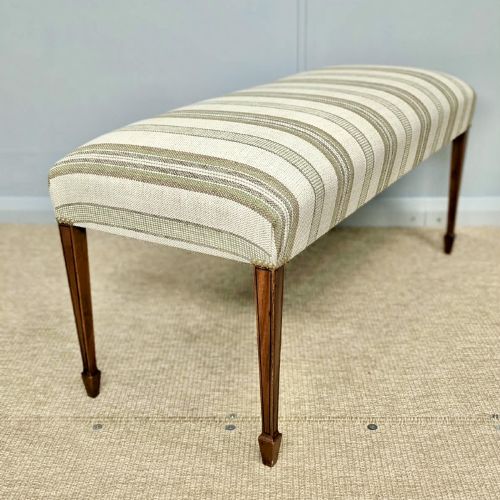
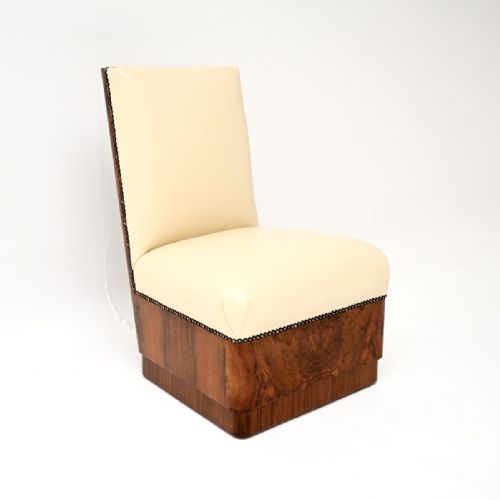
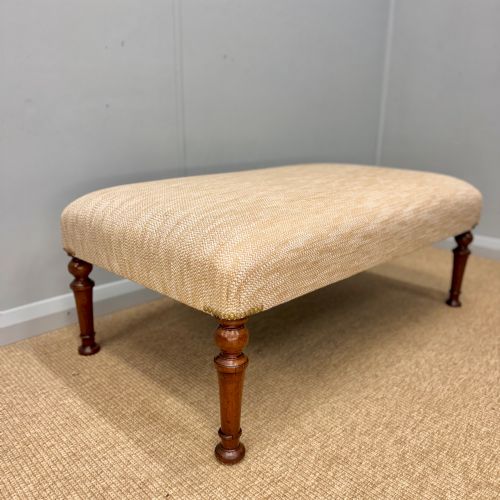
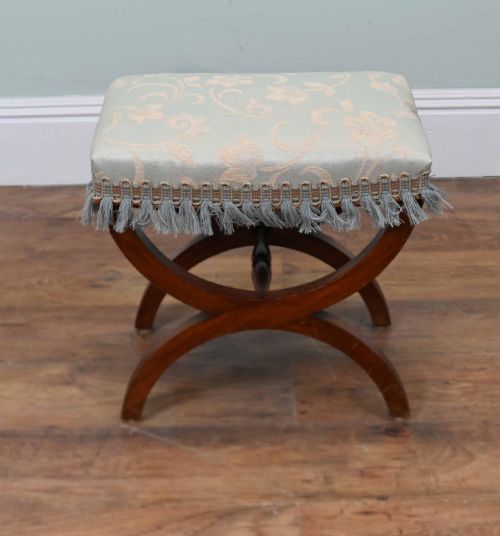
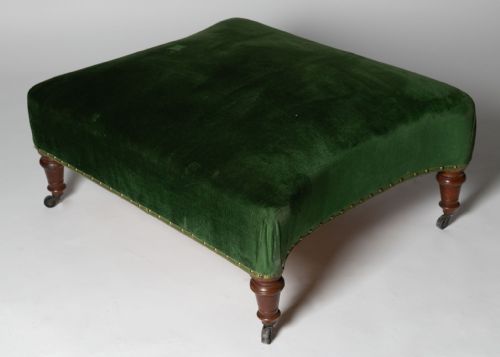
A vintage upholstered stool encompasses various low seating forms, including footstools, ottomans, piano stools, and dressing table seats found across this selection. Buyers find pieces ranging from compact fireside footstools to large Scottish Baronial designs and duet piano seats.
The material record spans the nineteenth century through the 1930s, incorporating Victorian, Edwardian, and Art Deco eras alongside revival styles such as Queen Anne, Chippendale, and Sheraton. Walnut and mahogany predominate in the timber frames, accompanied by rosewood, oak, beech, and pine.
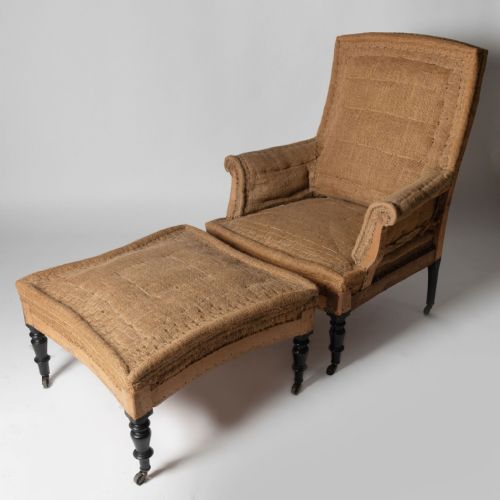
Origins vary from English workshops to Scottish, French, Swedish, and Anglo-Indian makers, demonstrating diverse regional interpretations of standard domestic seating types. Many listings present items newly upholstered or ready for fresh textile application.
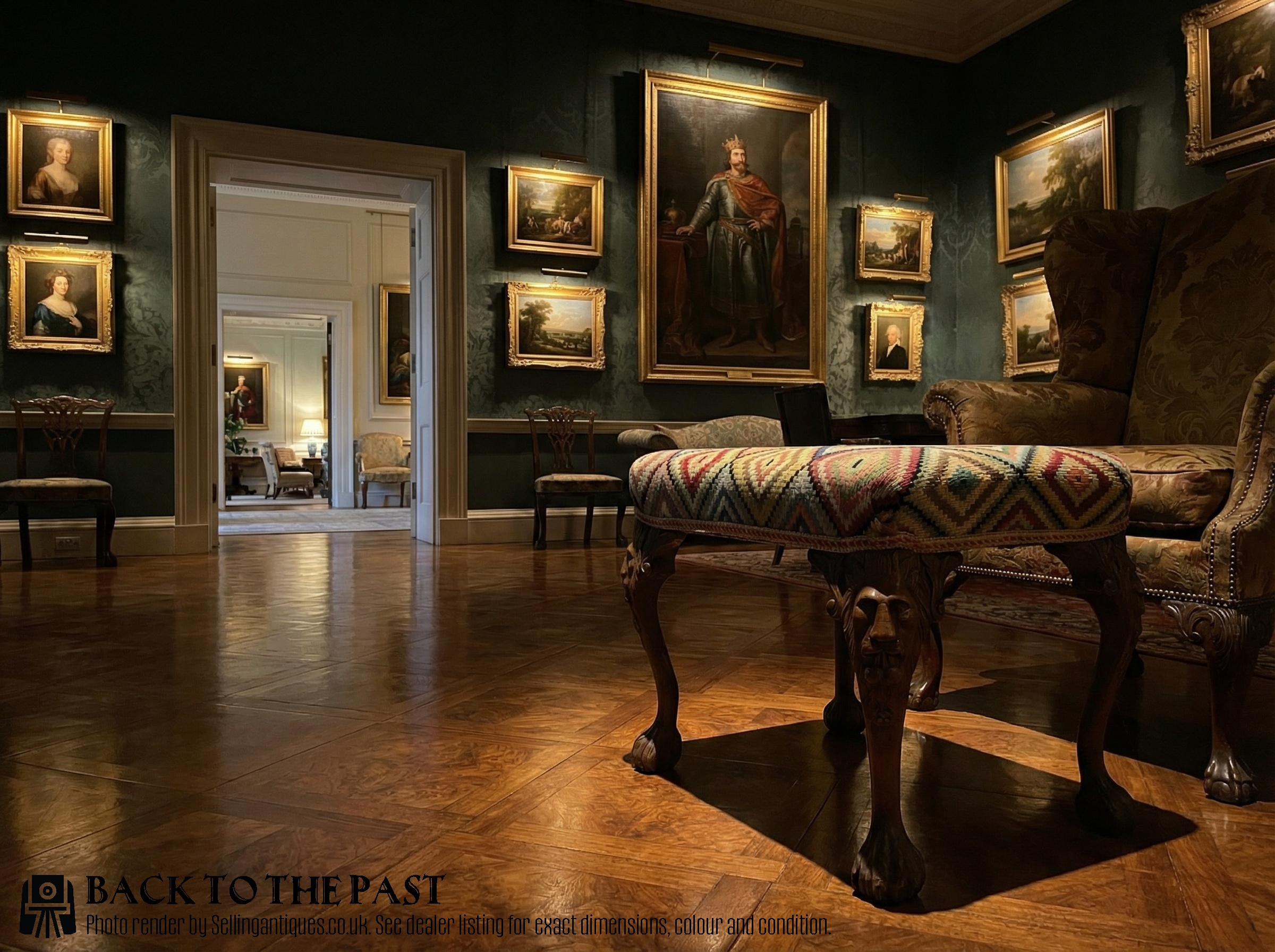
Distinctions in construction and material integrity
Quality rests in the precision of the timber carving, the structural joinery of the frame, and the authenticity of period materials. Pieces utilising solid walnut or mahogany with intricate hand-carved details occupy the upper tier.
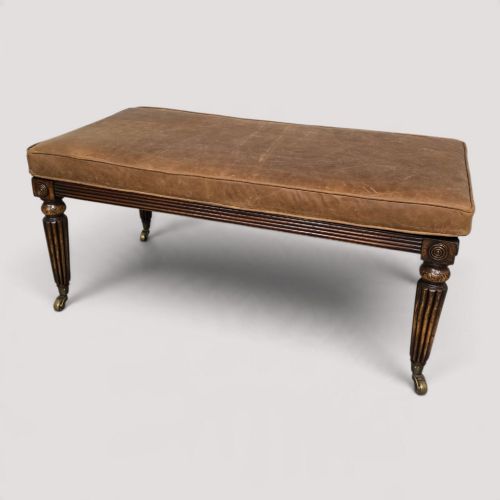
The standard of the upholstery work and the choice of covering material influence the overall finish. Fine needlepoint, quality leather, or correctly executed buttoning elevate a piece above simpler textile applications.
Vintage Upholstered Stool Retail Price Guide 2026
Typical asking prices for vintage upholstered stool among the pieces listed under this phrase on Sellingantiques today, from the lower quarter to the upper quarter. They describe what is for sale here now, not the wider market.
Musicians relied on specialised revolving and harpists' seats designed to keep performers balanced while they played.
Howard & Sons
The Vintage Upholstered Stool Glossary
- Cabriole leg
- A furniture leg that curves outward at the knee and tapers inward toward the foot, commonly seen on walnut and mahogany stools from the Victorian period.
- Needlepoint
- A type of canvas work embroidery traditionally used for covering the seats of footstools and fireside stools.
- Cross stretcher
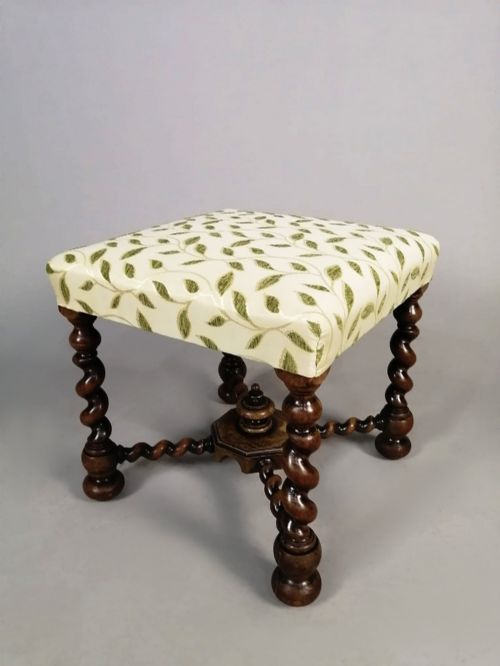
- An intersecting wooden brace positioned between the legs of a stool to provide structural stability and decorative detail.
- Ottoman
- A low, upholstered seat or footstool typically lacking arms or a back, recorded in various large formats across the listings.
- Revolving piano stool
- An adjustable seat mechanism designed for musicians, allowing height alteration through a rotating top.
Vintage Upholstered Stool: Frequently Asked Questions
Where should I place a footstool?
These pieces suit living rooms, dressing areas, and firesides, functioning primarily as foot rests or auxiliary seating.
Smaller footstools fit easily beside armchairs, while larger ottomans or dressing table stools anchor corners or sit beneath tables.
How do I identify a Victorian stool?
Victorian examples frequently employ walnut or mahogany, featuring carved cabriole legs, buttoned leather, or wool needlework seats.
Construction details and traditional timber patination help distinguish nineteenth-century items from later revival pieces.
Are piano stools adjustable?
Certain piano stool designs include revolving mechanisms that allow the seat height to change for the player.
Others take the form of duet benches or stationary mahogany seats intended for dual usage.
What is a window seat?
A window seat is an elongated stool or low bench traditionally placed beneath domestic windows for seating.
Painted pine and mahogany versions from the nineteenth century offer narrow proportions suited to specific alcove spaces.