




Art Deco Stool
An art deco stool brings distinctive 1920 and 1930 design to a dressing table or piano.
Art Deco Stool
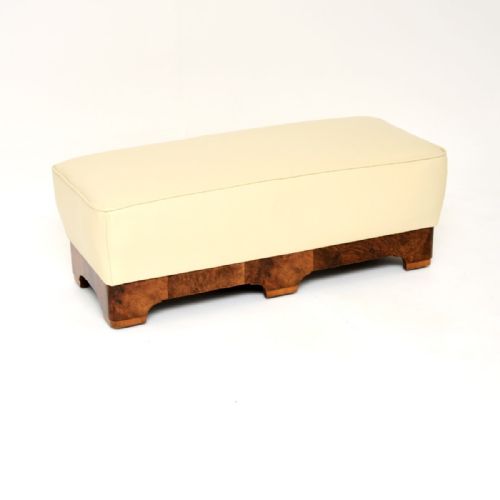
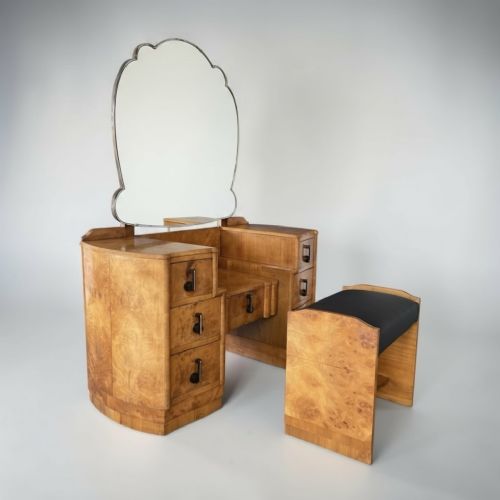
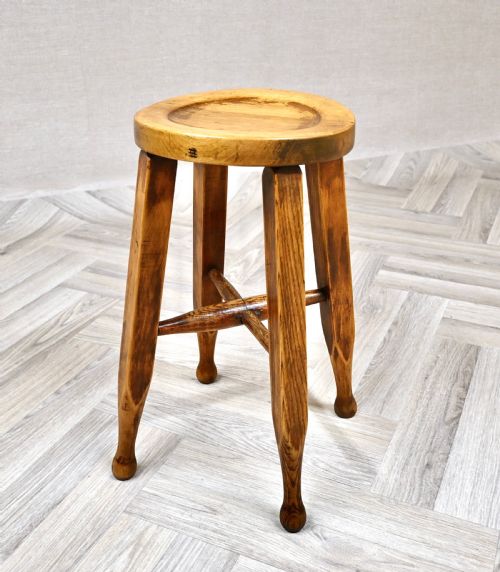
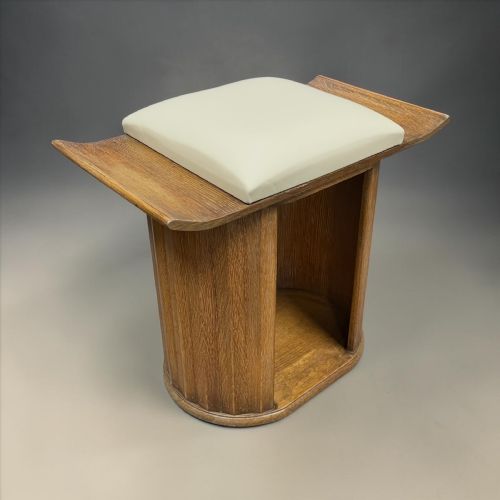
An art deco stool serves primarily as a dressing table seat, piano bench, or footstool. Pieces from the 1920 and 1930 periods appear frequently in various forms across these listings.
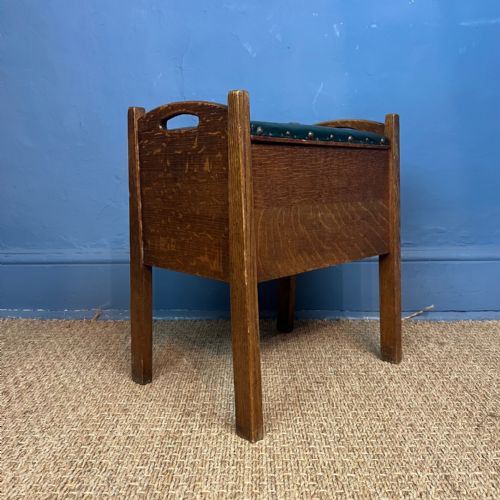
Makers produced standard single stools alongside longer duet piano benches and drum-shaped storage models. Dressing stools match larger bedroom suites or function as standalone seating.
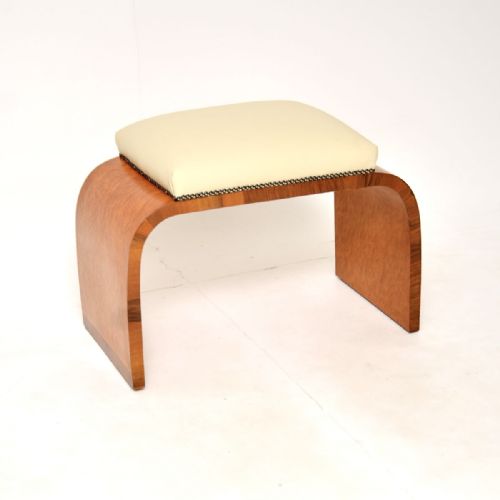
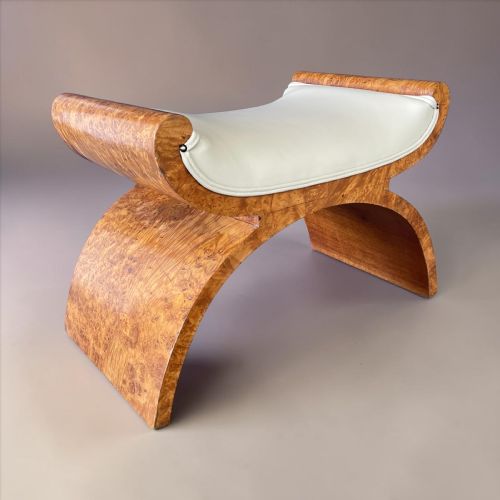
Origin details point towards English workshops, alongside notable examples from French makers. Common forms include rectangular leather-topped seats and curved wooden frames.
Materials and construction
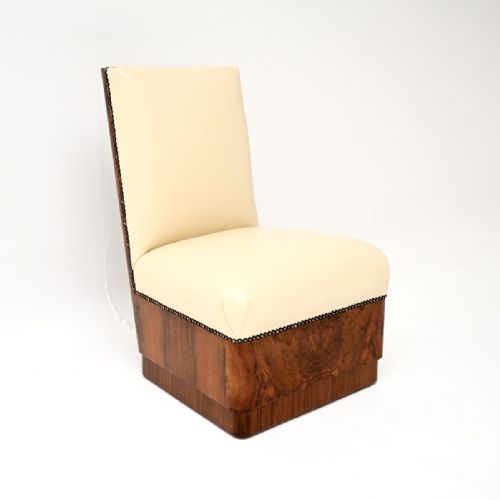
Cabinet makers utilised choice timbers like burr walnut, birds eye maple, sycamore, and oak for the frames. Veneers create bold geometric grain patterns across the visible wooden surfaces.
Upholstery materials range from plain and cream leather to patterned velvet and fabric covers. Some piano benches and footstools incorporate interior storage compartments beneath the seat.
Art Deco Stool Retail Price Guide 2026
Typical asking prices for art deco stool among the pieces listed under this phrase on Sellingantiques today, from the lower quarter to the upper quarter. They describe what is for sale here now, not the wider market.
Some dressing stools double as secret drums for storing your private sheet music.
Evaluating the standard
The choice of timber veneer dictates much of the visual impact, with figured walnut and birds eye maple sitting at the higher end. Workshop attribution also elevates certain pieces above standard anonymous production.
Harry and Lou Epstein·B. North and Son·Rowley Gallery·Heals of London
The Art Deco Stool Glossary
- Burr walnut
- A figured timber obtained from walnut tree growths, producing intricate swirls and patterns on furniture surfaces. This material defines many high-end pieces from the period.
- Duet piano stool
- An elongated bench designed to seat two musicians side by side at a piano. These often include hinged seats revealing music storage compartments.
- Birds Eye Maple
- A decorative hardwood showing small circular figures resembling tiny eyes across the grain. It provides a pale, striking contrast in modernist interiors.
- Sycamore
- A light-coloured hardwood utilised by English cabinet makers for dressing table components and smaller seats. It takes a smooth finish typical of the era.
- Drum shaped
- A circular furniture form with curved sides enclosing a central cavity. Such models frequently incorporate hidden storage accessible via the top.
Art Deco Stool: Frequently Asked Questions
How do I use an art deco stool today?
These pieces work effectively as dressing table seats, piano benches, or occasional footstools in modern rooms. Their compact proportions allow them to fit easily beneath desks or beside armchairs.
Many examples include internal storage for sheet music or bedroom items. This functional cavity makes them practical additions to living spaces and dressing areas.
Were these stools made for dressing tables or pianos?
Makers produced stools for both purposes, and many designs served multiple functions interchangeably. Dressing table stools tend to be square or round, while piano benches are usually wider to accommodate two players.
Storage compartments appear frequently in both piano and dressing variants. Examining the dimensions helps determine the original intended placement within a room.
How do I distinguish 1920 pieces from 1930 pieces?
Pieces from the 1920 period often display early modernist experiments, sometimes sharing traits with the preceding arts and crafts style. Geometric forms tend to be heavier and incorporate darker timbers like oak.
By the 1930 period, designs favored streamlined curves and lighter veneers such as burr walnut and birds eye maple. Leather upholstery and drum shapes became prominent during this later decade.
What woods were used for these stools?
Cabinet makers relied heavily on walnut, burr walnut, and birds eye maple for decorative impact. These figured timbers were applied as veneers over sturdier base woods.
Oak, sycamore, and general timber frame the internal structures and support the upholstery. Lighter woods became particularly popular for bedroom suites during the 1930s.