






Antique Dressing Table Seat
An antique dressing table seat brings low-profile seating and period character to a bedroom, combining practical utility with refined timber work.
Antique Dressing Table Seat
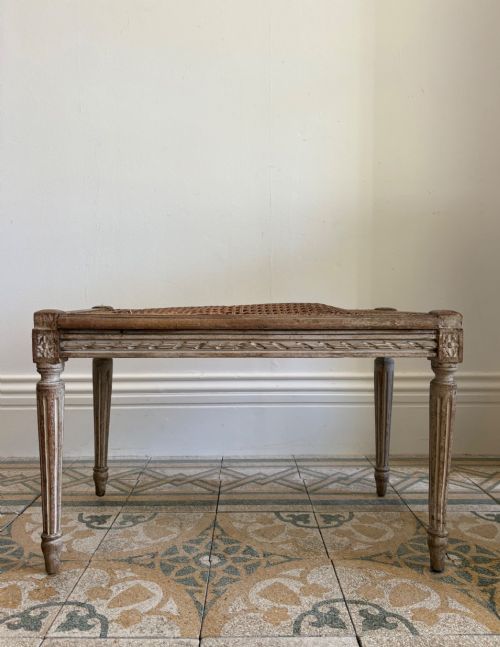
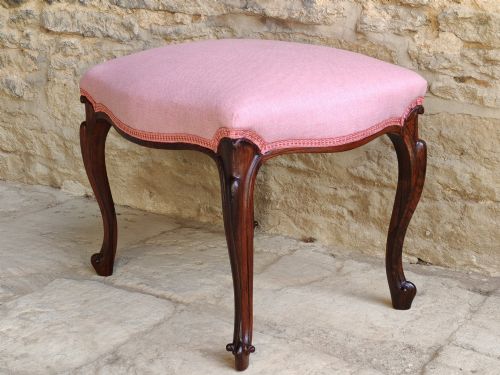
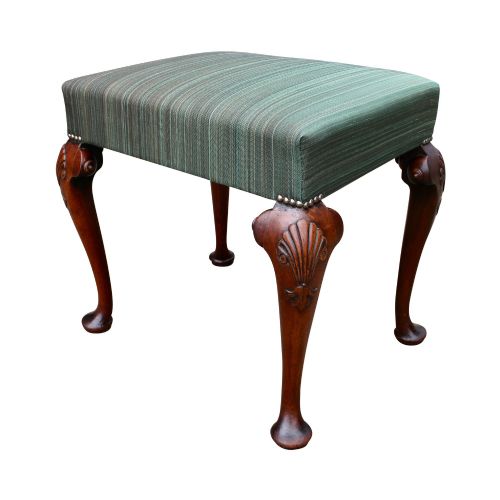
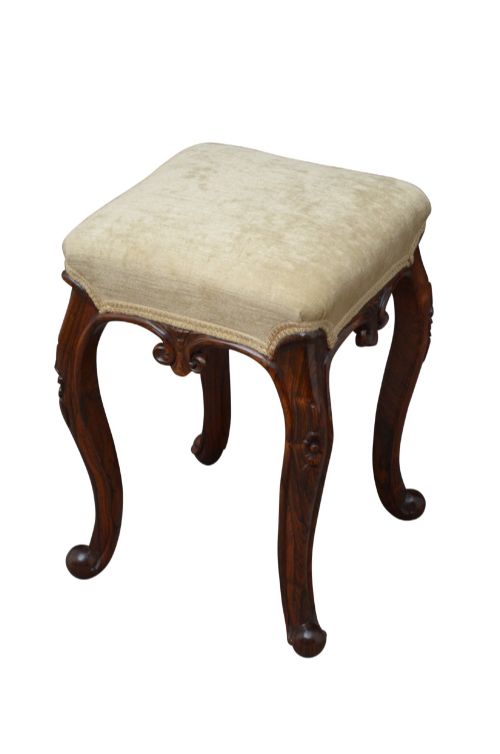
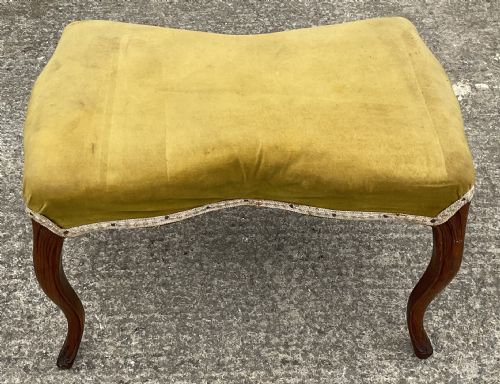
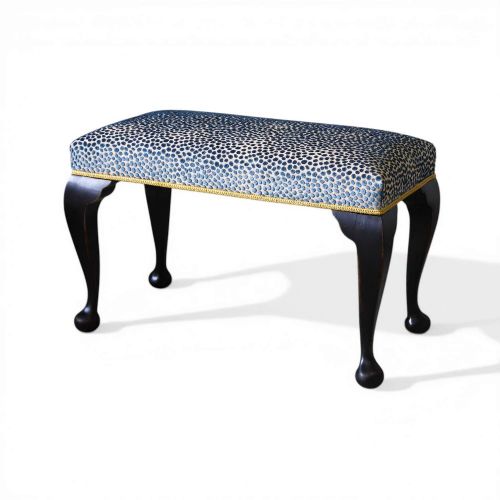
An antique dressing table seat encompasses low stools, benches, and small chairs designed to sit neatly beneath a dressing table or vanity. The selection spans the nineteenth century through the art deco period, offering diverse regional influences including English, French, and Anglo-Indian designs.
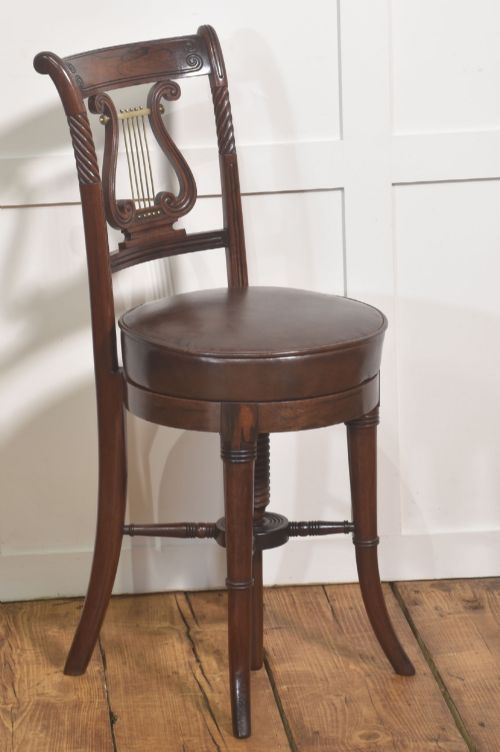
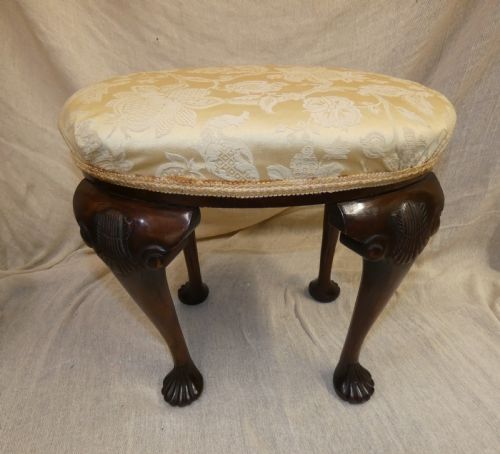
Stools form the majority of the available pieces, appearing in oval, rectangular, and circular shapes with fixed heights or revolving mechanisms. Side chairs and benches with upholstered backs or cross stretchers also provide low-profile seating suitable for a bedroom setting.
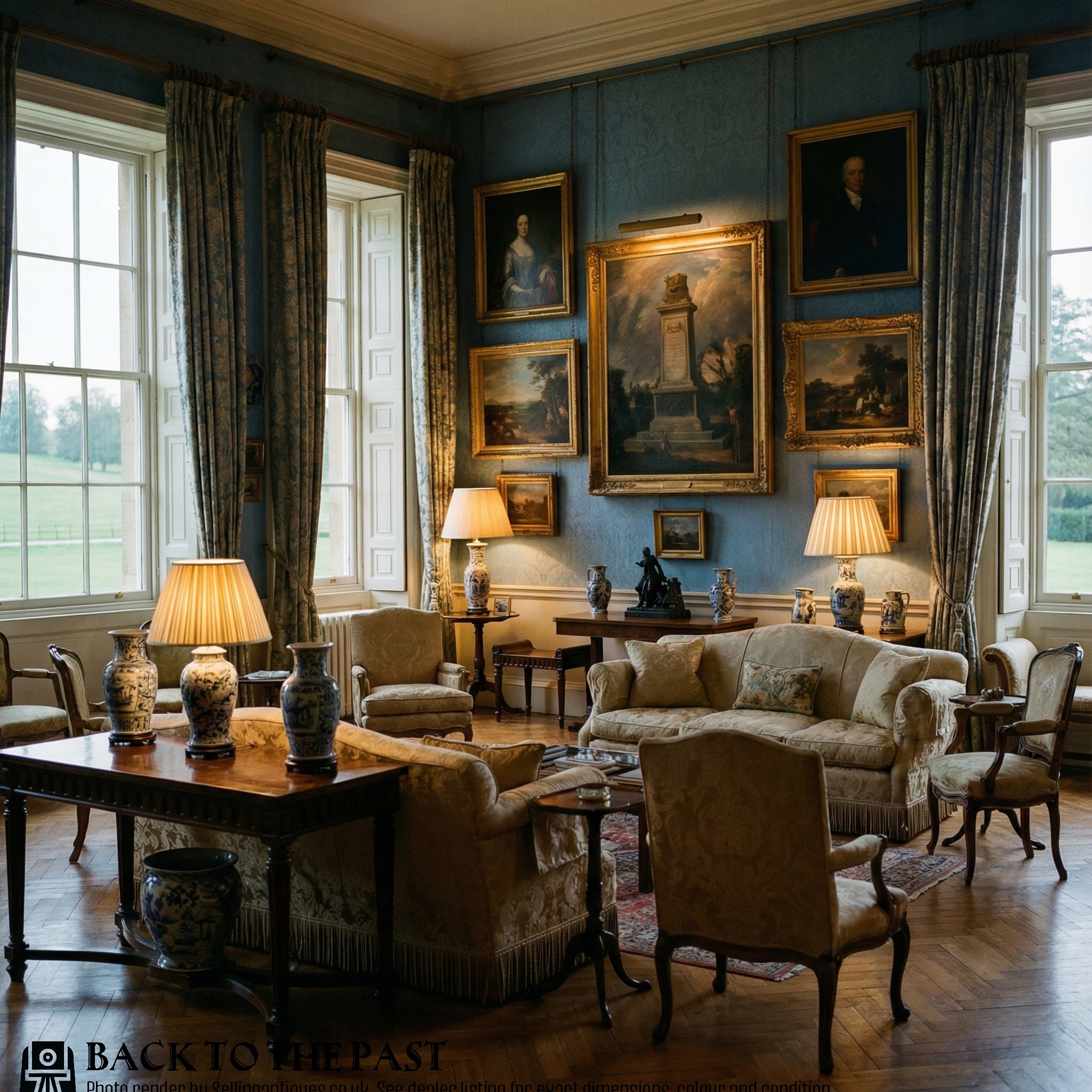
Woods and Upholstery
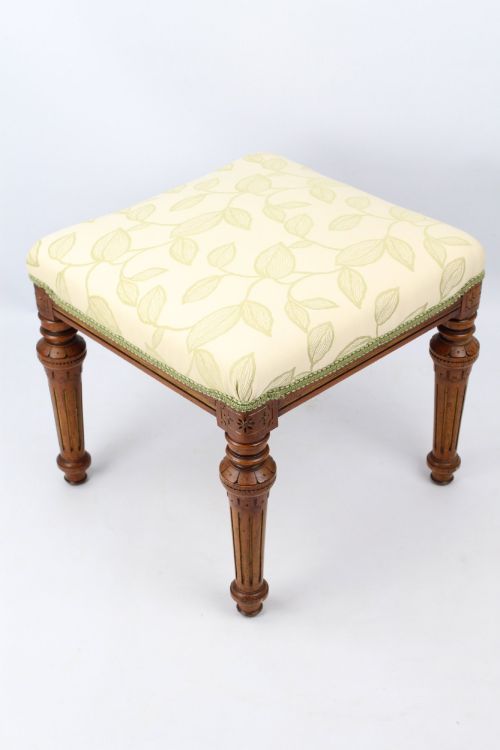
Cabinet makers utilised dense hardwoods such as mahogany, walnut, rosewood, satinwood, and goncalo alves to construct sturdy frames capable of supporting everyday use. Carved details, turned legs, ebonised finishes, and gilt accents define the decorative vocabulary of these timber structures.
Upholstery relies on traditional textiles including velvet, leather, needlepoint, and various woven fabrics to pad the seats. Many pieces retain or have been fitted with new coverings, often secured over sprung or padded bases.
Antique Dressing Table Seat Retail Price Guide 2026
Typical asking prices for dressing table seat among the pieces listed under this phrase on Sellingantiques today, from the lower quarter to the upper quarter. They describe what is for sale here now, not the wider market.
Listings feature pieces spanning the 1850s to the 1930s, encompassing Victorian, Edwardian, Art Deco, and Arts and Crafts design movements.
Craftsmanship and Proportion
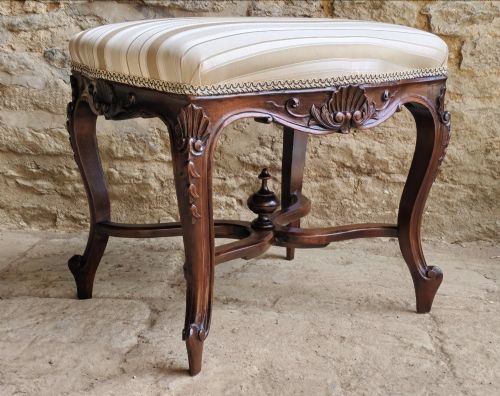
Quality rests in the crispness of the timber carving, the integrity of frame joints such as mortise and tenon construction, and the selection of figured wood veneers like birds eye maple or burr walnut. Superior pieces display harmonious proportions, balanced cabriole or turned legs, and robust underframes like cross stretchers.
Harry and Lou Epstein
The Antique Dressing Table Seat Glossary
- Cabriole leg
- A furniture leg that curves outward at the knee and tapers inward toward the foot, mimicking animal limbs. This form frequently appears on Victorian and Queen Anne style walnut and mahogany pieces.
- Cross stretcher
- Wooden rails connecting the lower legs of a stool to provide structural stability and rigidity. They often intersect in an X shape beneath the centre of the seat.
- Giltwood
- Timber that has been coated with a thin layer of gold leaf or gilt paint. It is common on decorative Victorian and French style boudoir seating.
- Revolving
- A mechanism allowing the seat top to rotate through a central screw thread. This function appears on adjustable piano and dressing table stools from the nineteenth century.
- Satinwood
- A durable hardwood characterised by a golden-yellow sheen and fine grain. Cabinet makers used it for high-status bedroom furniture and inlaid dressing stools.
Antique Dressing Table Seat: Frequently Asked Questions
How do I choose the right height?
Measure the clearance beneath your dressing table to ensure the stool slides in comfortably without scraping the underside or leaving an awkward gap. Fixed-height stools suit standard table dimensions, whereas adjustable mechanisms offer precise control over sitting position.
Consider the thickness of the upholstered pad when calculating total height, as older textiles or replacement squabs can alter the vertical clearance by several centimetres.
Can I use an antique piano stool instead?
Many nineteenth-century piano and music stools share identical dimensions, upholstery styles, and revolving screw mechanisms with dressing table seats. Their compact footprint and adjustable height make them practical alternatives for modern vanities.
Check whether the turning mechanism operates smoothly before purchase, as older wooden threads require careful handling to function correctly.
How do I care for the wood and fabric?
Dust timber frames regularly with a dry cloth and apply a quality beeswax periodically to nourish hardwoods like walnut and mahogany. Avoid placing antique seating in direct sunlight or near heat sources to prevent timber warping and veneer cracking.
Protect upholstered surfaces by vacuuming textiles gently with a soft brush attachment and consulting a specialist restorer for older leather or velvet finishes.
What defines Art Deco dressing stools?
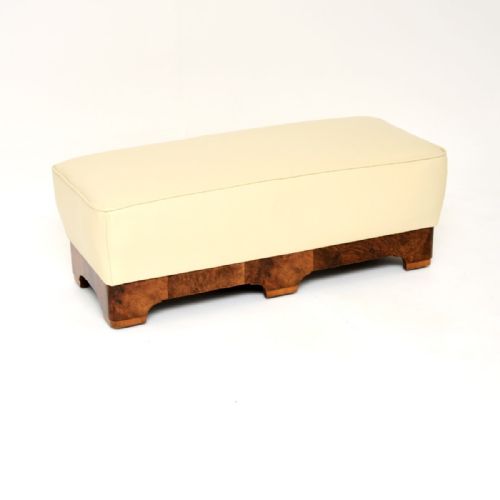
Art Deco seating from the 1930s prioritises geometric forms, streamlined silhouettes, and striking veneers such as birds eye maple and figured walnut. These pieces frequently incorporate built-in storage compartments beneath the seat or feature smooth leather upholstery in cream and neutral tones.
Such designs abandon ornate Victorian carving in favour of clean architectural lines that complement both period and contemporary interiors.