



Queen Anne Style Stool
A queen anne style stool brings classic cabriole legs and rich timber warmth to any corner, offering both character and functional seating.
Queen Anne Style Stool
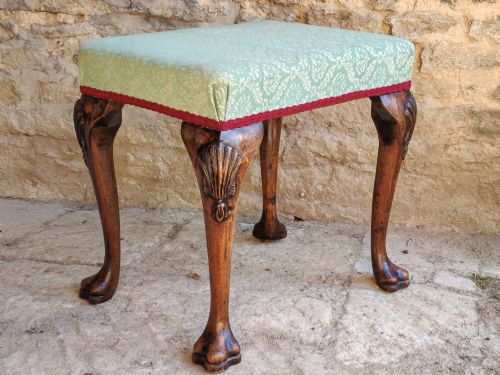
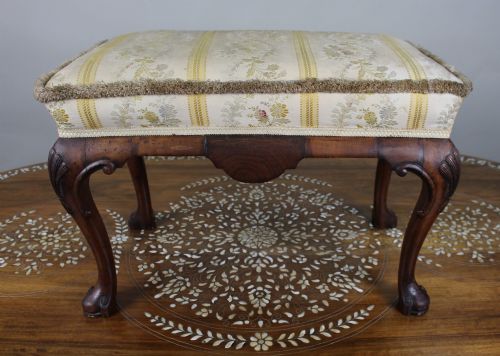
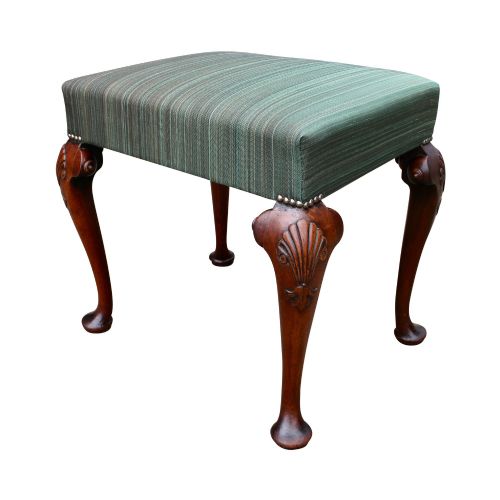
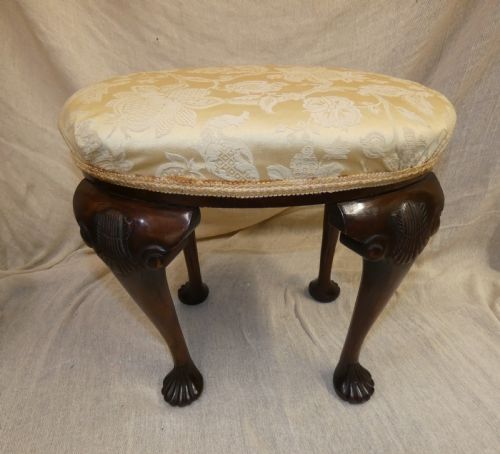
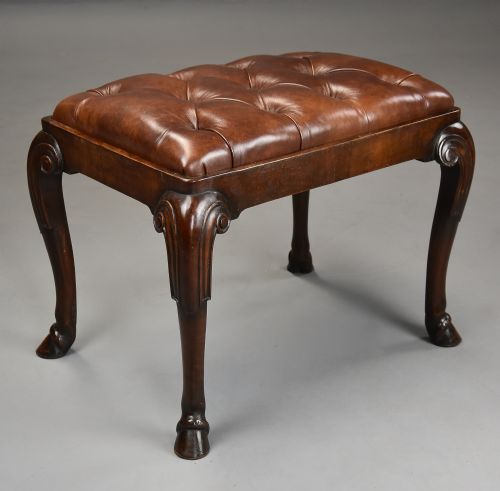
When searching for a queen anne style stool, buyers encounter a variety of forms including dressing stools, piano benches, and window seats originating from the nineteenth and early twentieth centuries alongside occasional mid-eighteenth-century examples. The most common version met on this page is the walnut dressing or footstool dating from the Victorian, Edwardian, and interwar periods.
These pieces function as versatile low seating, often paired with dressing tables or placed beneath windows. The designs draw heavily upon eighteenth-century proportions, featuring characteristic pad feet, scrollwork, and upholstered tops that range from simple drop-in boards to elaborate needlepoint covers.
Makers across the nineteenth and twentieth centuries adapted the idiom to suit contemporary domestic needs, producing piano stools, long benches, and duet seats. Walnut predominates as the primary timber, though mahogany frames also appear regularly throughout the records.
How they were made
Frames rely primarily on solid walnut and mahogany, occasionally utilising burr veneers to add rich grain patterns to the seat rails and legs. Carvers shaped the timber by hand to form the characteristic cabriole profile, often finishing the feet with pad or ball and claw details.
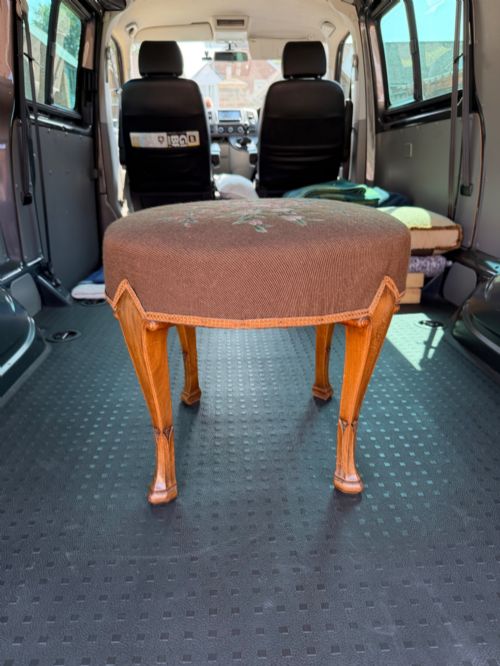
Upholstery techniques varied according to the period, employing traditional stuffing materials beneath covers of textile, fabric, wool, tapestry, silk damask, and leather. Needlepoint and needlework covers frequently feature on surviving examples, secured with brass tacks or drop-in frames.
Queen Anne Style Stool Retail Price Guide 2026
Typical asking prices for queen anne style stool among the pieces listed under this phrase on Sellingantiques today, from the lower quarter to the upper quarter. They describe what is for sale here now, not the wider market.
Several stools hide intricate needlepoint covers stitched by hands long forgotten, waiting patiently for a modern lap.
What varies in quality
The degree of hand carving on the cabriole legs sets examples apart, ranging from plain profiles to elaborate shell motifs and crisp ball and claw feet. Timber selection dictates visual weight, with figured burr walnut commanding attention over plain grain.
Upholstery execution and the preservation of original needlework or textile covers influence the integrity of the piece. Sturdiness in the frame construction and clean joinery at the corners separate standard utilitarian items from finer decorative seating.
Morris And Co
The Queen Anne Style Stool Glossary
- Cabriole leg
- A furniture leg that curves outward at the knee and tapers inward toward the ankle, mimicking an animal limb. This form defines much of the seating seen in this category.
- Pad foot
- A simple rounded foot shape found at the base of cabriole legs. It rests flat on the floor without additional carving.
- Drop in seat
- A removable upholstered frame that drops into a rebate within the wooden seat rails. It allows for easy reupholstering without dismantling the main structure.
- Needlepoint
- A type of counted thread embroidery stitched onto canvas. It provides durable and decorative coverings for stool and bench tops.
- X frame
- A structural base formed by intersecting diagonal timbers that cross beneath the seat. This form appears on select walnut examples from the early twentieth century.
Queen Anne Style Stool: Frequently Asked Questions
How do I date a queen anne style stool?
Dating relies on timber choice, construction marks, and secondary materials beneath the upholstery. Victorian and Edwardian revival pieces often use machine-cut screws or modern webbing alongside older stylistic motifs.
Earlier examples from the eighteenth century show hand-cut joinery and native timbers without modern reinforcement. Comparing the sharpness of the carved cabriole legs also helps distinguish revival work from antique originals.
What is the difference between a dressing stool and a footstool?
Dressing stools stand slightly taller to accommodate sitting at a vanity or dressing table. They frequently feature upholstered needlework or textile pads.
Footstools sit lower to the floor and are designed to support resting feet rather than bear full sitting weight. Long versions, sometimes called window seats, bridge the gap between seating and foot support.
Are piano stools adjustable?
Certain piano stools include internal mechanical screws that allow the upholstered top to rise or fall. This mechanism provided adjustable seating heights for musicians at keyboard instruments.
Other piano benches take the form of fixed duet seats or long upholstered stools designed to accommodate more than one person. Inspecting the underside reveals whether a rotating or threaded adjustment mechanism is present.
What fabrics were used for upholstery?
Original coverings span a wide range of textiles including wool tapestry, silk damask, plain leather, and heavy woven fabrics. Needlework and needlepoint covers were especially popular during the Victorian and Edwardian revivals.
Many surviving pieces retain later replacement upholstery fitted during twentieth-century redecorating. Examining the underside webbing and tacks helps determine the age of the current fabric layer.