




Walnut Window Seat
Walnut window seats combine sturdy timbers with fine upholstery, offering a practical seat for alcoves and bedroom ends.
Walnut Window Seat
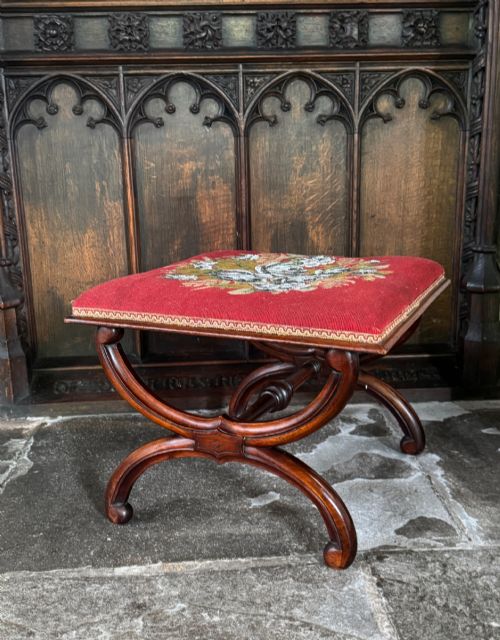
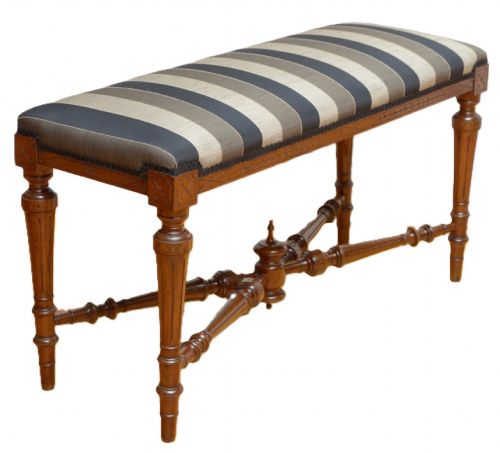
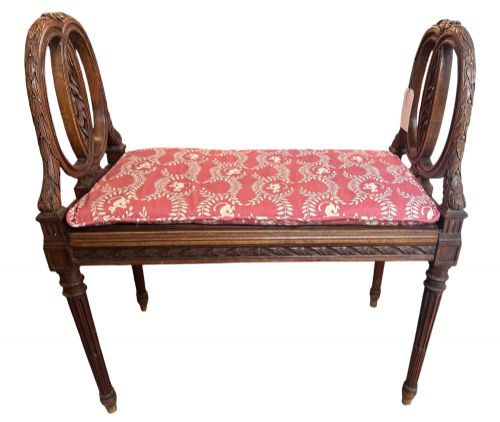
A walnut window seat brings together timber framing and soft upholstery, serving as a low bench placed traditionally in light-filled recesses or at the foot of a bed. These pieces range from simple Victorian X-frame stools to elaborate French carved designs and Edwardian duet benches.
The materials recorded in the listings point to sturdy dark hardwoods paired with decorative textiles, spanning periods from the early nineteenth century through to the Edwardian era. Makers often shaped these forms to follow prevailing revivals, including Queen Anne, Louis XVI, and Aesthetic styles.
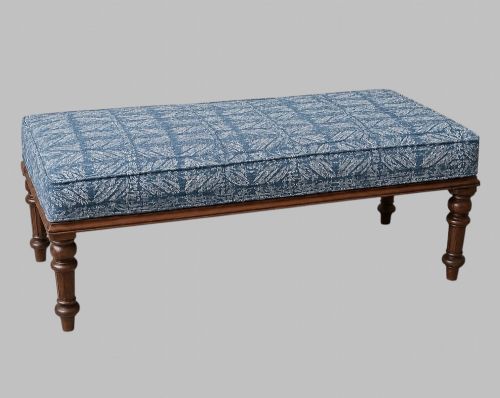
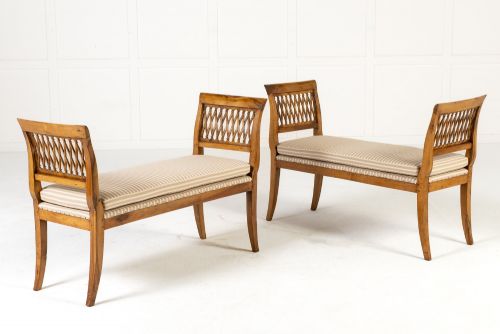
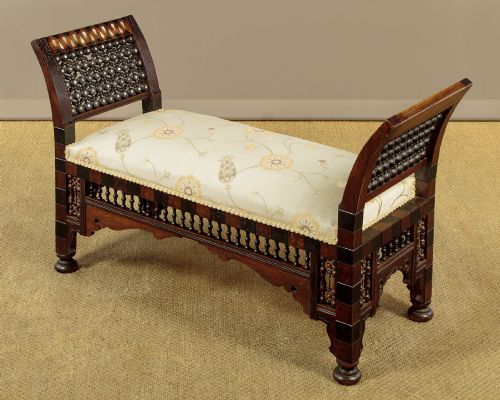
Most examples meet the buyer as long benches, double duet stools, or scroll-end daybeds designed for sitting or resting feet. The prevailing formats rely on exposed walnut frames supporting tight or loose upholstered cushions.

Materials and Technique
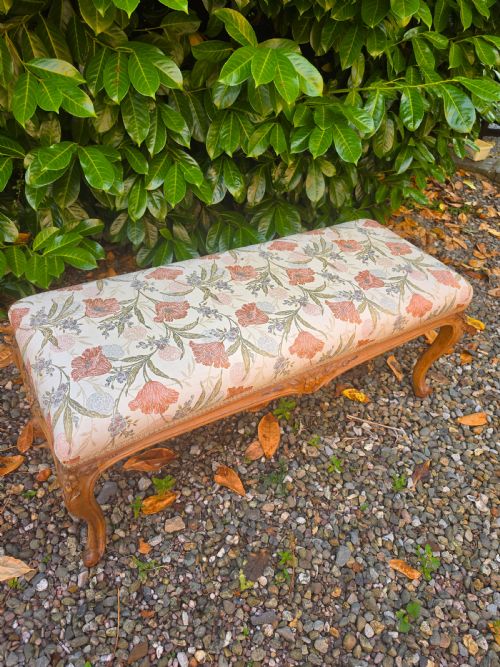
Makers shaped structural frames primarily from solid walnut, selected for its rich grain and ability to hold deep hand-carved relief details such as cabriole legs, claw and ball feet, and scroll arms. Joinery typically involved traditional pegged or glued mortise and tenon construction to withstand regular weight.
Upholstery methods combined supportive internal webbing and stuffing with top covers of velvet, tapestry, linen, or patterned textiles, often secured with brass tacking. Certain regional pieces incorporate inlaid pearl or intricate marquetry directly into the wooden rails alongside the fabric elements.
Walnut Window Seat Retail Price Guide 2026
Typical asking prices for walnut window seat among the pieces listed under this phrase on Sellingantiques today, from the lower quarter to the upper quarter. They describe what is for sale here now, not the wider market.
Upholstery materials recorded across the inventory include velvet, tapestry, damask, and bespoke printed linen.
Assessing Craftsmanship
The standard of a walnut window seat rests on the crispness of the timber carving and the architectural proportion of the frame. Sharp, deeply undercut mouldings and robust joinery separate standard production items from pieces executed by skilled workshops.
Upholstery execution dictates the finish, where hand-stitched edges, sympathetic textile choices like Robert Kime fabrics or antique tapestries, and intact internal stuffing elevate the piece. Surviving original polish and uncompromised structural rigidity mark the higher tier of surviving examples.
Shoolbred & Co·Morris & Co·Gordon Russell·James Shoolbred
The Walnut Window Seat Glossary
- X-frame
- A seating support formed by intersecting diagonal timbers that create an X-shaped profile from the side. This folding-stool derivation dates back centuries and appears frequently in Victorian walnut designs.
- Duet stool
- An extended bench designed to seat two people side by side at a piano or in a window alcove. These wider formats often feature additional central legs for stability.
- Cabriole leg
- A furniture leg that curves outward in a convex arc before tapering inward in a concave sweep, finishing in a pad, scroll, or claw and ball foot. It is a defining feature of Queen Anne and revival seating.
- Marquetry
- Decorative patterns formed by fitted veneers of various woods applied to a structural carcase. Syrian and European makers utilised this technique on panels and rails.
- Tapestry
- A heavy hand-woven or machine-woven textile depicting pictorial scenes or geometric designs, frequently employed as durable seat upholstery on nineteenth-century stools.
Walnut Window Seat: Frequently Asked Questions
Where should I place a walnut window seat?
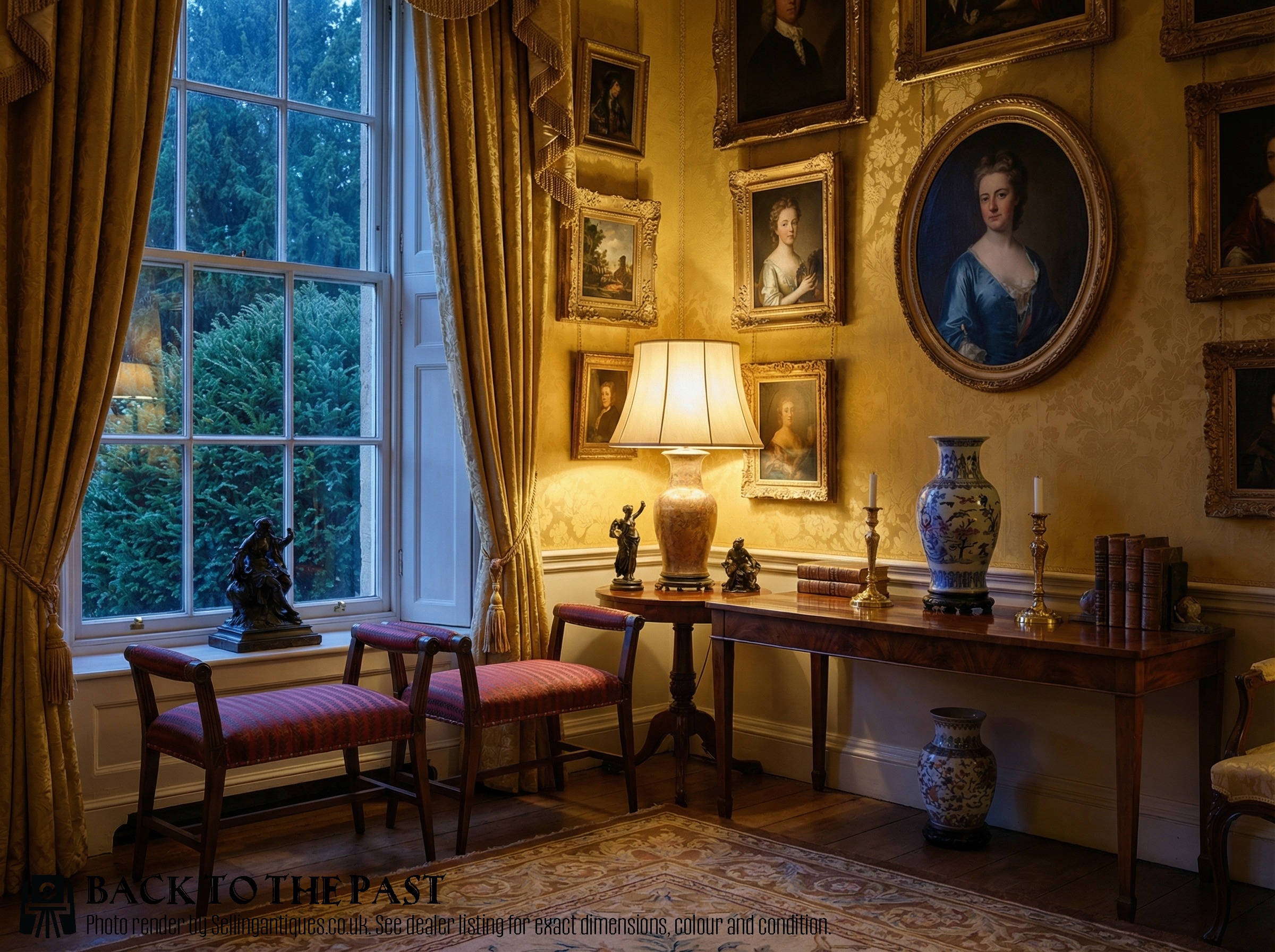
These benches suit narrow spaces where full-sized sofas prove too bulky, making them natural additions to bedroom ends, hallways, and deep architectural window alcoves.
Their low profile ensures they do not block natural light while providing a convenient resting place for reading or dressing.
How do I distinguish Victorian from Edwardian walnut window seats?
Victorian examples generally exhibit heavier carvings, darker patination, and bolder revival motifs like Rococo scrollwork or sturdy cabriole legs.
Edwardian pieces tend to display lighter framing, refined inlay work, and simpler lines influenced by Georgian and French neoclassical revivals.
What fabrics were used originally on these seats?
Period pieces typically featured heavy textiles designed to withstand regular friction, including wool tapestries, woven linen, patterned velvet, and printed upholstery fabrics.
Many surviving examples have undergone professional reupholstery in traditional or contemporary designer cloths to preserve their decorative utility.
How should I care for the walnut timber frame?
Maintain the wood by keeping the piece away from direct heat sources and strong sunlight, which can dry out the historic polish and fade textiles.
Apply a minimal amount of traditional beeswax periodically to nourish the walnut grain without building up greasy residues.