

Antique Piano Bench
An antique piano bench offers sturdy seating and subtle storage for sheet music, anchoring a room with period timber and tailored upholstery.
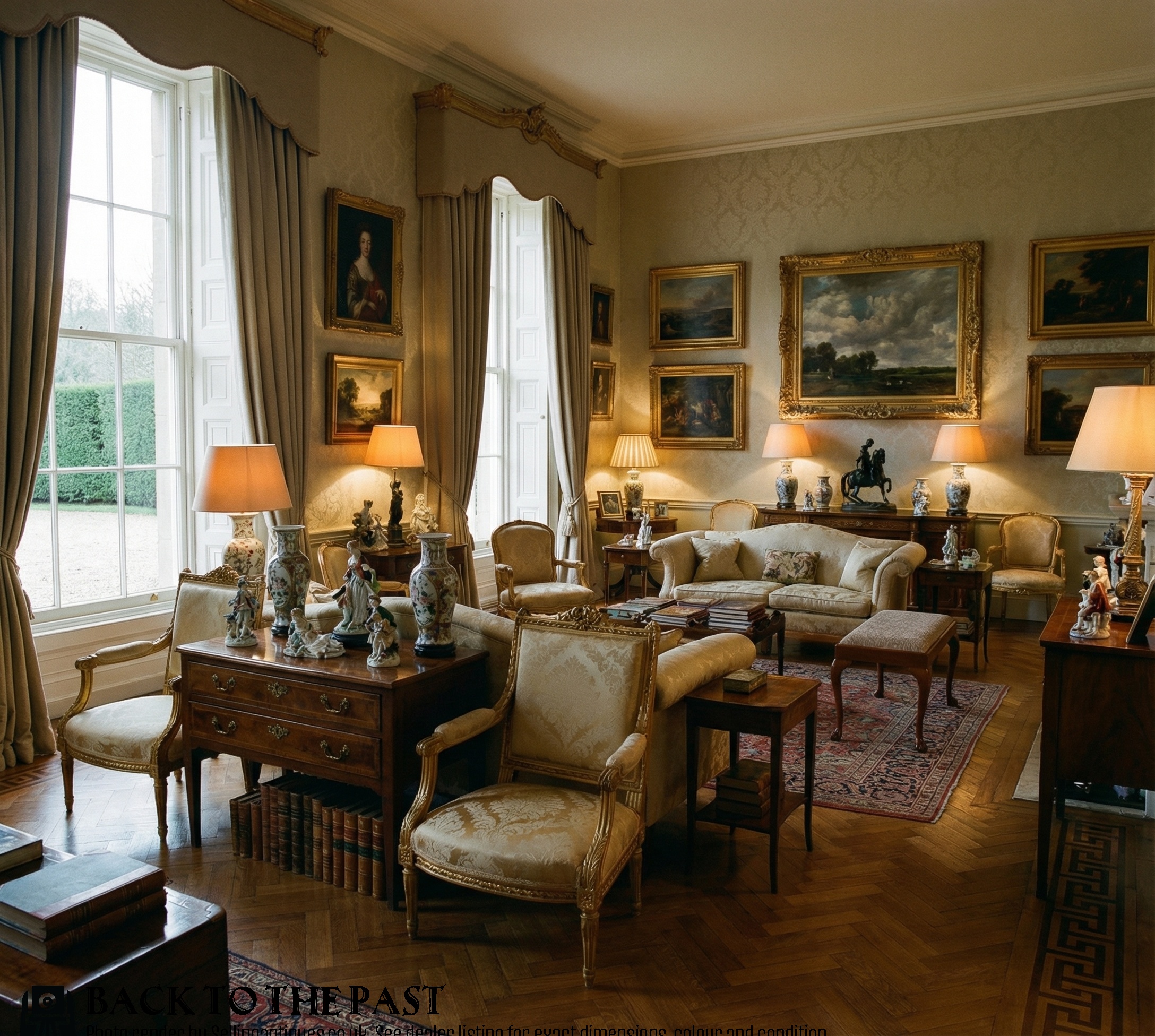
Antique Piano Bench
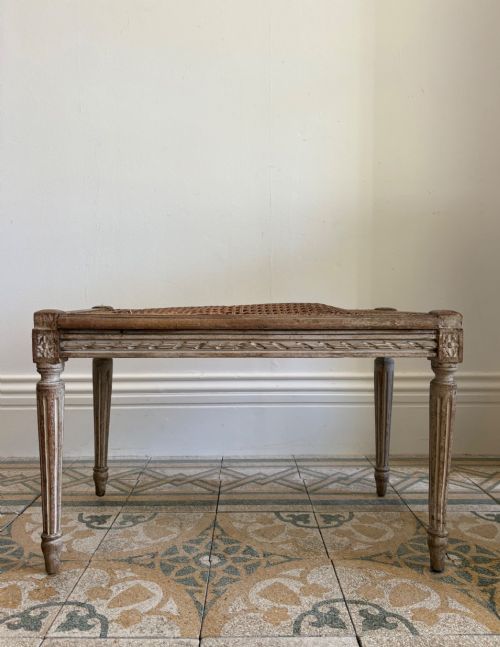
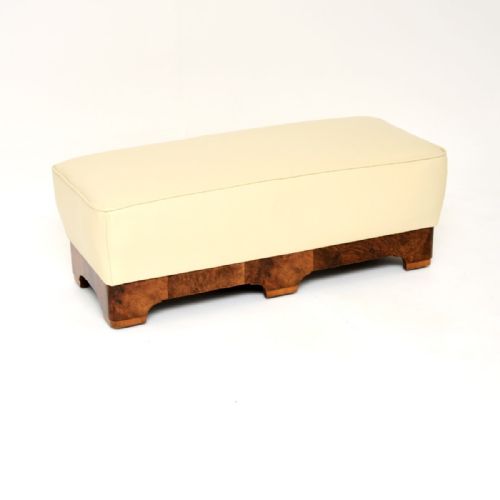
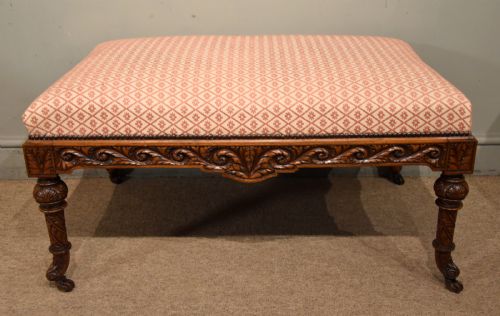
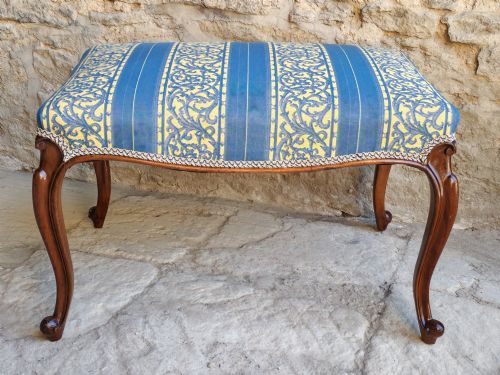
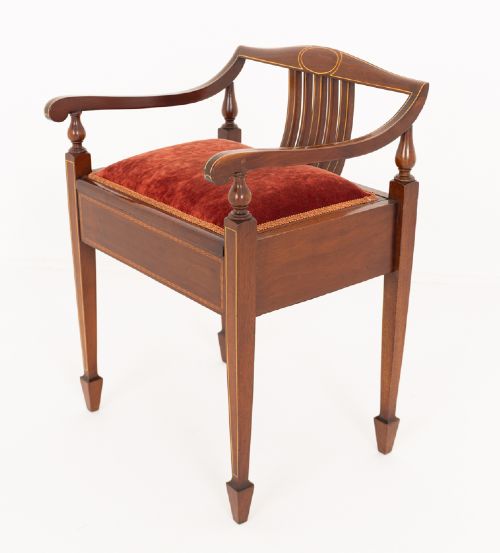
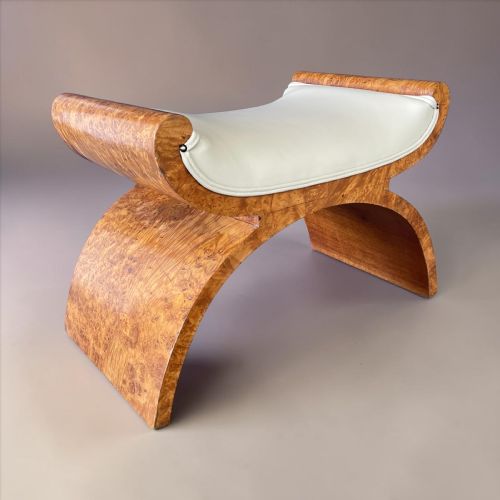
When you search for an antique piano bench, you encounter a specialised seat designed to support musicians while they play or practice at a keyboard. These pieces date across several distinct eras, spanning the Victorian and Edwardian periods through to the 1930s Art Deco movement.
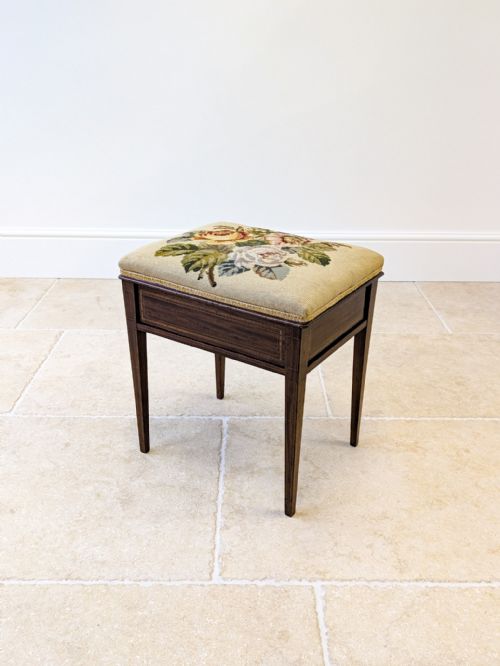
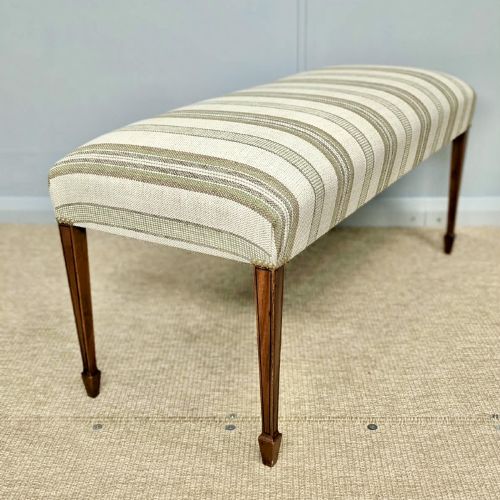
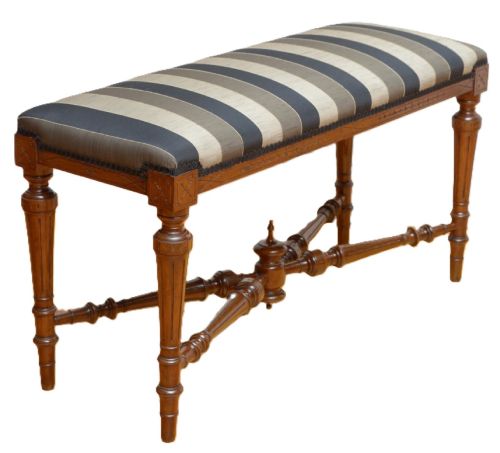
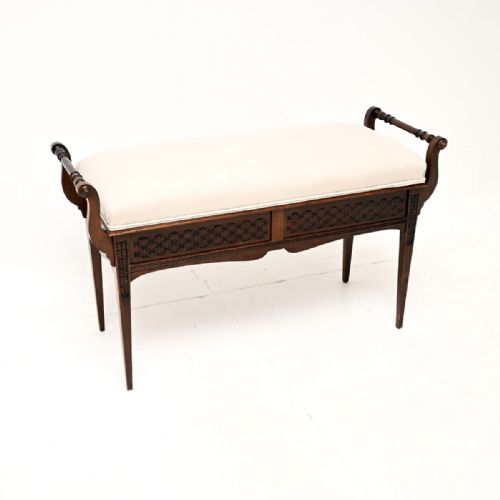
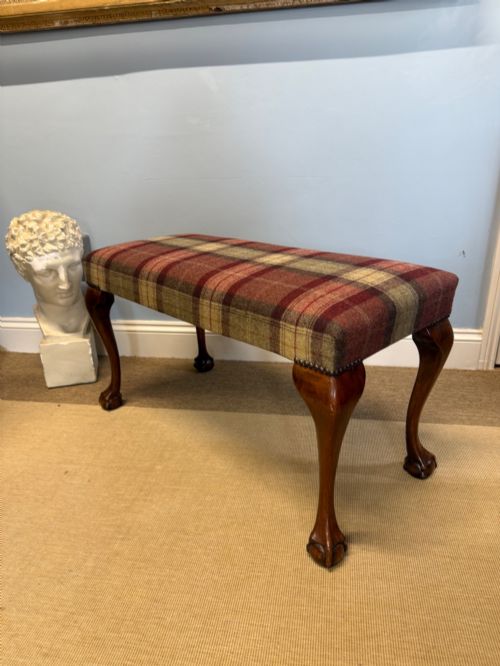
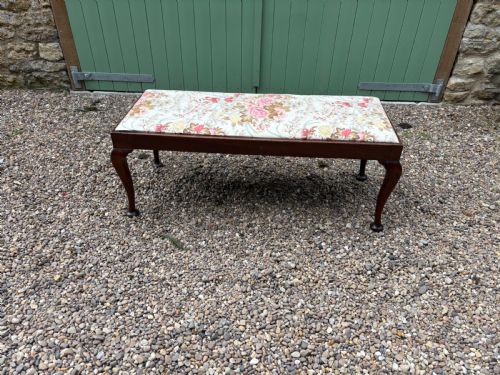
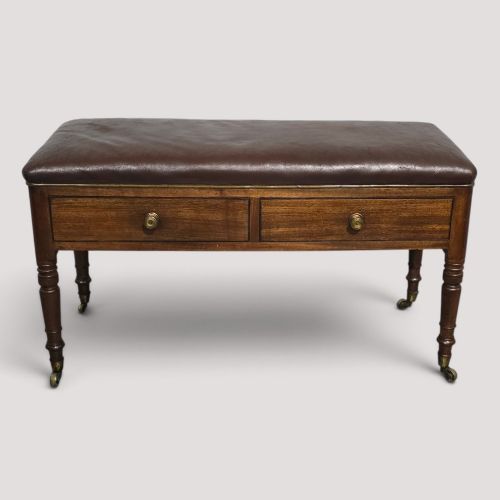
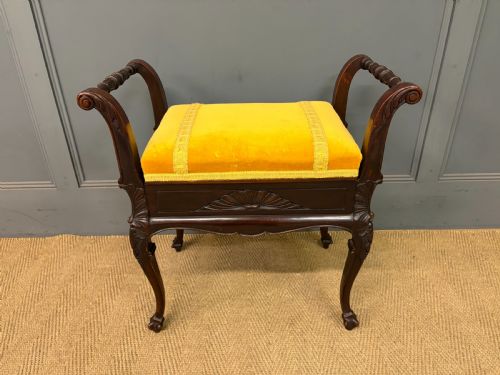
The most common formats you meet on this page are mahogany or walnut structures fitted with upholstered seats, often designed as duet benches or single music stools. Alongside standard seating, you find variations featuring adjustable mechanisms, music lockers, and cross stretchers.
Originating largely from British workshops and domestic settings, these seats merge practical utility with cabinet-making traditions. They function equally well today as dressing table stools, window seats, or compact hallway benches.
How they were made
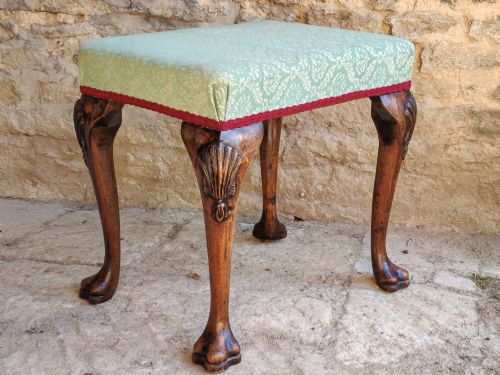
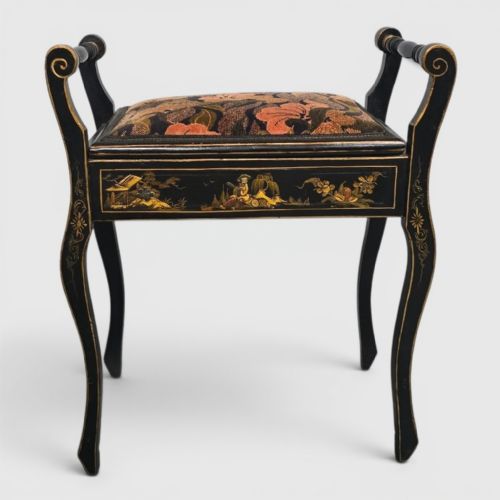
Cabinet makers built these frames using dense hardwoods like mahogany, walnut, and rosewood, frequently shaping the timber with turned legs, cabriole supports, or carved details. Ebonised finishes and giltwood appear alongside inlaid decoration and chinoiserie motifs.
Seats rely on traditional textiles including velvet, tapestry, needlepoint, and leather to provide comfort. Brass fittings often secure adjustable revolving mechanisms or internal storage compartments within the music lockers.
Antique Piano Bench Retail Price Guide 2026
Typical asking prices for piano bench among the pieces listed under this phrase on Sellingantiques today, from the lower quarter to the upper quarter. They describe what is for sale here now, not the wider market.
Secret sheet music lockers wait patiently beneath velvet lids for forgotten waltzes.
What varies in quality
The standard of timber selection and joinery defines the upper tier of these pieces, where solid mahogany or burr maple exhibits rich grain patterns and robust frame construction. Lesser examples utilise simpler pine carcases or plain secondary woods hidden beneath dark finishes.
Execution of decorative elements sets individual pieces apart, distinguishing fluid hand-carved cabriole legs and crisp inlay from routine factory turning. Original upholstery materials and working mechanical height adjustments also elevate the standing of a piece.
Harry and Lou Epstein·Jas Shoolbred·Charles Nosotti
The Antique Piano Bench Glossary
- Duet stool
- A wider bench designed to seat two players side by side at a piano keyboard. These often incorporate hinged seats or internal storage for larger music folios.
- Music locker
- A specialised compartment built beneath the seat to hold sheet music and scores. Access is typically gained via a lifting lid or drop-front panel.
- Revolving piano stool
- A single seat featuring a threaded spindle mechanism that allows the player to adjust their height by spinning the top. Brass hardware is usually concealed within the central column.
- Cabriole leg
- A furniture support that curves outward at the knee and tapers inward toward the foot, inspired by animal limbs. This form appears frequently on walnut and mahogany examples from the Victorian era onward.
- Ebonised
- Timber treated with a dark stain or finish to imitate ebony. This technique was favoured during the Victorian and Aesthetic Movement periods for striking visual contrast.
Antique Piano Bench: Frequently Asked Questions
How do I adjust the height?
Many single music stools feature a revolving mechanism operated by turning the upholstered seat clockwise or counter-clockwise on a central wooden or metal screw.
Other designs rely on side handles or internal ratchets to raise and lower the seating platform smoothly.
Where should I place it?
While originally intended for keyboard practice, these compact benches fit easily into bedrooms as dressing table seats or beneath windows as low window seats.
Their narrow profile also suits hallways and entrance spaces where surface area is limited.
How do I identify the period?
Examine the primary timber, leg profile, and decorative vocabulary to determine the era of manufacture. Heavy walnut frames with cabriole legs often point to Victorian origins, while clean geometric lines suggest 1930s Art Deco.
Inlay patterns and ebonised finishes help separate Edwardian Sheraton Revival pieces from earlier nineteenth-century production.
Can I store music inside?
Numerous period examples incorporate hinged seats or drop-front lockers specifically designed to hold bound volumes of sheet music and scores safely.
Lighter dressing stools generally lack this internal cavity, so checking the underside reveals whether a storage compartment is present.