



Edwardian Piano Stool
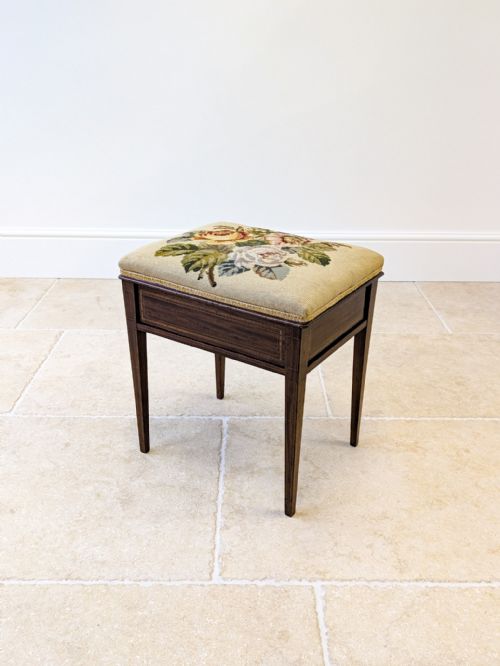
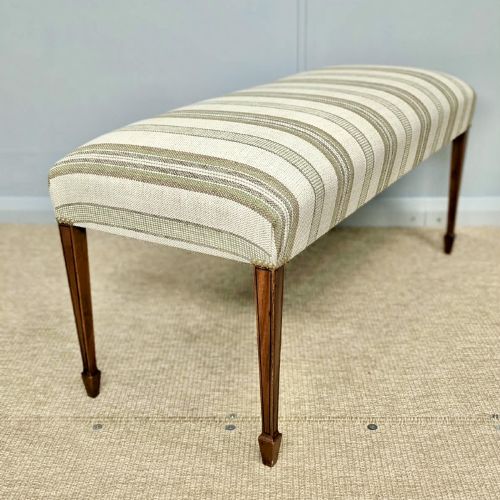
An edwardian piano stool provides practical seating near a keyboard while bringing period woodwork and textile upholstery into a room.

Edwardian Piano Stool
When searching for an edwardian piano stool, collectors encounter pieces primarily originating from the Edwardian period alongside earlier Victorian examples and later 1920 productions.
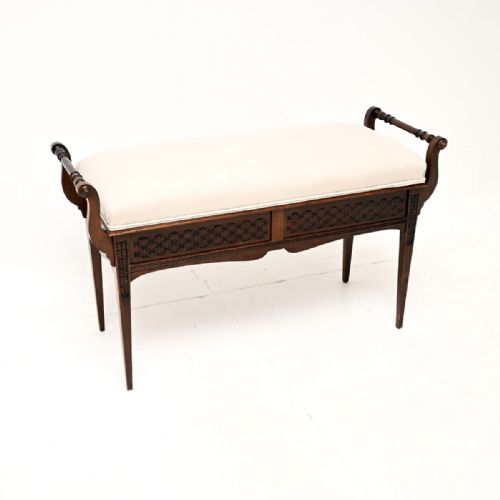
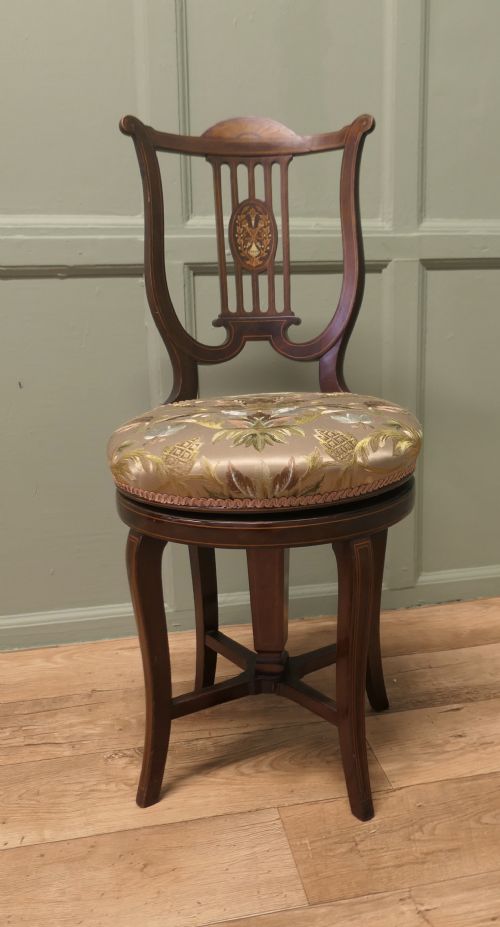
The selections span single-seat revolving designs, duet benches, and models with integrated storage cabinets or music drawers.
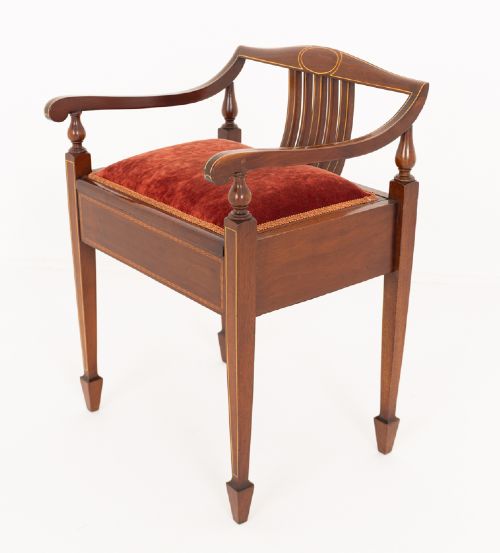
Mahogany remains the dominant wood, frequently decorated with stringing or inlay in the prevailing Sheraton Revival taste.
Materials and Technique
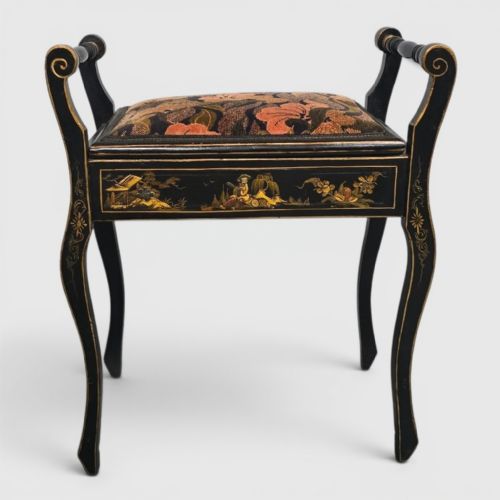
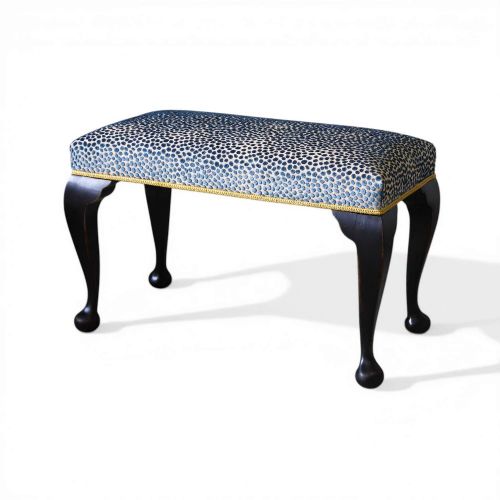
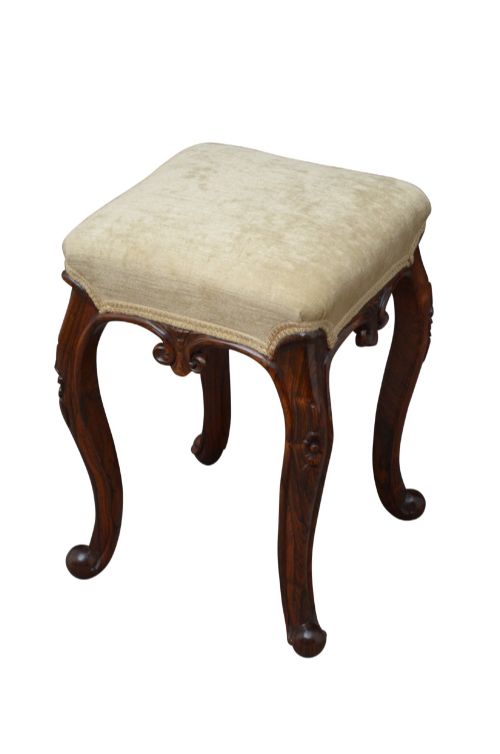
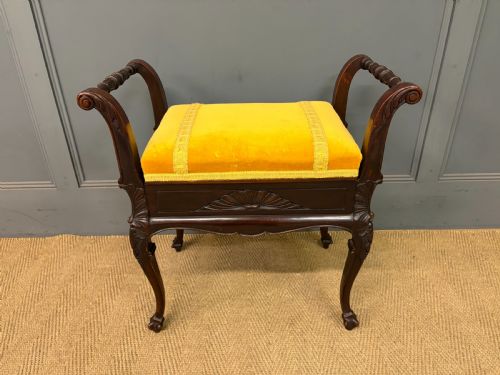
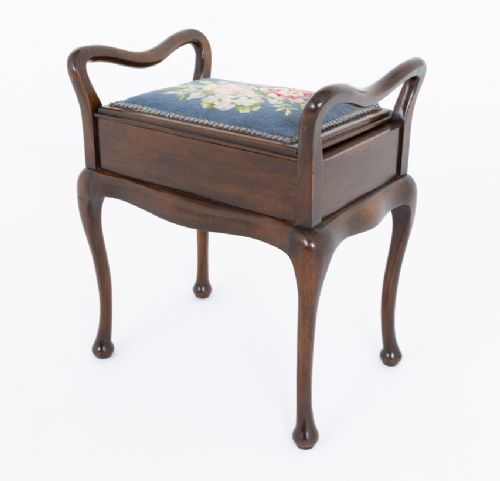
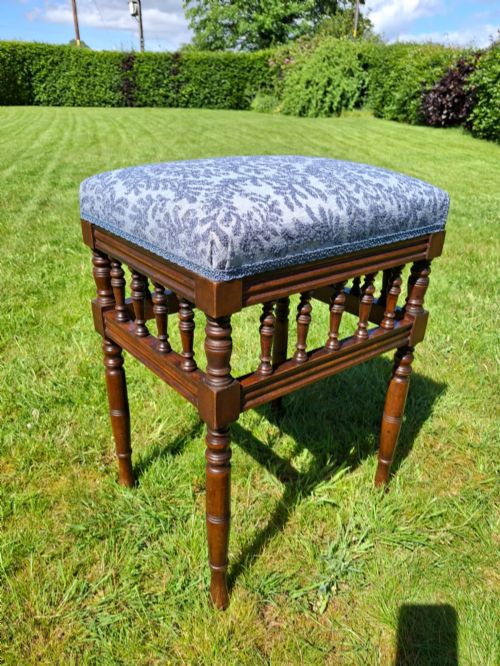
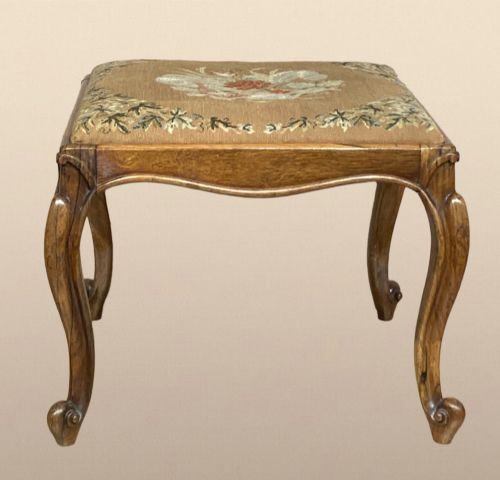
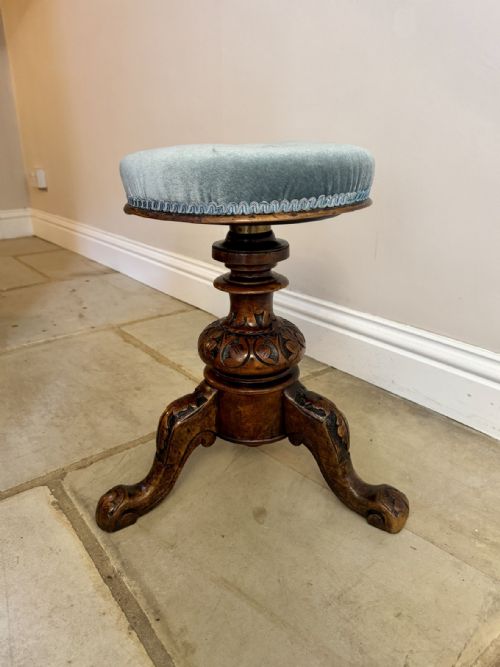
Cabinetmakers constructed these seats using solid timber frames of mahogany, walnut, or ebonised wood, often incorporating turned or cabriole legs.
Upholstery methods utilised traditional stuffing finished with fabric, velvet, tapestry, or textile coverings, sometimes secured with brass tacks.
Rise and fall mechanisms and swivel bases employed metal screw assemblies to allow adjustable seating heights for musicians.
Edwardian Piano Stool Retail Price Guide 2026
Typical asking prices for edwardian piano stool among the pieces listed under this phrase on Sellingantiques today, from the lower quarter to the upper quarter. They describe what is for sale here now, not the wider market.
The archive and active listings show styles ranging from Sheraton Revival inlay to simpler Arts and Crafts oak designs.
The Measure of Craft
Quality rests in the precision of the woodwork joints, the crispness of any inlaid decoration, and the stability of the mechanical swivel or lifting actions.
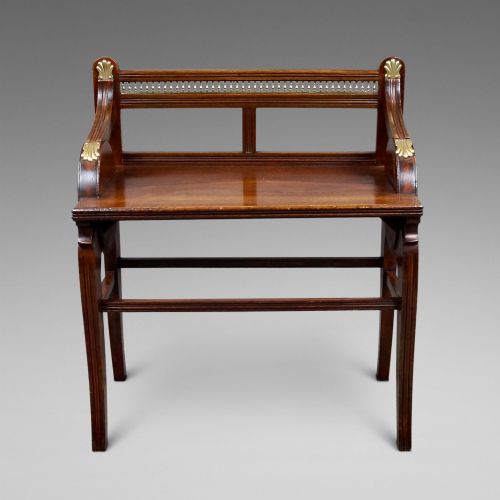
Finer examples display careful timber selection, such as figured mahogany or rich walnut, matched with substantial upholstery framing rather than lighter secondary woods.

Jas Shoolbred
The Edwardian Piano Stool Glossary
- Duet Stool
- A wider bench designed to accommodate two players side by side at the keyboard. These often include hinged seats revealing music storage compartments beneath.
- Sheraton Revival
- A late nineteenth and early twentieth century style drawing inspiration from eighteenth century neoclassical designs. It frequently incorporates satinwood inlay and tapering legs.
- Rise and Fall
- A mechanical height adjustment system operated by rotating the seat disc. This allows the player to set their preferred height above the keyboard.
- Ebonised
- Timber treated with a dark stain or finish to imitate ebony. This treatment was popular for achieving a sleek, formal appearance on Victorian and Edwardian seating.
- Inlay
- The technique of embedding contrasting strips of wood or shell into the primary surface. It defines much of the decorative detail found on Edwardian mahogany pieces.
Edwardian Piano Stool: Frequently Asked Questions
What is an edwardian piano stool?
An edwardian piano stool is a dedicated seat made for use at a piano, typically constructed from mahogany with upholstered tops.
Many examples from this era include storage space beneath the seat for sheet music.
How do I use a piano stool?
These stools provide comfortable, stable seating at the correct height for playing keyboard instruments.
Revolving or rise and fall models allow the player to adjust their elevation easily.
How do I identify an edwardian piece?
Edwardian pieces often feature lighter mahogany frames with delicate inlaid decoration inspired by earlier neoclassical revivals.
They bridge the heavy proportions of Victorian furniture and the simpler lines of the twentieth century.
What materials were used?
Cabinetmakers primarily relied on solid mahogany, walnut, and ebonised wood for the structural frames.
Seats were padded and upholstered in textiles such as tapestry, velvet, and woven fabrics.