
Vintage Piano Seat
A vintage piano seat combines practical utility with period craftsmanship, offering adjustable comfort and distinct design for any music room.
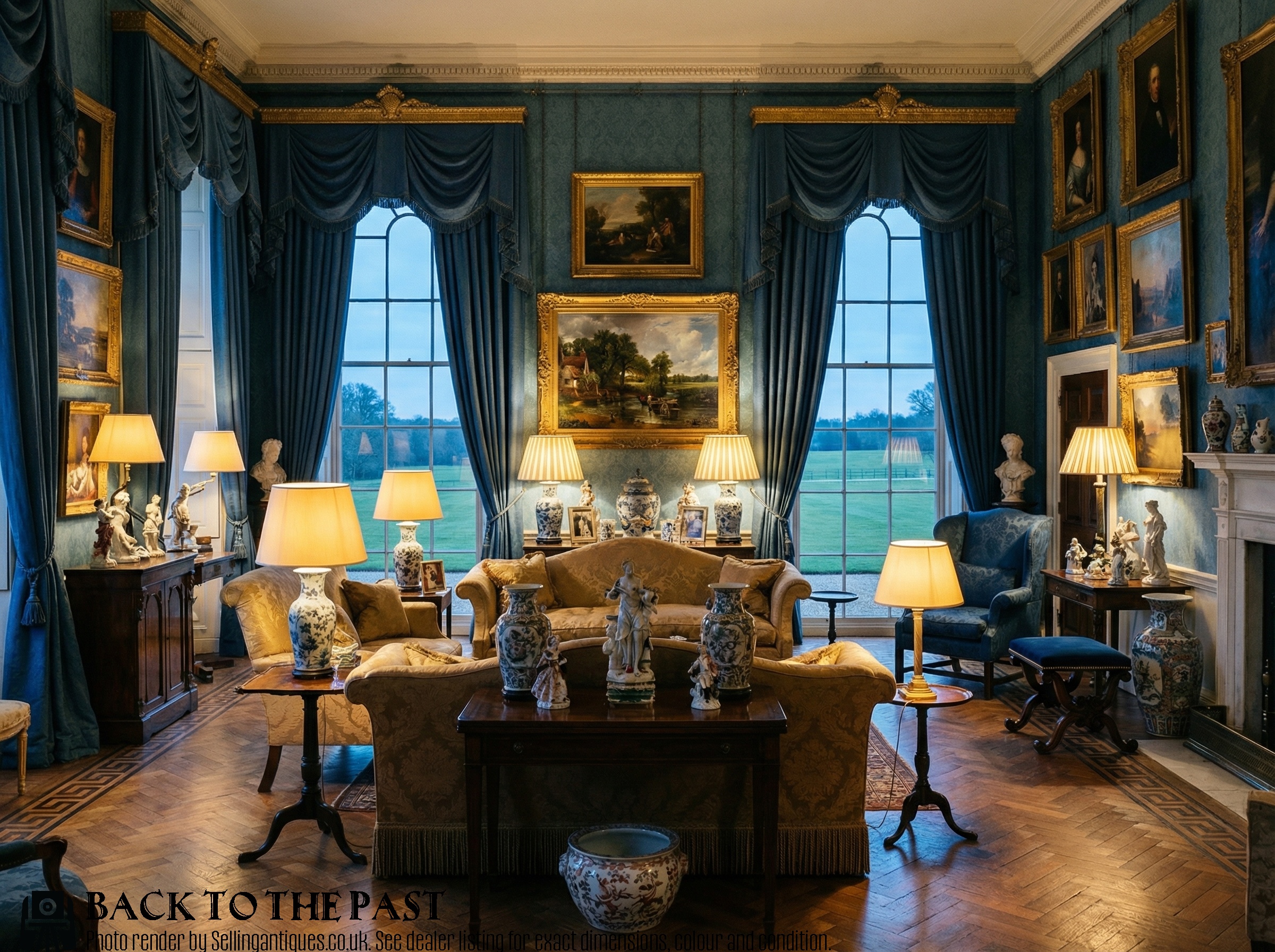
Vintage Piano Seat
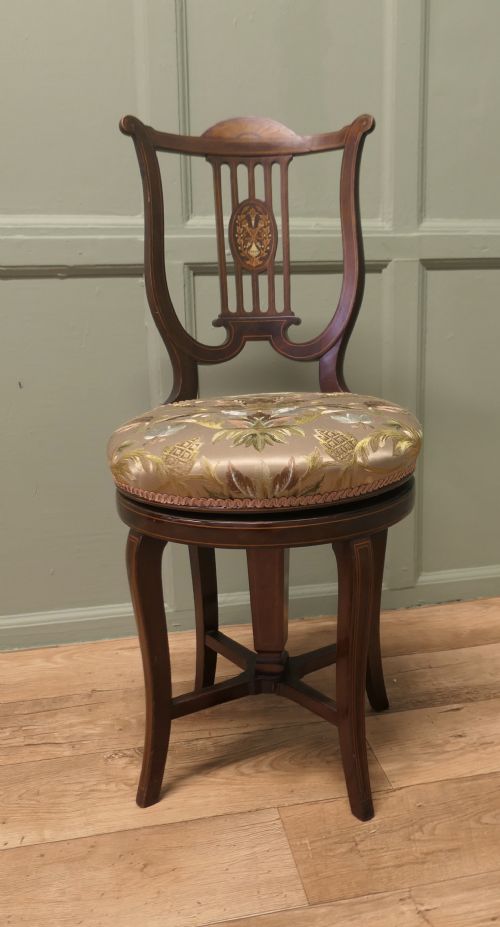
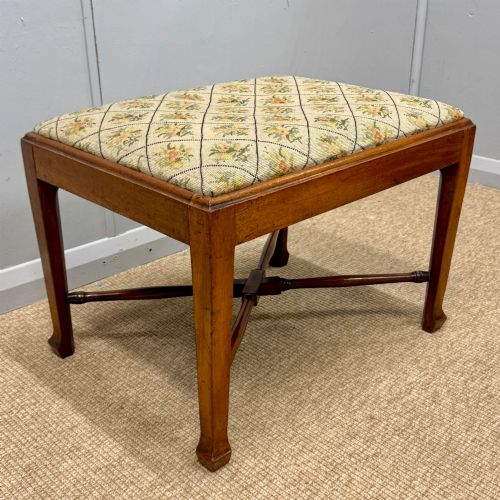
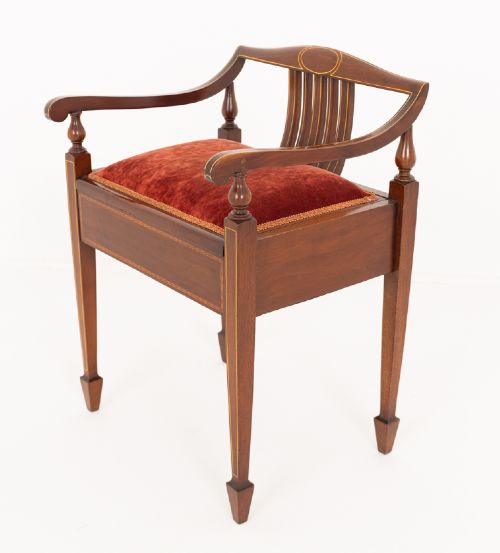
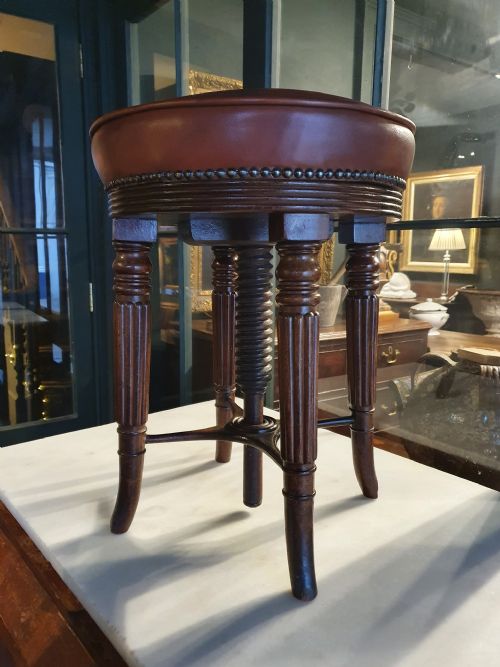
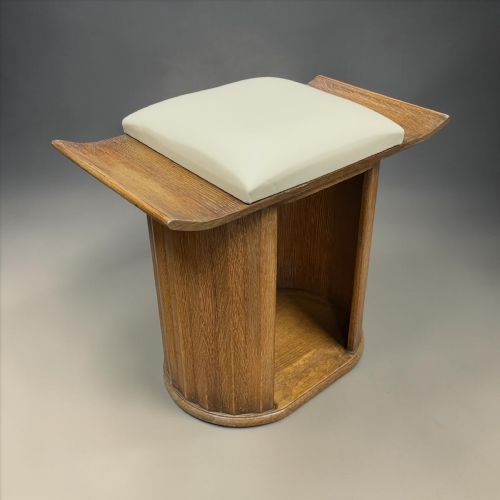
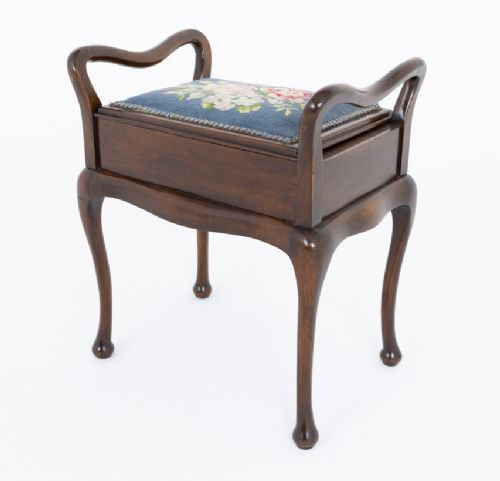
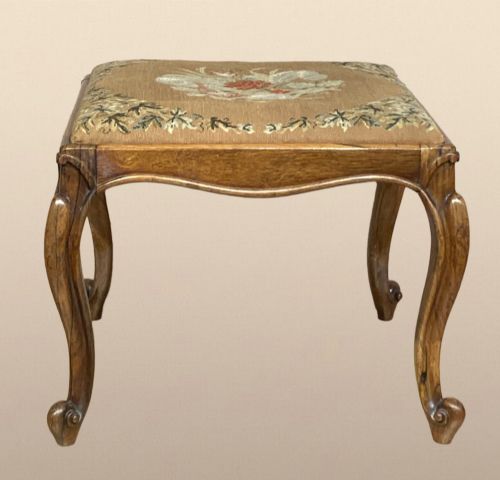
A vintage piano seat serves as functional music room seating, encompassing forms such as piano stools, duet stools, music chairs, and benches. These pieces emerge from periods spanning the nineteenth century through the Victorian, Edwardian, and Art Deco eras.
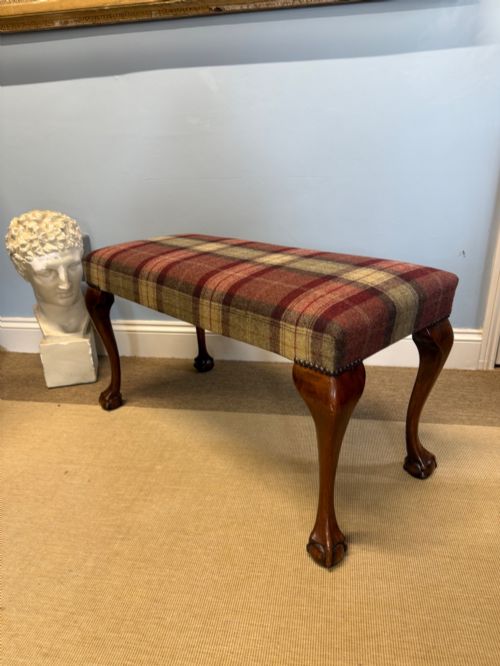
Buyers encounter designs rooted in specific stylistic revivals, including Queen Anne, Sheraton, and Georgian styles. Whether single or duet in scale, each piece reflects the prevailing interior aesthetics of its decade of origin.

Materials and construction methods
Cabinet makers utilised dense hardwoods such as mahogany, walnut, rosewood, and oak to build the primary frames and legs. These timbers were often polished, carved, or inlaid to match contemporary furniture trends.
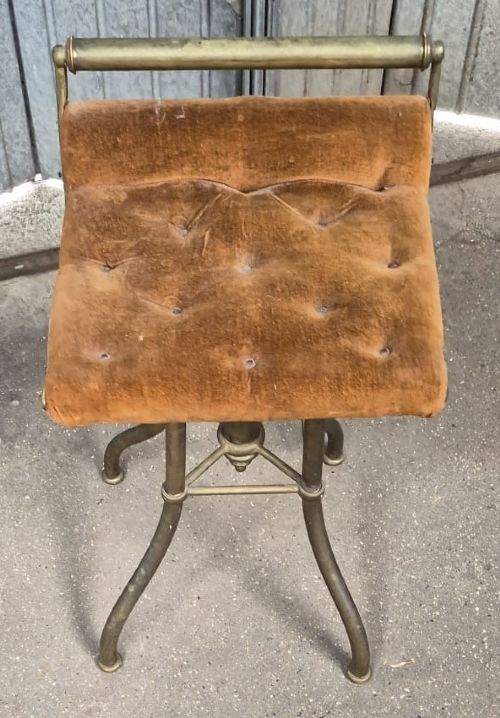
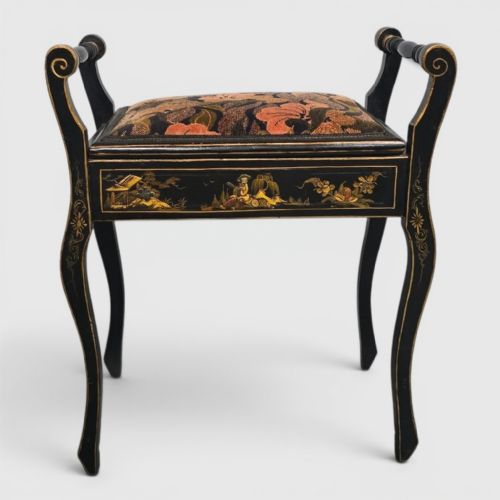
Seating surfaces incorporated traditional upholstery techniques, utilising fillings covered in fabric, leather, velvet, tapestry, or needlepoint. Metal components like brass mechanisms and cast iron frames provided the engineering required for adjustable height functions.
Vintage Piano Seat Retail Price Guide 2026
Typical asking prices for vintage piano seat among the pieces listed under this phrase on Sellingantiques today, from the lower quarter to the upper quarter. They describe what is for sale here now, not the wider market.
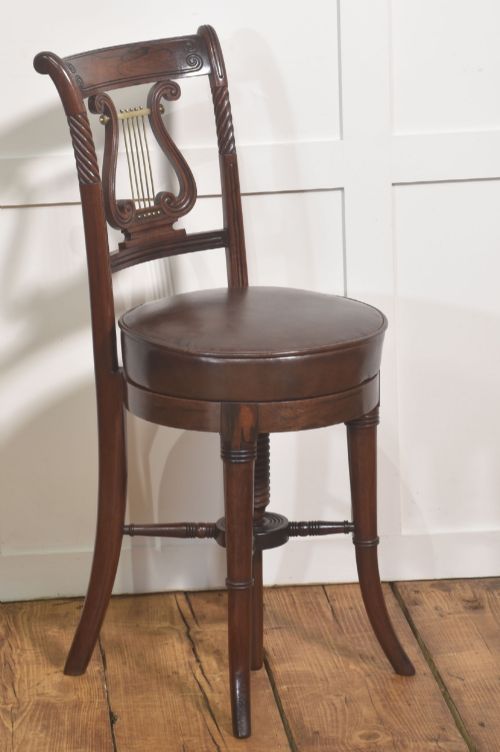
Some harpist chairs feature specialised asymmetrical backrests designed to accommodate the musician's instrument while seated.
Distinctions in quality
Quality diverges significantly based on the precision of timber selection and the complexity of the woodwork. Pieces exhibiting fine hand-carving, detailed inlay, or burr walnut veneers represent superior craftsmanship compared to plain constructions.
The sophistication of the mechanical engineering defines the upper tier of these seats. Smooth operation in rise and fall swivel mechanisms, sturdy brass fittings, and intact original upholstery materials separate standard utility items from master-built examples.
Harry and Lou Epstein·Gillows
The Vintage Piano Seat Glossary
- Revolving
- A mechanism allowing the seat top to turn through a full circle. This feature facilitated easy movement for musicians at the keyboard.
- Duet
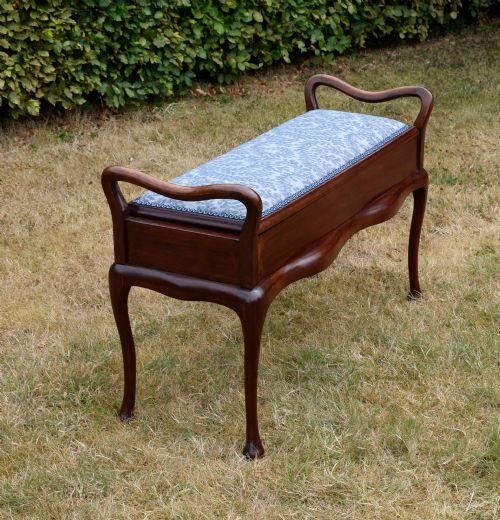
- A wider bench designed to seat two players simultaneously. These double seats often feature independent adjustment mechanisms or expansive hinged storage compartments.
- Rise and fall
- An adjustable height mechanism operated by a central screw or winding handle. It allowed players to set their exact preferred seating level.
- Cabriole leg
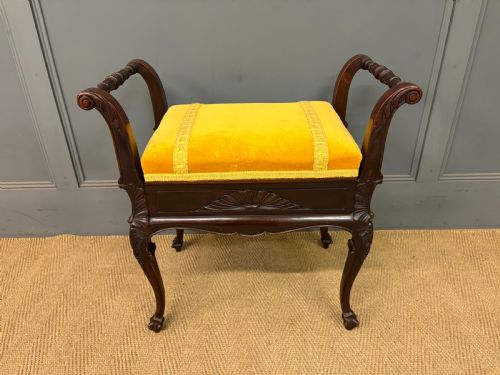
- A furniture leg featuring a double curve, typically arching outward and then tapering downward. This shape was popular across Victorian and revival seating designs.
- Inlay
- A decorative technique where contrasting pieces of wood or shell are inserted into the primary timber surface. Sheraton Revival pieces frequently display this delicate detail.
Vintage Piano Seat: Frequently Asked Questions
How do I adjust the height on these seats?
Many examples utilise a revolving top or a rise and fall screw mechanism operated by turning the seat or a side handle. This allows the player to raise or lower the sitting surface to the desired level.
Internal wooden threads or brass columns guide the movement smoothly when the mechanism remains clean and properly maintained over decades of use.
What is the difference between single and duet versions?
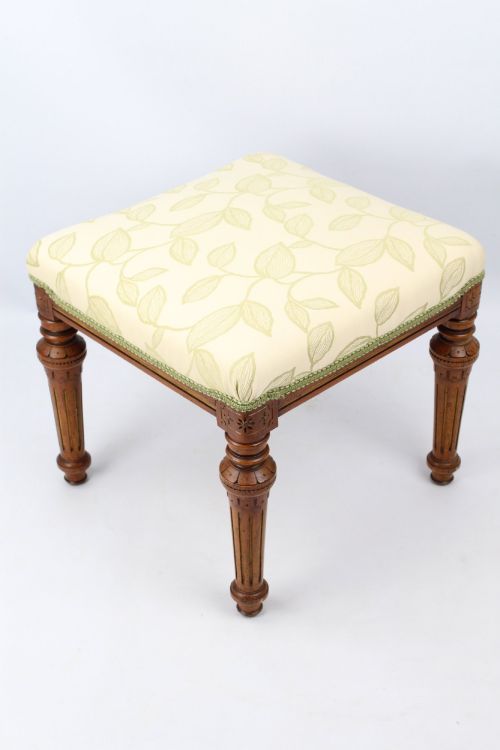
Single versions provide compact seating for one musician, often in a square or round configuration. Duet variants offer an extended bench format built to accommodate two players.
Duet formats frequently incorporate wider proportions and sometimes feature dual adjusting mechanisms or hinged lids for sheet music storage.
How do I identify an Art Deco piece?
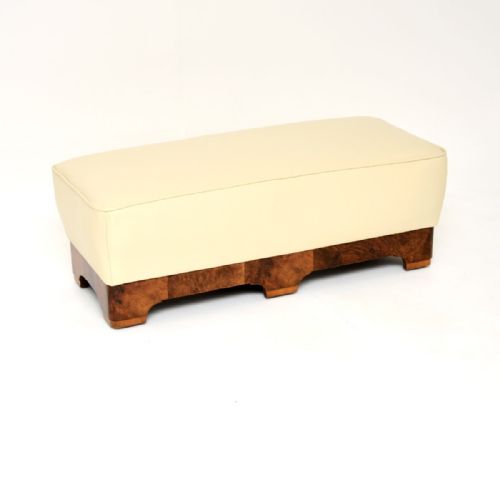
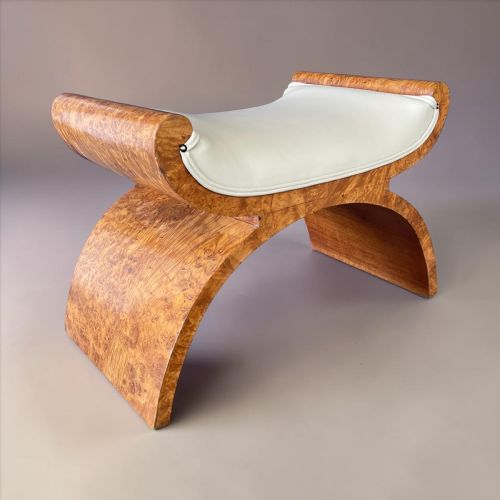
Art Deco pieces from the nineteen-thirties typically feature streamlined geometric forms, burr walnut veneers, and smooth leather upholstery. They avoid heavy historical carving in favour of clean architectural lines.
Named workshops like the Epstein brothers often produced these distinctive, high-status dressing and music stools during the interwar period.
Can I use these seats at a dressing table?
Many music seats and benches double effectively as dressing table stools due to their matching height and compact proportions. Nineteenth-century and Edwardian examples frequently served both domestic functions.
Upholstered top designs in velvet, needlepoint, or leather coordinate easily with bedroom furniture while providing practical, movable seating.