




Brass Studded Stool
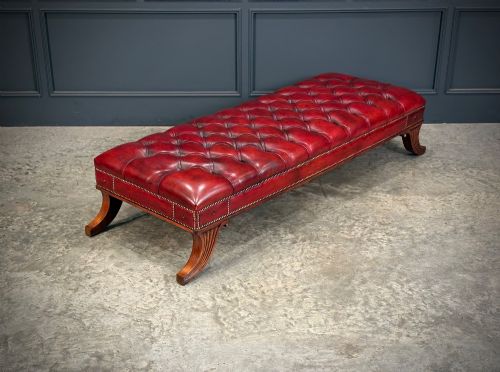
A brass studded stool is a sturdy seat or footrest finished with decorative metal tacks, bringing traditional craftsmanship and rich leather or textile textures into a room.
Brass Studded Stool
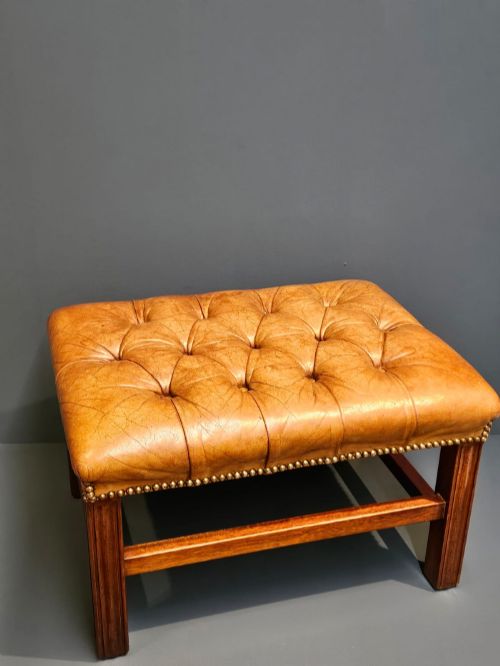
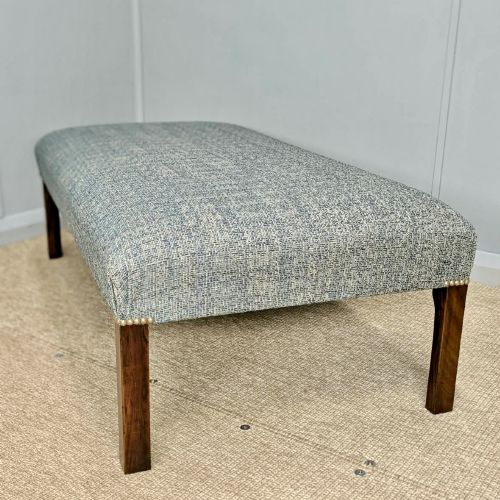
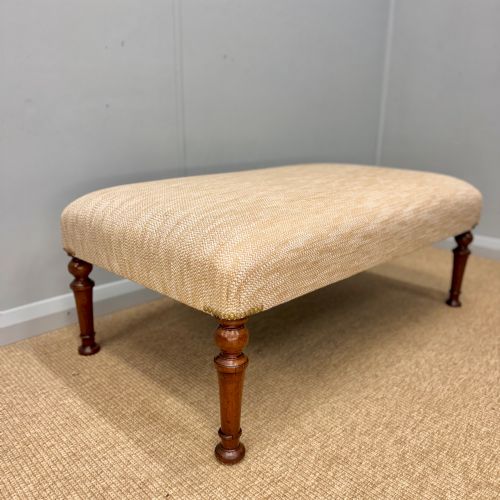
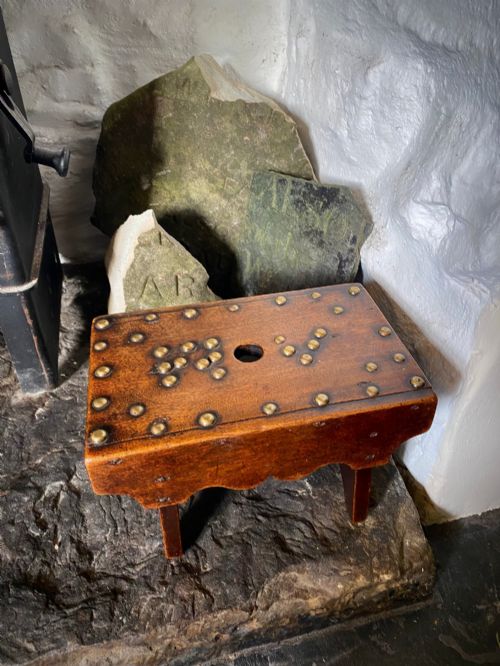
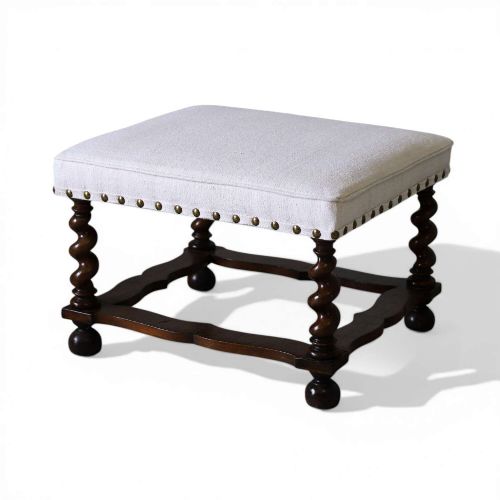
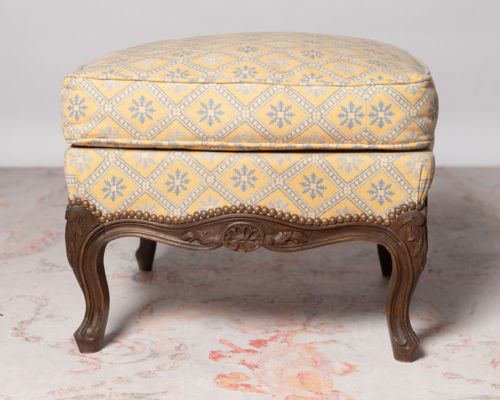
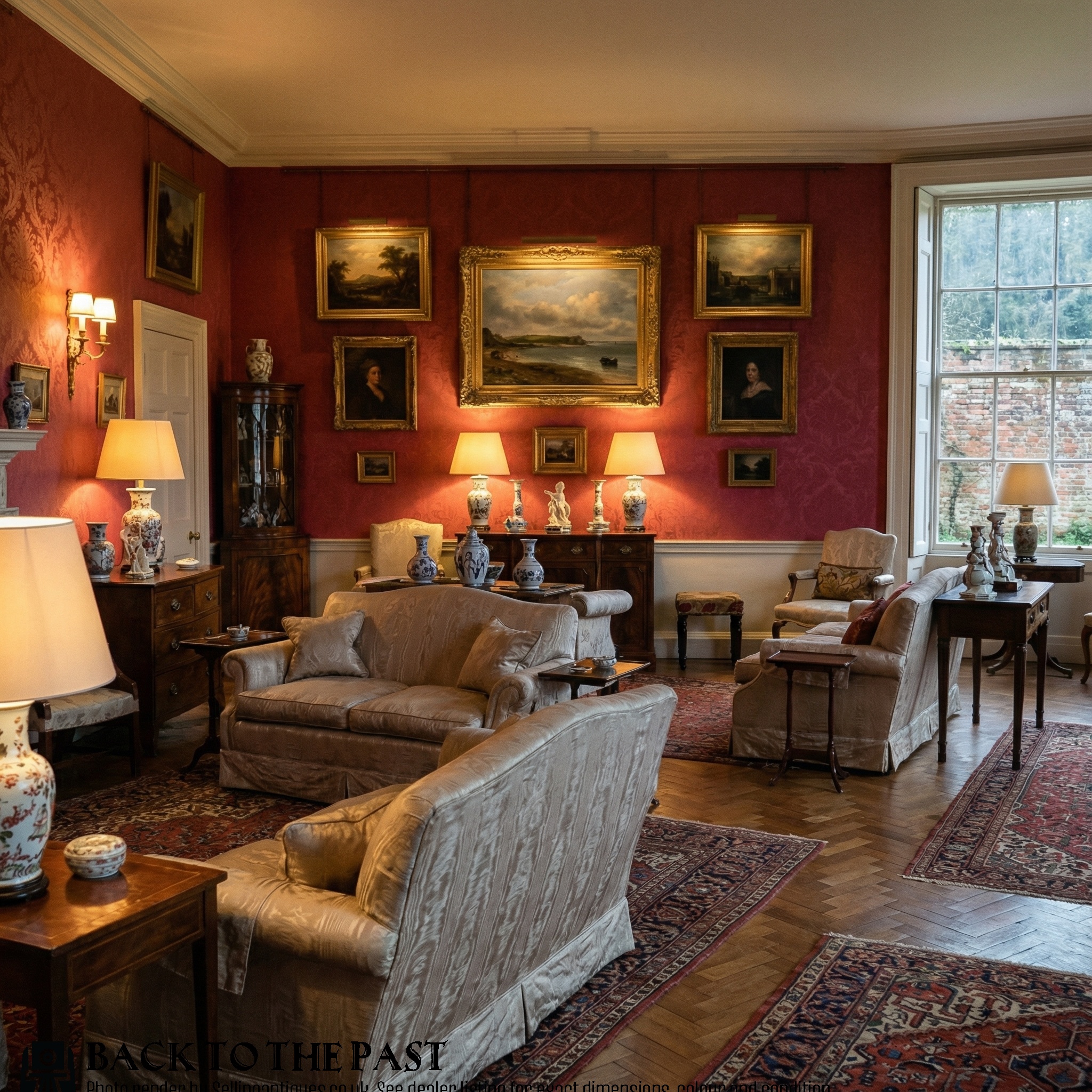
A brass studded stool encompasses various low seats, footstools, ottomans, and dressing table stools originating from the eighteenth century through to the early twentieth century. Buyers seeking a brass studded stool encounter examples spanning Georgian, Regency, Victorian, and Edwardian periods, alongside later revival pieces.
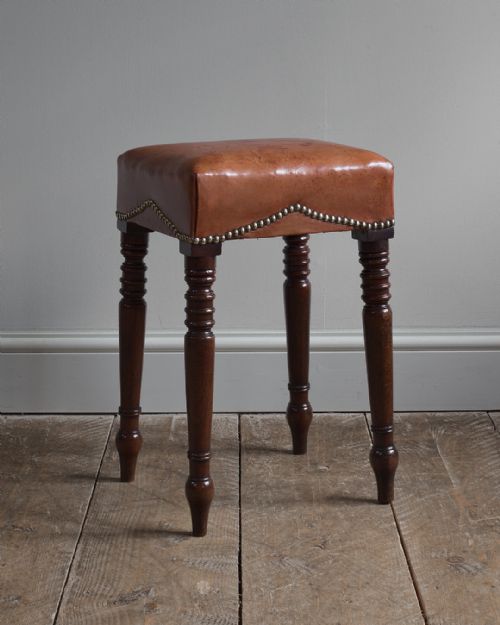
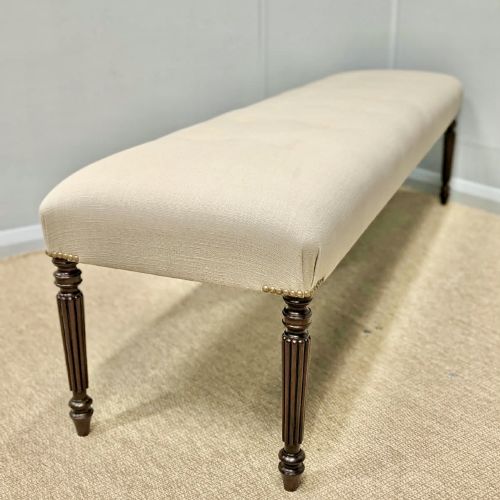
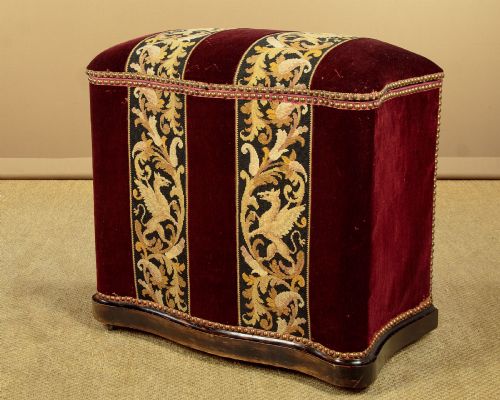
The selections on this page are predominantly constructed from mahogany, walnut, oak, and rosewood, frequently upholstered in leather or fabric. Common forms include long benches, square footstools, and box ottomans fitted with castors or raised on cabriole and fluted legs.
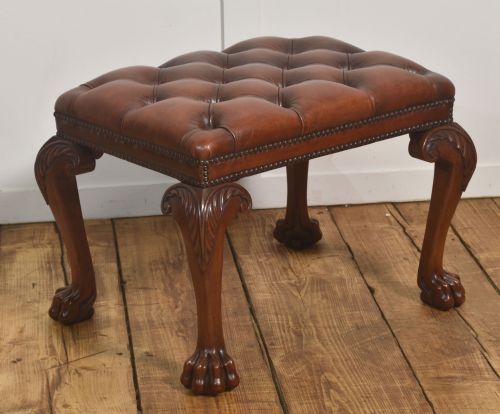
Victorian mahogany and nineteenth-century rosewood models dominate the available inventory, often featuring deep buttoning and decorative nailhead trim. Alongside these, buyers find eighteenth-century designs recreated in later periods, such as Chippendale-style and Carolean-style low hall seats.
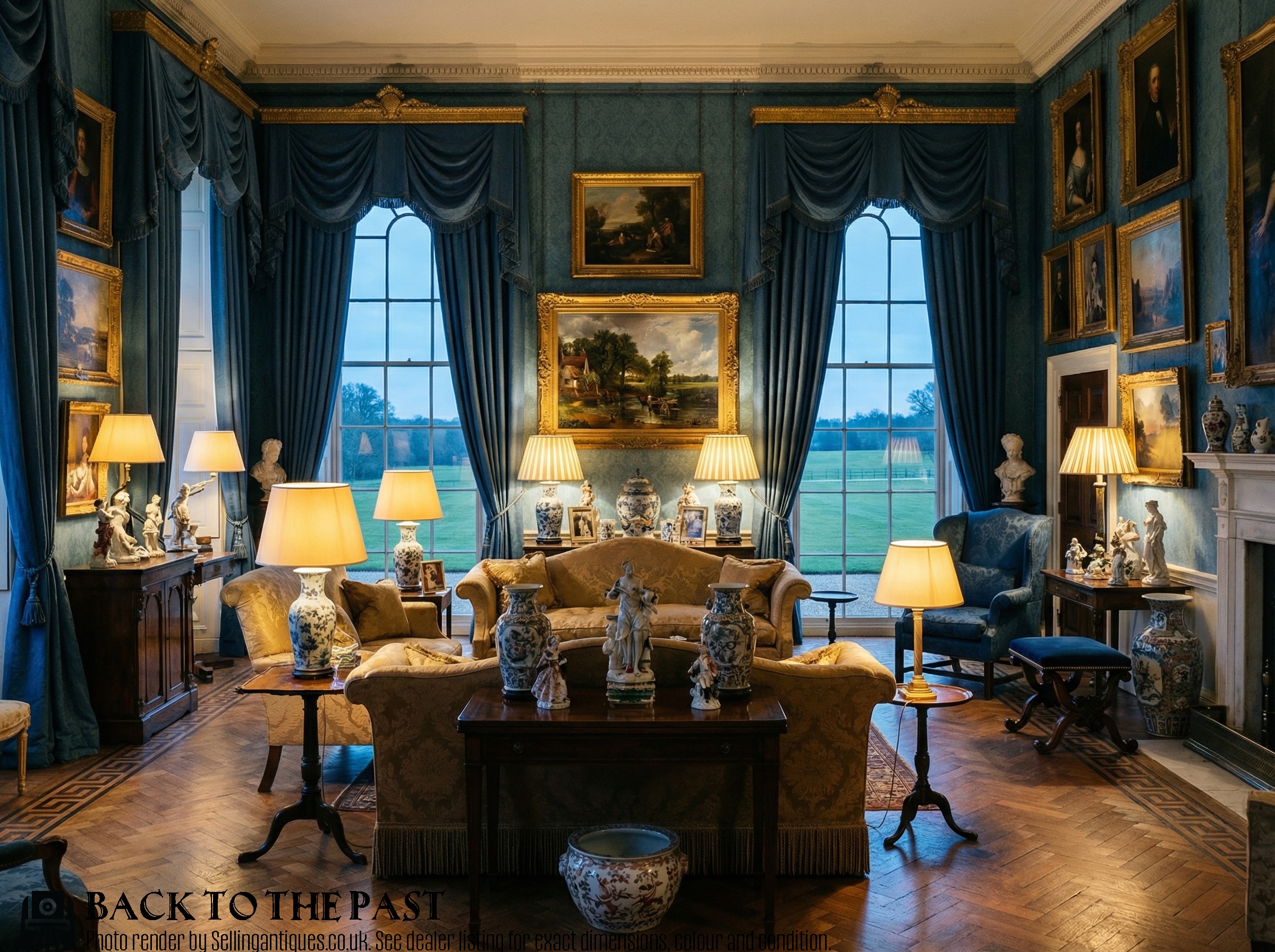
Materials and construction methods
Frames are constructed from dense hardwoods such as mahogany, walnut, oak, and rosewood, which provide the structural integrity required to support daily seating. Cabinetmakers shaped these timbers into cabriole legs, barley-sugar turnings, or straight fluted supports depending on the prevailing style of the era.
Upholstery involves securing leather, silk, or textile coverings over padding using individual brass studs driven in by hand around the borders. These metal tacks not only anchor the fabric securely to the wooden frame but also create a distinctive decorative border.
Brass Studded Stool Retail Price Guide 2026
Typical asking prices for brass studded stool among the pieces listed under this phrase on Sellingantiques today, from the lower quarter to the upper quarter. They describe what is for sale here now, not the wider market.
Some nineteenth-century examples hide small brass castors beneath their feet, allowing heavy mahogany footstools to glide across the floor unnoticed.
Assessing quality and craftsmanship
Quality rests in the selection of timber and the precision of the frame joinery, with dense, unblemished hardwoods indicating superior cabinet work. Pieces featuring finely carved cabriole legs, reeded details, or oyster veneers demonstrate a higher level of artisan skill than plain utility frames.
The execution of the upholstery work and the finish of the metal tacks separate standard examples from finer commissions. Even spacing of the brass studs and the use of substantial leather or quality buttoning reflect the original maker's investment in materials and time.
The Brass Studded Stool Glossary
- Cabriole leg
- A furniture leg that curves outward at the knee and tapers inward at the ankle, ending in a pad or claw foot. This design was popular during the eighteenth century and revived extensively in the Victorian period.
- Box ottoman
- A hollow upholstered seat featuring a hinged lid for interior storage. These pieces combine seating functionality with compartment space.
- Buttoning
- A traditional upholstery technique where deep indentations are created by pulling twine through the padding and securing it with covered buttons. This method keeps internal stuffing firmly in place.
- Stretcher
- A horizontal wooden rod connecting the legs of a stool to provide structural stability. Earlier pieces frequently utilise shaped or oyster-veneered stretchers.
- Castor
- A small wheel attached to the base of a furniture leg to aid movement. Many nineteenth-century footstools and ottomans incorporate brass castors for ease of relocation.
Brass Studded Stool: Frequently Asked Questions
Where should I place a brass studded stool?
These pieces function well as footstools before armchairs, low seats in hallways, or dressing table stools in bedrooms. Their compact footprint allows them to be tucked away or moved easily between rooms.
Long benches and box ottomans also serve at the foot of a bed or act as informal coffee tables when topped with a rigid tray.
How do I care for leather upholstery?
Leather surfaces benefit from regular dusting with a dry cloth and occasional treatment with a suitable leather conditioner to prevent drying. Avoiding direct sunlight and heat sources helps protect the natural hide from cracking over time.
Brass studs require minimal maintenance; a soft cloth removes dust without disturbing the metal finish.
How can I tell a Victorian stool from a Georgian one?
Georgian pieces typically display lighter timbers, restrained carving, and proportions tied to eighteenth-century design canons. Victorian examples often feature heavier mahogany frames, deeper buttoning, and more robust turnings.
Examining the underside for tool marks, screw types, and timber ageing helps confirm the manufacturing era.
What is a box ottoman used for?
A box ottoman provides hidden storage beneath a hinged upholstered lid while functioning as a seat or footrest. In period interiors, these compartments held blankets, linens, or accessories.
Today, they offer a practical way to store household items while maintaining a traditional aesthetic.