



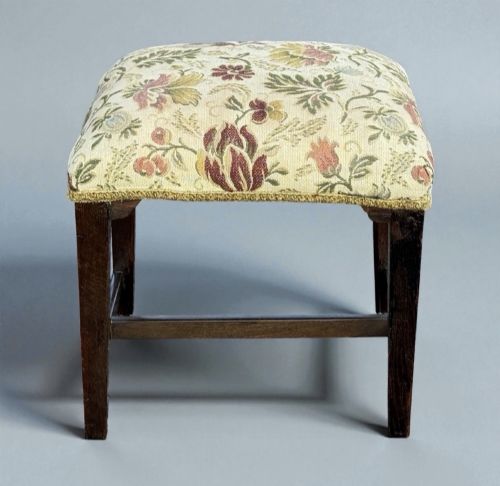
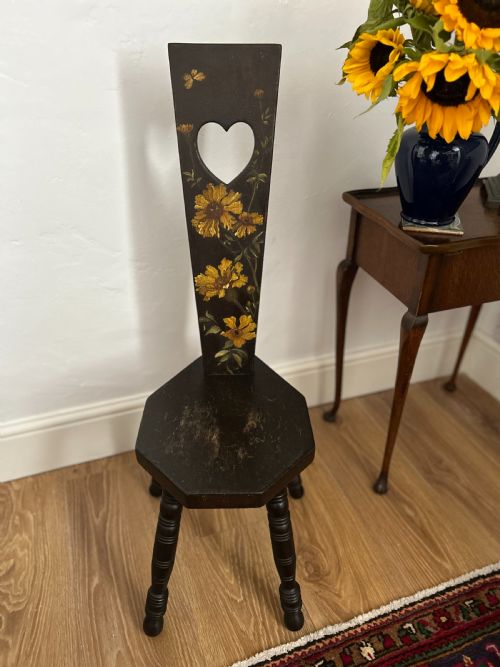
Carved Timber Stool
A carved timber stool brings tactile warmth and honest craft into a room, spanning centuries of regional and formal styles.
Carved Timber Stool
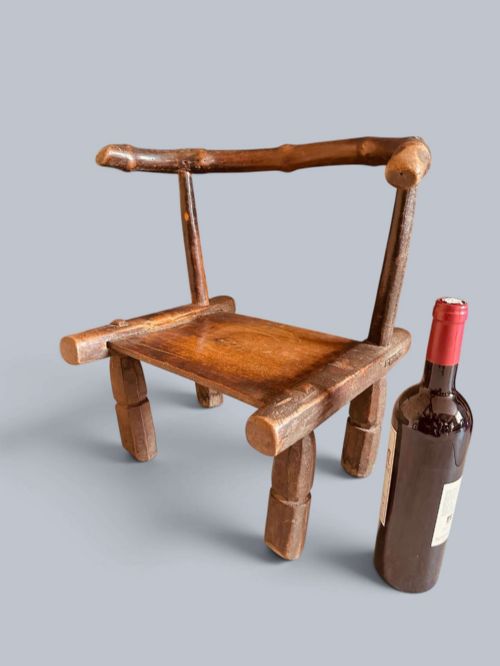
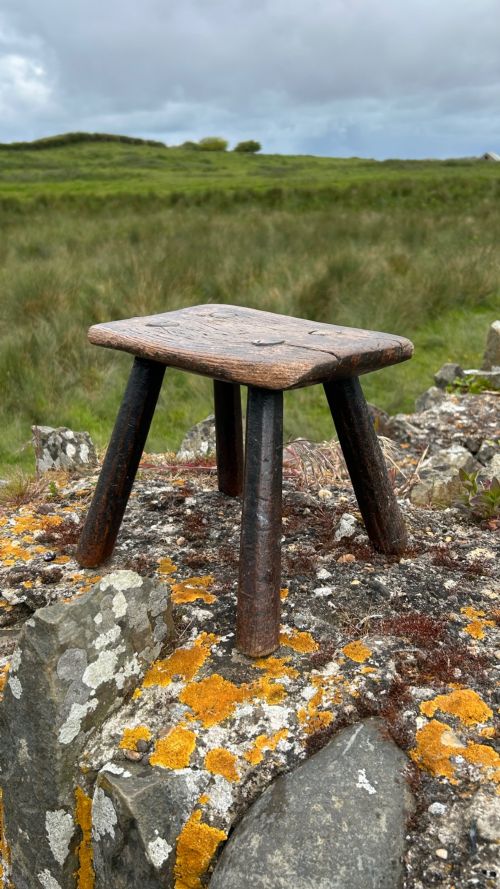
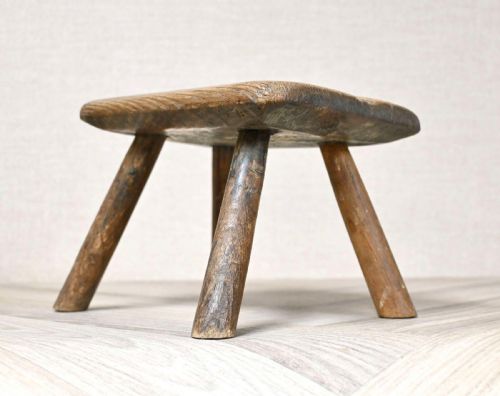
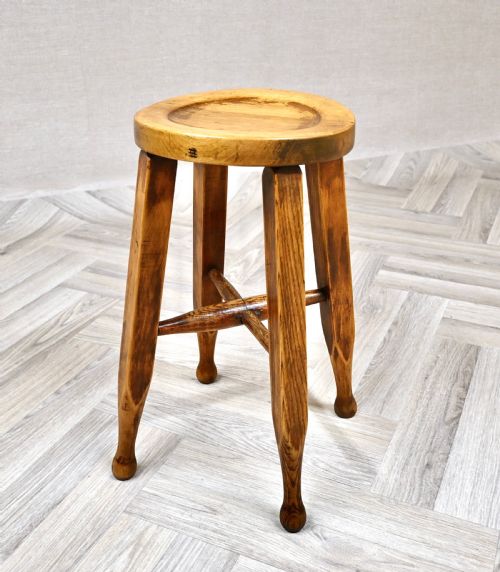
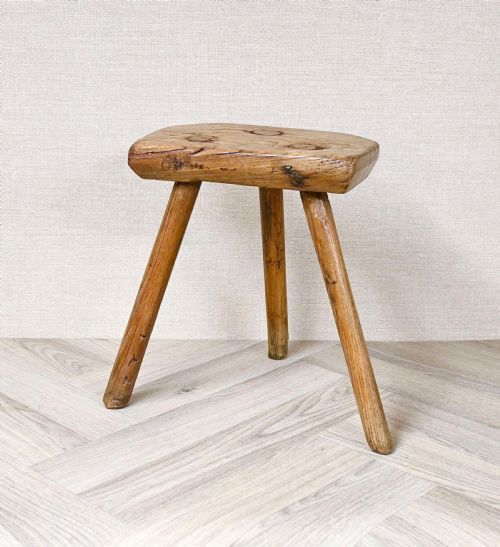
A carved timber stool is a solid seating piece shaped from woods such as oak, walnut, teak, and various hardwoods, often displaying distinct regional character. When searching for a carved timber stool, collectors encounter everything from rustic folk art milking stools and primitive tripod designs to formal Victorian upholstered footstools and Scottish baronial seating.
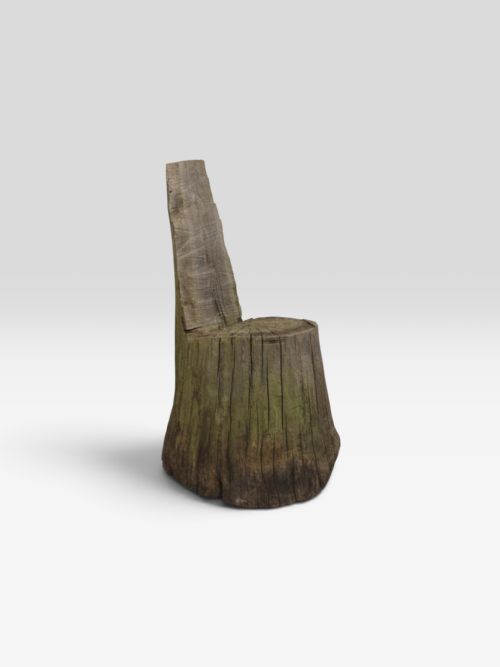
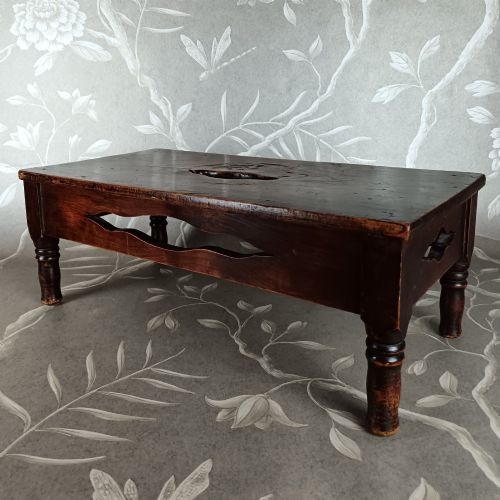
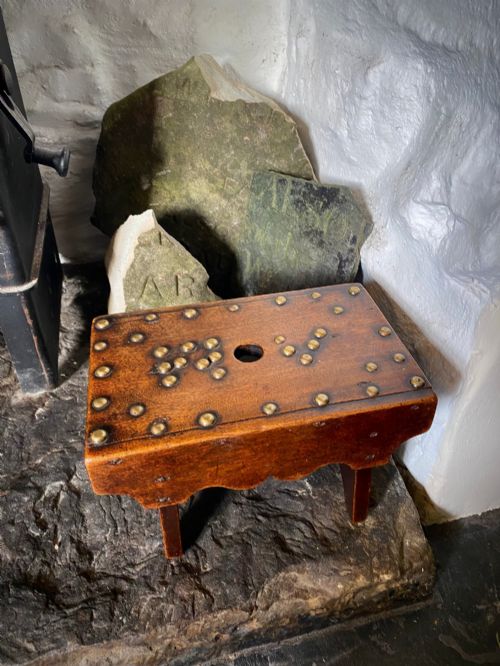
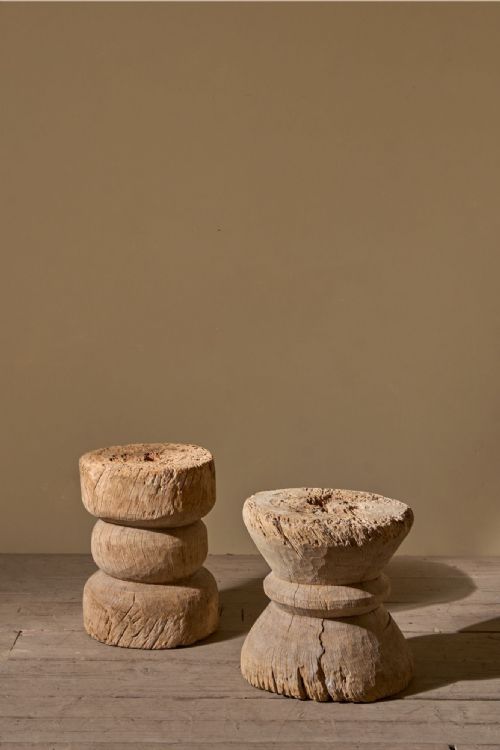
The domestic forms range from small hearth stools and dressing table seats to low window benches and sculptural tree seats. Many examples show direct vernacular traditions, utilising natural tree forms, dugout seats, or turned wood legs alongside sophisticated carved ornamentation.
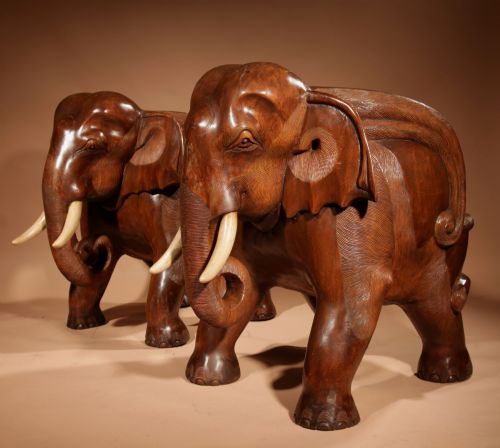
Origins span British country workshops, continental Europe, and international traditions including African tribal works and Chinese hardwood pieces. The most common survivals on this page date from the nineteenth century, though earlier seventeenth and eighteenth-century joint and boarded stools appear alongside twentieth-century Art Deco and Arts and Crafts interpretations.
How they were made
Construction relies heavily on traditional joinery, utilising solid oak, walnut, teak, and regional hardwoods shaped with hand tools. Many early examples employ pegged mortise and tenon joints, while rustic and primitive forms often feature legs wedged directly into bored seats.
Surface treatment ranges from plain waxed timber and pokerwork decoration to hand-painted finishes and structural carvings. Upholstered variants incorporate traditional stuffing covered in fabrics such as tapestry, velvet, and woven rattan, secured with brass tacks.
Carved Timber Stool Retail Price Guide 2026
Typical asking prices for carved timber stool among the pieces listed under this phrase on Sellingantiques today, from the lower quarter to the upper quarter. They describe what is for sale here now, not the wider market.
The current selection spans multiple centuries, incorporating seventeenth-century joint stools, Georgian footstools, and twentieth-century tribal and Art Deco works in oak, walnut, and teak.
What varies in quality
Quality rests in the integrity of the timber selection and the decisiveness of the carving or turning. A well-executed piece displays harmonious proportions where the weight of the wood matches the scale of the supports, whereas lesser examples can feel ungainly or over-restored.
The distinction between a utilitarian workshop piece and a finer domestic item lies in the precision of the joinery and the depth of the carved detail. Untouched surfaces with deep patination hold greater visual strength than pieces that have lost their original textural character through aggressive cleaning.
The Carved Timber Stool Glossary
- Joint stool
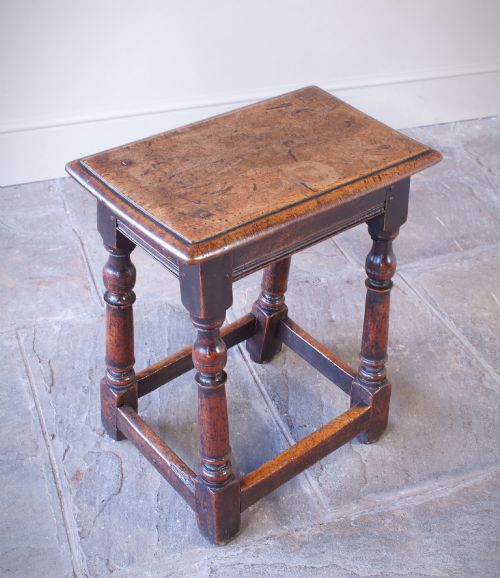
- A sturdy wooden seat constructed with mortise and tenon joints pegged together, typical of the seventeenth century and earlier.
- Milking stool
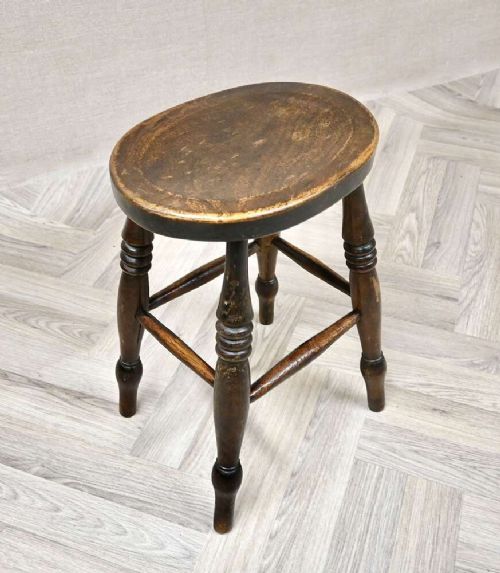
- A simple three or four-legged functional seat with a shaped wooden top designed for agricultural labour.
- Pokerwork
- A decorative technique using heated metal tools to burn designs into the timber surface, seen on nineteenth-century Scottish pieces.
- Cross stretcher
- Wooden rails connecting the legs near the base to provide structural stability and rigidity to the frame.
- Vernacular
- Objects built by local tradesmen or makers following regional traditions rather than high-style academic designs.
Carved Timber Stool: Frequently Asked Questions
How old is my wooden stool?
Dating relies on tool marks, timber species, and construction methods. Seventeenth-century pieces typically show pegged joints and heavy oak construction, while later nineteenth-century examples often incorporate machine-turned elements or softer hardwoods.
Secondary clues include the wear patterns on the seat and the presence of historic fixings. Comparing the structural form to dated regional examples helps narrow down the decade of manufacture.
Were these stools used for seating?
Many served specific domestic and agricultural functions, ranging from milking cattle to resting feet beside a hearth. Others functioned as plant stands, occasional tables, or low window seats in larger properties.
Sturdier vernacular forms were built to withstand heavy daily labour, whereas decorative carved or upholstered variants belonged in formal parlours and dressing rooms.
How do I care for antique timber?
Maintain antique timber by keeping pieces away from direct heat sources and sudden humidity changes. Regular application of a traditional beeswax polish preserves the surface sheen without building up harmful residue.
Avoid commercial liquid cleaners that strip the historic patination from the wood. Gentle dusting with a dry, soft cloth remains the safest daily maintenance.
What is a joint stool?
A joint stool is an early wooden seating form held together by closely fitted mortise and tenon joints. These sturdy pieces were common in seventeenth-century households before chairs became widespread.
Their robust construction made them versatile enough to serve as small tables or steps when needed.