







Chinese Accent Table
These small tables and stands bring varied timber, stone and lacquer into a room, offering functional surfaces shaped by Eastern traditions.
Chinese Accent Table
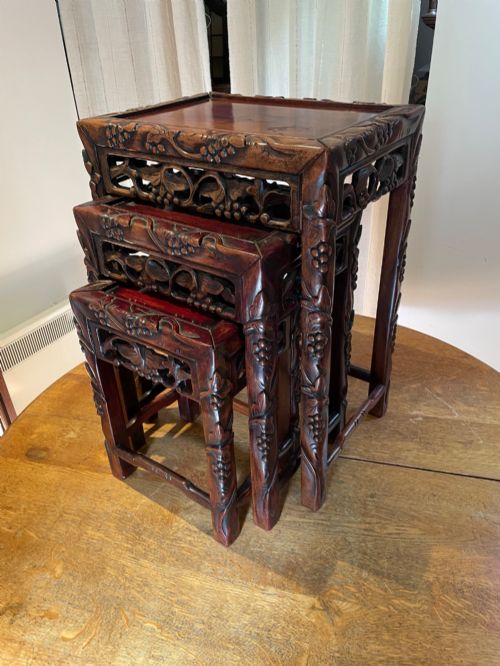
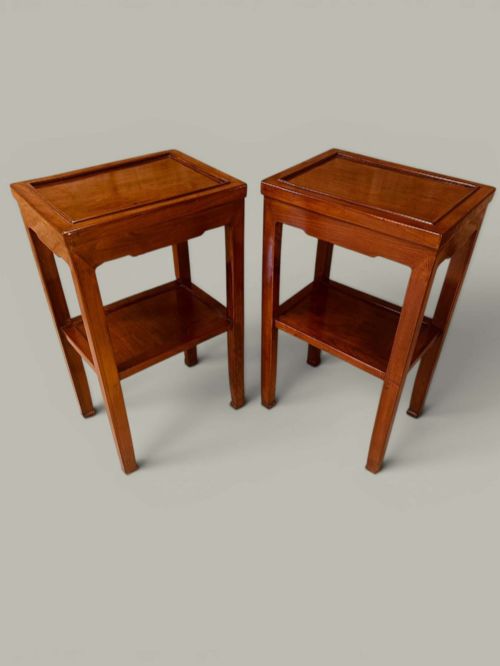
A chinese accent table groups together low coffee pieces, tall plant stands, and compact side furniture originating from the nineteenth and early twentieth centuries. Buyers encounter versatile timber frames, often designed with marble inserts or carved panels suited for contemporary interiors.
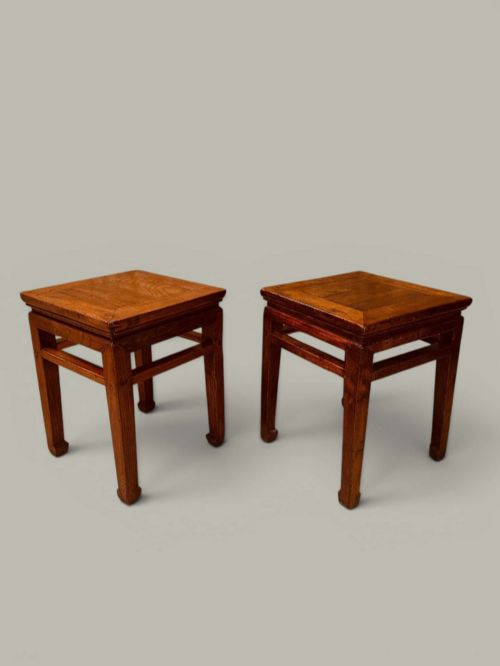
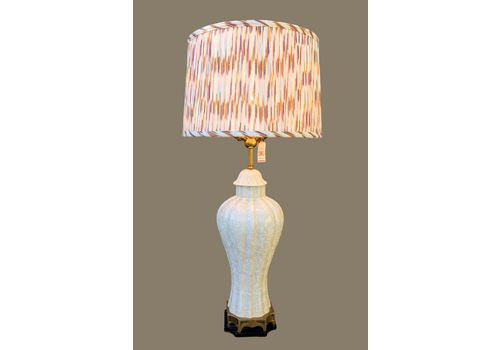
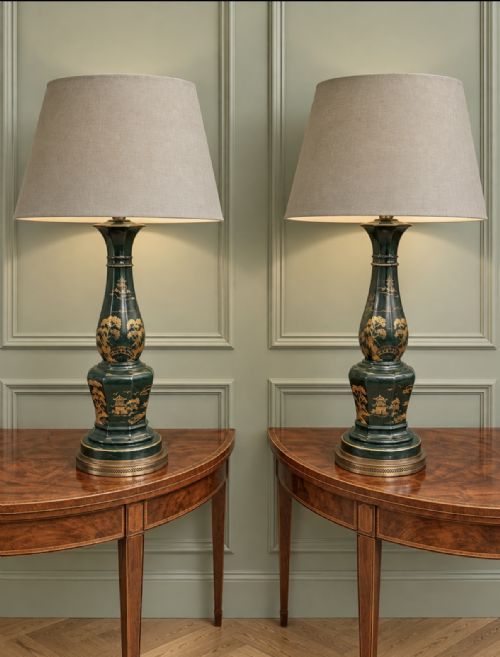
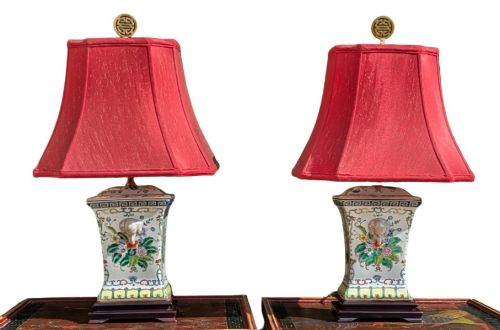
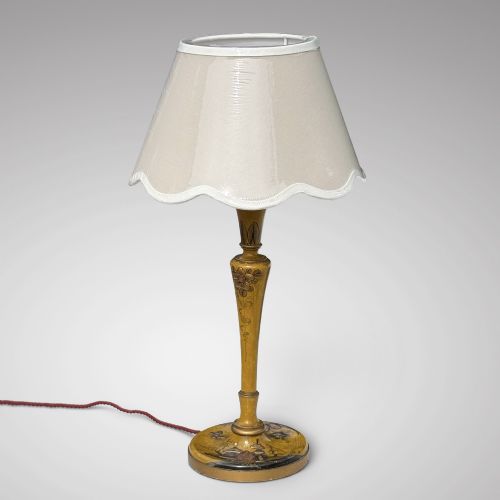
The selection ranges from simple elm side furniture to ornate hongmu nests and lacquer lamps. These items reflect traditional Qing dynasty influences and later export designs intended for Western homes.

Materials and construction
Craftsmen built these tables using dense timbers such as rosewood, hongmu, and elm, alongside applied lacquer and brass details. Hardwood joints provide structural stability without metal nails, allowing the timber to expand and contract naturally.
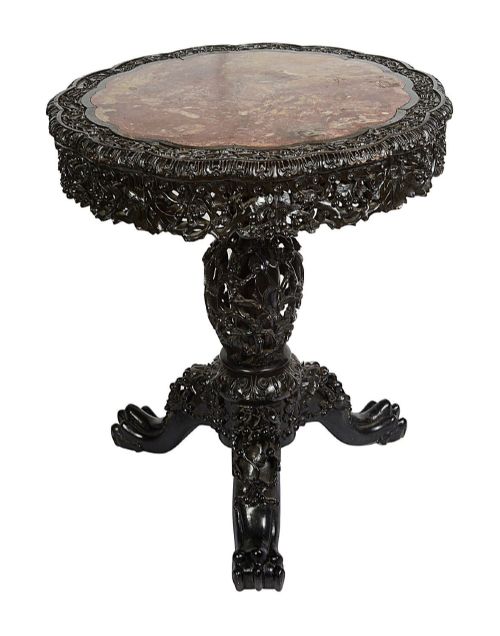
Surfaces frequently incorporate inset marble panels, mother of pearl inlay, or hand-painted Chinoiserie motifs. These decorative elements require specialised carving and polishing techniques passed down through generations of workshops.
Chinese Accent Table Retail Price Guide 2026
Typical asking prices for chinese accent table among the pieces listed under this phrase on Sellingantiques today, from the lower quarter to the upper quarter. They describe what is for sale here now, not the wider market.
Several rootwood stands feature gnarled natural forms that turn a simple tree knot into an exotic table base.
Assessing quality
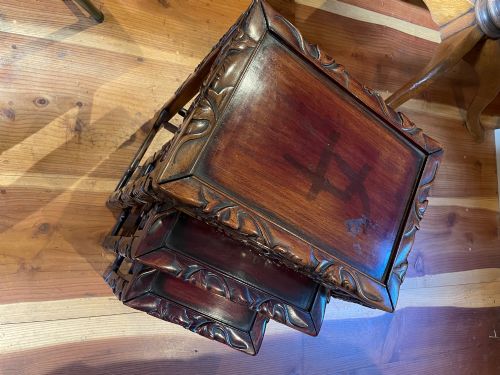
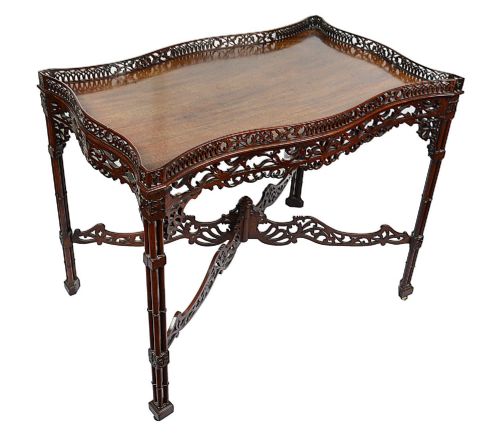
Quality depends on the density of the chosen timber and the crispness of the hand carving. Finer pieces display deeply undercut botanical or dragon motifs rather than shallow surface scoring.
The integrity of inset marble tops and secure joinery distinguish superior examples. Superior items maintain original lacquer finishes and tight structural joints without modern synthetic adhesives.
The Chinese Accent Table Glossary
- Hongmu
- A dense tropical hardwood prized in Chinese furniture making. It possesses a deep reddish-brown hue and heavy weight.
- Chinoiserie
- European imitation and adaptation of Chinese artistic styles. This aesthetic gained popularity across eighteenth and nineteenth-century decorative arts.
- Cloisonné
- Enamelwork technique using metal wires to create compartments. Artisans fill these cells with coloured paste before firing.
- Jardiniere stand
- A tall pedestal or small table designed to hold plant pots. These raised surfaces protect flooring from dampness.
- Nest of tables
- A set of graduated tables that slide under one another. This design saves floor space while providing extra surface area.
Chinese Accent Table: Frequently Asked Questions
How are chinese accent tables used today?
These tables function well as bedside stands, lamp supports, or small display surfaces for ceramics and plants. Their compact proportions allow them to fit easily beside larger upholstery.
They also serve as striking standalone focal points in hallways or reception spaces, adding textural contrast to modern rooms.
What woods appear most often?
Elm and dense Asian hardwoods like rosewood and hongmu dominate the selection. These timbers provide the structural strength needed for slender legs and carved aprons.
Lacquer finishes and exotic veneers such as amboyna also appear on decorative export pieces and Chinoiserie items.
How can I tell the period?
Dating relies on timber patination, construction methods, and stylistic cues linked to the Qing dynasty and later export periods. Nineteenth-century examples typically show hand-cut joinery and deeper wear on the wood.
Twentieth-century pieces often introduce brighter lacquers, different hardware, or modified proportions intended for Western markets.
Are marble top tables fragile?
The inset marble panels are generally heavy and stable within their wooden frames. Normal domestic use poses little risk to the stone.
Care should be taken when moving these tables to lift them by the frame rather than the top, protecting both the marble and the timber shoulders.