



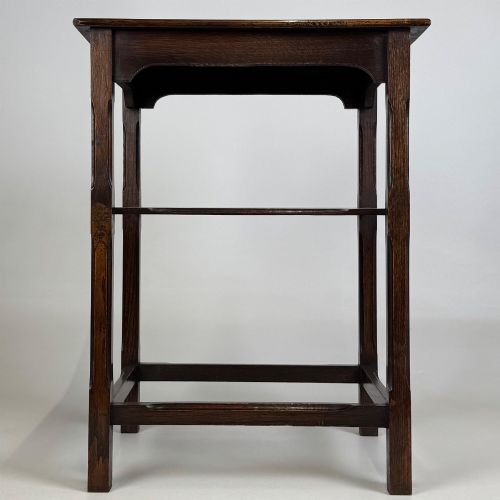
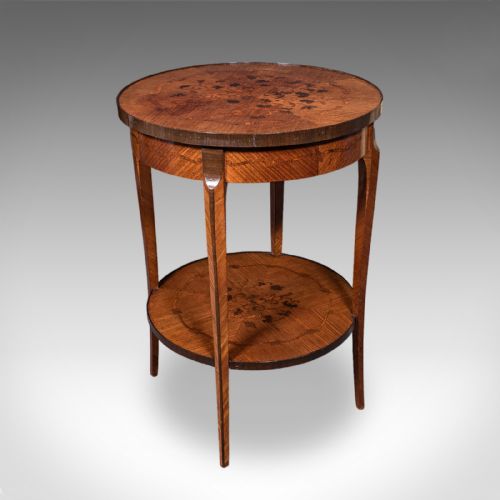
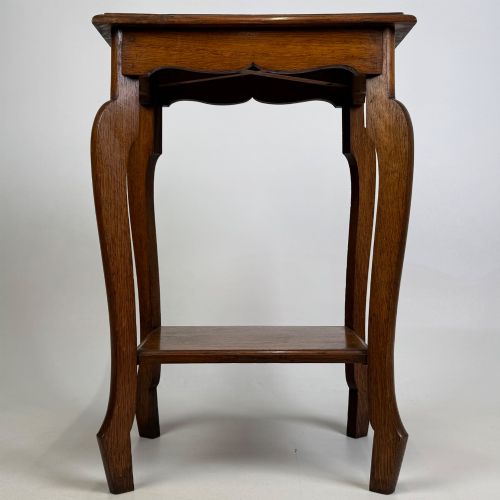
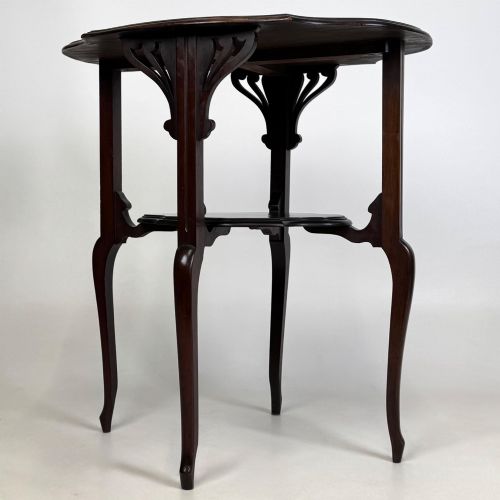
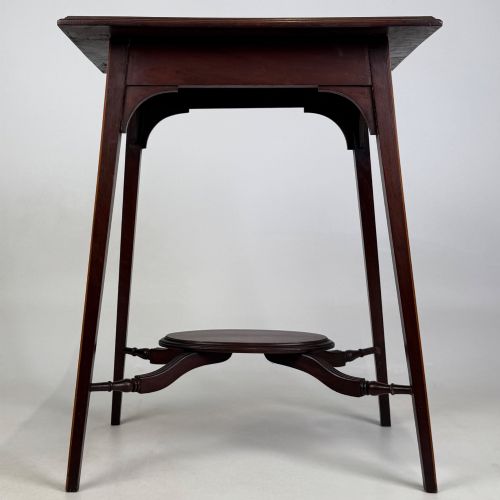
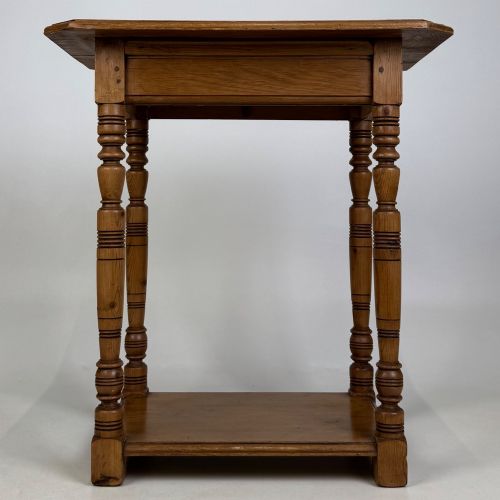
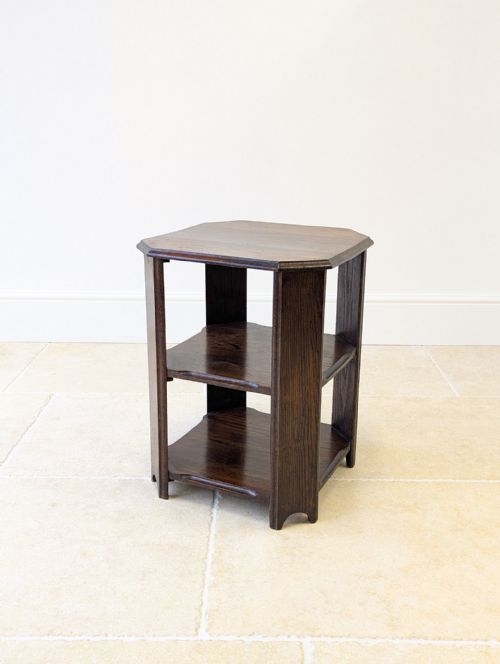
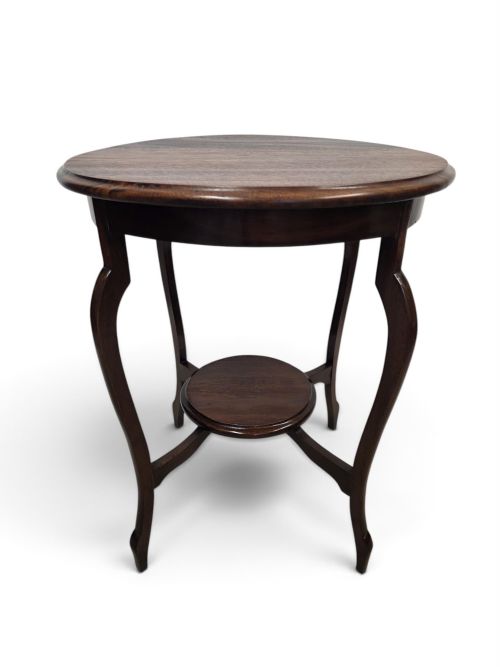
Two Tier Plant Stand
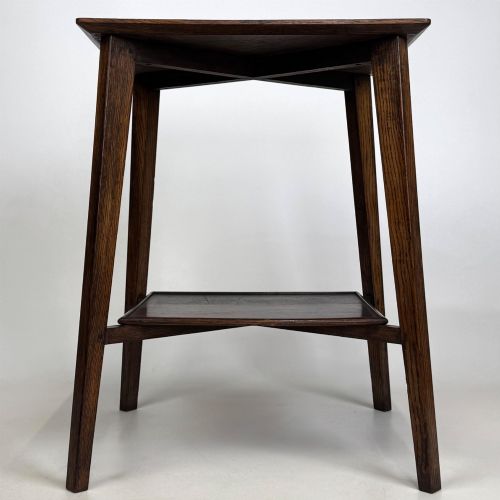
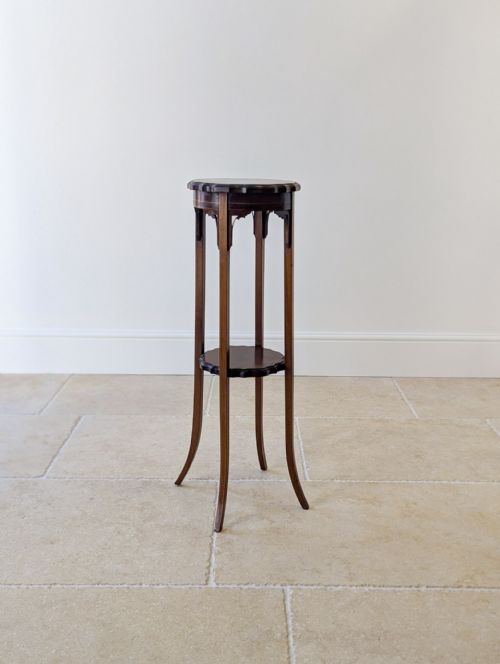
A two tier plant stand brings architectural height and greenery to a room, offering practical double surfaces shaped by Edwardian and Victorian tastes.
Two Tier Plant Stand
A two tier plant stand provides distinct upper and lower levels designed to elevate flora or display decorative objects within domestic interiors. When searching for a two tier plant stand, buyers encounter forms that double as occasional tables, torchères, and tiered stands originating primarily from the Victorian and Edwardian eras.
The pieces appearing on this page span several stylistic movements, including Arts and Crafts, Aesthetic Movement, and French Arts and Crafts. Alongside dedicated plant stands and jardinière stands, the selection includes side tables and trivets that utilise the dual-platform format for display purposes.
How they were made
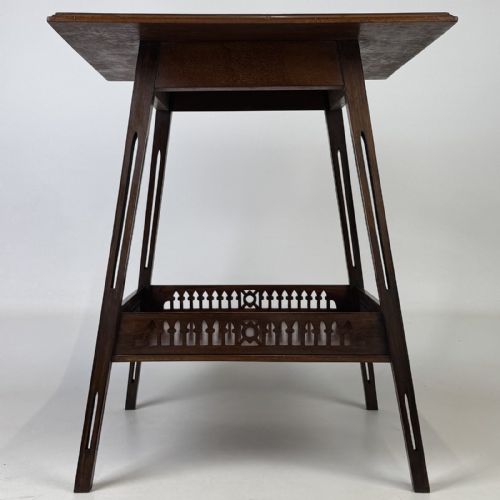
Joinery and turning form the structural foundation of these stands, utilising solid timbers like oak, mahogany, and walnut alongside exotic woods such as kingwood and amboyna. Makers employed traditional mortise and tenon joints to secure the legs and shelves, ensuring stability for heavy earthenware and bronze vessels.
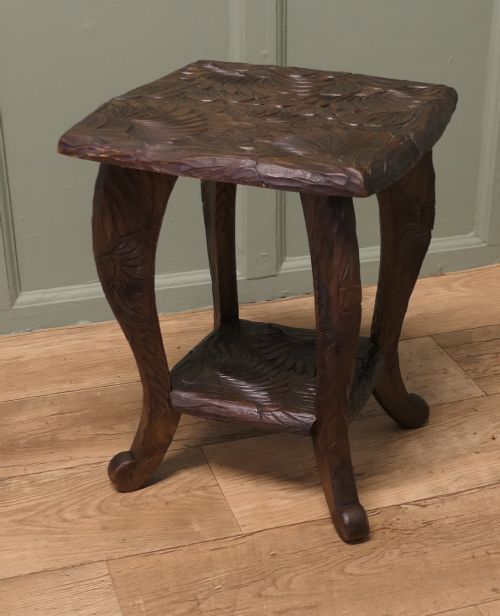
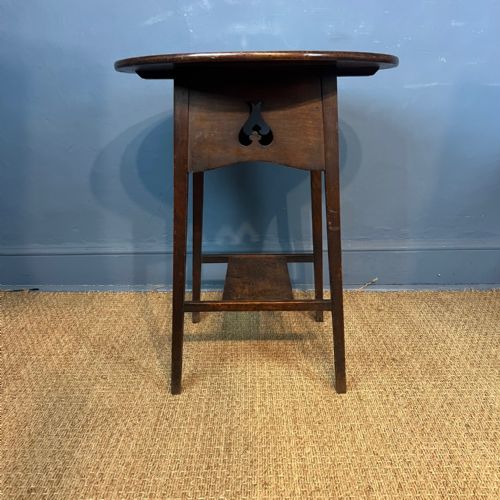
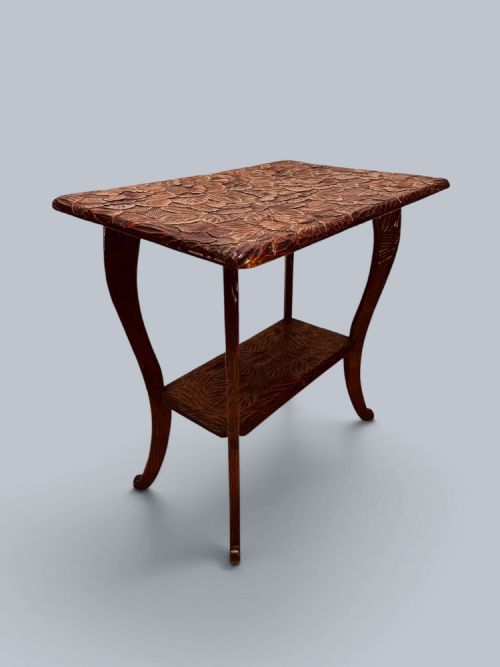
Surface ornamentation ranges from subtle satinwood inlay and hand-carving to ebonising, brass fittings, and painted finishes. Certain pieces incorporate specialised details like bamboo framework, wirework, leather, or ceramic tiles set directly into the wooden top.
Two Tier Plant Stand Retail Price Guide 2026
Typical asking prices for two tier plant stand among the pieces listed under this phrase on Sellingantiques today, from the lower quarter to the upper quarter. They describe what is for sale here now, not the wider market.
Several stands double as smokers' companions, proving that nineteenth-century ferns sometimes shared living space with ash.
What varies in quality
Construction integrity dictates the standing quality of a tiered piece, separating robust joinery from loose or wobbly frames that struggle under heavy pots. The crispness of hand-carving and the precision of inlaid veneers reflect the skill invested by the cabinetmaker.
Material selection and decorative ambition also differentiate standard utility pieces from exceptional examples. Finer creations integrate distinctive elements like brass mounts, specialist tiles, or scarce secondary timbers that elevate the overall presence.
William Birch·Liberty and Co
The Two Tier Plant Stand Glossary
- Torchère
- A tall, slender stand designed specifically to elevate a lamp, candle, or single plant. These vertical pieces maximise display potential while occupying minimal floor space.
- Jardinière
- A decorative pot or stand intended for holding plants or flowers. In antique pieces, these often feature integrated metal liners to contain moisture.
- Occasional table
- A small, versatile table intended for light domestic use rather than primary dining. They frequently duplicate the dual-shelf layout of plant stands.
- Inlay
- A decorative technique where contrasting materials such as satinwood or brass are inserted into recesses within the primary wood surface. This creates flat, patterned ornamentation across tabletops and shelves.
- Arts and Crafts
- A design movement prioritising traditional craftsmanship, visible construction methods, and simple forms. Pieces from this tradition often feature unadorned oak and honest joinery.
Two Tier Plant Stand: Frequently Asked Questions
What is a two tier plant stand?
A two tier plant stand is a piece of furniture featuring a main top platform and a lower shelf designed to hold pots, vases, or decorative objects.
These stands elevate greenery to improve light exposure and create layered vertical interest in interior spaces.
How were plant stands used historically?
Historically, households used these stands to display prized potted ferns and floral arrangements in parlours and drawing rooms.
The lower shelf provided additional storage or display space for supplementary pots, watering vessels, or ornaments.
How do I identify Victorian pieces?
Victorian stands typically display deeper, richer timber tones like walnut and mahogany alongside heavier carved details, ebonised finishes, or wirework construction.
Examining the underside and joint construction helps confirm the nineteenth-century manufacturing methods typical of the period.
How do I live with antique plant stands?
Integrating these stands into modern rooms involves placing them in corners or beside seating where their vertical proportions can shine.
Protection against moisture from modern plant pots is essential to preserve historic timber surfaces and prevent water staining.