


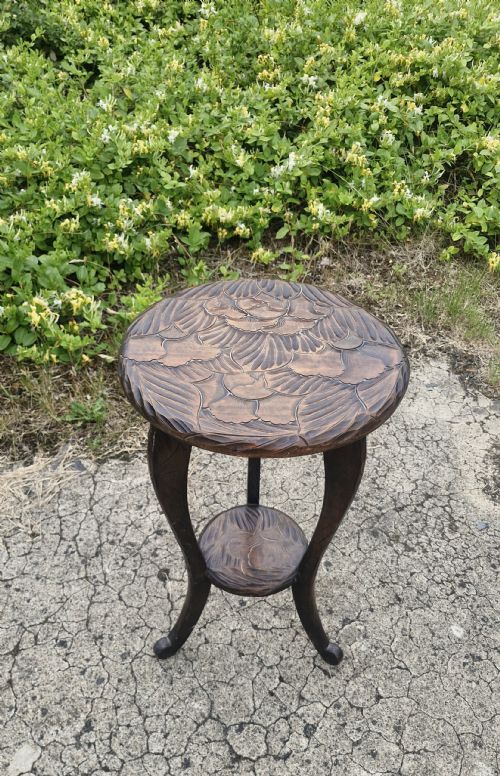
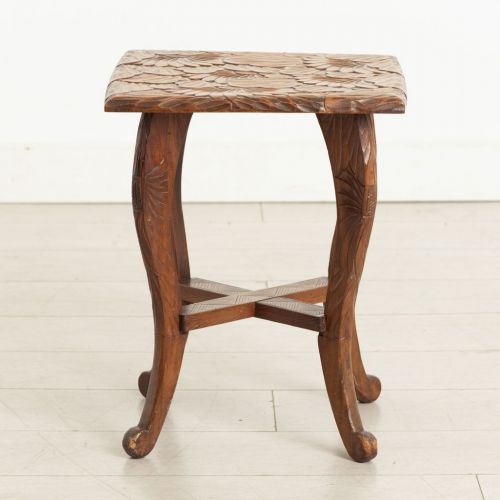


Liberty and Co Furniture
Liberty and co furniture brings enduring Arts and Crafts character to a room through solid oak construction and distinctive joinery.
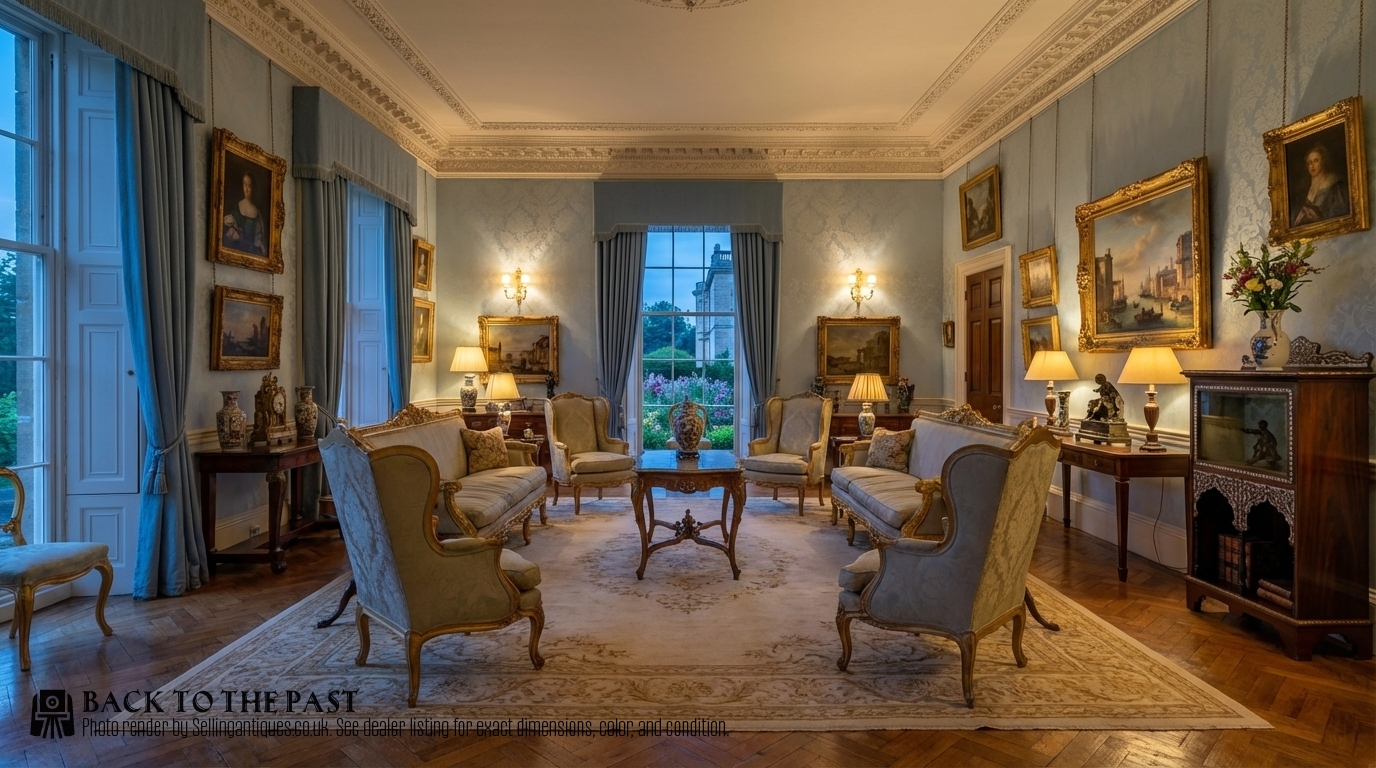
What liberty and co furniture is
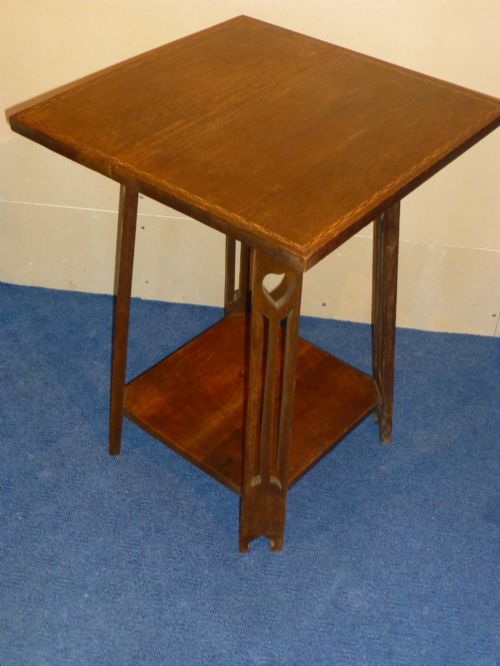
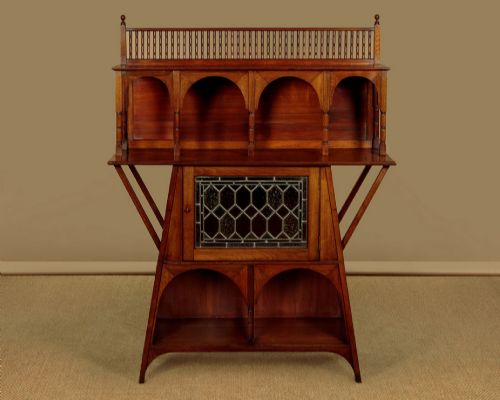
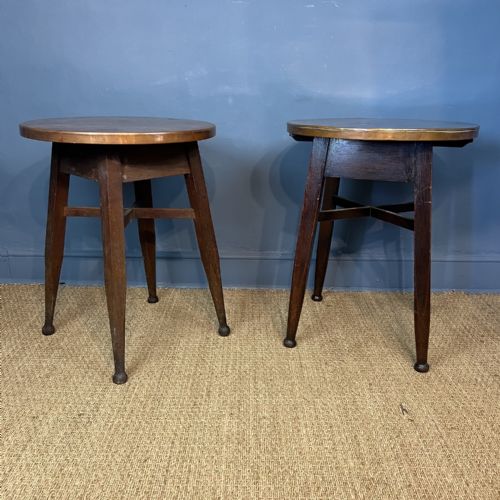
Buyers seeking liberty and co furniture typically encounter oak cabinets, sideboards, dressers, and occasional tables dating from the late nineteenth century into the Edwardian period. These pieces reflect the dominant design movements of their time, particularly the Arts and Crafts style alongside Aesthetic and Anglo-Japanese influences.
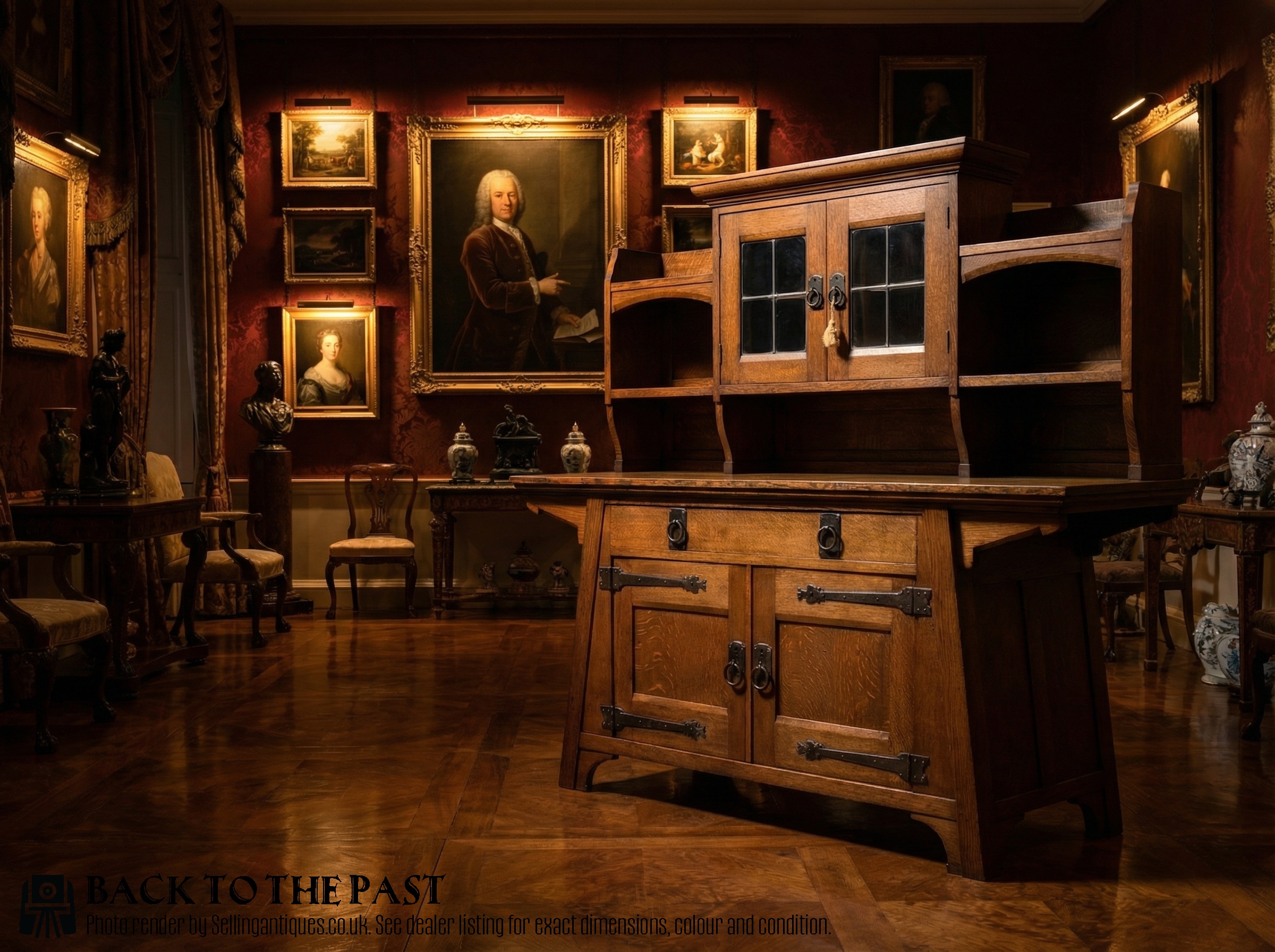
How they were made
Construction relies heavily on solid oak and mahogany timbers, shaped through traditional joinery and hand carving. Selected pieces incorporate decorative leaded glass panels and iron fittings, demonstrating standard workshop methods of the period.
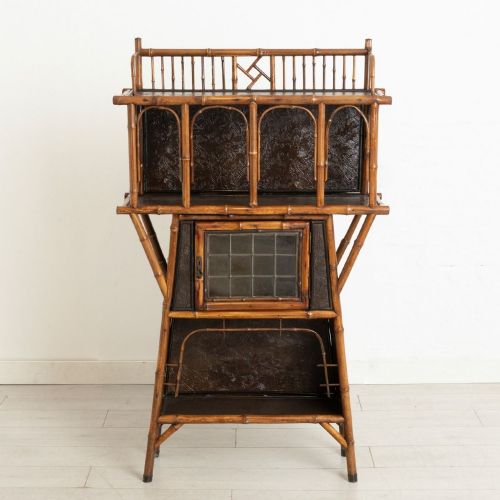
Makers utilised distinct regional styles, such as hand-carved hardwood details seen in Anglo-Japanese examples and simpler forms defined by structural honesty within the Arts and Crafts tradition.
Retail Price Guide 2026
Typical UK retail prices for liberty and co furniture, calculated from the Sellingantiques database of over a million retail prices indexed since 2003. This retail price guide relies exclusively on Sellingantiques data; no external sources or auction records are used, so the figures do not describe the wider market.
Current listings span periods from 1890 to the Edwardian era, featuring oak, mahogany, leaded glass, and carved hardwood.
What varies in quality
Distinction across the range rests on the complexity of the timber work and the sophistication of decorative elements like leaded glass and hand carving. Pieces featuring integrated hardware and unified stylistic design sit at the higher end of craftsmanship.
Simpler occasional tables show restraint in form, whereas larger sideboards and dressers demonstrate ambitious structural planning with fitted cabinetry and substantial display areas.
The Liberty and Co Furniture Glossary
- Arts & Crafts
- A design movement promoting handcraftsmanship and simple forms over mass production. It heavily influences the construction methods of these pieces.
- Anglo-Japanese
- A stylistic crossover integrating Japanese aesthetic principles with British furniture forms. It appears in hand-carved hardwood items.
- Leaded glass
- Glass panes held together by lead caming, commonly utilised in cabinet doors. This technique adds decorative geometric or floral patterns.
- Occasional table
- A small, versatile table designed for specific, intermittent domestic use. Two-tier variants provide additional surface storage.
Frequently Asked Questions
What periods do these pieces date from?
The available items date from the late nineteenth century through to the Edwardian era, specifically spanning the 1890s, 1900s, and 1920s.
These dates align with the height of the Arts and Crafts movement and related stylistic periods.
What materials are commonly used?
Oak and mahogany form the structural foundation of most items, complemented by carved hardwood in specific decorative pieces.
Additional materials include leaded glass panels, iron fittings, and general metalwork that accentuates the primary timber.
How do I identify an occasional table?
Occasional tables are compact, movable surfaces built for specific tasks around the home rather than primary dining.
Examples on this page include multi-tiered configurations designed to maximise display space in smaller areas.
What styles are represented here?
The inventory reflects Arts and Crafts design principles, alongside Aesthetic Movement aesthetics and Anglo-Japanese decorative elements.
These styles share an emphasis on visible construction methods and natural materials.