


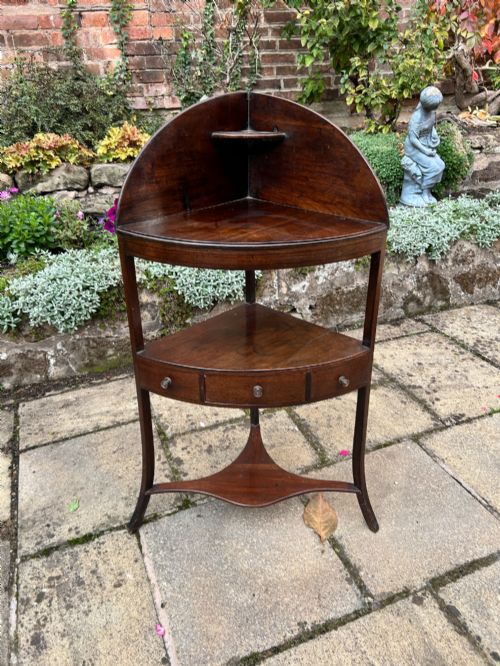
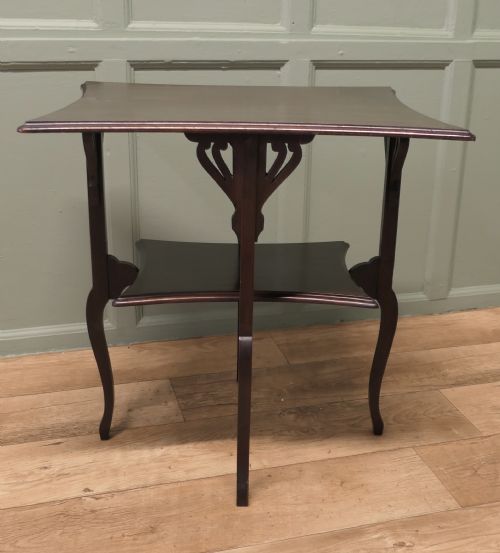
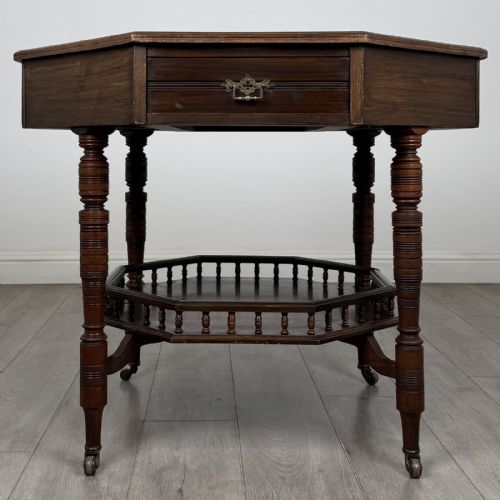
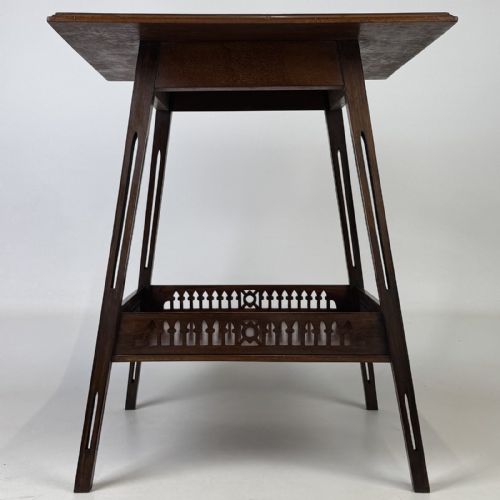
Dark Wood Tier Table
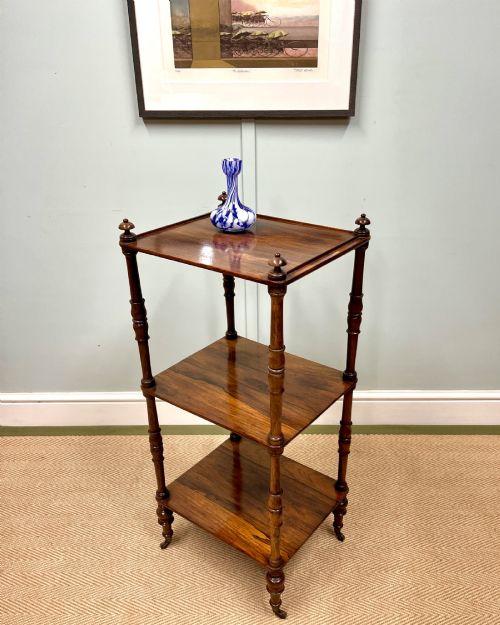
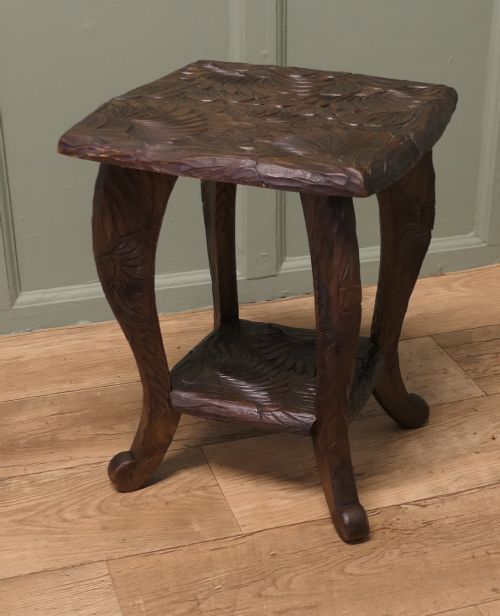
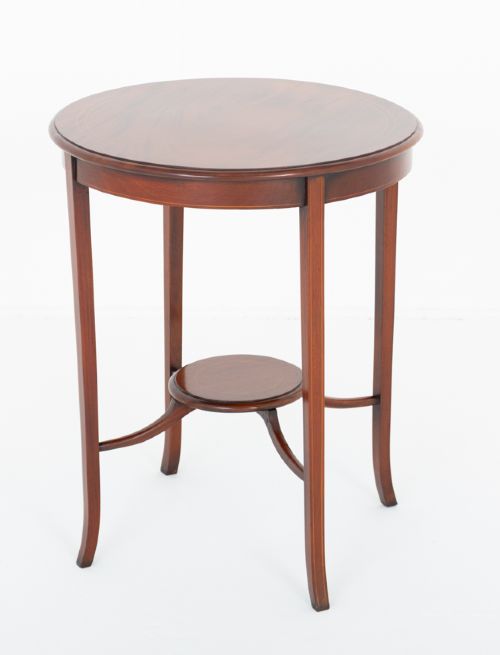
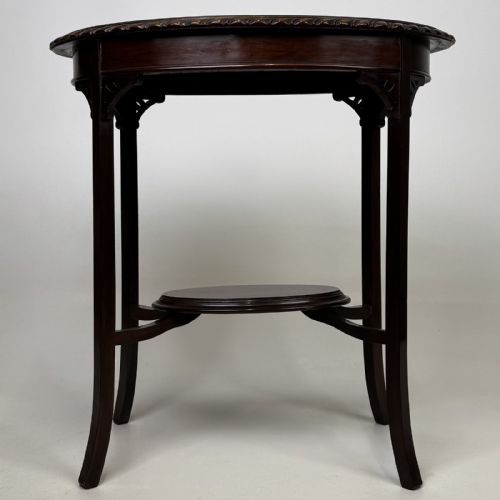
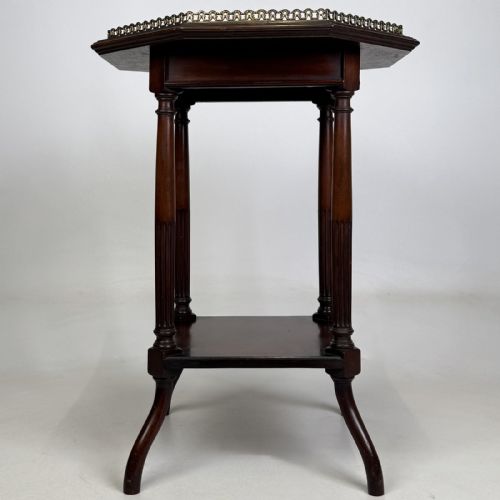
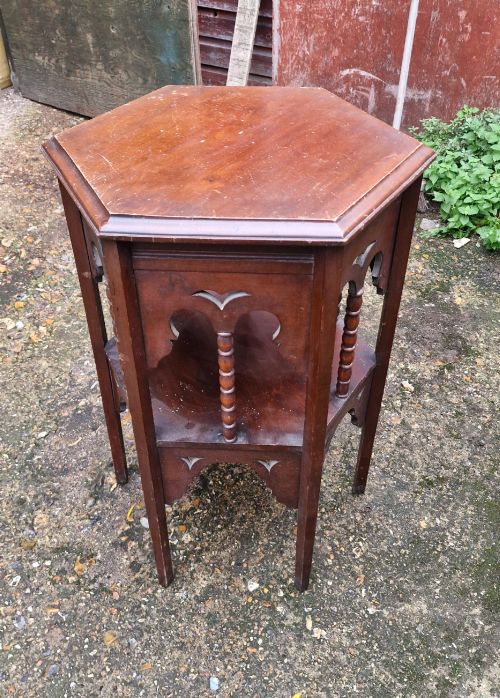
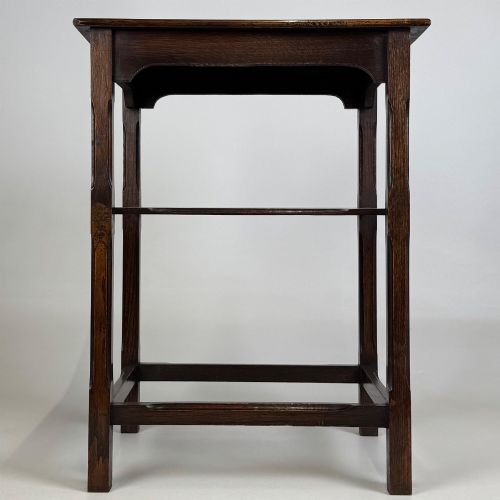
A dark wood tier table offers stacked surfaces in rich timber, bringing practical display and refined display space to a room.
Dark Wood Tier Table
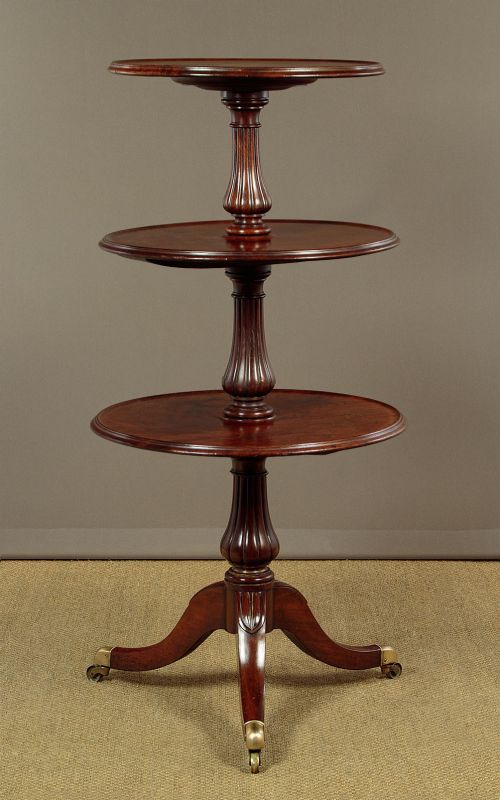
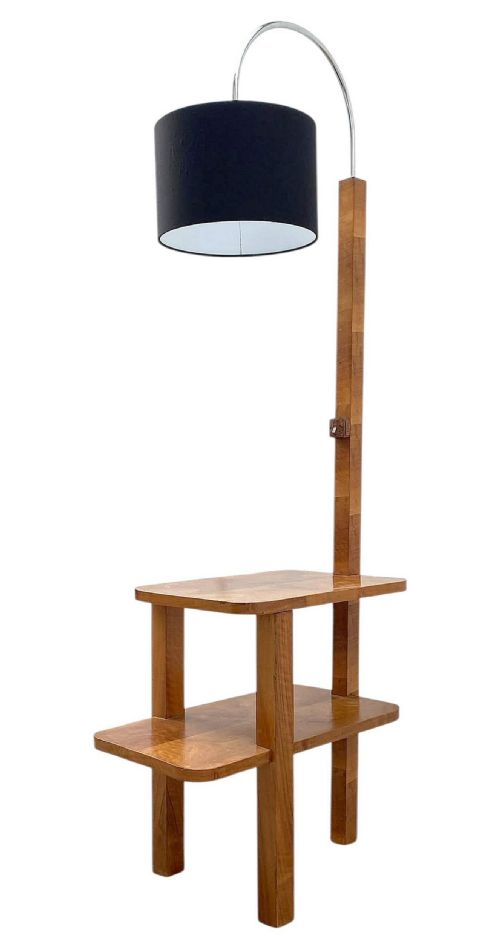
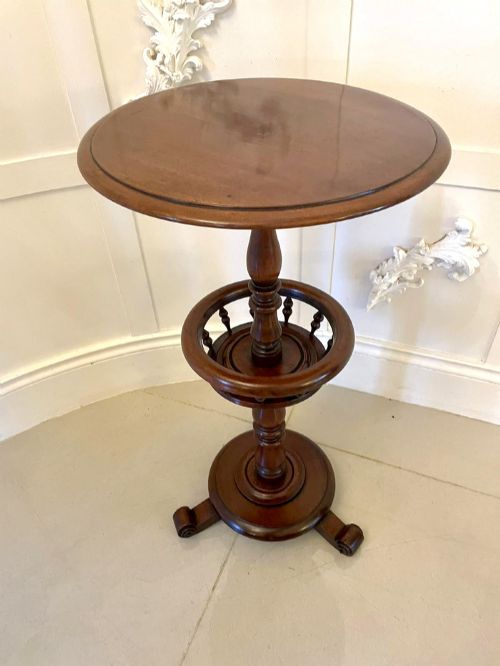
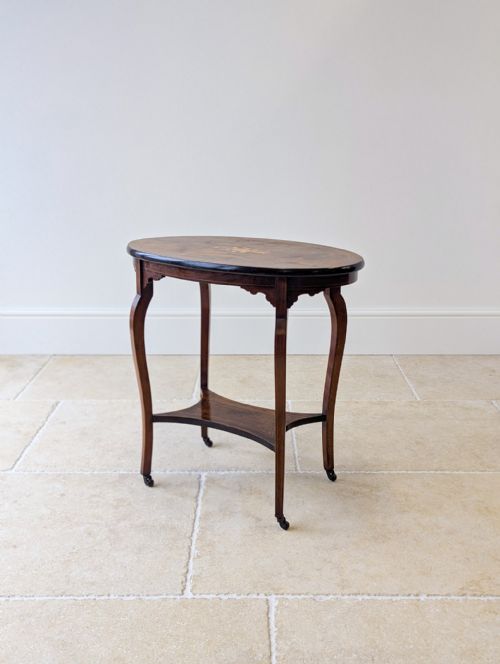
A dark wood tier table groups multiple surfaces vertically, serving practical display needs across various rooms. When searching for a dark wood tier table, buyers encounter forms spanning side tables, occasional tables, etageres, and dumb waiters.
The selections span distinct historical periods, with Edwardian, Victorian, and 18th-century examples appearing frequently. Makers utilised durable timbers to construct these stacked formats for holding books, plants, and decorative objects.
Maligning simple side stands, the multi-tiered formats provide expanded surface area within a compact footprint. These pieces emerge in styles ranging from Georgian and Regency to Arts and Crafts and Art Deco.
Materials and construction methods
Makers relied heavily on dense hardwoods, employing mahogany, rosewood, walnut, and oak to build the primary structures. These rich timbers provided the necessary strength to support multiple stacked platforms without sagging.
Brass fittings and metal elements frequently reinforced joints, corners, and castors on finer examples. Workshops applied traditional joinery techniques to secure each tier firmly to central columns or upright supports.
Dark Wood Tier Table Retail Price Guide 2026
Typical asking prices for dark wood tier table among the pieces listed under this phrase on Sellingantiques today, from the lower quarter to the upper quarter. They describe what is for sale here now, not the wider market.
Listings feature mahogany, rosewood, walnut, and oak across Victorian, Edwardian, and 18th-century periods.
Distinctions in craftsmanship
Superior examples demonstrate meticulous timber selection, displaying cohesive grain patterns across every separate tier. Finer pieces incorporate refined turning, balanced proportions, and robust structural joinery that withstands daily use.
Simpler workshop output relies on plain utility timbers with minimal decorative enhancement or standard assembly. The integration of quality secondary metals like brass elevates the overall refinement of the piece.
Liberty of London·William Birch
The Dark Wood Tier Table Glossary
- Tier table
- A furnishing featuring multiple stacked surfaces rising one above another. This design maximises display area while retaining a compact footprint.
- Etagere
- A set of open shelves or tiers used for displaying small objects and ornaments. These pieces often feature delicate upright supports.
- Dumb waiter
- A multi-tiered freestanding piece traditionally utilised for serving food or holding tableware. Each circular tier graduates in size from top to bottom.
- Whatnot
- An open shelved cabinet designed for storing and exhibiting books or ornaments. These multi-shelf pieces emerged during the Victorian era.
- Tripod
- A base supported by three legs, commonly found beneath circular tiers on small tables. This configuration ensures stability on uneven floors.
Dark Wood Tier Table: Frequently Asked Questions
Where should I place a tier table?
These stacked tables suit corners, beside seating, or flanking a fireplace where vertical display space proves useful.
Their compact footprints allow them to fit snugly into smaller rooms without crowding the floor area.
How do I care for antique wood?
Dust the surfaces regularly with a soft cloth and avoid placing timber furniture in direct sunlight. Applying occasional natural wax preserves the depth and sheen of the grain.
Keep these tables away from extreme temperature shifts and heating vents to prevent the timber from splitting.
Can these tables hold heavy objects?
Sturdy hardwood construction allows lower tiers to support heavier items like stacked books or ceramic bowls. Upper shelves suit lighter decorative objects and small lamps.
Ensuring the central column and leg joints remain tight maintains overall stability under load.
What defines an etagere?
An etagere consists of several open display tiers supported by slender uprights or columns. This format originated to showcase decorative porcelains and small ornaments.
Unlike standard side tables, the primary purpose remains exhibition rather than serving.