


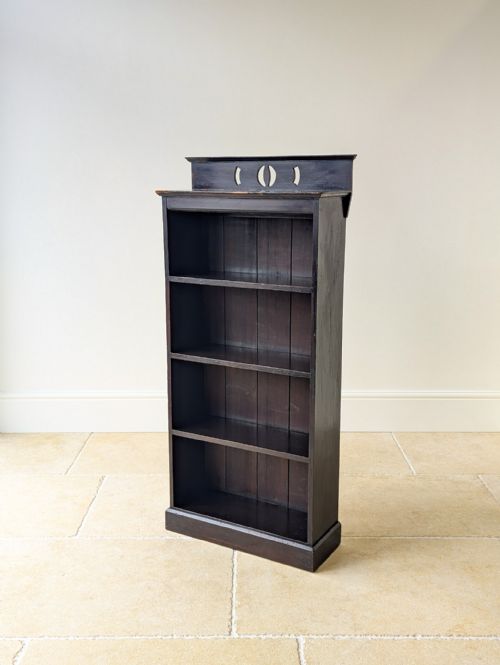

Victorian Display Stand
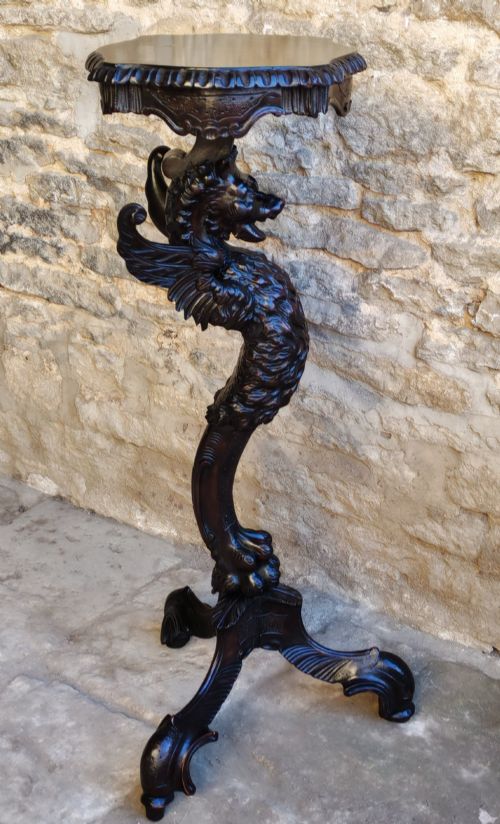
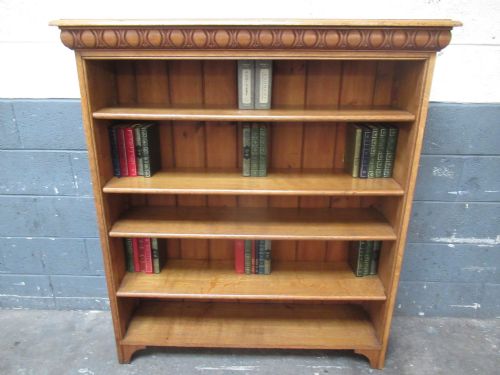
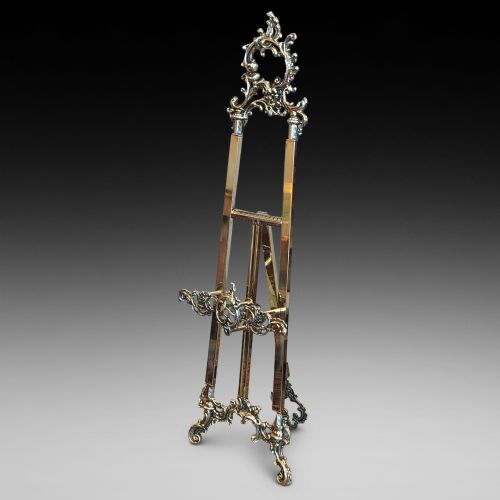
When you search for a victorian display stand, you uncover tier upon tier of timber furniture built to elevate objects.
Victorian Display Stand
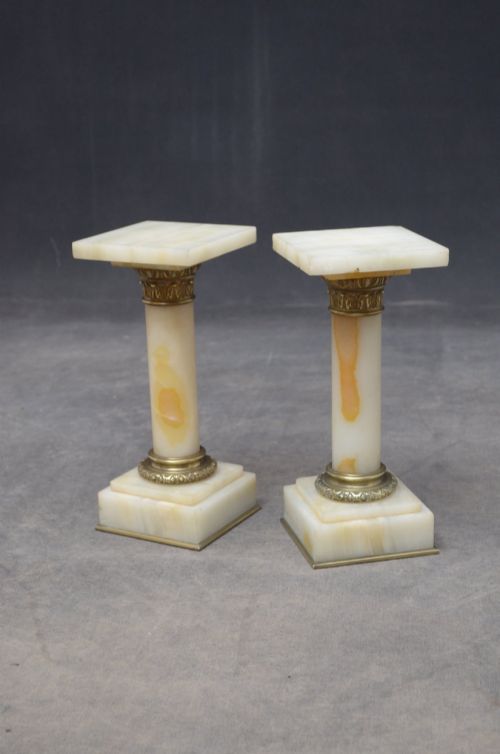
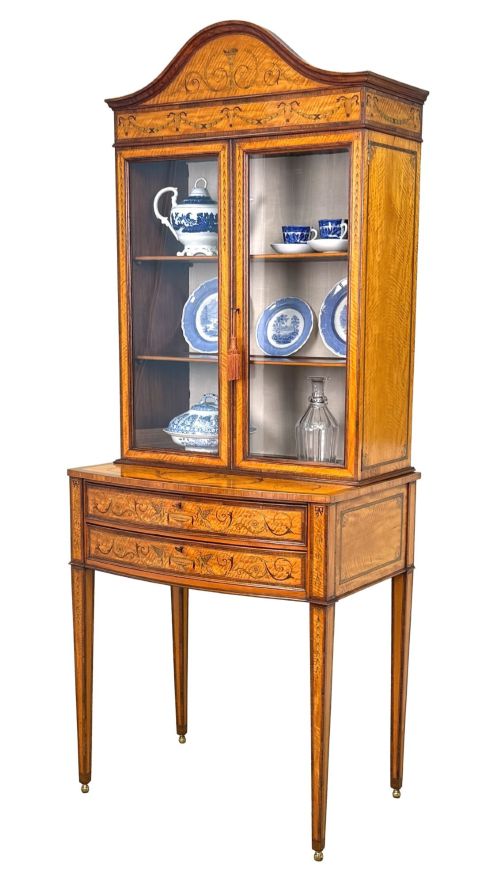
A victorian display stand encompasses open etageres, tiered whatnots, glass-fronted cabinets, and architectural columns designed to hold ornaments.
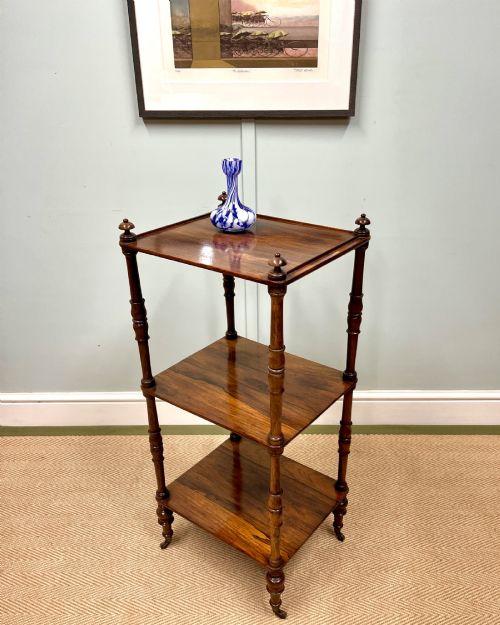
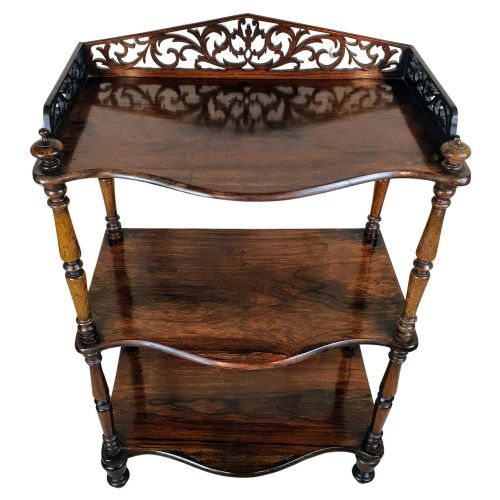
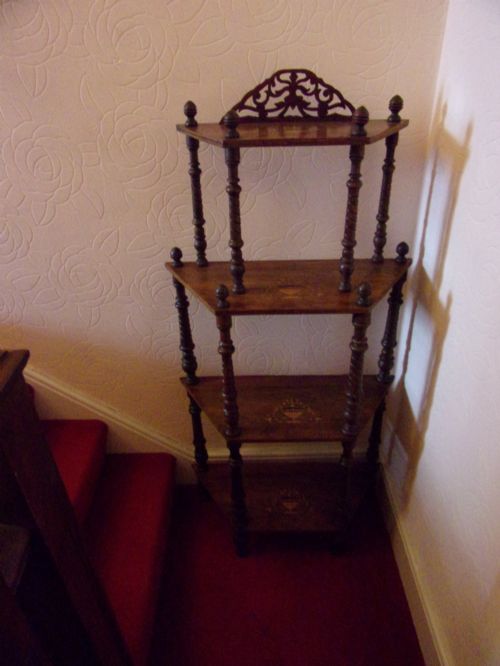
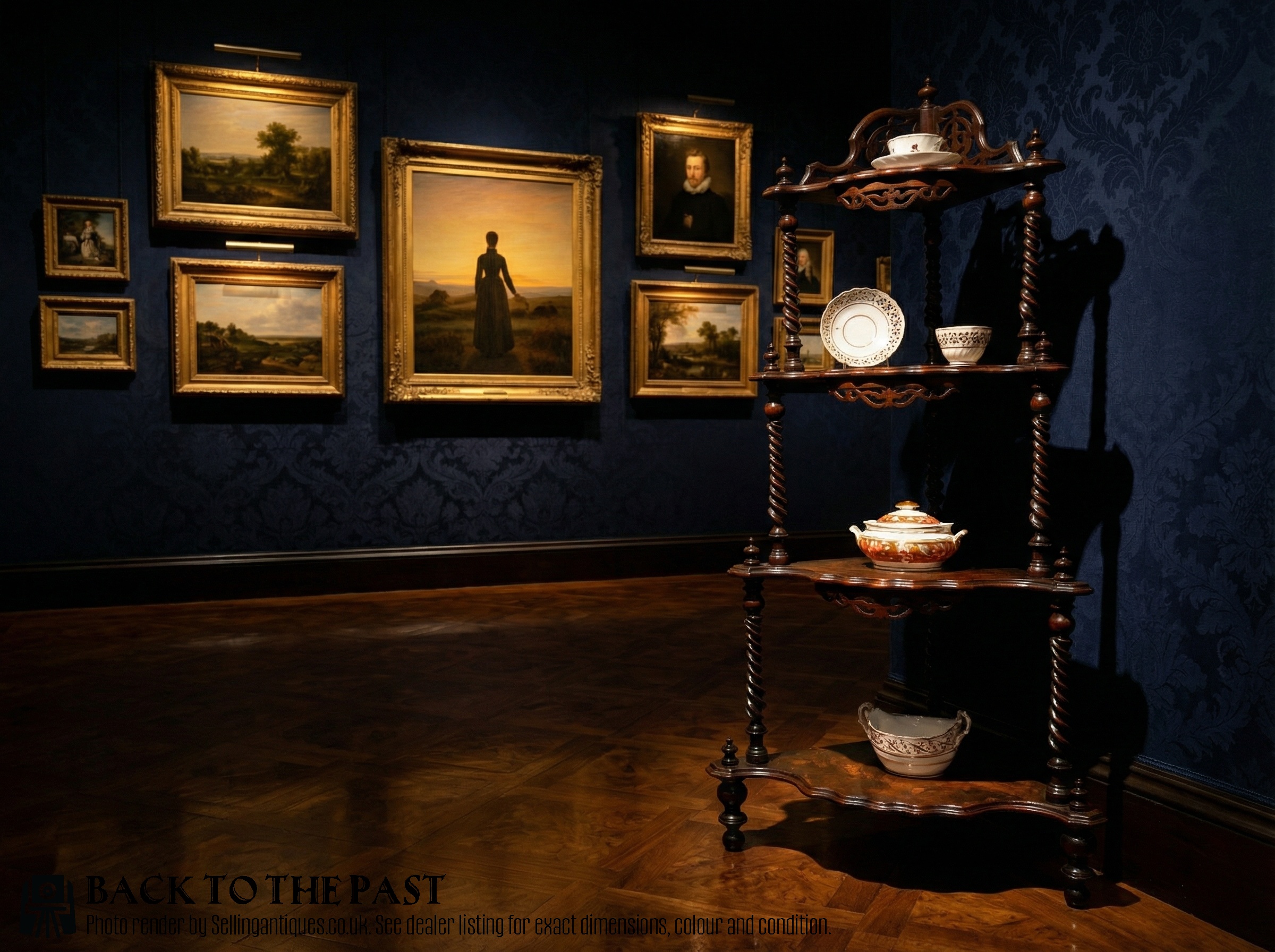
The version most commonly encountered is the multi-tiered whatnot in mahogany, walnut, or rosewood, offering stacked open surfaces for decorative items.
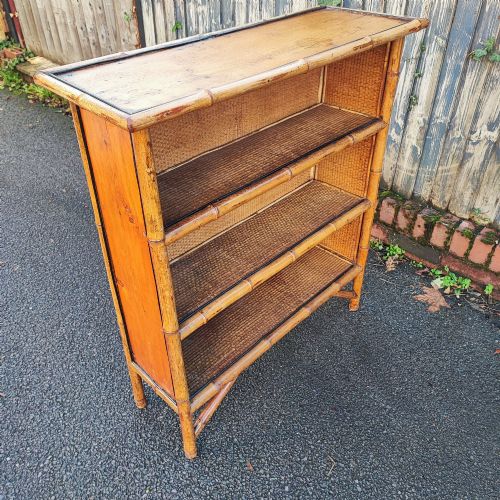
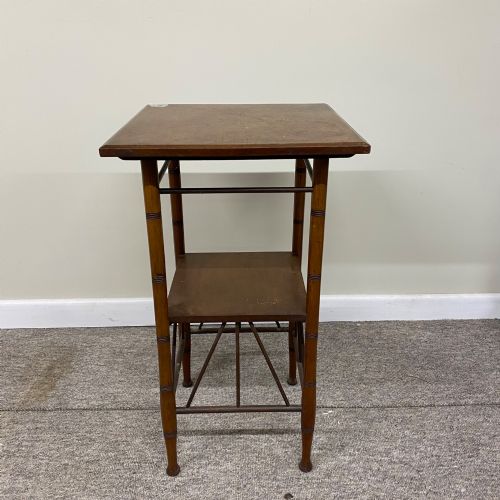
Makers of the period also adapted corner units, bamboo frames, and revolving stands to serve domestic display needs.
Materials and Joinery
Craftsmen relied on dense hardwoods like mahogany, walnut, and rosewood, frequently incorporating burr walnut veneers for rich surface figuring.
Structural uprights often featured turned barley twist columns, brass castors, and delicate fretwork galleries to contain the shelving tiers.
Inlaid details utilised satinwood, boxwood, and parcel gilding, while more rustic pieces employed oak, bamboo, or carved teak.
Victorian Display Stand Retail Price Guide 2026
Typical asking prices for victorian display stand among the pieces listed under this phrase on Sellingantiques today, from the lower quarter to the upper quarter. They describe what is for sale here now, not the wider market.
Listings demonstrate a strong preference for mahogany and burr walnut, alongside lighter bamboo and ebonised frames.
Assessing Excellence
Superior examples distinguish themselves through the depth of timber grain, particularly matched burr walnut or finely figured mahogany.
The refinement of turned elements, intricate marquetry inlays, and original castors separate standard utility pieces from high-status furniture.
Structural integrity matters deeply; high-quality stands maintain rigid tier alignment without sagging under the weight of porcelain or silver.
Gabriel Viardot·Collinson & Lock·Edwards & Roberts
The Victorian Display Stand Glossary
- Whatnot
- A set of open shelves standing on legs, designed for displaying ornaments and small possessions. It evolved during the nineteenth century into a staple multi-tiered furnishing.
- Etagere
- A piece of furniture consisting of a number of open shelves for displaying small articles. These French-influenced open frames provided lightweight elevation for delicate wares.
- Ormolu
- Gilt bronze mounts applied to furniture edges and columns. This decorative technique added metallic contrast to dark woods.
- Marquetry
- Decorative patterns formed by the insertion of pieces of wood, shell, or ivory into a veneered surface. Skilled cabinetmakers used contrasting timbers to create floral or geometric motifs.
Victorian Display Stand: Frequently Asked Questions
What is a whatnot?
A whatnot is a multi-tiered piece of open shelving designed specifically to hold ornaments, books, or collections in a Victorian parlour.
These versatile stands allowed homeowners to exhibit their curiosities across several levels without crowding table surfaces.
Where were display stands placed?
They typically occupied corners, empty wall spaces, or prominent spots in drawing rooms where natural light could catch displayed ceramics and glass.
Corner units made efficient use of awkward junctions, while freestanding etageres sat comfortably away from walls.
How do I care for timber shelves?
Keep nineteenth-century wooden furniture away from direct sunlight and sudden radiator heat to prevent veneer splitting and timber warping.
Regular dusting with a dry lint-free cloth preserves the polish without requiring heavy chemical waxes.
How do I date a stand?
Dating relies on identifying the primary timber, secondary woods, construction techniques, and stylistic influences such as Aesthetic Movement ebonising or heavy Victorian carving.
Comparing the turned uprights and castors to known dated examples helps narrow the decade of manufacture.