

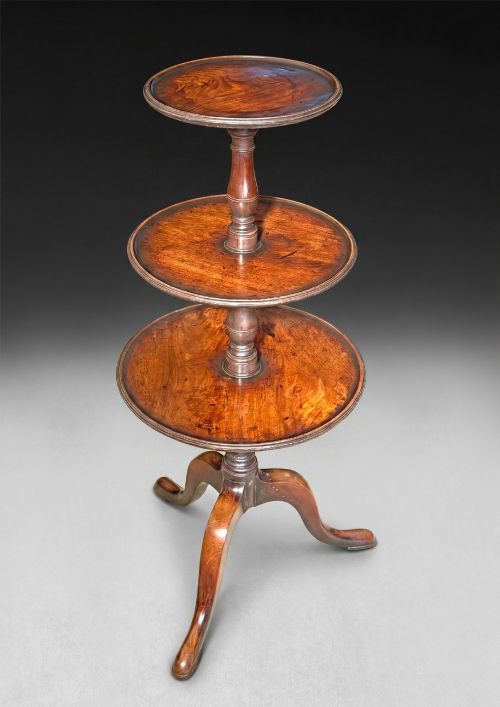


18th Century Dumbwaiter
An 18th century dumbwaiter is a tiered serving table designed to hold dishes and wine without servants present in the room.
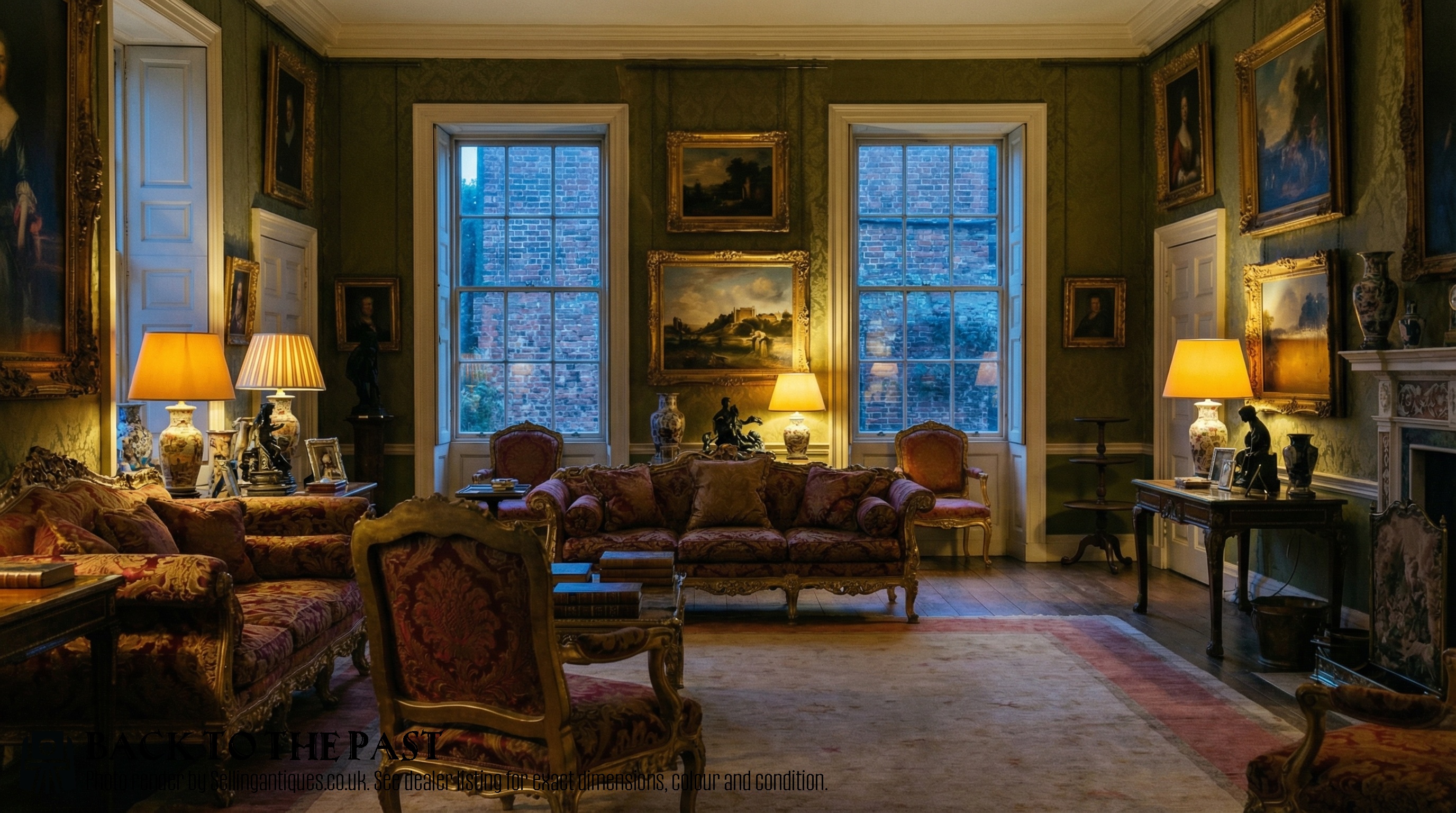
18th Century Dumbwaiter
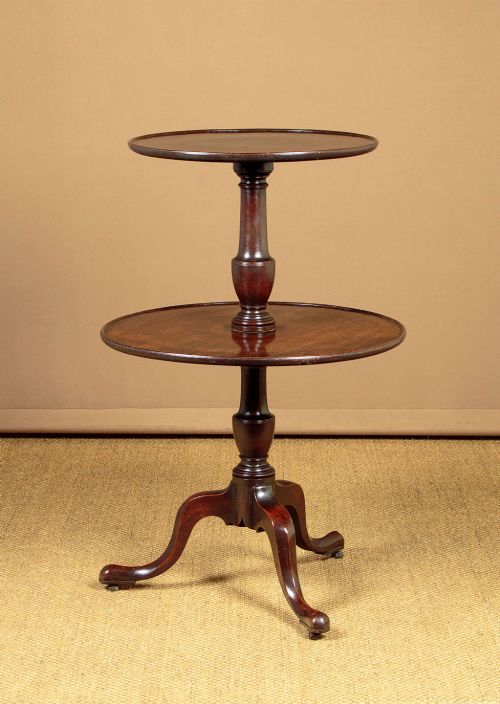
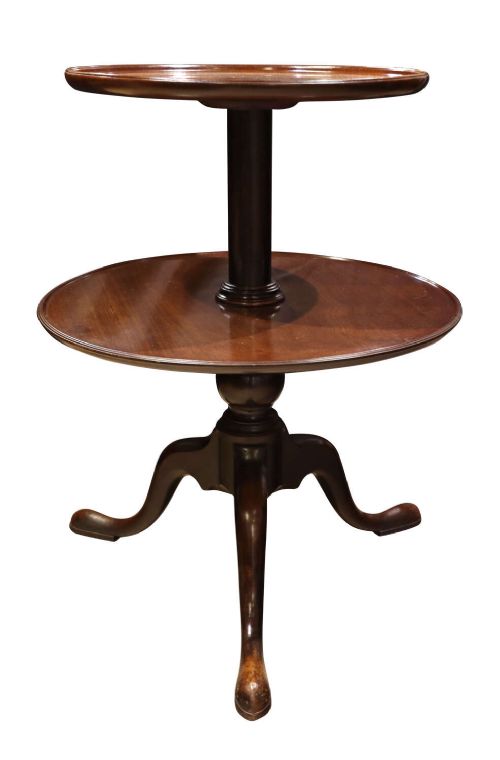
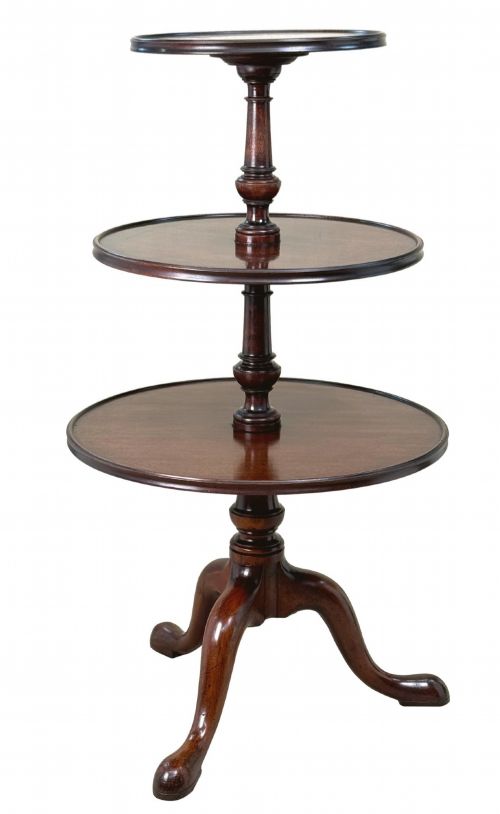
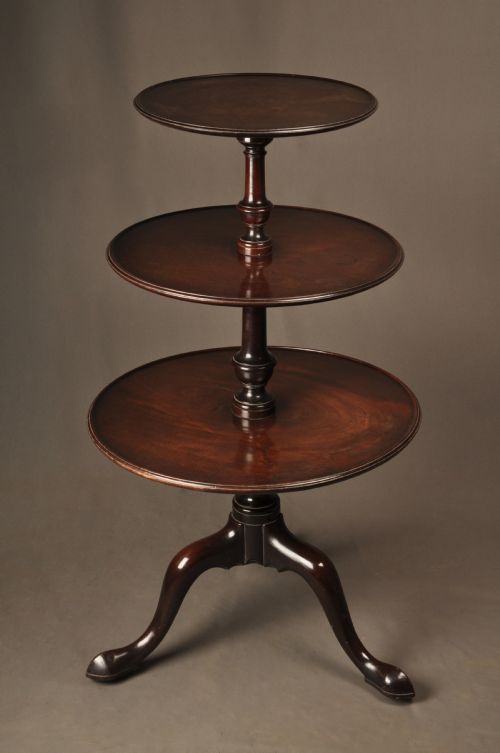
An 18th century dumbwaiter serves as a multi-level table designed to hold dishes and wine during formal meals without the presence of servants. These pieces most commonly appear from the Georgian and George III periods, constructed with stacked circular trays.
The format usually involves two or three graduated tiers rotating on a central pillar supported by tripod legs. Variations include folding designs with drop-leaf trays or hexagonal tops rather than standard round formats.
Makers of the era built these pieces primarily as occasional or side tables to assist dining arrangements in country houses and town residences. The surviving examples span the late 18th century into around 1800.
Materials and Construction
Mahogany and solid mahogany dominate the construction of these serving tables, providing the dense grain necessary for stable multi-tier support. Brass fittings often appear on the castors or hinges of folding mechanisms.
18th Century Dumbwaiter Retail Price Guide 2026
Typical asking prices for 18th century dumbwaiter among the pieces listed under this phrase on Sellingantiques today, from the lower quarter to the upper quarter. They describe what is for sale here now, not the wider market.
Current listings demonstrate a strong reliance on solid mahogany, with occasional examples incorporating brass hardware and delicate inlay work.
Separating Top Quality From Ordinary Examples
The degree of refinement in the timber grain and the precision of the rotating mechanism separate superior examples from standard ones. Superior pieces exhibit well-figured mahogany across every tier and sturdy tripod supports that hold heavy loads without tilting.
Unusual formats, such as folding actions or hexagonal tops, indicate higher ambition in the original commission. The elegance of the turned central pillar and the crispness of any edge moulding also determine the standing of the piece.
The 18th Century Dumbwaiter Glossary
- Dumbwaiter
- A tiered serving table with rotating trays mounted on a central column. This piece allowed diners to help themselves to courses without servants in the room.
- Etagere
- A set of open shelves or tiers used for display or serving. These pieces share the multi-level vertical format of dining tables.
- Tripod base
- A three-legged support structure underneath the central column. This arrangement provides stability on uneven floors.
- Drop-leaf
- A tabletop featuring hinged flaps that fold down when not in use. This mechanism appears on space-saving folding variants.
- Galleried
- A raised edge running around the perimeter of a tray or table top. This feature stops glasses and plates from sliding off during use.
18th Century Dumbwaiter: Frequently Asked Questions
What is an 18th century dumbwaiter used for?
These tiered tables held extra plates, glasses and wine bottles during meals. They allowed diners to serve themselves without attendants hovering.
The rotating trays meant food and drink could easily spin around the table to reach every guest.
How do I tell if a dumbwaiter is George III?
Look for dense mahogany timber, traditional tripod bases with pad or spade feet, and period joinery methods. The proportions tend to be elegant and functional.
Most genuine examples date from the late 18th century through to around 1800, often featuring two or three graduated circular tiers.
How do folding dumbwaiters work?
Folding versions feature hinged drop-leaf trays that tilt downwards against the central column when not in use. This clever mechanism saved valuable floor space in smaller dining rooms.
Brass hinges and folding brackets support the leaves securely when locked in the horizontal position.
Where should I place a dumbwaiter at home?
These pieces fit naturally beside a dining table, in a corner of a living room, or as a standalone serving surface in a hallway. Their tiered design provides display space without taking up excessive floor area.
They pair well with other Georgian furniture and traditional interior settings.