


Antique Dumbwaiter Table
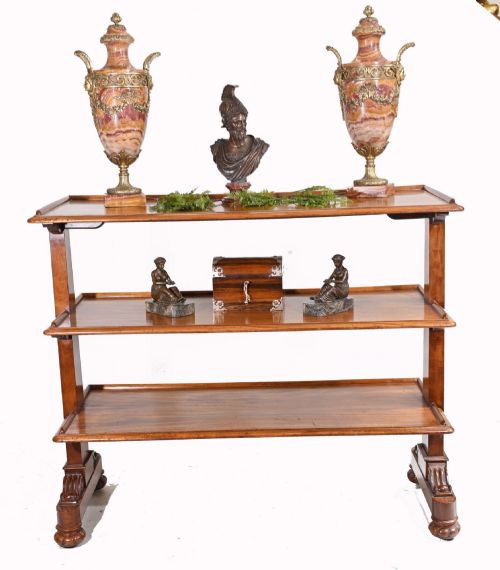
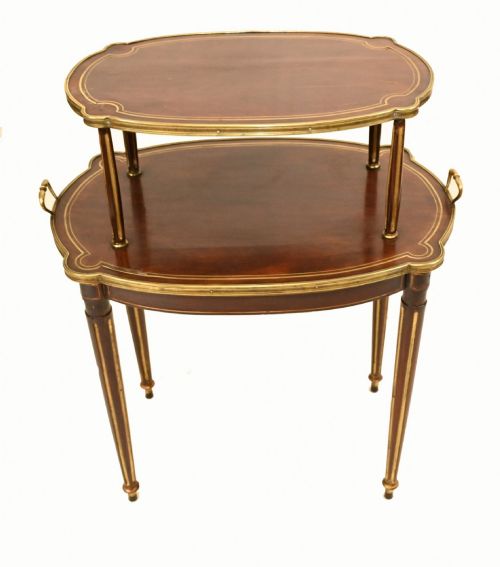
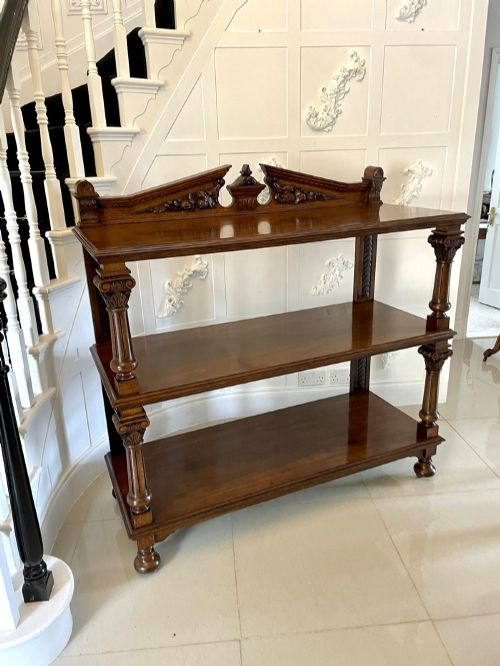
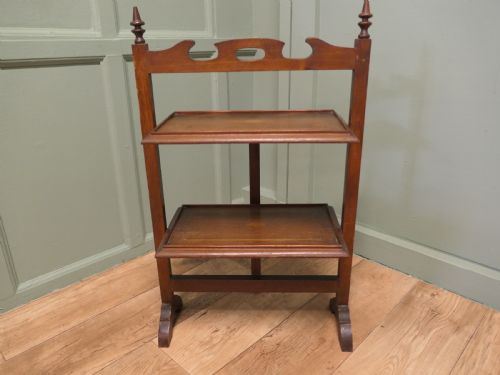
An antique dumbwaiter table is a tiered serving stand designed to hold dishes and wine without servants present.

Antique Dumbwaiter Table
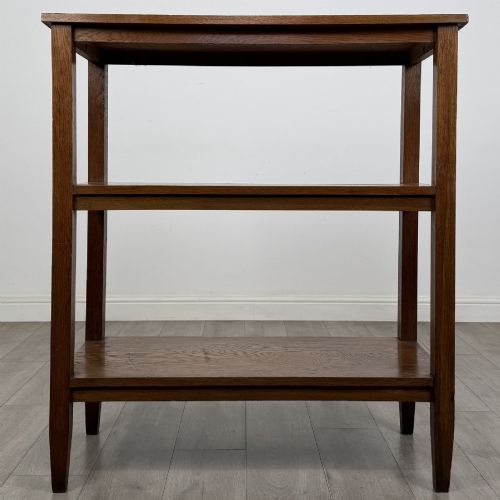
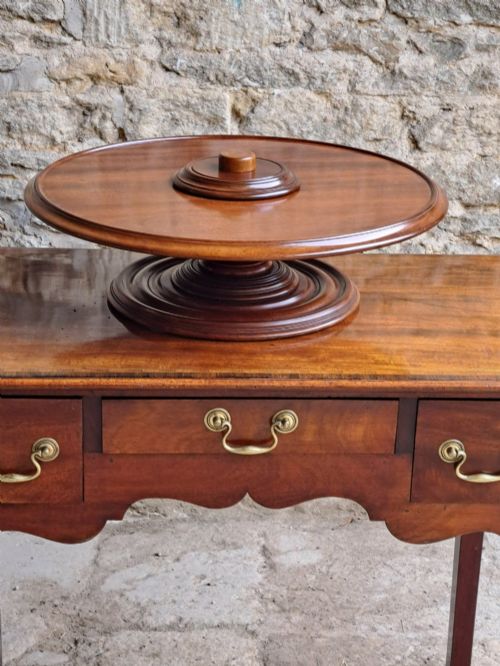
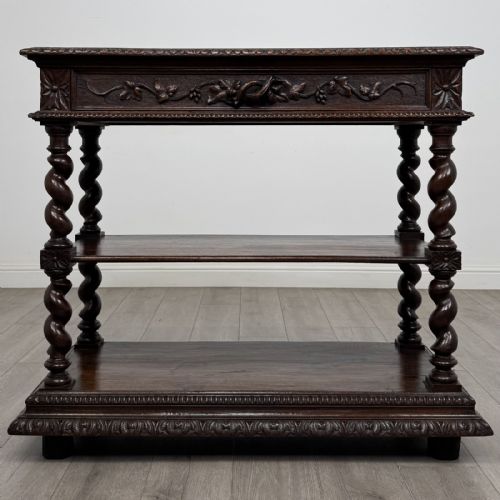
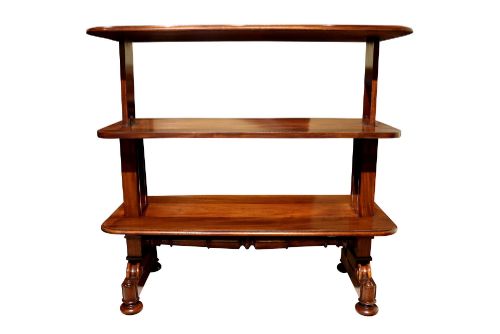
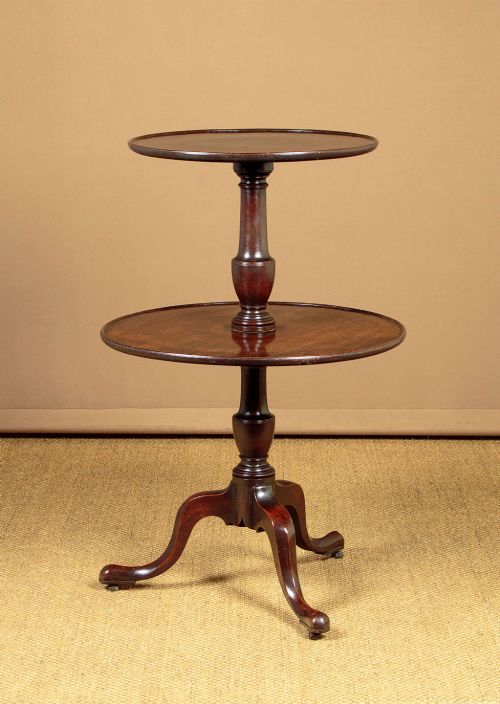
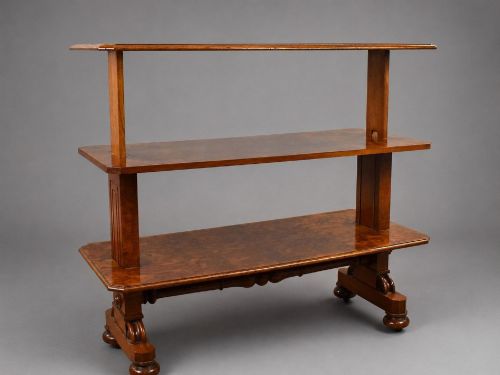
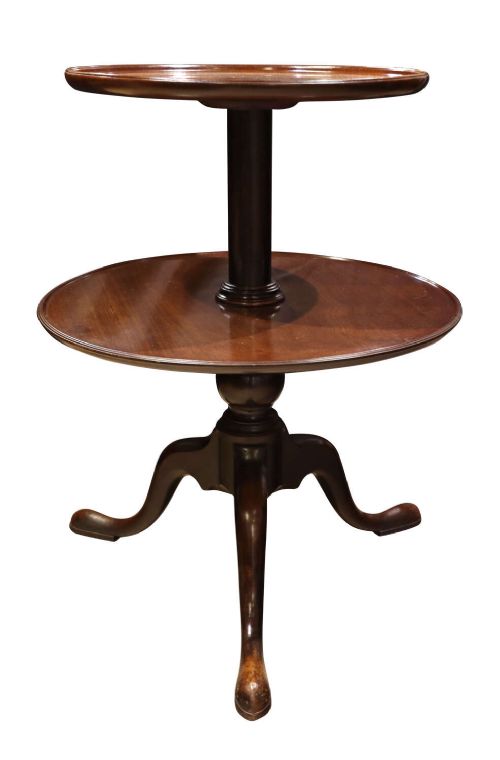
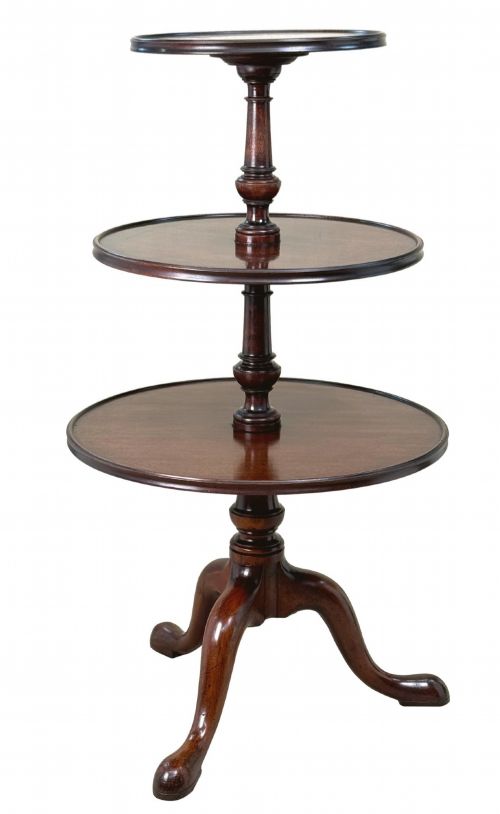
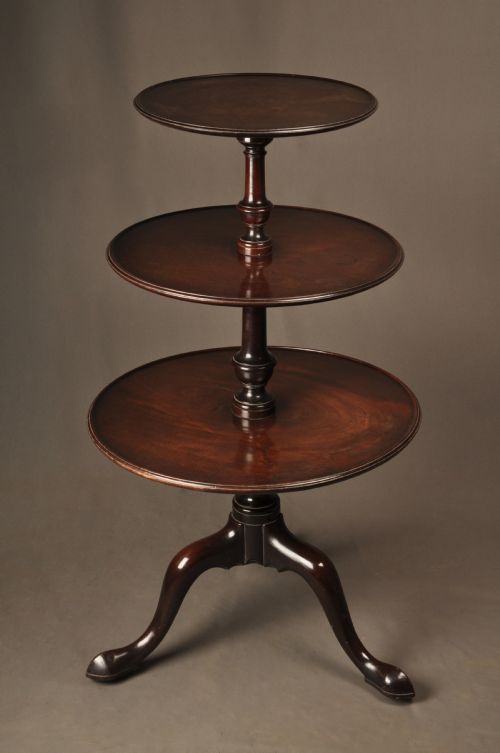
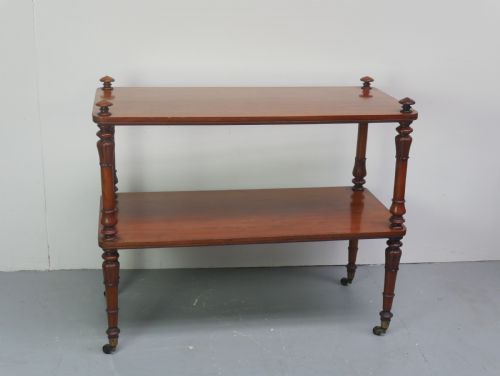
When you search for an antique dumbwaiter table, you encounter tiered serving stands designed for dining rooms and parlours. The pieces on this page span the eighteenth and nineteenth centuries, taking the form of multi-tiered circular trays on pedestals, occasional tables, side tables, and metamorphic buffets. Most examples date from the Georgian, Regency, and Victorian periods.
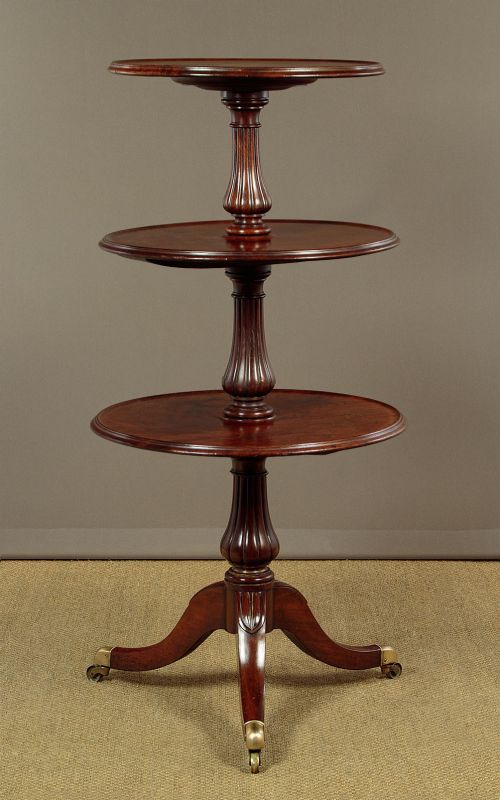
The most common versions met here are the multi-tier revolving dumbwaiters in solid mahogany or burr walnut, featuring graduated tiers supported on tripod legs. You also see folding variants, rise-and-fall mechanisms, and teak or oak iterations from later nineteenth-century workshops.
How they were made
Cabinetmakers constructed these tables primarily in dense hardwoods like mahogany, walnut, oak, and rosewood, often pairing them with brass castors and fittings. Timber selection mattered greatly for the stability of the central pedestal and the graduated revolving tiers.
Construction techniques included strong turned central columns, dovetail joints, and clever mechanical actions for telescopic or metamorphic pieces. Surviving examples demonstrate careful turning on lathes and precise fitting of rotating collars.
Antique Dumbwaiter Table Retail Price Guide 2026
Typical asking prices for dumbwaiter table among the pieces listed under this phrase on Sellingantiques today, from the lower quarter to the upper quarter. They describe what is for sale here now, not the wider market.
Listings feature pieces built from mahogany, walnut, oak, rosewood, teak, ceramic, and brass.
What varies in quality
Quality rests in the stability of the central column and the smooth rotation of the graduated tiers. Superior examples possess well-balanced tripod bases and finely turned pedestals that hold weight without wobbling.
The choice of timber grain, such as figured mahogany or burr walnut, dictates the visual distinction of the piece. Better proportioned tiers and original brass castors elevate a dumbwaiter above standard utility furniture.
The Antique Dumbwaiter Table Glossary
- Dumbwaiter
- A multi-tiered serving table used in dining rooms to hold food, glassware, and wine. These pieces allowed diners to serve themselves without servants in attendance.
- Tripod
- A base comprising three supporting legs radiating from a central pillar. This design provides steady footing on uneven historic floorboards.
- Tier
- An individual shelf or tray level on a multi-level table. Dumbwaiters typically feature two or three graduated tiers.
- Etagere
- A set of open shelves or tiers for displaying or holding small objects. These share the multi-level format seen on many dumbwaiters.
- Metamorphic
- Furniture designed to fold, raise, or alter its form for different functions. Victorian examples often utilise telescopic mechanisms.
Antique Dumbwaiter Table: Frequently Asked Questions
What is an antique dumbwaiter table used for?
These tables served dining rooms by holding extra plates, cutlery, and wine bottles. They kept provisions within arm's reach during meals.
Today, collectors use them as prominent side tables in living spaces or as traditional serving stands.
How do I identify a Georgian dumbwaiter?
Georgian examples typically feature rich mahogany timbers, tripod pedestal bases, and graduated circular tiers. Their proportions remain clean and restrained.
They rely on traditional joinery and often incorporate revolving mechanisms for easy access to dishes.
What is a metamorphic dumbwaiter?
A metamorphic piece includes mechanical parts that adjust height or fold away flat. Victorian makers favoured these clever designs.
They allow the table to transform from a compact stand into a multi-tiered server.
How do I live with a tiered table?
Place the table where its revolving tiers can move freely without obstruction from walls or chairs. It works well beside a sofa or in a dining corner.
Avoid placing extremely heavy items on the top tray to maintain balance on the central pedestal.