


Antique Buffet Stand
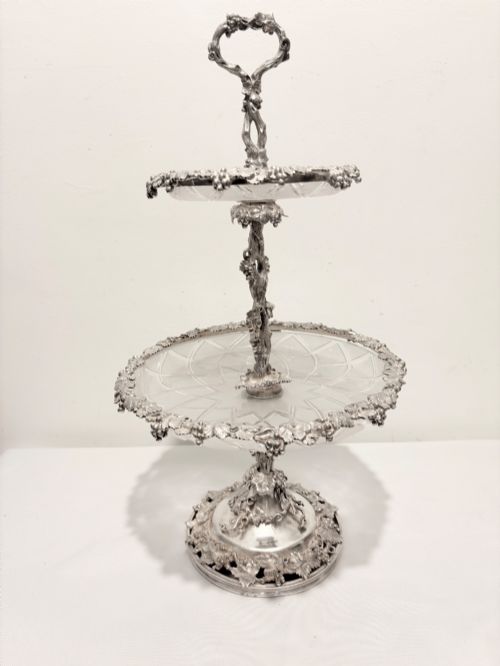
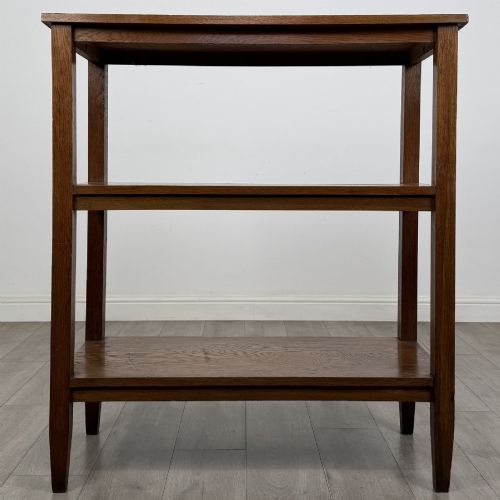
An antique buffet stand is a tiered serving piece or cabinet designed to hold dining ware, and collectors seek them for their timber grain and practical tier construction.
Antique Buffet Stand
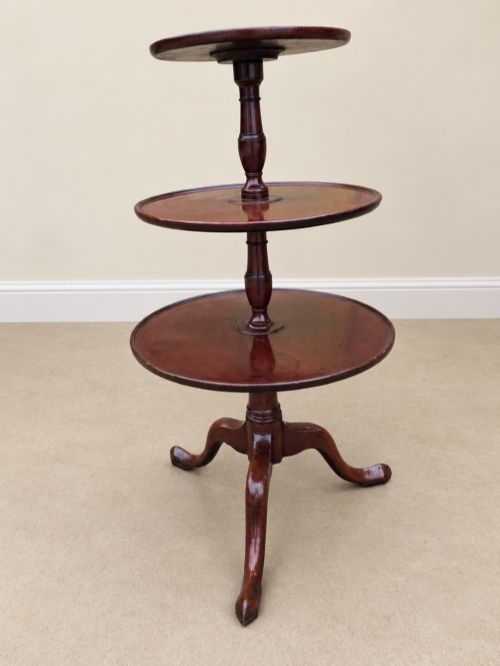
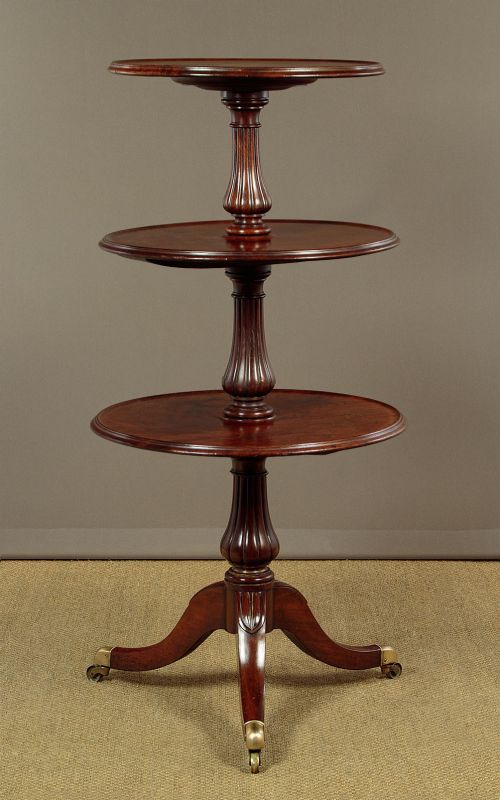
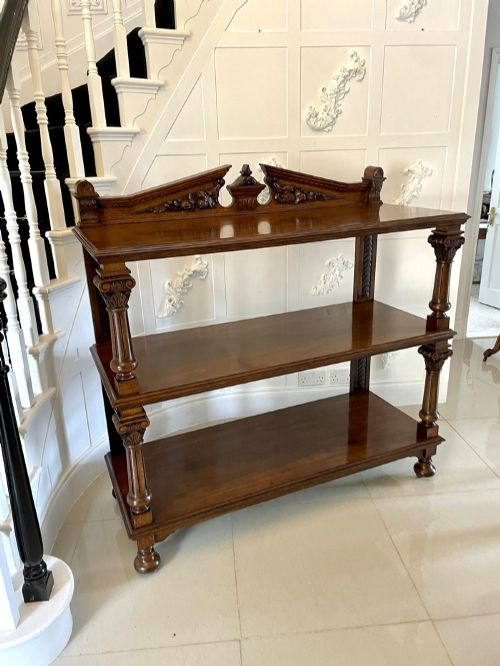
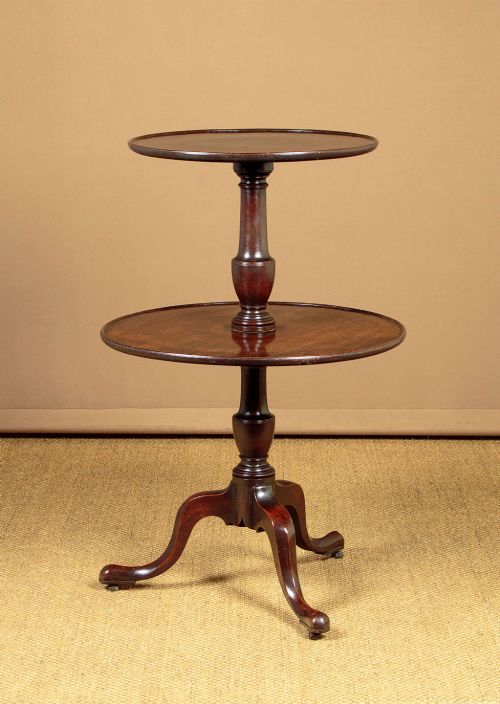
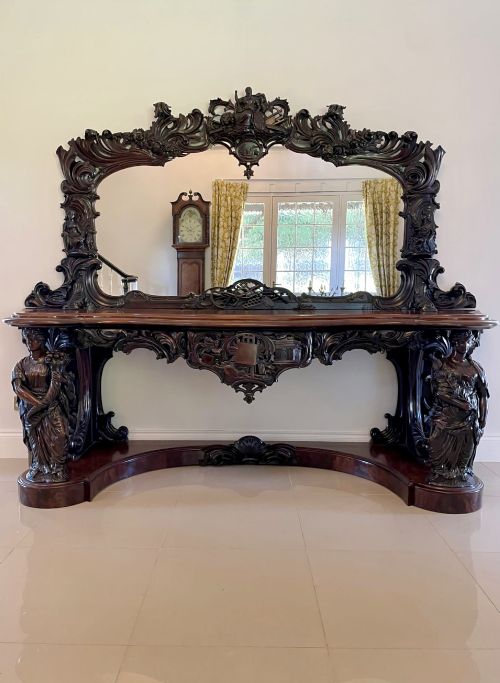
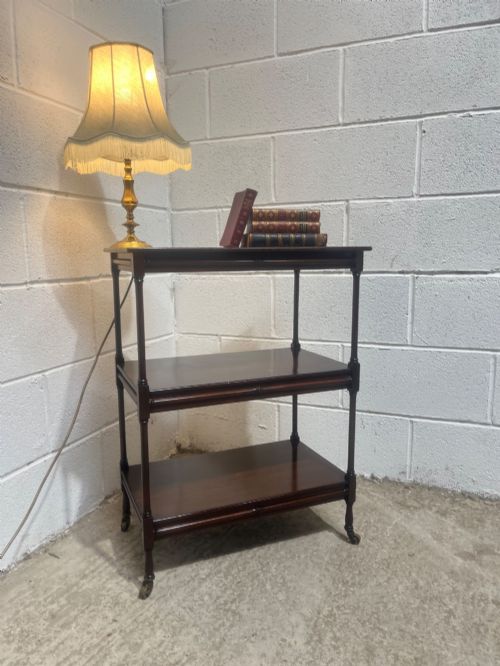
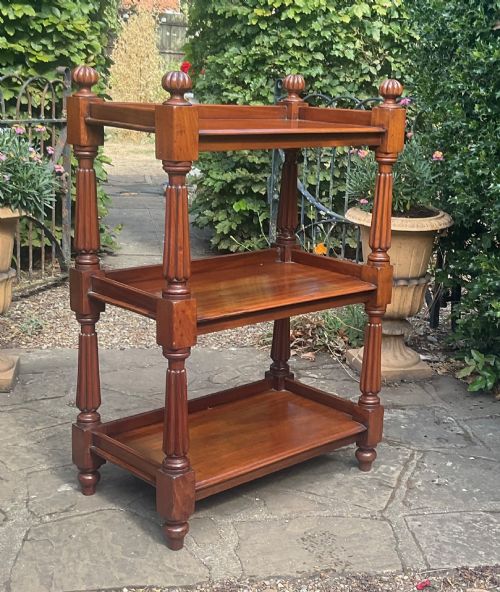
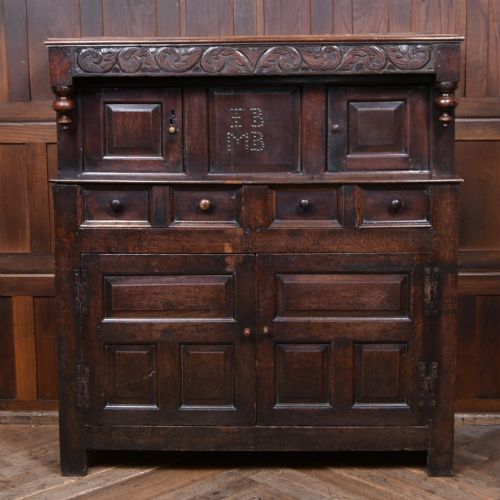
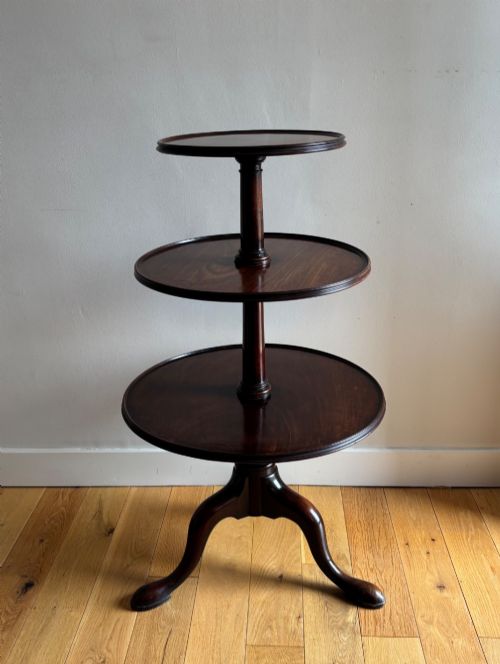
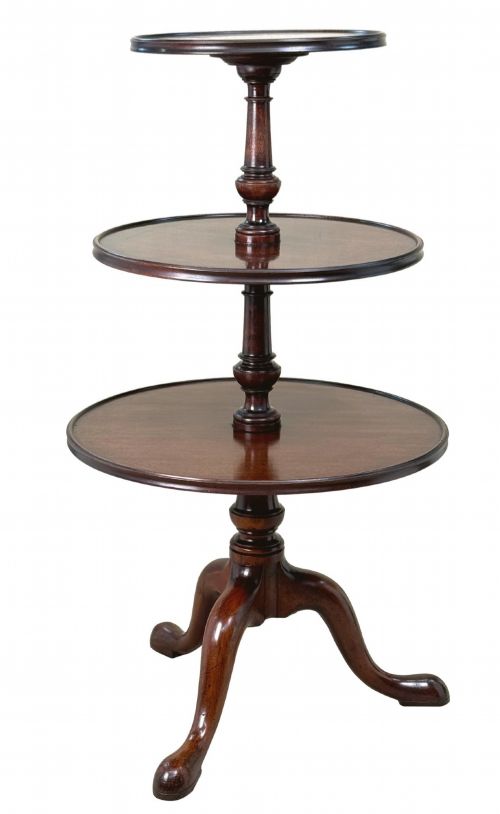
When searching for an antique buffet stand, buyers encounter a mix of tiered serving pieces, revolving dumb waiters, and heavy oak court cupboards spanning multiple centuries. The selection on this page leans heavily toward mahogany and oak forms, ranging from simple Georgian three-tier round servers to elaborate Victorian revolving structures.
Makers and cabinetmakers built these pieces to assist with dining room service or to display household goods in formal settings. The forms shift from late seventeenth-century standing livery cupboards to slender nineteenth-century étagères and multi-tiered trolleys.
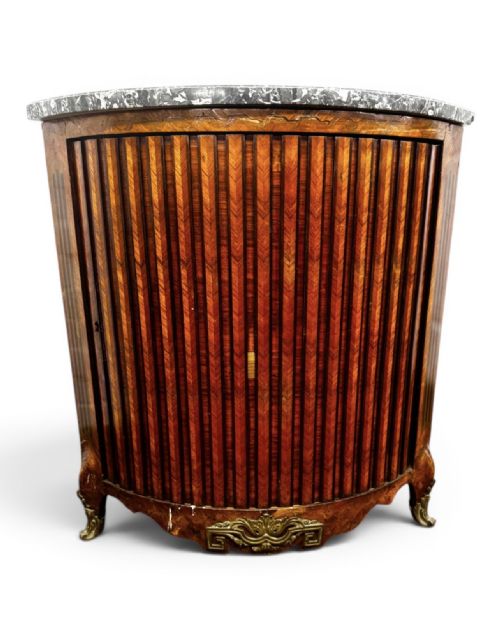
Buyers also find occasional side tables, console tables, and cabinets constructed from walnut, rosewood, and ebonised wood. These pieces reflect shifting domestic habits, moving from heavy provincial storage to graceful tiered dining room furniture.
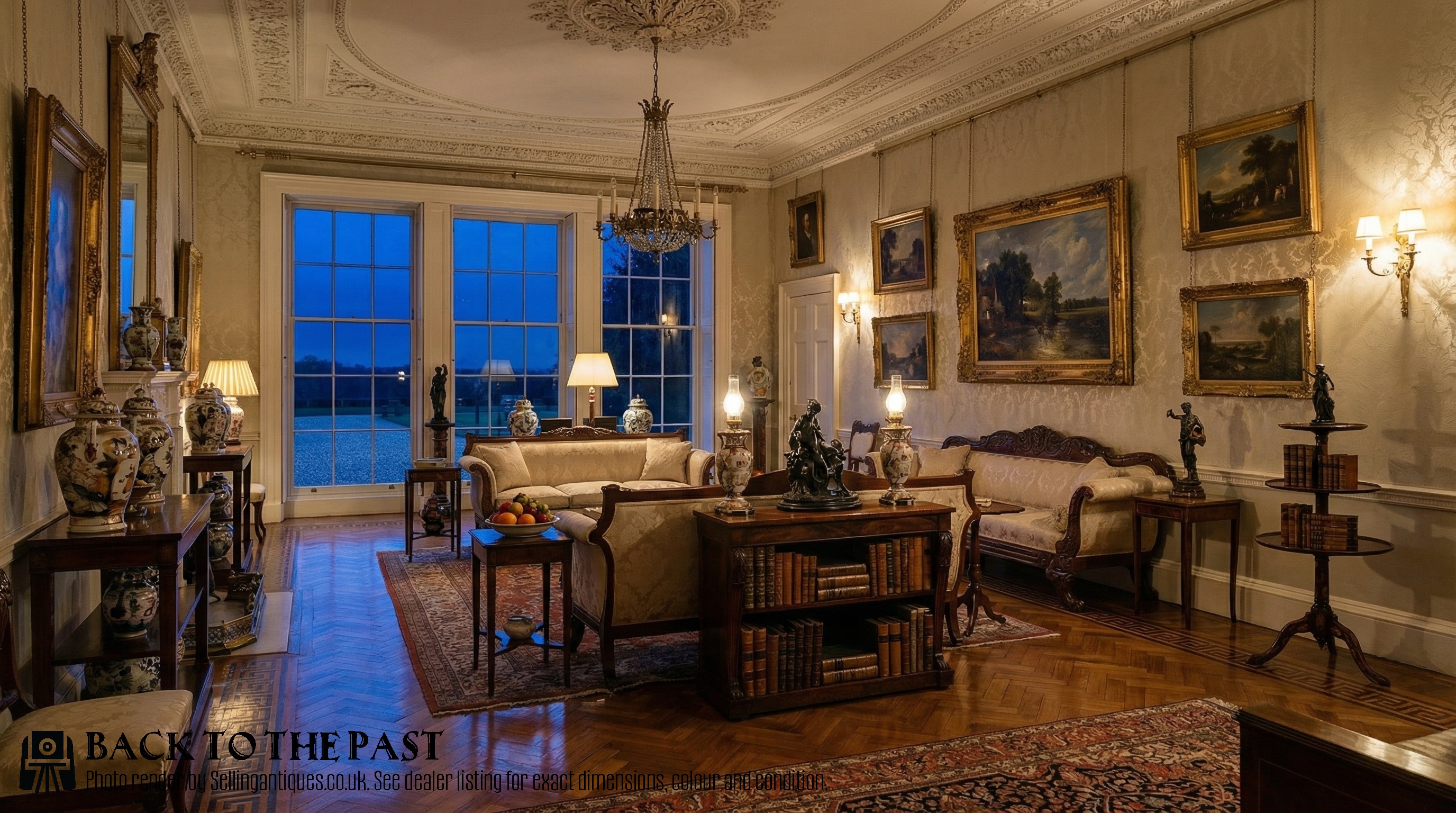
How They Were Made
Makers relied primarily on figured mahogany and solid oak, shaping timber with hand planes and securing structural joints with traditional pegging and dovetailing. Brass fittings, castors, and hinges appear frequently on revolving and folding models to facilitate movement.
Surface treatments included wax polishing over natural grain and ebonising techniques to imitate more costly exotic woods. Carving ranged from deep geometric panels on seventeenth-century oak cupboards to delicate turned columns on Regency tiered tables.
Antique Buffet Stand Retail Price Guide 2026
Typical asking prices for buffet stand among the pieces listed under this phrase on Sellingantiques today, from the lower quarter to the upper quarter. They describe what is for sale here now, not the wider market.
Object forms on this page include revolving dumb waiters, court cupboards, tiered trolleys, and folding side tables.
What Varies in Quality
The degree of hand-carved detail and the selection of timber veneers set finer examples apart from utilitarian workshop pieces. Grain matching across revolving tiers and the retention of original brass castors indicate superior original manufacture.
Structural integrity in the central rotating mechanisms and the crispness of turned wood columns determine the standing of an individual piece. Pieces retaining their original patination and unblemished timber surfaces represent the upper tier of the market.
gillows·Gordovil Spain
The Antique Buffet Stand Glossary
- Dumbwaiter
- A multi-tiered piece of dining furniture designed to hold plates, glasses, and food without domestic servants present. These typically feature graduating circular trays supported on a central pillar with tripod legs.
- Court cupboard
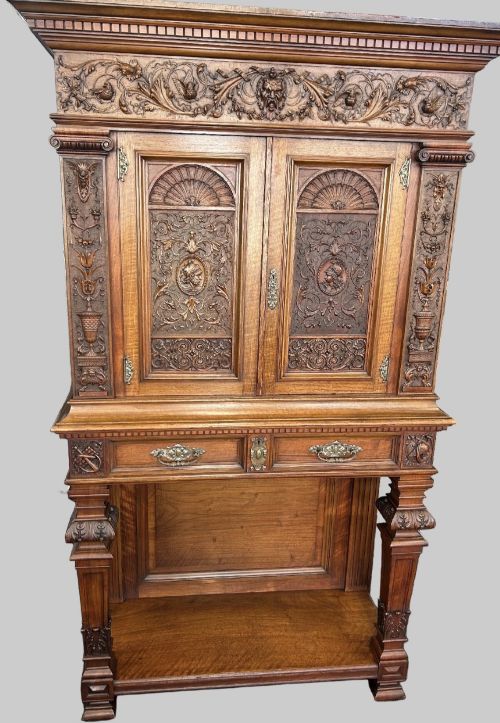
- A heavy oak storage piece originating in the seventeenth century, built with enclosed upper and lower sections. These often display carved friezes and panelled doors.
- Étagère
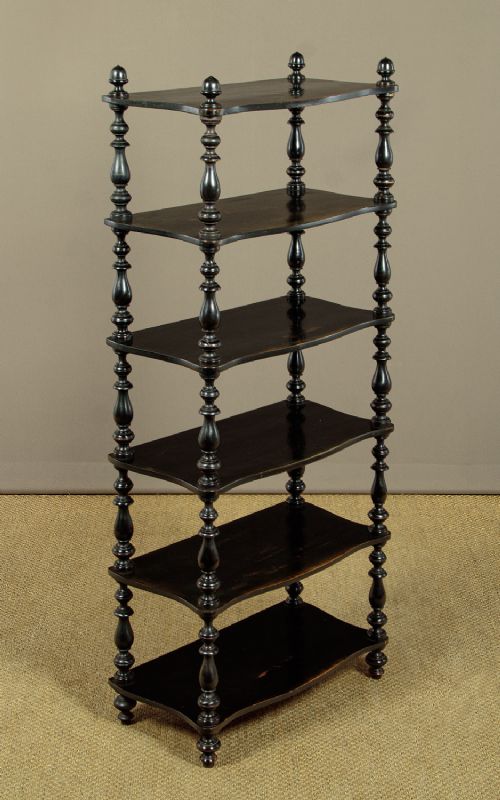
- A set of open shelves or tiers used for displaying small objects or serving items. The form became particularly popular during the nineteenth century in mahogany and walnut.
- Whatnot
- A piece of freestanding furniture consisting of several shelves above one another for displaying ornaments or books. They share a similar vertical tiered profile with standard buffet stands.
- Ebonised wood
- Timber treated with a chemical stain or pigment to imitate ebony. This finish was widely utilised during the Victorian and Aesthetic Movement periods.
Antique Buffet Stand: Frequently Asked Questions
What is an antique buffet stand used for?
These pieces served historical dining rooms by holding extra plates, dishes, and serving utensils during long meals. Today, they function as practical display surfaces or serving stations in modern dining spaces.
Their multi-tiered designs allow for vertical storage without occupying excessive floor space.
How do I date an antique buffet stand?
Dating relies on identifying the primary timber, construction methods, and overall stylistic period. Georgian and Regency pieces typically show lighter mahogany framing with delicate turning, while seventeenth-century examples utilise heavy panelled oak.
Examining secondary woods inside drawers and the wear patterns on the feet provides further clues to age.
Are revolving dumb waiters stable?
Most revolving tiers are mounted on a heavy central pillar supported by robust tripod legs designed to prevent tipping. The stability depends on the tightness of the central pivot and the weight distribution across the shelves.
Careful balancing ensures the tiers turn smoothly without wobbling.
Where should I place a buffet stand?
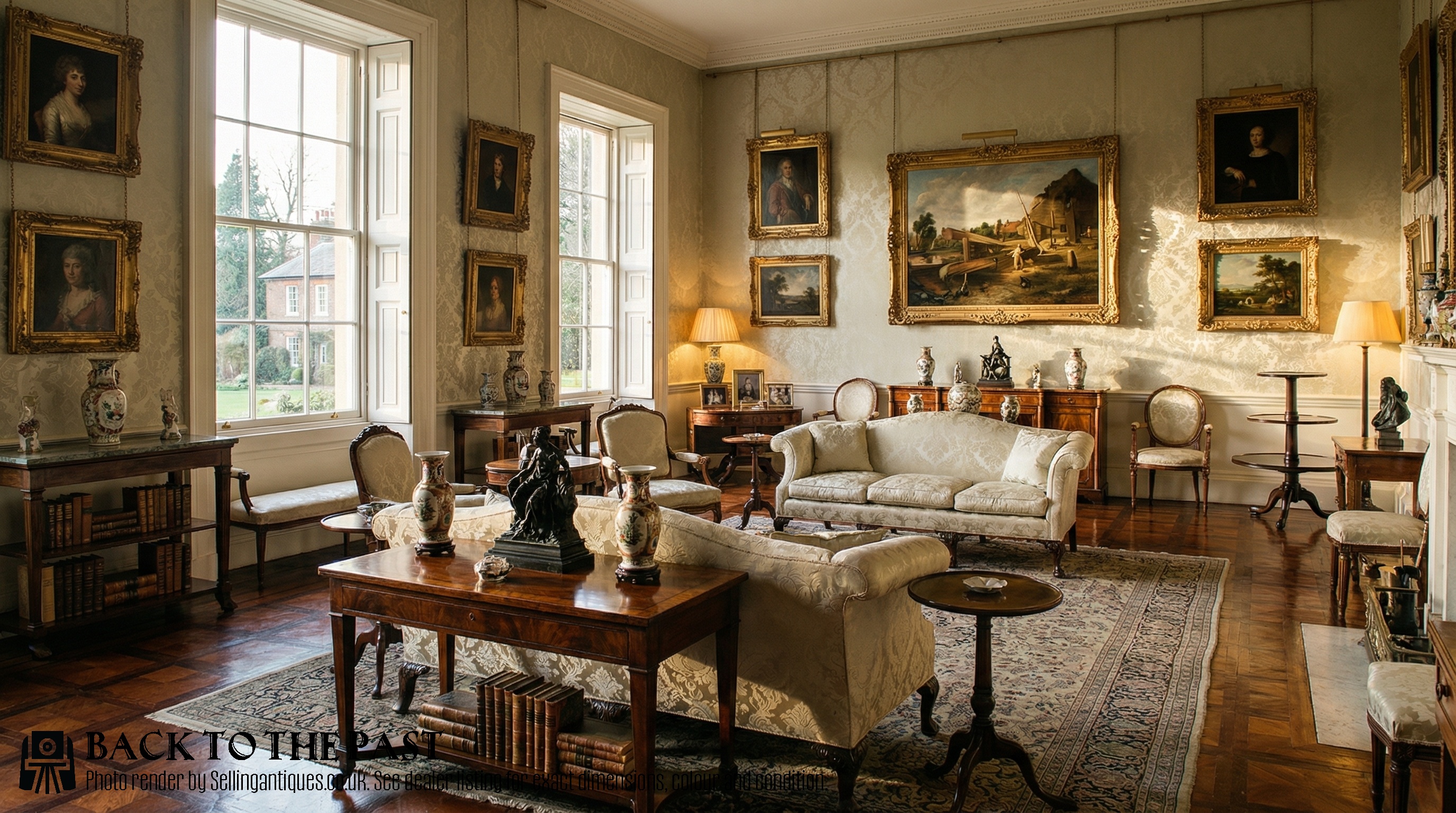
They suit dining rooms, hallways, or large living areas where vertical display or serving space is required. Compact tiered models fit well in corners or against narrower walls.
Keeping them away from direct heat sources protects the antique wood and polish.