
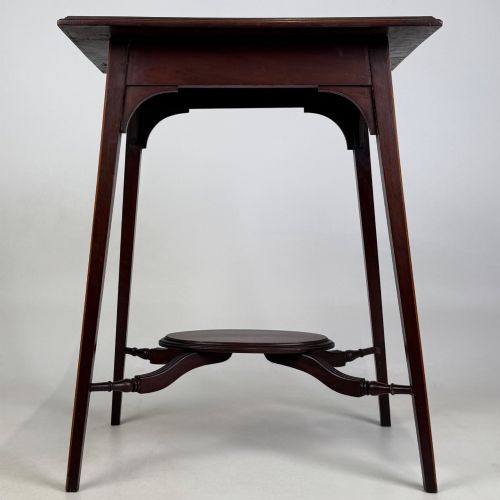
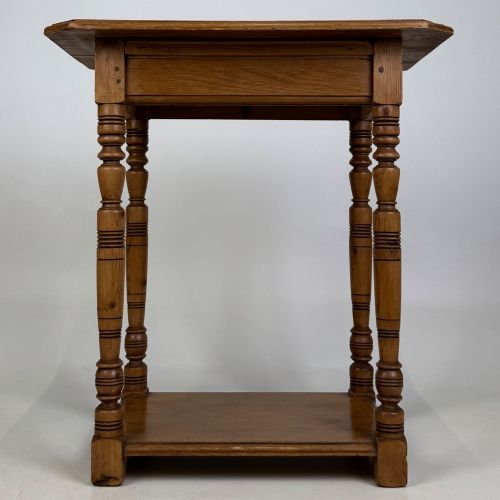
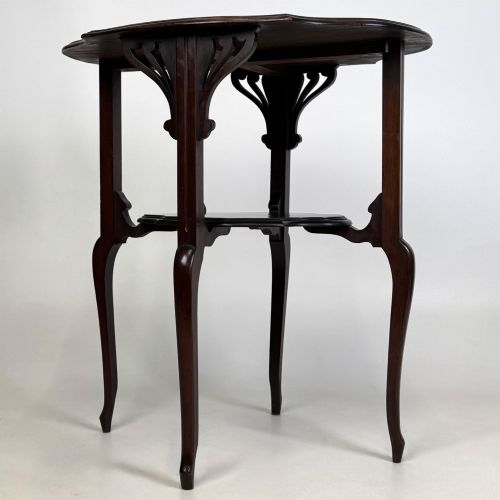
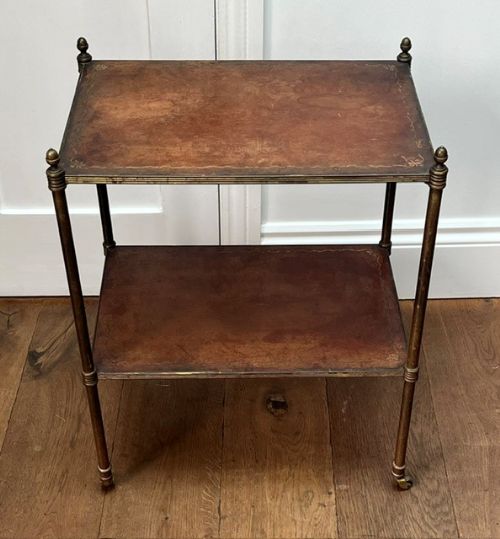
Vintage Two Tier Table
A vintage two tier table brings practical surface space and layered display to a room without crowding the floor.
What these pieces are
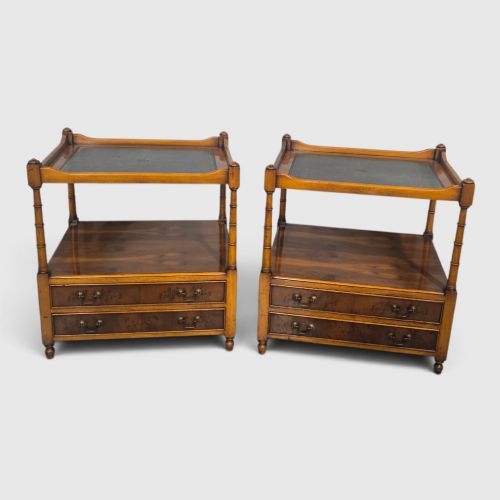
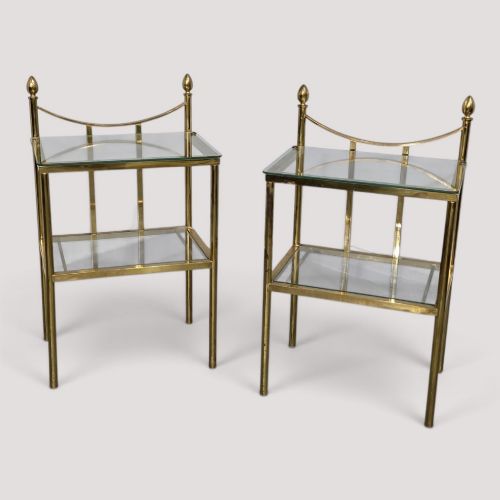
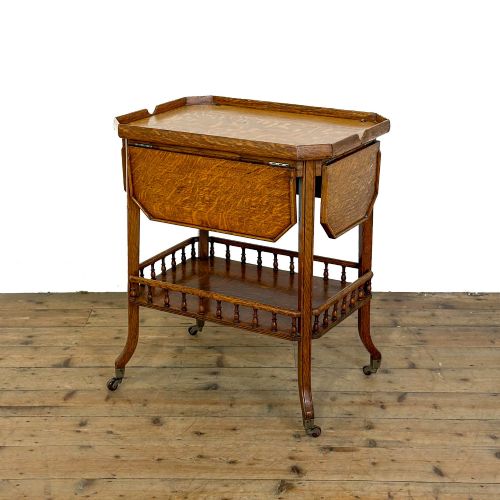
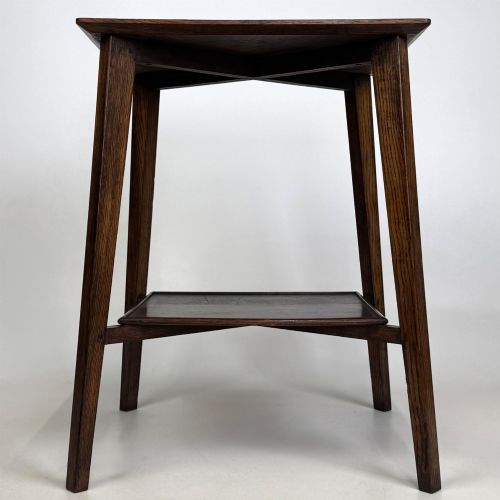
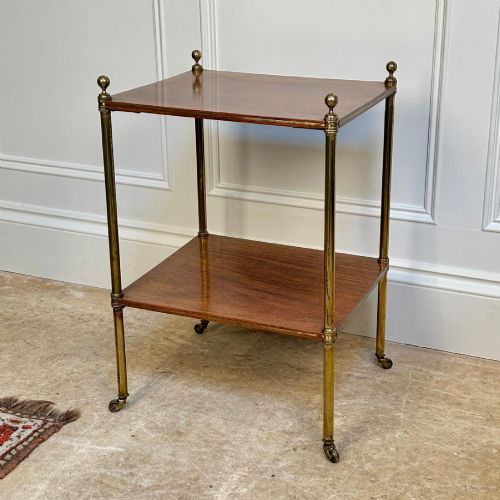
A vintage two tier table provides two distinct surfaces for holding books, lamps or decorative objects within a compact footprint. These pieces range from refined occasional and side tables to low coffee tables designed for everyday use.
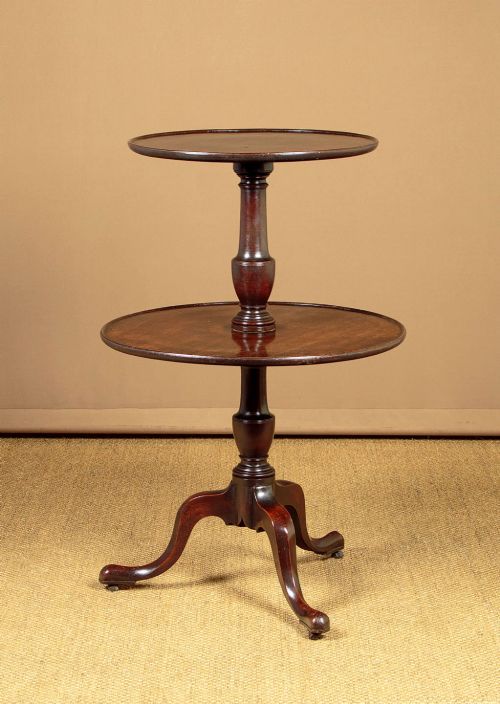
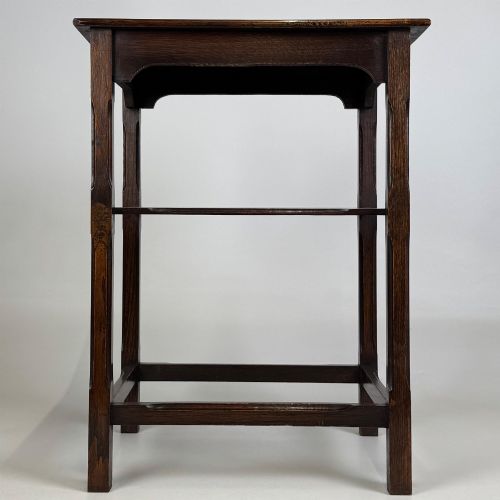
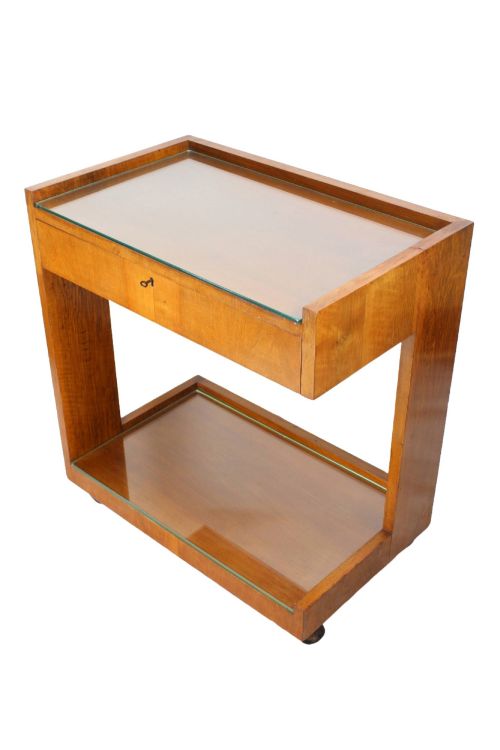
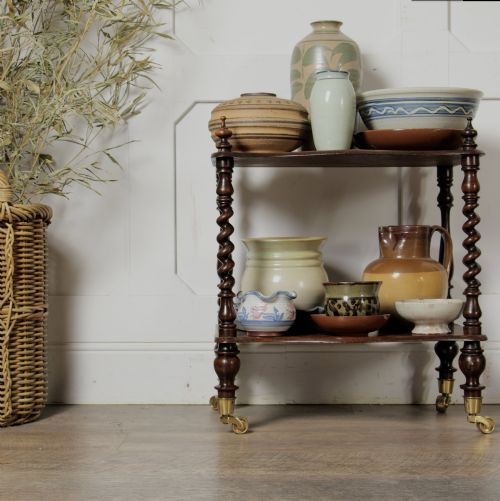
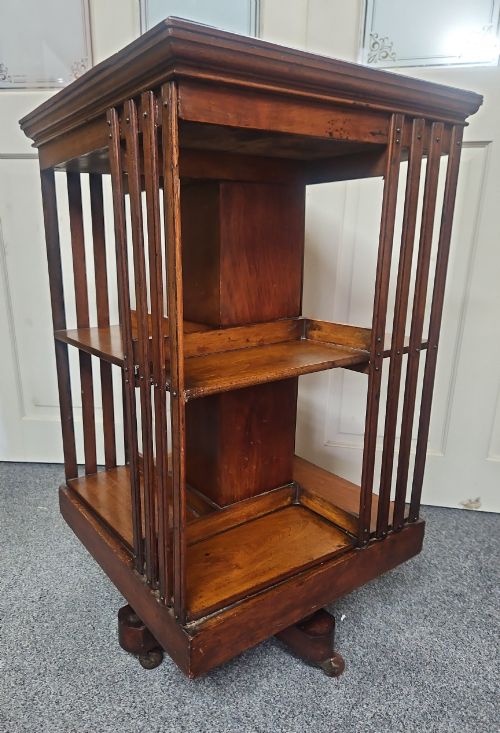
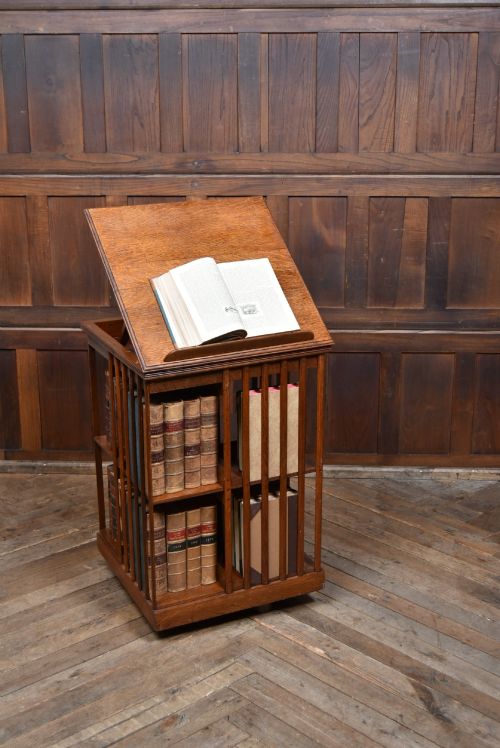
The selections span several distinct periods including the Edwardian era, the Art Deco period, and the nineteenth century. Common forms incorporate oval etagere designs, folding dumbwaiters, and oak book tables.
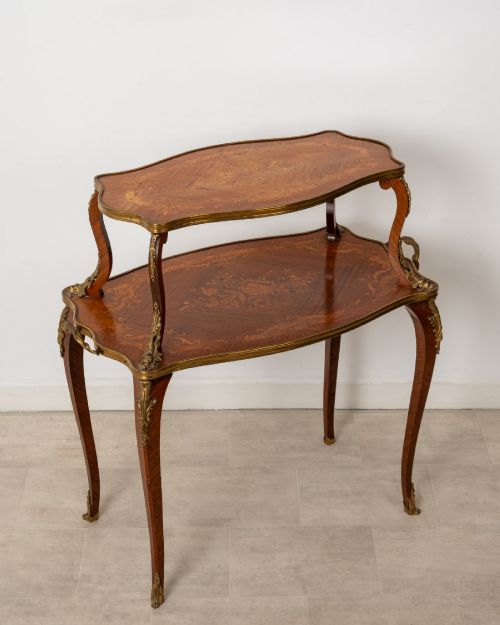
Origin and style vary from Louis XV revival kingwood marquetry to Sheraton revival mahogany and Arts and Crafts oak. Buyers find both French influenced display pieces and sturdy British utilitarian forms on this page.
How they were made
Cabinet makers utilised a variety of solid timbers and fine veneers to construct these tables. Walnut, mahogany, oak, and kingwood form the primary structural and surface materials.
Decorative elements involve intricate satinwood inlay, brass fittings, and ormolu mounts. These techniques reflect the aesthetic preferences of periods ranging from the late eighteenth century to nineteen thirty.
Retail Price Guide 2026
Typical UK retail prices for vintage two tier table, calculated from the Sellingantiques database of over a million retail prices indexed since 2003. This retail price guide relies exclusively on Sellingantiques data; no external sources or auction records are used, so the figures do not describe the wider market.
Listings feature walnut, mahogany, oak, and kingwood spanning the eighteenth century to nineteen thirty.
What varies in quality
The refinement of the timber selection and the precision of the marquetry define the upper tier of quality. Subtle details such as contrasting inlay work and fire gilded ormolu distinguish ambitious cabinet making from straightforward utility furniture.
Structural integrity relies on the quality of the joints and the stability of the secondary tier. Tables constructed with thick walnut veneers or solid figured timber maintain their presence better than simpler pine or lightly faced alternatives.
The Vintage Two Tier Table Glossary
- Étagere
- A piece of furniture with open shelves or tiers for displaying small objects or books. This French term typically applies to lighter decorative tables.
- Marquetry
- The art of applying pieces of veneer to a structure to form decorative patterns and pictures. Craftsmen use various coloured woods to achieve tonal depth.
- Ormolu
- Gilded bronze mounts applied to furniture for decorative effect. This technique was favoured in French revival pieces.
- Dumbwaiter
- A multi tiered freestanding piece used originally for serving food without servants. Folding versions allowed for easy storage when not in use.
- Inlay
- A technique where contrasting materials are inserted into depressions in a solid wood base. Satinwood is frequently used for this purpose on mahogany surfaces.
Frequently Asked Questions
Where should I place a two tier table?
These tables work well beside a sofa or armchair where the lower shelf can hold books or magazines while the top surface remains clear for a lamp.
In a hallway or corner, a taller etagere provides a display space for ceramics or plants without blocking walkways.
How do I care for walnut veneer?
Dust the surface regularly with a soft dry cloth to prevent particles from scratching the delicate polished finish.
Keep the wood away from direct sunlight and strong heat sources to avoid fading and splitting in the veneer.
What is the difference between an etagere and a coffee table?
An etagere is typically taller with multiple open levels designed for display and ornamental storage rather than heavy daily use.
Coffee tables sit lower to the ground and are engineered to withstand the weight of everyday items placed in living spaces.
How can I tell Art Deco tables apart from Edwardian ones?
Art Deco pieces from nineteen thirty favour geometric lines, figured walnut, and ebonised contrasts that reflect modern industrial design.
Edwardian tables lean towards lighter revival styles with inlaid satinwood and traditional bracket or slender tapered legs.