

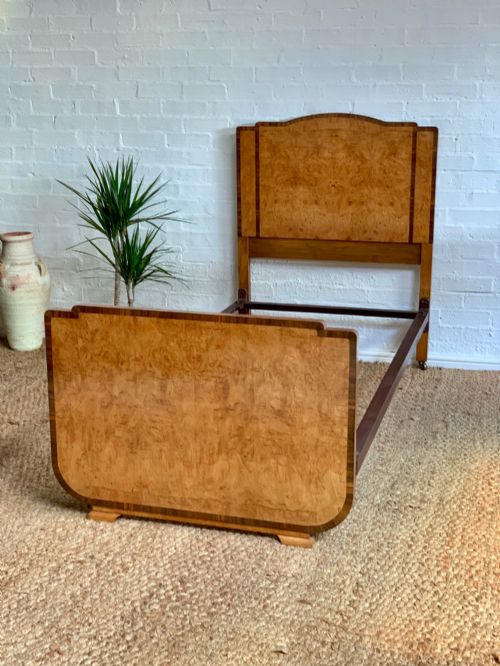
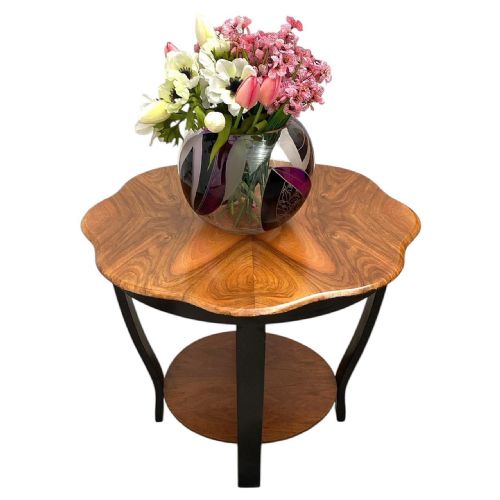
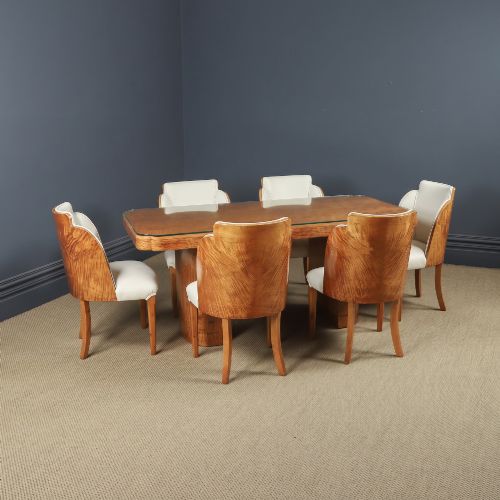

English Art Deco Furniture
English art deco furniture brings the bold geometry and luxurious woods of the interwar period straight into modern rooms.
English Art Deco Furniture
When you search for english art deco furniture, you encounter items from the 1930s that combine clean structural lines with rich decorative surfaces. These pieces range from seating and tables to bedroom suites and drinks cabinets, all rooted in the interwar period.
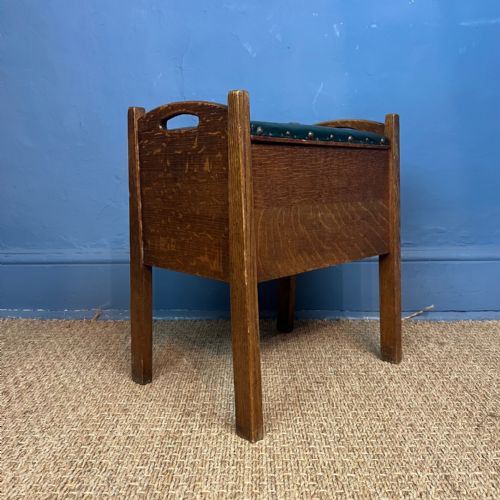
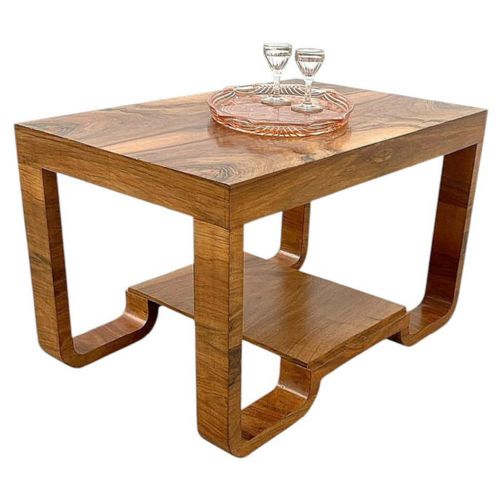
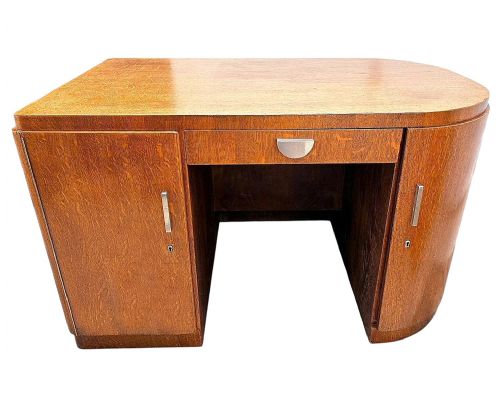
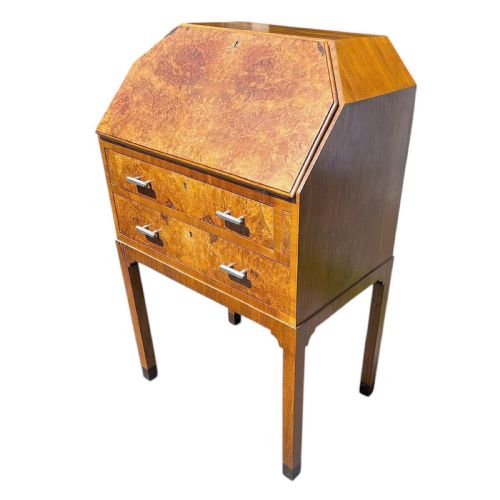
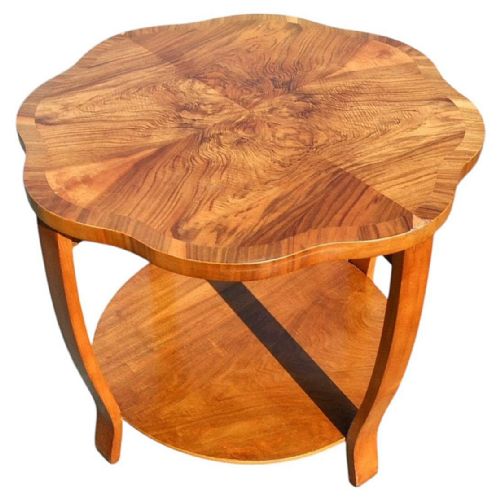
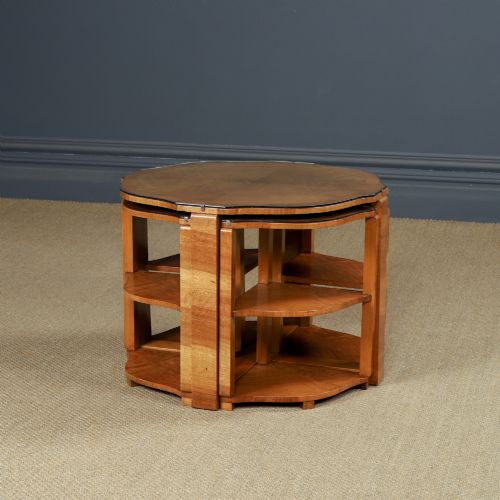
The selections on this page focus heavily on utilitarian and entertaining forms, such as nests of coffee tables, cocktail trolleys, writing desks, and display cabinets. Walnut and burr walnut dominate the forms, alongside oak, satinwood, and maple.
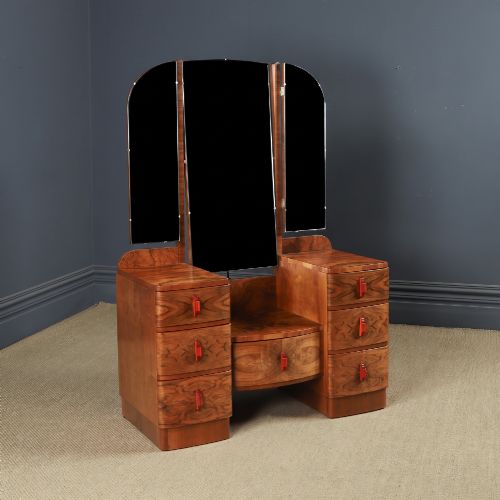
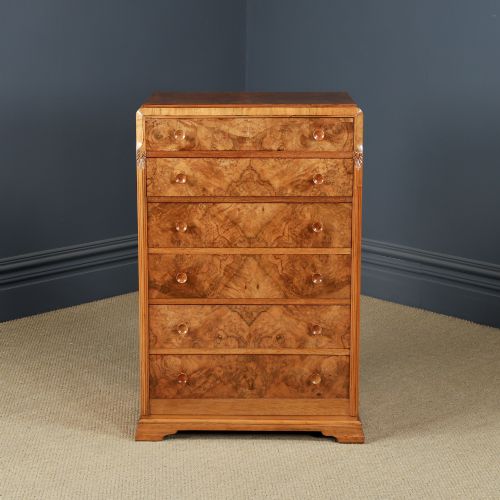
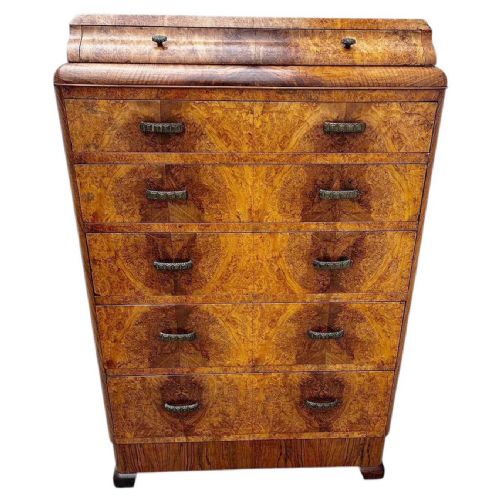
Originating largely from English workshops of the 1930s, these items demonstrate how local cabinetmakers adapted continental modernist shapes into practical domestic pieces. Dining chairs, chests of drawers, and dressing tables show the period's preference for matched suites and streamlined silhouettes.
Materials and construction
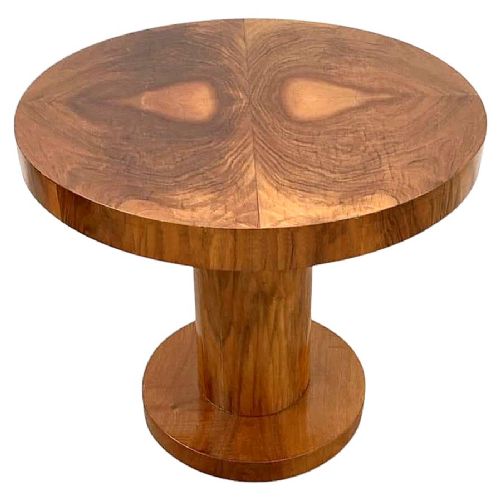
Makers utilised solid timbers like oak alongside sophisticated veneers of walnut, burr walnut, birds-eye maple, and satinwood to create striking surface patterns. These woods were often shaped into curved cloud forms, circular tiers, or modernist geometric profiles.
Metal elements such as chrome, brass, and standard metal appear on tables, trolleys, and cabinets to provide structural contrast and industrial brightness. Glass and mirror tops also feature prominently on occasional tables and cocktail bars.
Upholstered items integrate leather alongside wood frames, maintaining the clean lines characteristic of 1930s production. Construction methods combined traditional joinery with the era's innovative bending and layering techniques for wood.
English Art Deco Furniture Retail Price Guide 2026
Typical asking prices for english art deco furniture among the pieces listed under this phrase on Sellingantiques today, from the lower quarter to the upper quarter. They describe what is for sale here now, not the wider market.
Current listings feature items exclusively from the 1930 period, constructed in walnut, burr walnut, oak, satinwood, maple, glass, metal, brass, and chrome.
Gradations in quality
Quality rests significantly on the choice of veneer and how symmetrically the grain patterns match across large surfaces like tabletops and drawer fronts. Burr walnut and figured walnut require expert selection to create harmonious visual movement.
Structural integrity in complex forms like nests of tables, revolving bars, and multi-tiered trolleys demonstrates the skill of the original maker. The precision of curved joints and the weight of solid oak or walnut carcass work separate standard domestic items from premier studio commissions.
Waring & Gillow England·Harry & Lou Epstein·The Hille Furniture Company·M. P. Davis Furniture of London
The English Art Deco Furniture Glossary
- Burr walnut
- A wood veneer taken from the warted growths on walnut trees, prized for its swirling, intricate grain patterns. It forms the primary decorative surface on many 1930s cabinets and desks.
- Veneer
- A thin layer of superior wood glued to a base timber to provide a decorative exterior. English pieces from this period frequently display book-matched walnut veneers.
- Modernist
- A design style rejecting historical revivalism in favour of clean lines, geometric simplicity, and functional form. This approach defines the architectural silhouette of interwar furniture.
- Drinks trolley
- A mobile serving cart designed for hospitality, often featuring multiple tiers, glass surfaces, and wheels. These items reflect the growing popularity of home cocktail culture during the 1930s.
- Cloud shape
- A distinct upholstered furniture profile featuring undulating, rounded curves reminiscent of stylized clouds. This form appears on armchairs and sofas from the period.
English Art Deco Furniture: Frequently Asked Questions
How do I identify genuine 1930s pieces?
Examine the timber choices, construction techniques, and hardware typical of the interwar period. Genuine items from this era frequently utilise walnut veneers, oak, and chrome details characteristic of 1930s manufacturing standards.
Check for maker signatures, stamps, or labels associated with known English workshops and retailers of the decade. The presence of traditional joinery combined with streamline modernist styling helps confirm the period.
Were cocktail cabinets common in the 1930s?
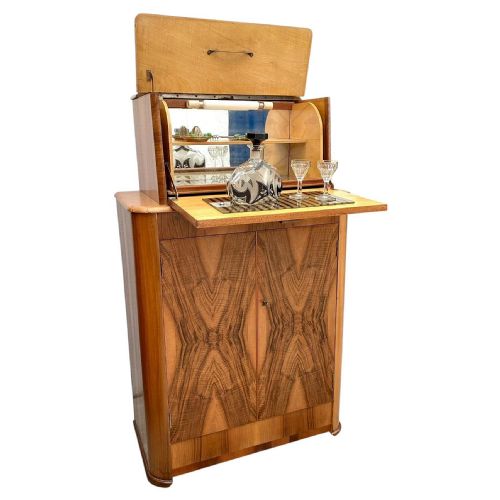
Home entertaining rose significantly during the interwar years, leading to a surge in specialised furniture for serving drinks. Cabinets, trolleys, and dry bars were designed specifically to store glassware, bottles, and mixing accessories.
These pieces often incorporated drop-down desks, mirrored interiors, and integrated lighting. Their presence reflects the social habits and modern lifestyle of households during that decade.
How should I care for burr walnut surfaces?
Protect the wood from direct sunlight and excessive moisture to prevent fading and veneer lifting. Regular dusting with a soft, dry cloth preserves the polished finish without building up residue.
Apply a microcrystalline wax sparingly when the wood appears dry to maintain its natural lustre. Avoid placing hot cups or wet glasses directly onto the veneer without coasters.
What defines the streamline style?
Streamline design emerged from aerodynamic principles, emphasising long horizontal lines, rounded corners, and smooth surfaces. In furniture, this translated into sweeping curves and minimalist silhouettes that minimised visible joins.
This aesthetic represented progress and modernity during the interwar era. It appears clearly on tables, trolleys, and cabinetry produced across England during the 1930s.