


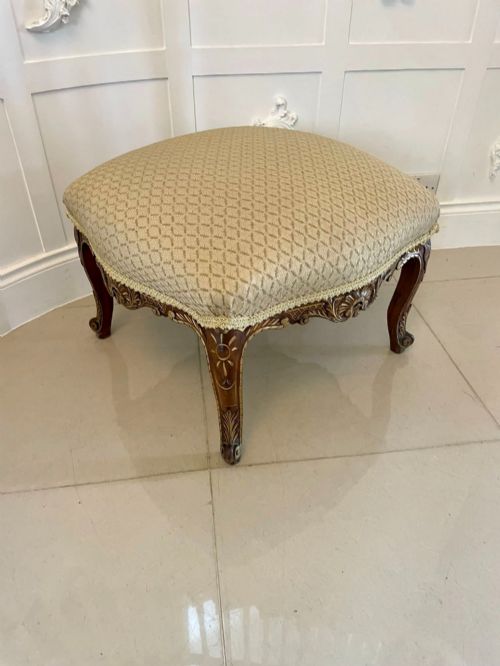
Vintage Walnut Table
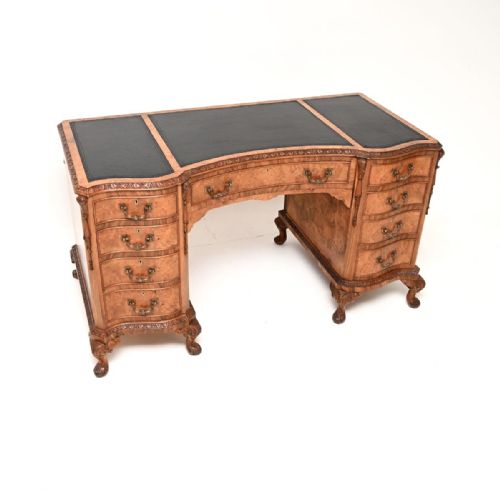
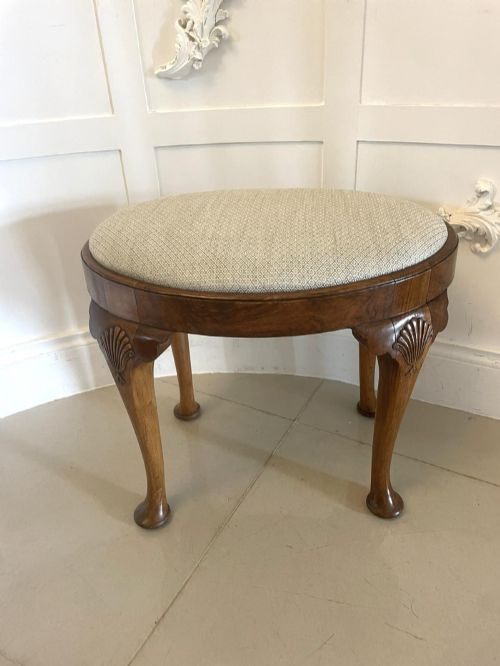
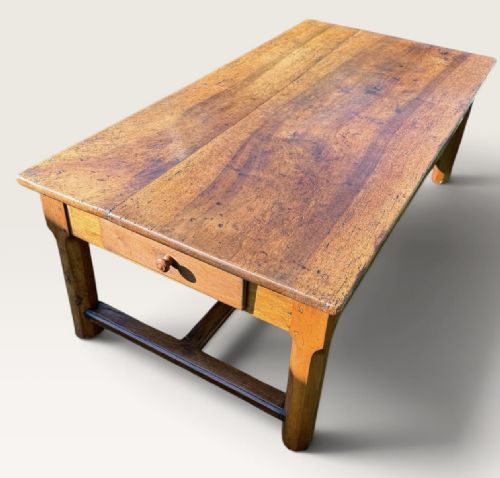
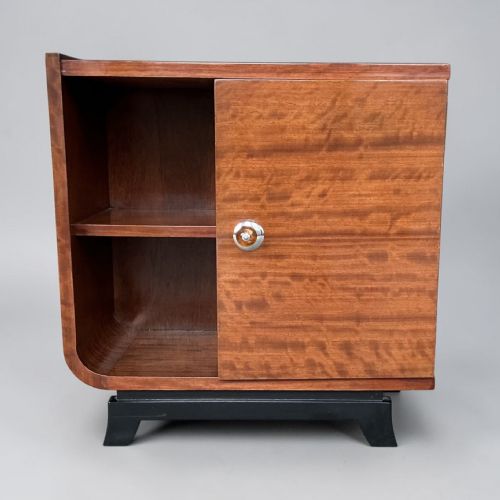
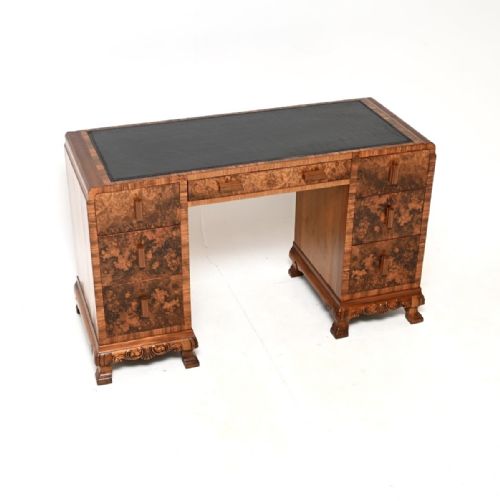
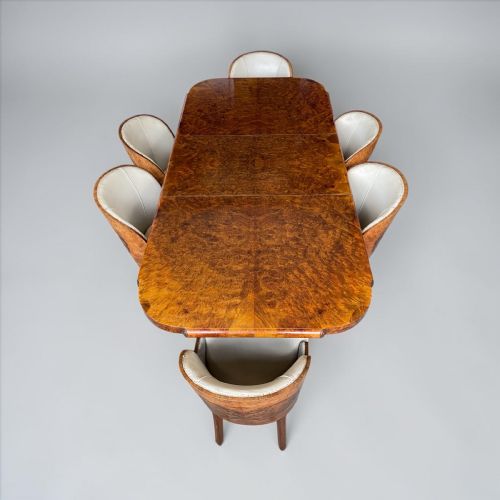
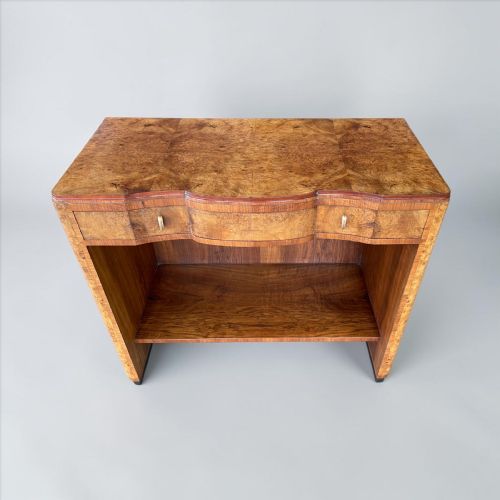
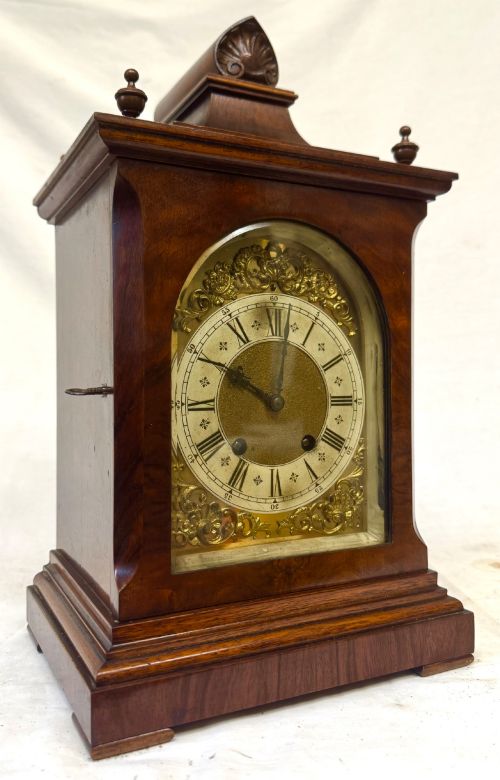
These vintage walnut table examples combine figured timber with twentieth-century design, offering a functional surface that anchors a room with rich grain.
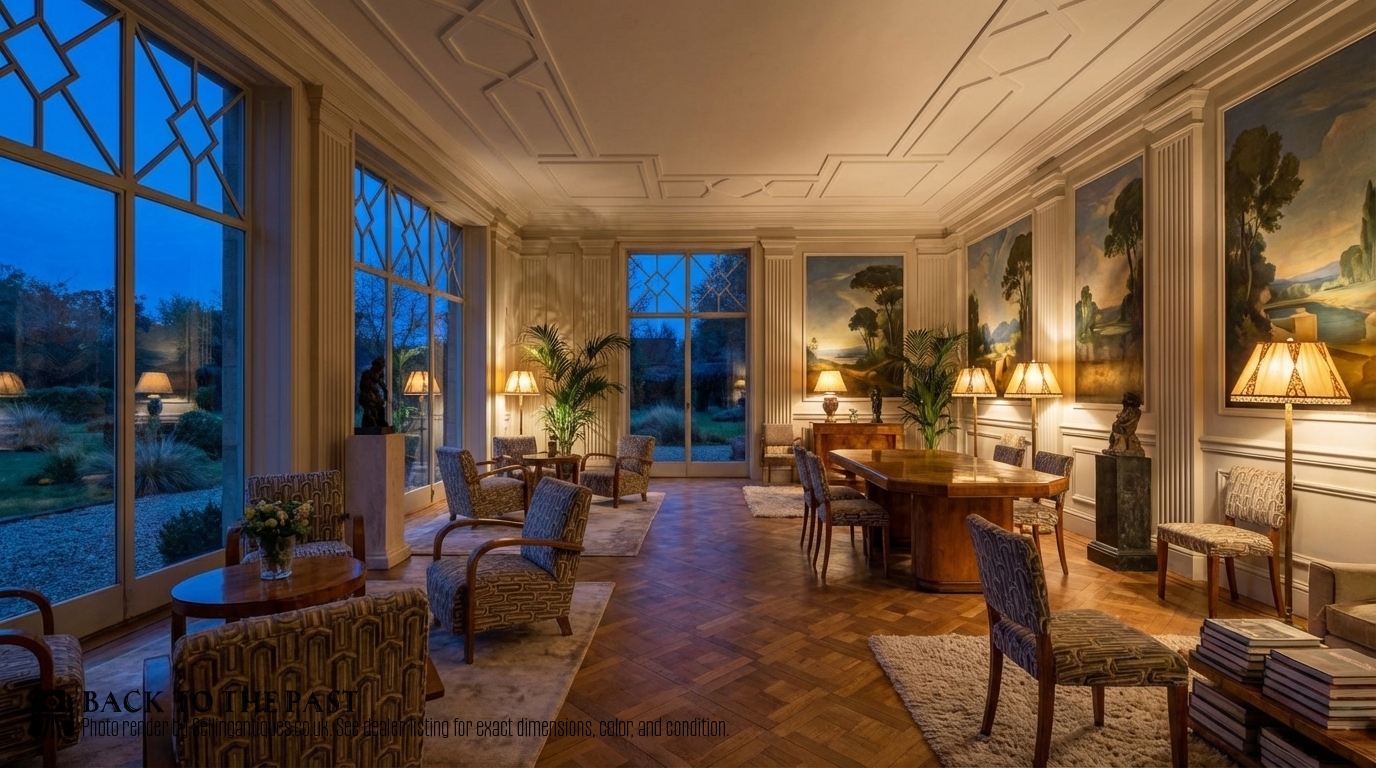
Defining the vintage walnut table
A vintage walnut table brings mid-century and earlier twentieth-century design into domestic spaces through forms such as side tables, coffee tables, occasional tables, and dining tables. These items emerge from the 1930s alongside mid-century periods, showcasing the stylistic preferences of those decades.
Buyers encounter forms ranging from low coffee tables and compact side pieces to large dining surfaces and nests of tables. English workshops produced many of these pieces, utilising the characteristic warmth of the timber for everyday utility.
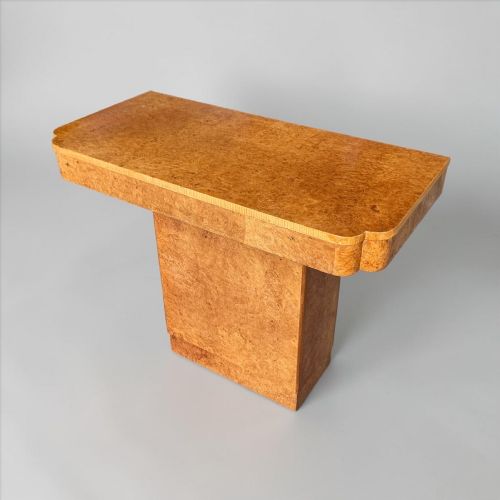
Art Deco examples dominate the available selection, displaying characteristic geometric lines and figured grain patterns. These occasional and dining pieces reflect the dominant aesthetic of their period of manufacture.
Materials and construction
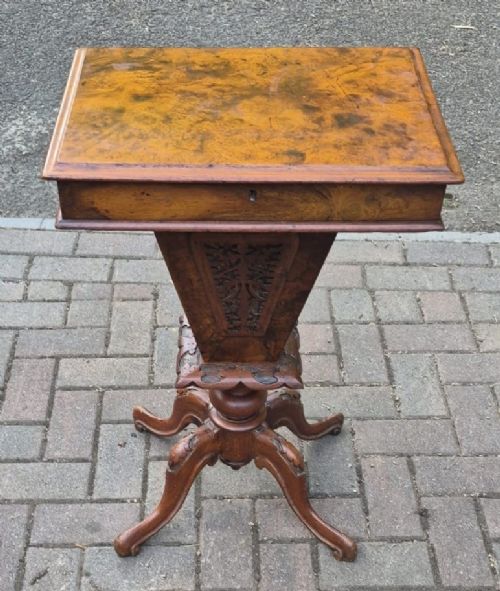
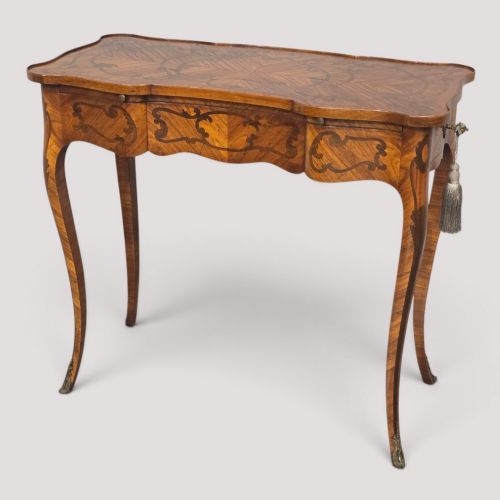
Constructed primarily from walnut, hardwood, and walnut veneer, these tables often feature burr walnut veneer to highlight complex grain patterns. Crossbanding in mahogany appears on certain examples to provide contrasting borders around the main timber surface.
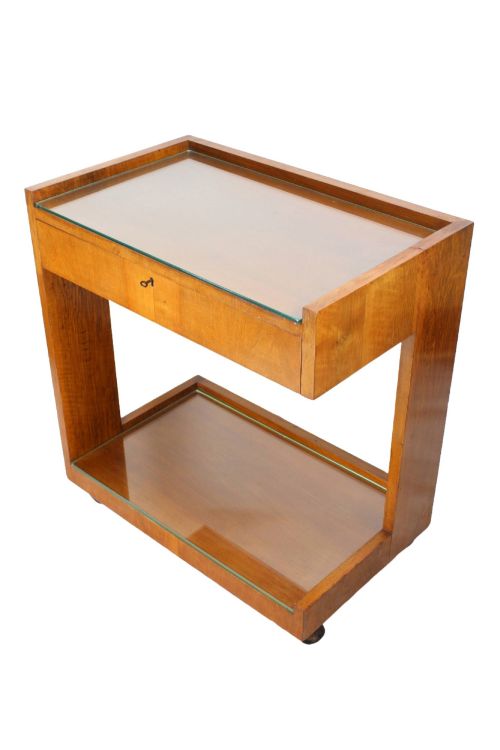
Makers integrated glass and metal components into specific designs, particularly in mirror-topped occasional tables and tea trolleys. The underlying structure relies on solid hardwood frames finished with decorative wood veneers.
Retail Price Guide 2026
Typical UK retail prices for vintage walnut table, calculated from the Sellingantiques database of over a million retail prices indexed since 2003. This retail price guide relies exclusively on Sellingantiques data; no external sources or auction records are used, so the figures do not describe the wider market.
Certain vintage walnut tables rolled from the kitchen to the parlour as occasional tea trolleys, ready for the evening sherry.
Judging quality in walnut furniture
Quality rests upon the selection and matching of the veneer, where figured walnut and burr walnut display symmetrical patterns across the top surface. Superior examples demonstrate careful alignment of the grain rather than uniform commercial planking.
The integration of secondary timbers, such as mahogany crossbanding, separates standard production pieces from finer items. Construction integrity in the joints and the preservation of the original glass or mirror tops further distinguish the tiers of quality.
McIntosh
The Vintage Walnut Table Glossary
- Burr walnut veneer
- A thin slice of wood taken from a tree growth or burl, prized for its swirling, highly figured pattern. It decorates the surface of fine tables.
- Art Deco
- A design style from the interwar period characterised by sleek geometric shapes and stylised motifs. Many vintage walnut tables adopt this aesthetic.
- Crossbanding
- A border technique where strips of veneer are laid perpendicular to the main grain of the table top. Mahogany frequently serves this decorative function.
- Occasional table
- A small, movable table designed for specific, intermittent use rather than primary dining. These include coffee and side variants.
Frequently Asked Questions
What is a vintage walnut table?
A vintage walnut table is a piece of furniture constructed primarily from walnut or walnut veneer, typically dating from the 1930s or mid-century period. These items encompass dining tables, coffee tables, side tables, and occasional trolley tables.
They serve practical purposes in modern interiors while displaying the distinct wood grain and stylistic hallmarks of twentieth-century design eras like Art Deco.
How do I clean a walnut surface?
Cleaning requires a soft, dry cloth to remove dust without scratching the delicate veneer or polished finish. Avoid using harsh chemical sprays or excess water on wooden surfaces.
Period furniture benefits from occasional applications of appropriate beeswax or furniture polish to nourish the timber and maintain its natural lustre.
Are these tables solid walnut?
Most vintage examples utilise a combination of solid hardwoods and decorative veneers rather than being made entirely of solid walnut. This technique allowed makers to display expensive figured timber and burr walnut on the visible surfaces while maintaining structural stability.
Secondary woods like mahogany often appear in crossbanding or internal framing to provide contrast and durability.
How do I identify Art Deco tables?
Art Deco tables are identifiable through their geometric symmetry, streamlined silhouettes, and the prominent use of figured walnut or burr walnut veneers. These pieces originate around the 1930s and avoid heavy Victorian ornamentation.
Design elements occasionally incorporate contrasting materials such as glass inserts or metal trimmings to accentuate the modern aesthetic.