


Figured Walnut Side Table
A figured walnut side table brings warmth and rich grain patterns into a room, spanning periods from early Georgian to Art Deco.
Figured Walnut Side Table
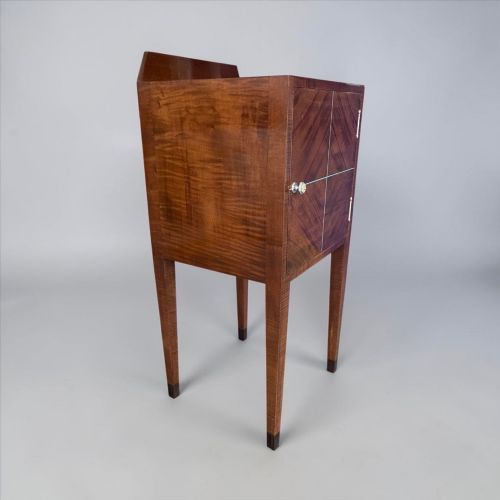
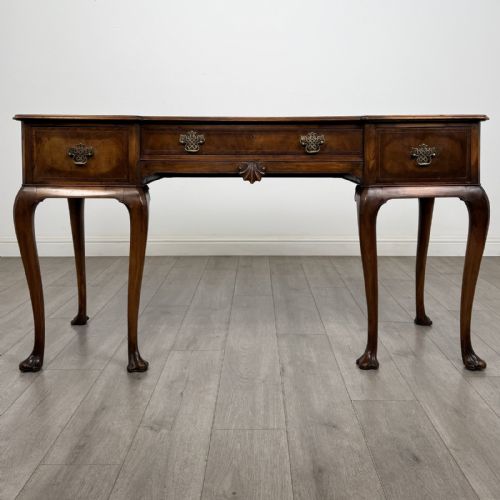
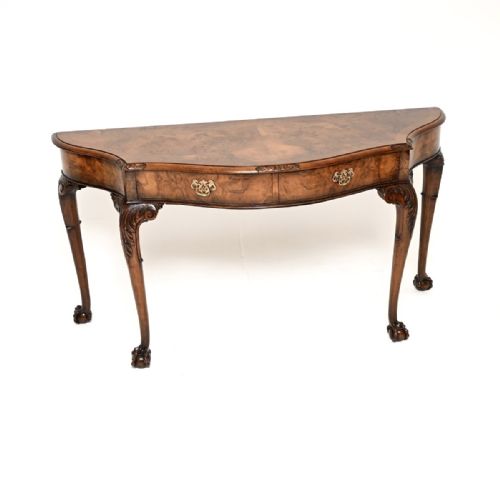
A figured walnut side table encompasses a diverse group of compact furniture pieces designed for utility and display across several centuries. The selection ranges from 18th-century lowboys and Georgian console tables to Victorian marquetry card tables and streamlined 1930s Art Deco designs.
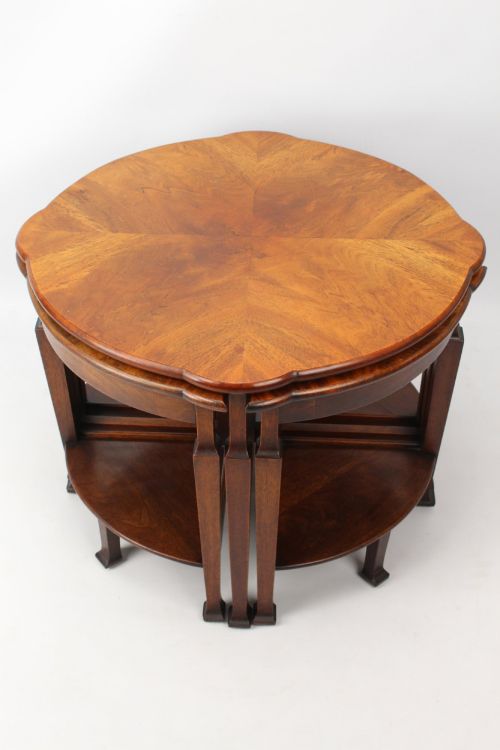
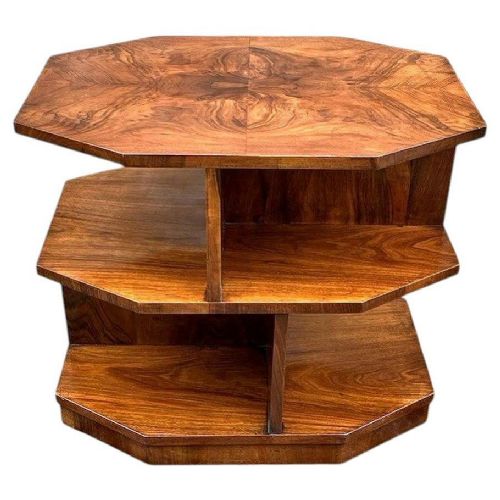
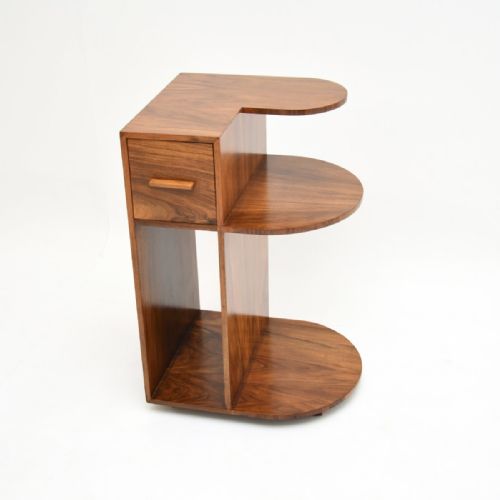
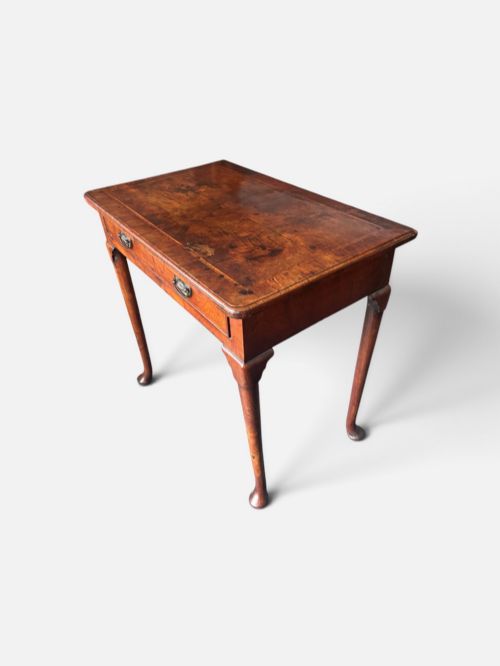
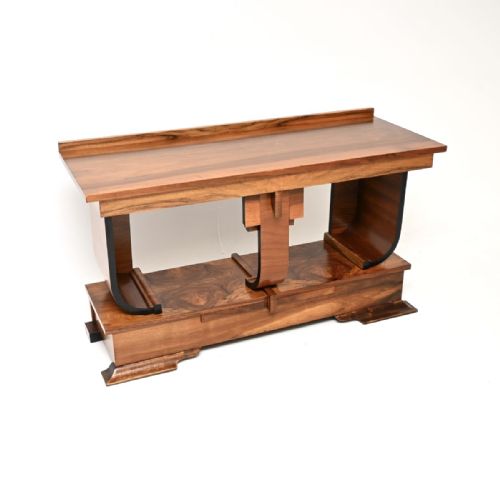
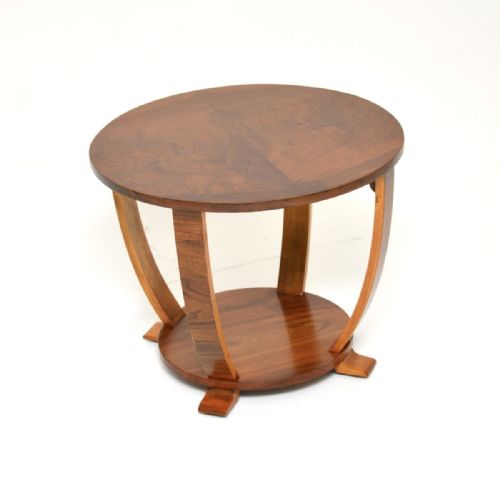
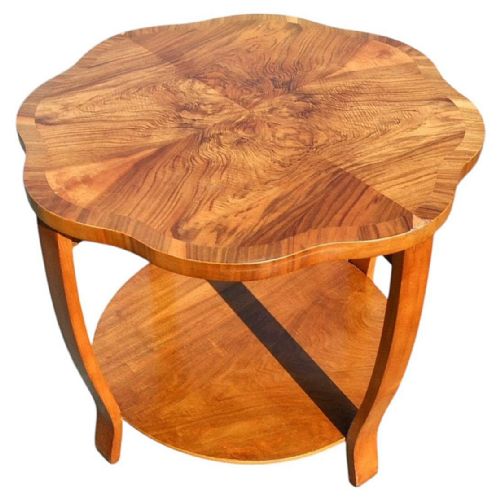
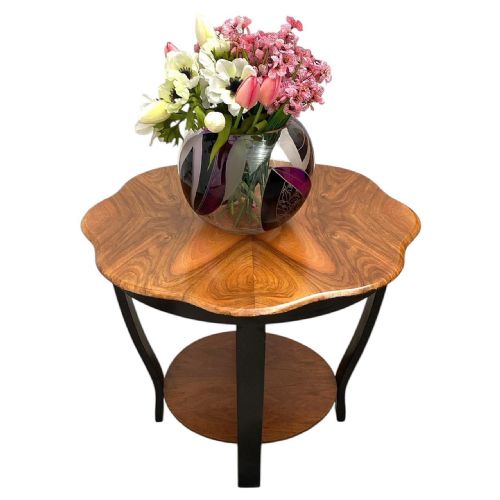
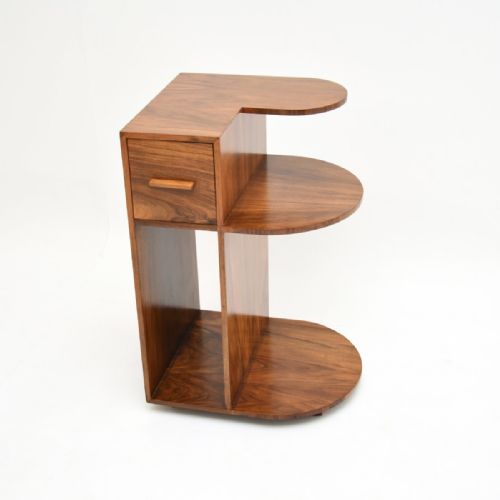
Art Deco examples from the 1930s dominate the offerings on this page, frequently appearing as two-tier coffee tables, bedside cabinets, and nests of tables. Earlier pieces from the 18th and 19th centuries provide traditional lowboy forms and occasional tables with cabriole legs or brass details.
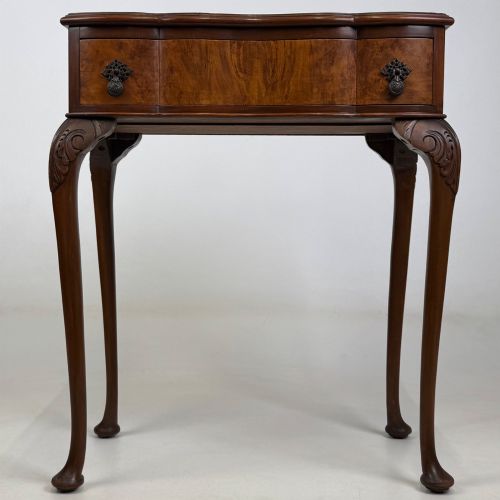
Buyers encounter various formats including small lamp tables, book tables, and silver tables. Each variation utilises walnut timber chosen specifically for its decorative grain pattern to serve functional roles in domestic interiors.
Assessing Distinction
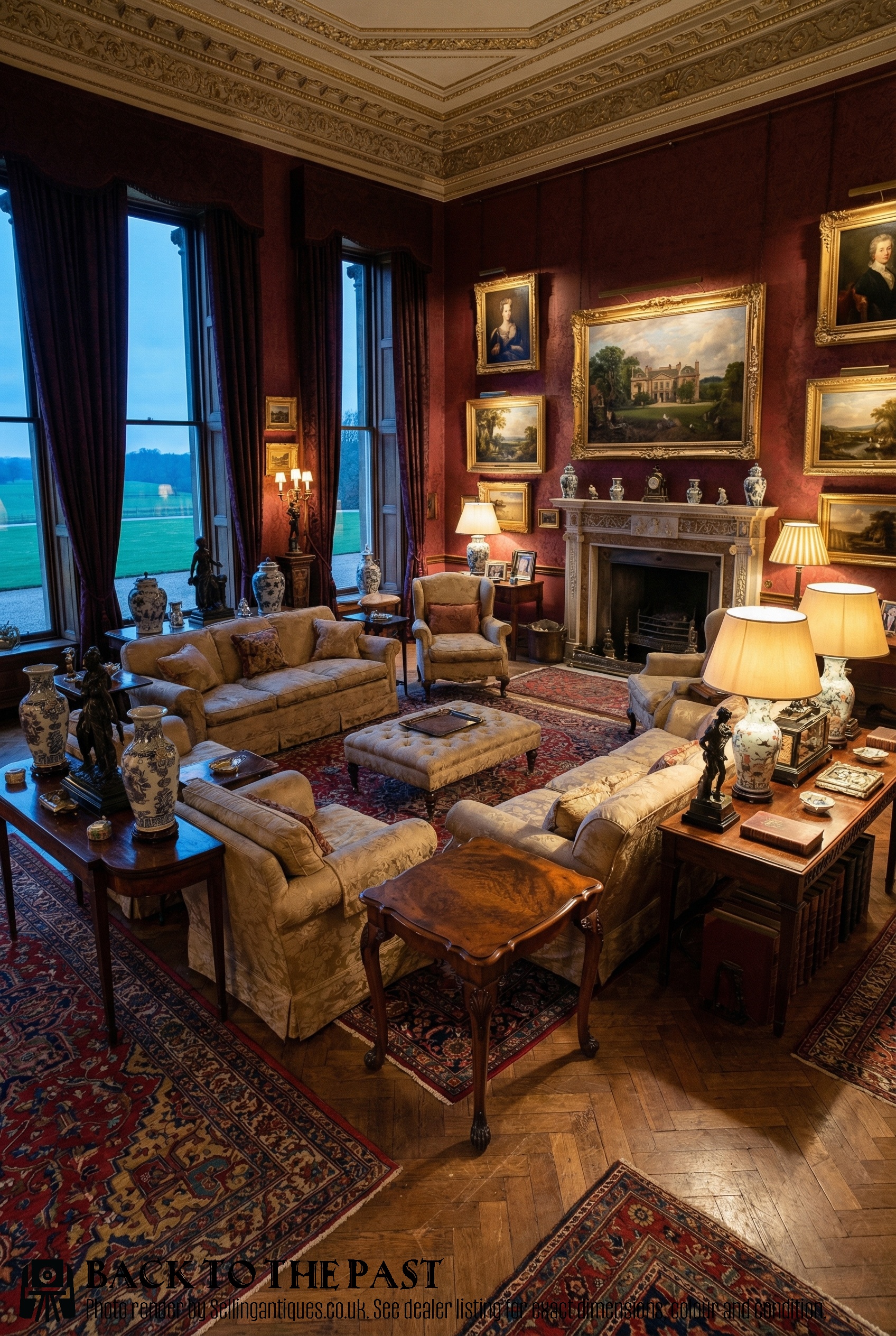
The visual impact of the timber selection dictates much of the distinction between standard examples and superior specimens. Highly figured veneers with deep, symmetrical grain patterns elevate pieces, particularly within 1930s Art Deco designs and earlier Georgian furniture.
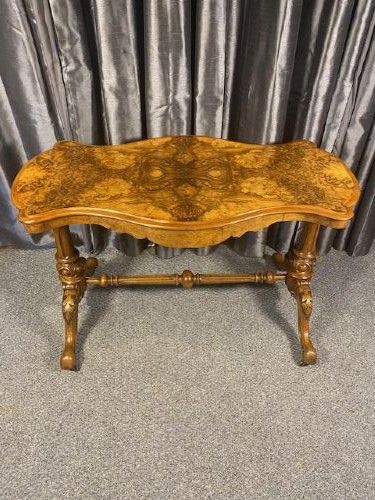
Execution of secondary details, such as inlaid marquetry work on Victorian card tables or the precision of edge banding and matching grain across multiple drawers, separates workshop production levels. Structural integrity and the survival of original polished surfaces preserve the historical standing of older 18th-century and 19th-century items.
Figured Walnut Side Table Retail Price Guide 2026
Typical asking prices for figured walnut side table among the pieces listed under this phrase on Sellingantiques today, from the lower quarter to the upper quarter. They describe what is for sale here now, not the wider market.
The inventory spans the 18th Century through the 1930s, uniting Georgian lowboys with Art Deco coffee tables and Victorian card tables under walnut veneers.
Harry and Lou Epstein·Maurice Adams·Heal's·Maple & Co
The Figured Walnut Side Table Glossary
- Figured Walnut
- Timber featuring irregular, highly decorative grain patterns caused by growth anomalies in the tree. This wood is sliced into veneers to ornament tabletops and drawer fronts.
- Burr Walnut
- The knotty growth from the tree base or roots yielding intricate cluster patterns. It provides some of the most dramatic decorative surfaces found on antique furniture.
- Lowboy
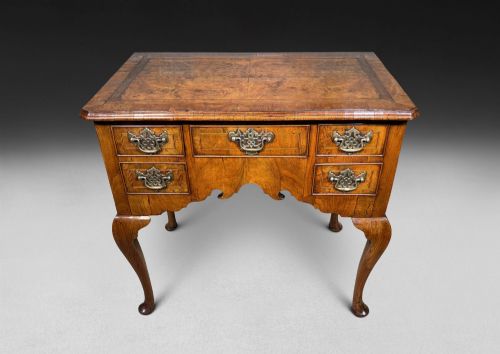
- A small 18th-century table with one or more drawers and slender legs. These pieces typically served as dressing or side tables in Georgian homes.
- Marquetry
- The art of applying small pieces of veneer to a structure to form decorative patterns or pictures. Victorian examples often incorporate floral or geometric motifs.
- Cabriole Leg
- A furniture leg that curves outward and then tapers inward to a foot. This form appears frequently on Georgian and Queen Anne style tables.
Figured Walnut Side Table: Frequently Asked Questions
Where should I place a side table?
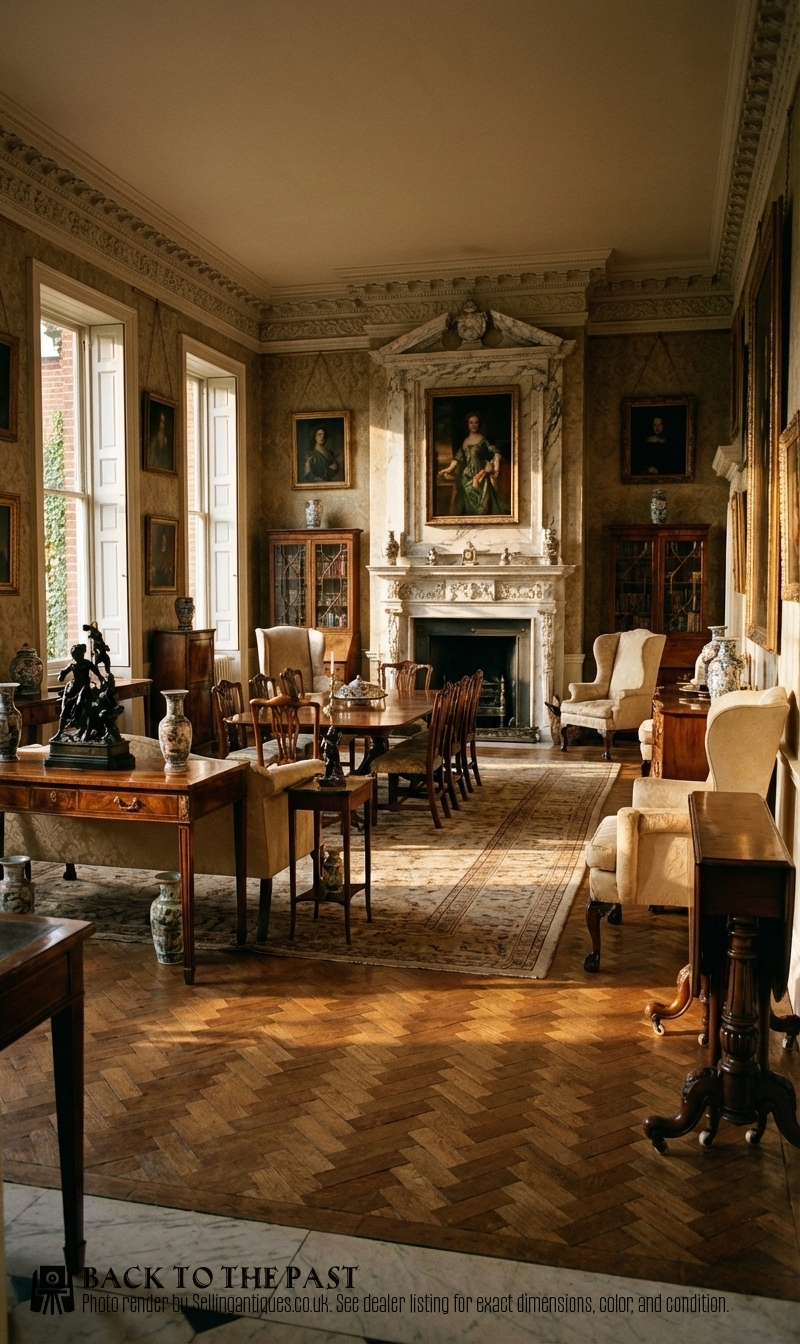
These compact pieces fit easily beside seating areas in sitting rooms or function as bedside tables in bedrooms. Their finished backs often allow them to stand freely within a room.
Smaller formats like nests of tables provide flexible surfaces that deploy when needed and tuck away to save floor space.
How do I care for walnut veneer?
Protect the polished surface by keeping the wood away from direct sunlight and extreme temperature shifts. Dust regularly with a dry cloth and avoid silicone-based polishes.
Maintaining consistent indoor humidity prevents the underlying veneer from lifting or cracking over time.
How do I distinguish 18th-century pieces from Art Deco revivals?
Examine the leg joinery and overall silhouette for period indicators. 18th-century lowboys feature hand-cut joints and timber patination developed through long use.
Art Deco items from the 1930s display geometric symmetry, streamlined shapes, and highly figured veneers arranged in book-matched patterns.
What is the difference between a lowboy and a side table?
A lowboy is a specific 18th-century form characterised by a low table frame fitted with one or multiple drawers. They typically feature cabriole legs and traditional joinery.
A side table represents a broader category encompassing various eras and functions, from Victorian Sutherland tables to 1930s multi-tiered coffee tables.